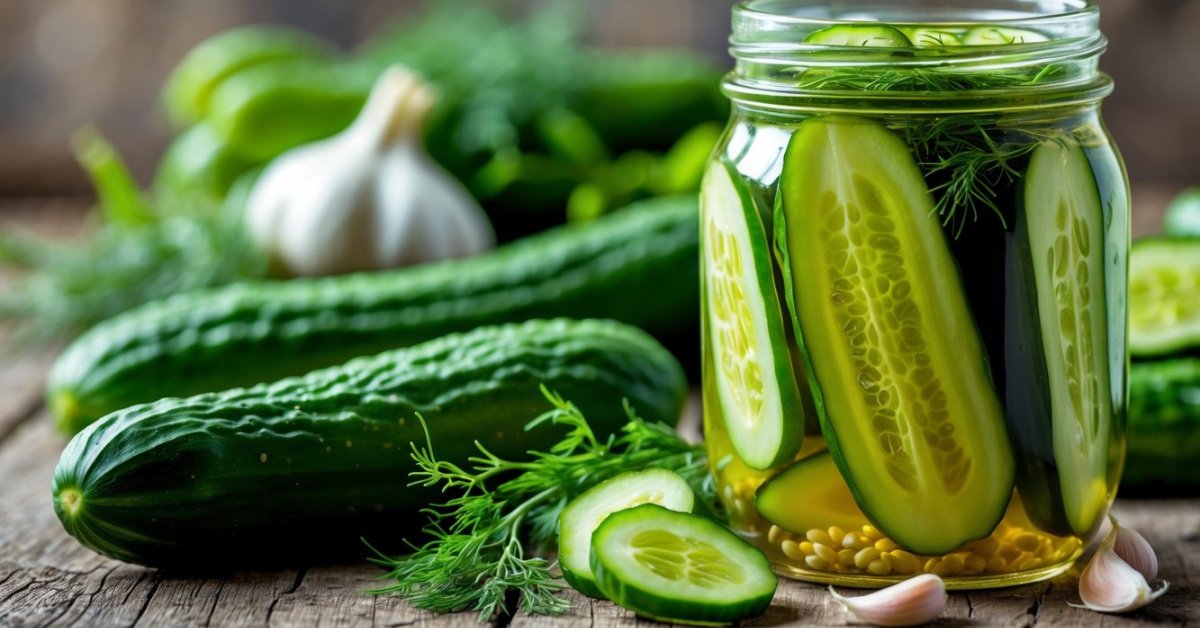
Whenever I think about German food, my mind goes straight to the tangy crunch of pickles. There’s something so inviting about that burst of flavor that shows up everywhere from street food stands to family dinner tables. Pickles aren’t just a side dish in Germany—they’re a tradition that’s been passed down through generations.
I love how every region has its own twist, whether it’s crisp gherkins from Spreewald or spicy mustard pickles from the south. For me, pickles are more than just a snack—they’re a little taste of German history and hospitality. Let’s explore how these zesty treats have become such a beloved part of German culinary traditions.
The Historical Roots of Pickles in German Culinary Traditions
German pickling practices trace back over a thousand years, connecting agricultural communities and kitchen traditions. I find early manuscripts from the 8th century CE mention the preservation of cucumbers and cabbage with salt brine, vinegar, and regional herbs. Medieval picklers relied on fermentation not only for flavor but for food security during winters, using stoneware crocks and wooden barrels. Monasteries and large estates set regional trends, with northern regions favoring sour-salt brines for longer storage and southern cooks experimenting with sweet-spice blends.
Trade routes along the Elbe and Rhine introduced new spices by the 15th century, expanding the German pickling palette. Mustard seeds from Flanders and dill from the Baltic became key flavors by the 1600s, appearing in recipes from Brandenburg to Bavaria. Households grew cucumbers, onions, and root vegetables to pickle after the summer harvest, ensuring vitamin-rich foods in colder months. By the 19th century, regions like Spreewald developed commercial pickle industries, exporting Spreewaldgurken throughout Europe.
Local festivals and markets still honor this heritage. In Lübbenau, the Spreewald Pickle Festival draws visitors each July to taste classic gurken, horseradish pickles, and fermented cabbage mixes. Family recipes often pass down for generations, preserving not just the pickles—but stories, techniques, and garden heirlooms within Germany’s culinary landscape.
Famous Types of German Pickles
German culinary traditions showcase diverse pickle varieties rooted in regional soils and centuries-old know-how. I keep these staples at the core of my kitchen and garden, each bringing unique flavors and textures to the table.
Sauerkraut: The Iconic Fermented Cabbage
Sauerkraut dominates German pickling, with shredded white cabbage lacto-fermented in barrels for 4-12 weeks. Salt draws water from the cabbage, then lactic acid bacteria naturally preserve and acidify it. Classic Bavarian recipes use caraway seeds for extra aroma, while northern styles favor juniper berries. Every batch offers essential vitamins and probiotics. I ferment my own sauerkraut each autumn using hand-harvested cabbage, keeping traditions alive with every jar.
Gewürzgurken: Spicy Dill Pickles
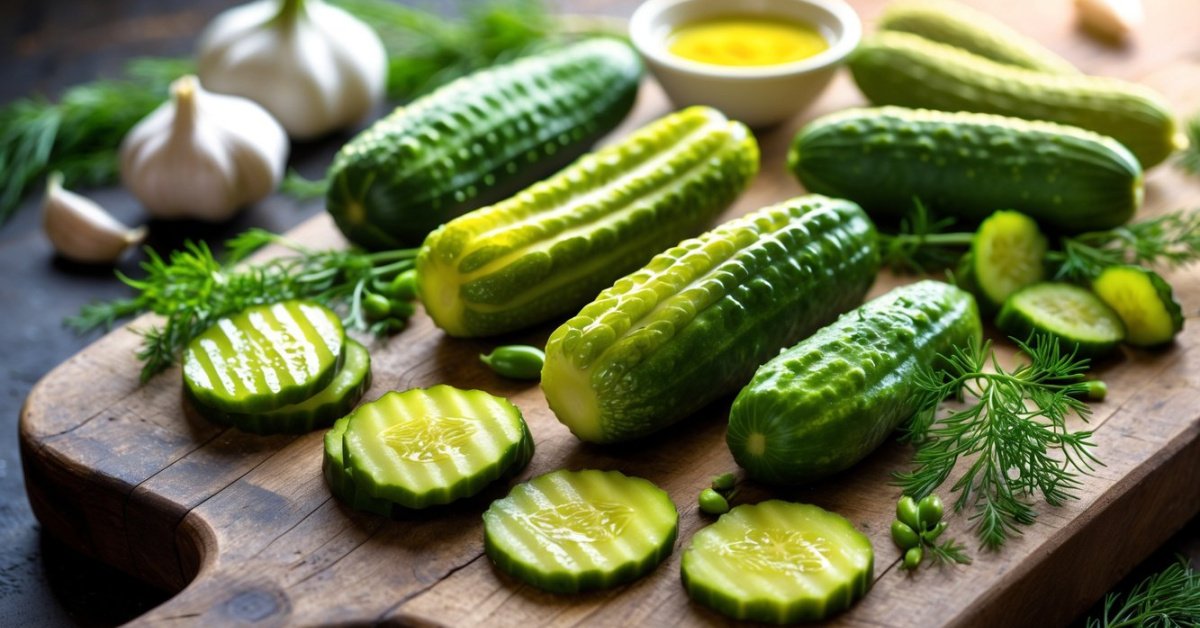
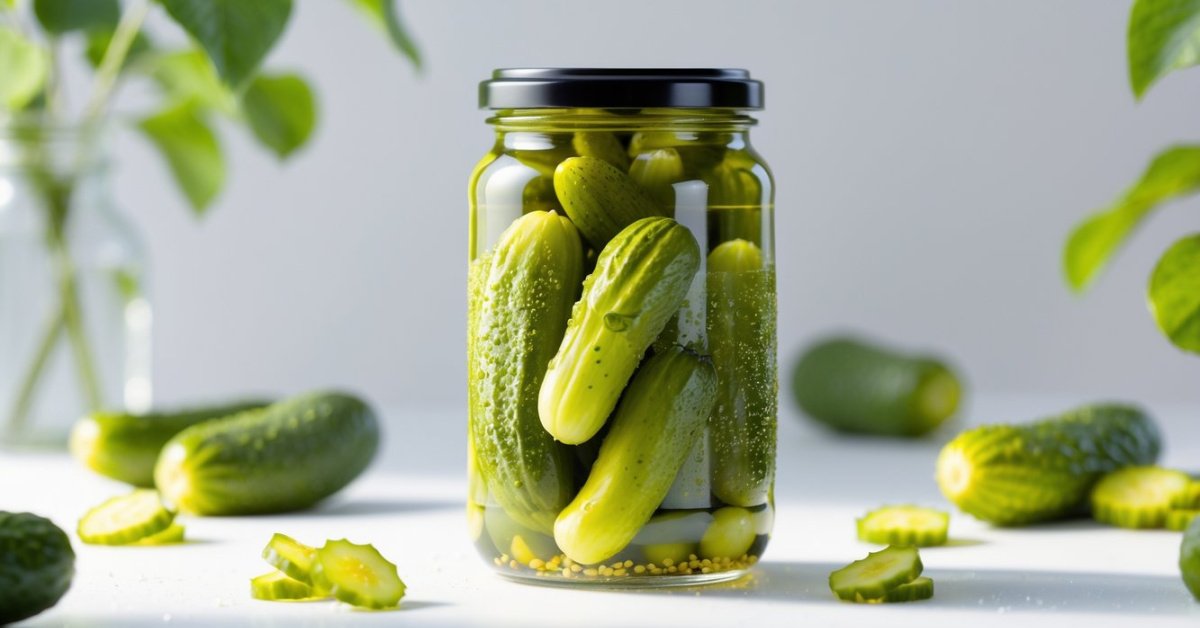
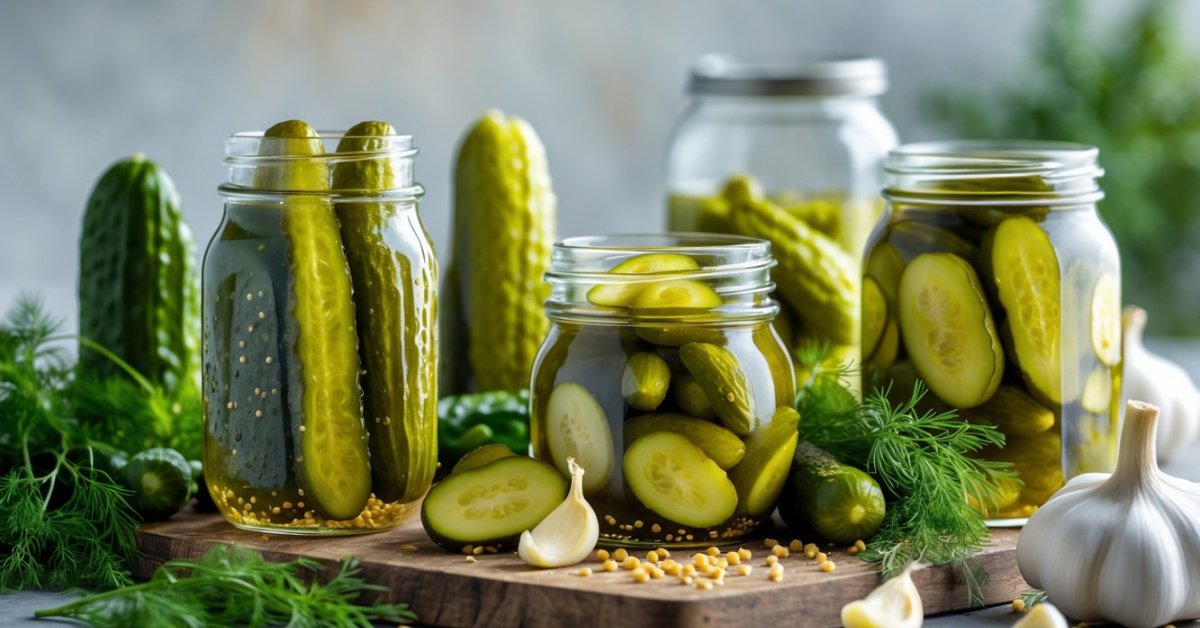
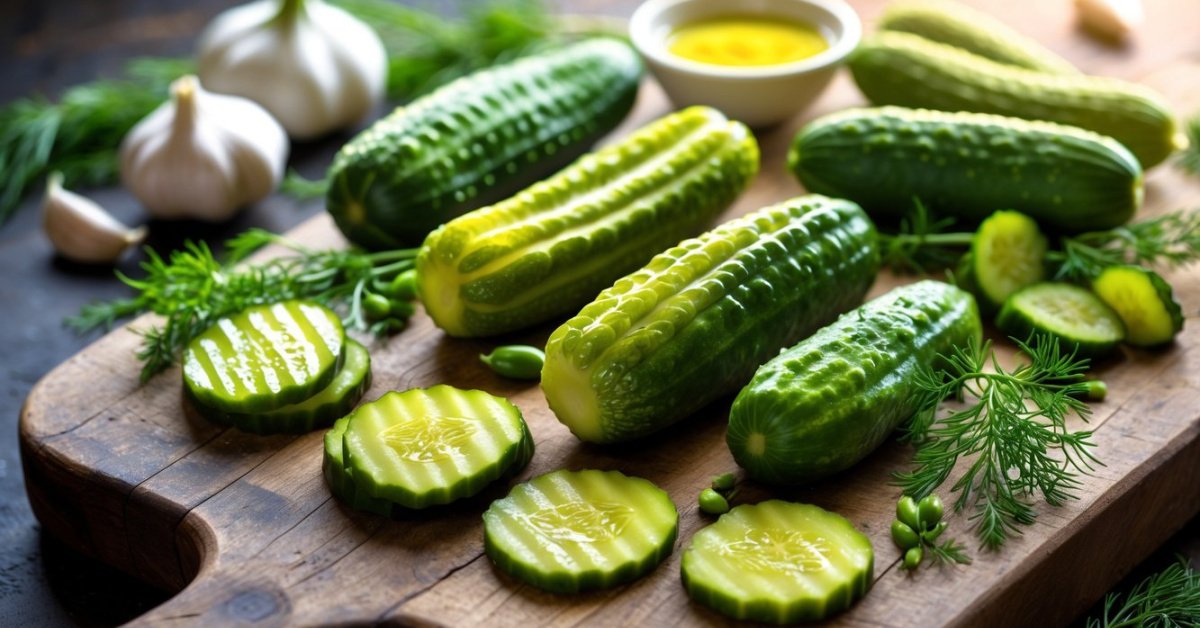
Gewürzgurken sit among Germany’s best-loved cucumber pickles—think Spreewald gherkins from Brandenburg fields. Whole cucumbers soak in brine with dill, mustard seeds, peppercorns, horseradish, and onions. Regional recipes in the Spreewald add sweeteners such as sugar or honey for a mild-sour contrast. These crisp, aromatic pickles headline platters at picnics and beer gardens. I prefer to grow heirloom cucumber varieties to replicate the authentic Gewürzgurken taste in my garden.
Senfgurken: Mustard Pickles
Senfgurken appear mostly in the south and east, made from peeled, sliced cucumbers soaked in mustard-spiked vinegar. Unlike Gewürzgurken, Senfgurken rely less on whole spices and more on ground yellow or brown mustard seeds. Some home picklers add turmeric or tarragon for extra fragrance. The resulting pickles are tangy, slightly sweet, and richly spiced. I harvest oversized cucumbers for this style, since they hold up best to peeling and slicing before pickling.
Traditional Methods of Pickling in Germany
Traditional German pickling relies on simple processes that highlight both garden freshness and spice blends. I use these heritage methods every season to preserve and deepen the flavors of my garden harvests.
Regional Variations and Techniques
Pickling techniques in Germany vary by region, shaped by climate, local crops, and spice availability.
- Spreewald Method
I brine fresh cucumbers with dill crowns, garlic, horseradish, and sour cherry leaves for the Spreewald-style. Salt-based fermentation takes 7-14 days at 64-72°F, yielding crisp, sour pickles prized at local markets.
- Bavarian Mustard Pickles
I slice and briefly salt cucumbers before simmering them with sweet onions, yellow mustard seeds, vinegar, sugar, and turmeric. The jars seal while hot, resulting in tangy-sweet Senfgurken in south German homes.
- North Sea Fermentation
I blend cabbage, salt, bay leaves, and caraway for traditional sauerkraut. Layering and weighing the mixture in ceramic crocks helps create a fully anaerobic brine. Lacto-fermentation at cool cellar temperatures over 4-6 weeks develops flavor while boosting probiotics.
- Rhineland Flavored Brines
I add cloves, allspice, wine vinegar, and pearl onions to fall-harvest vegetables. This region’s pickles often use a mixed vegetable approach for Gartenpickles, capturing the bounty of local plots.
Each technique preserves garden vegetables with distinct regional flavors—always connecting the pickling craft to local soil and family tradition.
The Role of Pickles in German Cuisine
Pickles serve as a foundation in German cuisine, not just a flavorful add-on. I find that every gathering and meal gains depth and freshness from thoughtfully prepared pickled vegetables.
Pickles in Everyday Meals
Pickles appear on nearly every German table, offering bright, acidic contrast to hearty fare. I use sliced Gewürzgurken on rye sandwiches, pair Senfgurken with roast pork, and spoon sauerkraut beside sausages or stews. Families, including mine, often keep several jars in the pantry for quick side dishes, salad toppers, or savory snacks. Local restaurants provide pickle samplers, typically featuring cucumber spears, pickled onions, and shredded root vegetables. Meal rhythms in Germany often include Brotzeit, where pickles, breads, cold cuts, and cheeses create balanced platters reflecting regional tastes.
Pickles in Festivals and Celebrations
Pickles feature prominently during festivals, markets, and communal feasts in Germany. At harvest events in Spreewald, I join other locals for tastings and contests celebrating the region’s distinctive Spreewaldgurken. Oktoberfest showcases sauerkraut as a staple with bratwurst and pork knuckle, while Christmas markets serve warm sauerkraut with roasted meats and rye rolls. Families pass down festive pickle recipes, crafting specialty jars flavored with horseradish, cloves, or mustard seeds for gifting or sharing during celebrations. Community gatherings, like wedding banquets or village fairs, usually include large bowls of mixed pickles, reinforcing their central place in German hospitality and tradition.
Modern Trends and Innovations
Artisans and small-batch producers in Germany explore new pickling styles by infusing classic brines with ingredients like ginger, lemongrass, or wild garlic. I often see Gewürzgurken flavored with chili, juniper, or even craft beer, combining heritage with local experimentation. Chefs in Berlin and Hamburg incorporate pickled vegetables—radishes, beets, wild mushrooms—into modern menus, transforming traditional accompaniments into focal points of creative dishes.
Home gardeners like me participate in renewed interest for fermentation by using heirloom vegetable varieties such as white cucumbers or purple carrots. Self-sufficiency trends inspire communities to trade and share homemade pickles at farmers’ markets or “Tauschbörsen” (swap meets). Digital communities support this movement, with social media platforms connecting picklers and providing access to rare recipes and techniques that previously stayed within families.
Retailers now stock bio-certified and vegan pickles made without refined sugar or preservatives, meeting consumer demand for health-conscious foods. Gluten-free sauerkraut and mustard pickles gain shelf space, joined by probiotic-rich specialty ferments offering gut health benefits. I see workshops on kombucha and kimchi held alongside classic sauerkraut sessions, proving German pickling traditions adapt seamlessly to global trends.
Conclusion
Exploring pickles in German culinary traditions always leaves me inspired by how much flavor and history can fit into a single jar. From the first crunch to the last tangy bite these pickles carry stories of family gatherings bustling markets and cherished recipes handed down through generations.
Every time I open a new jar or try a twist on an old favorite I’m reminded that German pickling is about more than preserving vegetables—it’s about savoring heritage creativity and a true love for good food.