
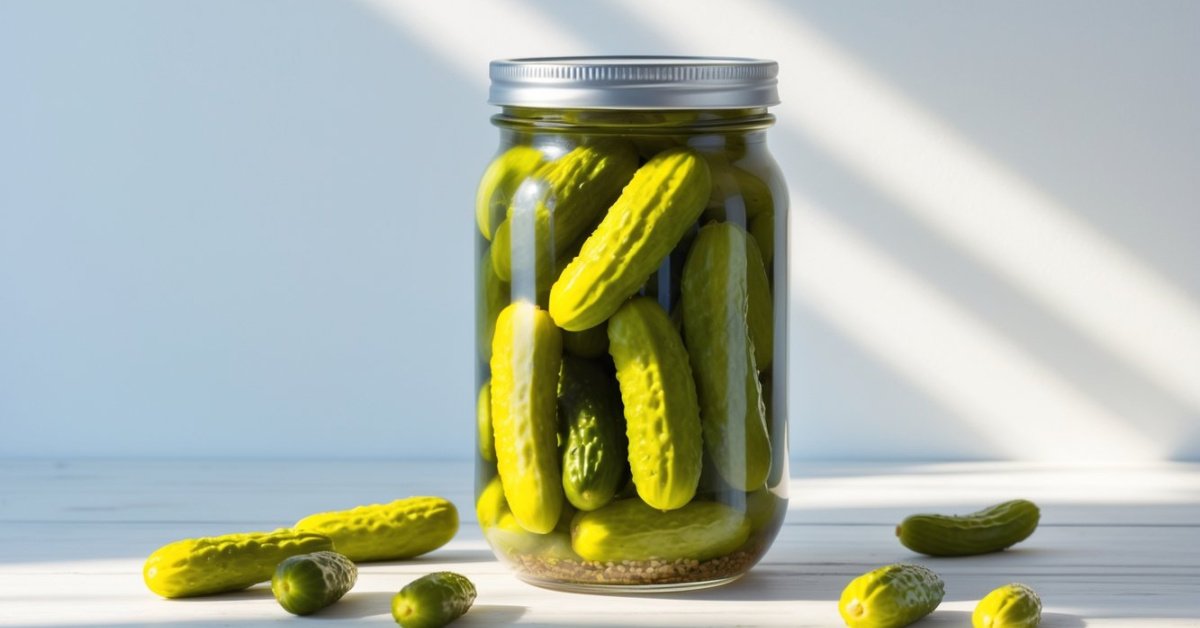
I love the satisfying crunch and tangy flavor of pickles but I know the high sodium in store-bought jars can be a real concern—especially for my heart. Cutting back on salt doesn’t mean I have to give up my favorite snack. With a few simple tweaks I can enjoy homemade pickles that are just as tasty but much better for my health.
Making low-sodium pickles at home lets me control what goes into every jar. I get to experiment with fresh herbs and spices while making sure my heart stays happy. If you’re looking for ways to enjoy pickles without all the salt you’re in the right place.
The Importance of Low-Sodium Diets for Heart Health
Sodium intake directly affects heart function and blood pressure. High sodium creates fluid retention, which raises blood pressure and increases the risk of heart disease, according to the American Heart Association. Pickles, especially commercial varieties, contain over 1,000 mg sodium per serving—about 40% of the recommended daily maximum for adults.
Lowering sodium preserves heart health and limits the chance of hypertension. I see many gardeners and home preservers looking for pickle recipes that keep flavor while reducing salt content. Many people create low-sodium pickles to support existing heart conditions or just want to eat mindfully. Choosing mineral-rich vinegars, robust herbs like dill and garlic, and home-grown produce allows picklers to create options that support cardiovascular wellness.
Substituting lower-sodium pickling solutions for traditional brines makes it easier to enjoy homemade pickles without the worry. Using taste enhancers like fresh chiles, mustard seeds, and homegrown coriander ensures flavor depth. When I develop recipes, I draw from my gardening and fermenting experience to highlight ingredients that act as natural sodium alternatives. This approach keeps pickling accessible and sustainable while directly supporting heart health.
Understanding Pickles and Sodium Content
Pickles offer bold flavor and crunch, but traditional recipes add large amounts of salt. I control both taste and sodium by choosing different pickling methods and ingredients.
Traditional Pickling Methods and Sodium Levels
Fermentation and quick-pickling remain the two main methods I use for making pickles. Fermented pickles, like classic dill cucumber pickles and sauerkraut, use salt brine to encourage beneficial bacteria growth. Standard ratios often include 2-5 tablespoons of salt per quart of water, which results in products containing over 1,000 mg sodium per serving. Quick-pickled vegetables, such as radishes or carrots in vinegar brine, also rely on 1-2 tablespoons of salt per quart, though direct consumption usually leads to even higher sodium levels.
Health Risks of High-Sodium Pickles
High-sodium pickles significantly increase cardiovascular strain. Excess salt contributed to elevated blood pressure and fluid retention, as reported by the CDC and American Heart Association. Repeated exposure to high-sodium foods, like traditional pickles, increases long-term risk of hypertension, stroke, and heart failure. Reducing sodium in everyday fermented and quick-pickled recipes directly supports lower blood pressure and promotes heart health.
Benefits of Low-Sodium Pickle Recipes
Low-sodium pickle recipes support heart health by reducing overall dietary sodium. I limit added salt in my brine to keep sodium per serving well below 300 mg, instead of the 1,000 mg typical in commercial jars. I rely on vinegar, garden-fresh garlic, dill, and mustard seeds, which deliver sharpness and aromatic complexity without elevating blood pressure, according to the American Heart Association.
Low sodium pickles offer more options for daily eating. I can snack on my homemade pickles, add them to salads, or serve them alongside whole grains and proteins without the salty aftertaste or water retention. Less salt lets other flavors—like fresh chiles, peppercorns, or lemon zest—shine through.
Low-sodium pickling promotes self-sustainability. I draw on the herbs and produce I grow, keeping control of every ingredient. That reduces dependence on store-bought foods and added preservatives. Homemade recipes also offer flexibility to meet dietary needs for those managing cardiovascular risks or kidney health.
Low-sodium mixes extend the versatility of pickling. People on sodium-restricted diets can still experience the variety in pickled cucumbers, carrots, beets, and beans—the best examples from my own garden harvests—while supporting long-term wellness goals.
Essential Tips for Making Low-Sodium Pickles at Home
Making low-sodium pickles at home lets me enjoy bold flavors while supporting heart health. I focus on careful ingredient selection and creative flavor strategies to get the best results every time.
Selecting the Right Ingredients
I use fresh, firm cucumbers or garden vegetables like carrots and green beans to ensure crisp texture. I pick vinegars with 5% acidity, such as white, apple cider, or rice vinegar for safe pickling and a sharper flavor base. I avoid non-iodized table salt, using small amounts of kosher or pickling salt only if necessary, since these dissolve cleanly and lack additives. My homegrown garlic, dill, and mustard seeds add robust, mineral-rich undertones that make low-sodium pickles pop.
Alternative Flavoring Options
I replace salt’s savor with aromatic herbs and spices for satisfying low-sodium pickles. I use fresh dill heads, whole peppercorns, horseradish root, and bay leaves for nuanced layers in each jar. I blend in citrus peels or thin-sliced chiles for tang and heat, which heighten brine complexity. I sometimes stir in a pinch of celery seed or fennel for depth without increasing sodium. Using garden produce ensures my pickles stay vibrant while supporting the self-sustainable kitchen I value.
Top Low-Sodium Pickle Recipes for Heart Health
I’ve spent years refining recipes that keep sodium low while delivering bold pickle flavors. Each recipe here uses ingredients from my garden and avoids unnecessary salt, letting the natural taste of fresh produce and herbs shine.
Classic Cucumber Low-Sodium Pickles
I slice firm cucumbers and pack them in glass jars with 1 cup white vinegar (5% acidity), 1 cup water, 1 teaspoon kosher salt, 4 garlic cloves, 2 teaspoons mustard seeds, 10 sprigs of dill, and 1 teaspoon black peppercorns per quart. I pour the hot brine over the cucumbers and refrigerate for 48 hours. This process keeps sodium per serving under 180 mg and preserves crunch. Sliced fresh garlic and dill boost flavor without over-relying on salt.
Pickled Beets with Minimal Salt
I roast and peel four medium garden beets before slicing them into rounds. I mix 1 cup apple cider vinegar, 1 cup water, 1 teaspoon kosher salt, 1 tablespoon honey, 5 peppercorns, and 3 whole cloves, then simmer and pour hot over the beets packed in jars. After chilling for 24 hours, these vibrant, earthy pickles contain about 150 mg sodium per serving. Cloves and honey add warmth and a balanced tang.
Spicy Carrot and Cauliflower Pickles
I chop 3 carrots and 2 cups cauliflower florets, then layer them in jars with 2 sliced garlic cloves, 1 sliced jalapeño, and 1 teaspoon coriander seeds. I heat 1 cup white vinegar, 1 cup water, and 1 teaspoon kosher salt, pouring it over the vegetables. After sealing and chilling, they’re ready in 48 hours. Each serving stays under 200 mg sodium, with garden chiles providing bright heat and acidity.
Quick Apple Cider Vinegar Pickles
I slice cucumbers or radishes thinly, then mix 3/4 cup apple cider vinegar, 1/2 cup water, 1/2 teaspoon kosher salt, 1 tablespoon maple syrup, and 1 teaspoon peppercorns. After a quick 10-minute simmer, I pour the brine over the vegetables in jars and refrigerate for 1 hour. These pickles use just 120 mg sodium per serving, preserving fresh, tart crunch with gentle sweetness. I often grab these for fast, fresh flavor at any meal.
Storing and Serving Low-Sodium Pickles
Proper storage preserves the crispness and flavor of low-sodium pickles. I use clean glass jars with tight lids, ensuring they’ve been sterilized before filling. For short-term storage, I keep refrigerator pickles chilled for up to 4 weeks, keeping them submerged in brine for the best taste and safety. I label my jars with the date and key herbs used. Fermented low-sodium pickles go in the fridge after reaching peak tang—in my experience, this takes 5–7 days at room temperature for most sliced cucumbers.
Serving low-sodium pickles boosts the appeal of simple dishes. I add thick-cut cucumber pickles to grain bowls and serve beet pickles with roasted protein. For gatherings, I set out small bowls of spicy carrot and cauliflower pickles as heart-healthy appetizers. Chopped pickles mix well into egg salad or Greek yogurt dip.
Texture and freshness depend on serving practices. I use extra-long tongs or clean spoons to remove pickles from jars—this prevents brine contamination and keeps them crisp. I remind others not to return uneaten pickles or used utensils to the jar, since these release bacteria that cloud brine and soften vegetables.
Presented creatively, low-sodium pickles add color and vibrancy to any plate. I garnish open-faced sandwiches with fresh herb sprigs or citrus slices from the jars, letting garden flavors shine alongside home-pickled vegetables.
Conclusion
Making my own low-sodium pickles has completely changed the way I enjoy this classic snack. I love knowing exactly what’s in each jar and being able to create unique flavors that fit my personal taste and health goals.
If you’re looking to cut back on sodium without giving up the tangy crunch of pickles, homemade recipes are the way to go. With a little creativity and fresh ingredients, you can savor every bite and support your heart at the same time. Happy pickling!


