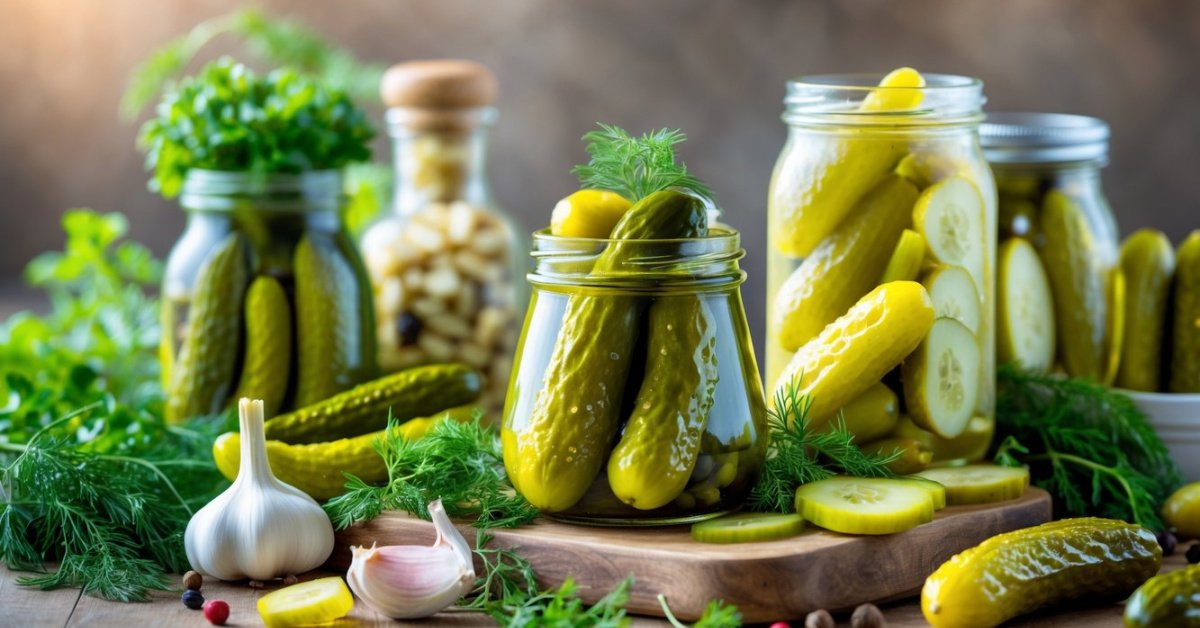
I’ve always loved the tangy crunch of a good pickle but I never guessed those little jars could be doing more than just spicing up my lunch. Turns out pickles might have a bigger impact on my health than I realized especially when it comes to my gut.
Lately I’ve noticed more buzz about the connection between fermented foods like pickles and the gut microbiome. Scientists are diving into how these zesty snacks could help balance the trillions of microbes living in my digestive system. It’s fascinating to see how something so simple could play a role in my overall well-being.
Understanding the Gut Microbiome
Exploring the gut microbiome, I see it as a complex ecosystem packed with trillions of bacteria, fungi, and other microbes. Every person’s gut microbiome has unique strains and balances shaped by diet, environment, and lifestyle. Many strains like Lactobacillus and Bifidobacterium help break down food, support digestion, and produce essential nutrients.
Research links a thriving gut microbiome with stronger immunity, better digestion, and lower inflammation. Studies in Science and Nature show that diets rich in diverse, fiber-filled, and fermented foods—cabbage sauerkraut, cucumber pickles, kimchi—boost beneficial strains and microbial variety.
Identifying daily habits matters for gut microbe health, if gut balance shifts due to poor diet or antibiotics, negative changes to digestion, energy, and even mood can result. Cultivating a robust gut ecosystem starts with every batch of home-preserved vegetables, each brine brimming with more than just flavor.
Connecting pickles and fermentation to gut health runs deep in tradition and science. I combine time-tested pickling methods with my gardening to foster the types of bacteria and processes my gut benefits from daily.
The Role of Fermented Foods in Gut Health
Fermented foods like pickles deliver living microbes straight to the gut. I see these foods as an easy, self-sustaining way to diversify and strengthen the microbiome.
What Makes Pickles Unique?
Pickles that ferment in brine develop live cultures, unlike those preserved in vinegar. I use saltwater brines to create the perfect environment for lactic acid bacteria like Lactobacillus to thrive. These microbes convert sugars in cucumbers, carrots, or radishes (examples of vegetables I pickle) into lactic acid, giving pickles their tang while preserving crunch. Live-fermented pickles supply beneficial bacteria and short-chain fatty acids that support digestion, according to “Frontiers in Microbiology” (2022).
Types of Pickles and Their Fermentation Processes
- Lactic Acid Fermentation: I prepare traditional pickles (such as kosher dills and sauerkraut) by submerging vegetables in saltwater. In 5-14 days, lactic acid bacteria outcompete harmful microbes, acidify the brine, and create probiotic-rich pickles.
- Vinegar Pickling: I make quick pickles (like bread-and-butter slices) using hot vinegar, sugar, and spices. These pickles taste tangy but contain no live probiotics because the acidic environment and heat eliminate beneficial microbes.
- Asian Fermented Pickles: I ferment kimchi and tsukemono using salted vegetables plus seasonings such as garlic, ginger, or miso. These methods encourage distinct probiotic populations, often including Leuconostoc and Weissella strains.
Live-fermented pickles—unpasteurized and refrigerated—deliver the most microbial diversity, while shelf-stable pickles preserved in vinegar or pasteurized form don’t support the gut microbiome the same way.
Pickles and Gut Microbiome: Latest Research
Recent studies connect fermented pickles with changes in the gut microbiome, showing how brined vegetables shape digestive health in unique ways. When I ferment vegetables using age-old pickling methods, I create more than just flavor; I foster beneficial bacteria that modern research is only beginning to fully appreciate.
Key Study Findings on Pickles and Microbiota
Research from the Stanford Medicine group in 2021 tracked adults who ate fermented pickles for 10 weeks. These participants saw microbiome diversity increase by up to 26%, which means more types of good bacteria thrived (Reference: Wastyk et al., Cell, 2021). Studies by the American Society for Microbiology documented that traditional pickles often carry strains like Lactobacillus plantarum and Leuconostoc mesenteroides—similar to those in yogurt and kimchi. I’ve also seen analyses showing that brine-fermented pickles host species that help other microbes grow, creating a supportive network inside the gut after just a few weeks of regular consumption.
Health Benefits Linked to Pickle Consumption
Regular enjoyment of fermented pickles brings science-backed advantages. Data from the National Institutes of Health highlight reduced levels of inflammation and improved immune markers in fermented food eaters. My pickling enhances lactic acid bacteria, which studies link to better digestion and even lower anxiety levels thanks to gut-brain signaling (Harvard T.H. Chan School of Public Health, 2022). Multiple clinical reviews indicate that those eating live-fermented pickles report fewer digestive problems, like bloating after meals, than those who stick to vinegar-cured or pasteurized brands. People in my community often experience steadier energy levels after adding homemade brined pickles to their daily meals.
Potential Risks and Considerations
Only raw, unpasteurized pickles deliver live microbes, so most jarred or shelf-stable versions don’t create microbiome changes. I recommend checking labels for “refrigerated” or “raw” to guarantee live cultures. Fermented pickles contain around 400–800 mg sodium per spear, which can affect blood pressure if someone’s medically sensitive. Academic journals, like Frontiers in Nutrition, advise that anyone with immune disorders or those who must avoid salt seek tailored guidance. I urge new picklers to use clean equipment, high-quality brine, and fresh produce so only desired microbes thrive in your homemade jars.
Practical Tips for Including Pickles in Your Diet
- Choose live-fermented varieties
I always reach for raw, unpasteurized pickles that stay refrigerated, like traditional cucumber pickles, kimchi, and sauerkraut. These kinds deliver live microbes. If the label says “raw” or “contains live cultures”, it’s almost always the real thing.
- Start small and go slow
I add 1–2 forkfuls of fermented pickles to one meal daily, like sandwiches, salads, or grain bowls. Smaller servings, about 30–50 grams at first, help prevent digestive surprise as your microbiome adapts.
- Pair with fiber-rich foods
I combine pickles with whole grains, leafy greens, or legumes. This pairing supports beneficial gut bacteria, since both prebiotics (fiber) and probiotics (live cultures) work together to strengthen microbial diversity.
- Incorporate global fermented pickles
I include Japanese tsukemono with rice, Korean kimchi with eggs, and Latin-American curtido with tacos. Using various pickled veggies, like radishes and carrots, broadens both nutrient and microbe intake.
- Make pickling part of meal routines
I use pickles as a tangy topping for burgers, a snack with hummus, or a side for soups. Regular inclusion keeps your gut supplied with fresh cultures.
- Experiment with homemade pickling
I ferment cucumbers, beets, and cabbage from my garden, following safe brine ratios: usually 2–3% salt by weight. Clean glass jars and pure water ensure the right bacteria thrive. My pickling routine lets me control flavor and source.
- Check salt and ingredient quality
I favor sea salt or kosher salt with no additives. Fresh garlic and organic herbs from my own beds support flavor and promote microbial health.
- Store properly for live cultures
I keep fermented pickles in the fridge between 35°F and 40°F. This preserves active cultures. I avoid shelf-stable, pasteurized varieties, since heat kills beneficial microbes.
- Stay aware of sodium intake
I monitor sodium levels if I’m eating several servings per day, especially with brined pickles. For sensitive systems, rinsing pickles briefly can lower salt, but also reduces flavor.
- Consult health professionals if needed
I recommend a gut health consult before adding fermented pickles if you have digestive disorders, are immunocompromised, or follow a low-sodium protocol. Personalized guidance makes fermenting safer and more enjoyable.
Conclusion
Exploring the world of pickles has opened my eyes to the fascinating connection between what I eat and how my gut feels. I love knowing that something as simple as a crunchy, tangy pickle can support a thriving community of microbes inside me.
As I continue to experiment with different fermented pickles and share them with friends and family, I’m reminded that caring for my gut can be both delicious and fun. Here’s to more brine-filled jars and happy microbes on my plate!