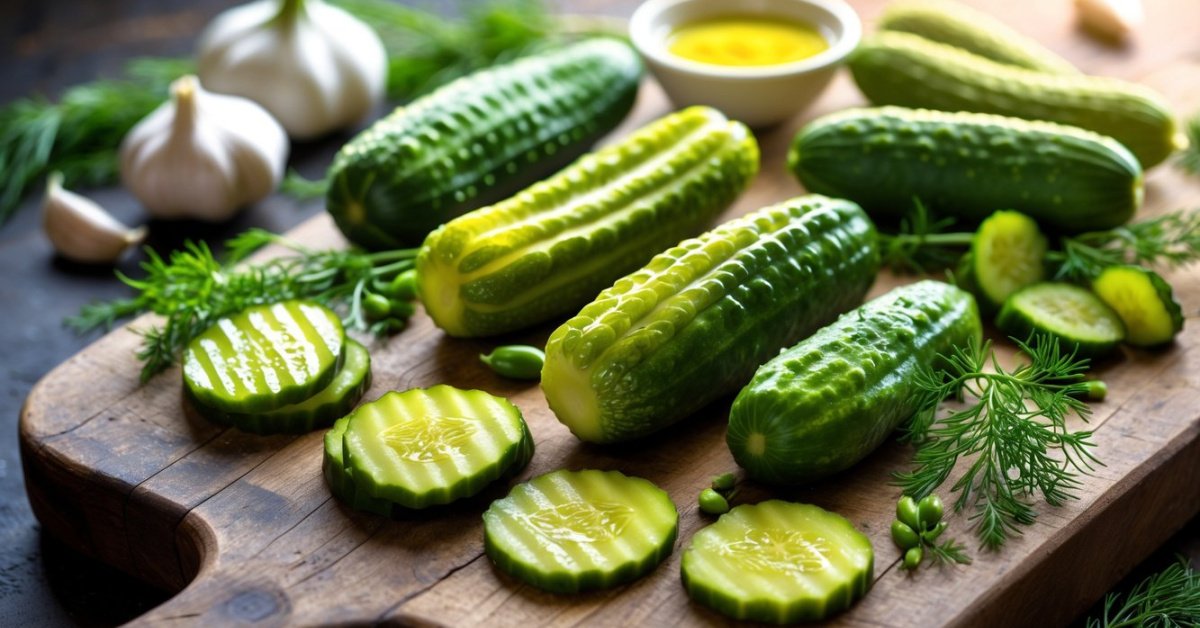
When I think about Southern kitchens, pickled okra always comes to mind. There’s something irresistible about those crisp, tangy pods lining the shelves of a pantry, promising a burst of flavor with every bite. Whether I’m snacking straight from the jar or adding a pop of zest to a salad, pickled okra never fails to bring a little Southern charm to my table.
Making pickled okra at home is easier than it sounds, and the results are so much better than anything store-bought. I love how a simple mix of spices and vinegar can transform humble okra into a crunchy treat that’s perfect for sharing with friends or enjoying all by myself. If you’re curious about this Southern staple, you’re in for a real treat.
The Charm of Pickled Okra: A Southern Classic Recipe
Pickled okra captures essential Southern flavors with its blend of tartness and crunch. I find that okra pods, harvested young from the garden, keep their tender snap even after brining, adding a lively bite to any dish. Brined with vinegar, garlic, fresh dill, and classic pickling spices, every jar releases fragrant notes that signal a homemade touch.
Okra’s structure helps it stand out compared to other pickled vegetables like cucumbers or green beans. Slender pods pack easily into jars, lining up neatly and allowing brine to surround each one for even pickling. That’s how every nibble becomes consistent and flavorful.
I enjoy that pickled okra serves many roles. I’ve placed spears on relish trays, added them to Bloody Mary cocktails, or enjoyed them simply as a tangy snack straight from the jar. Their slight heat, depending on how many peppers I add, offers a balanced kick that pairs well with creamier cheeses or salty cured meats on southern-style appetizer platters.
Pickling sustains more than okra’s flavor; it extends the life of summer harvests. My spring garden’s bounty fills my pantry shelves for months. This sustainable approach keeps me connected to the land and my heritage. When I open a jar in winter, each bite tastes of homegrown self-reliance and centuries-old tradition.
Key Ingredients And Supplies
Great pickled okra starts with quality ingredients and the right supplies. I rely on the freshest produce from my garden and tried-and-true pickling basics for the best flavor and texture.
Choosing Fresh Okra
Perfect pickled okra uses small, tender pods. I pick pods around 3-4 inches long since they stay crisp and lack stringiness. Vibrant green color and firm skin signal freshness. I avoid pods with blemishes or soft spots, which turn mushy during pickling. Fresh-picked okra from my home garden gives the crunchiest results.
Essential Spices And Vinegars
Balanced pickled okra relies on classic pickling blends. I use distilled white vinegar or apple cider vinegar for a sharp, reliable tang. Kosher or pickling salt ensures bold flavor without clouding the brine. My spice base includes garlic cloves, mustard seeds, dill seed, and black peppercorns. I add fresh dill sprigs, red pepper flakes, or sliced jalapeños for heat.
| Ingredient/Spice | Purpose | Example Amount (per quart jar) |
|---|---|---|
| Fresh okra pods | Main vegetable | 12-16 pods |
| Distilled vinegar | Brine acidifier | 1 cup |
| Water | Brine diluent | 1 cup |
| Kosher/pickling salt | Flavor, preservation | 1 tbsp |
| Garlic cloves | Aromatic | 2 cloves |
| Mustard seeds | Spice | 1 tsp |
| Dill seed/sprigs | Herb | 1 tsp seeds or 1 sprig |
| Black peppercorns | Spice | ½ tsp |
| Red pepper flakes | Heat (optional) | ¼ tsp |
| Jalapeño slices | Heat (optional) | 2-4 slices |
Step-By-Step Guide To Making Pickled Okra
I approach pickled okra as both a Southern staple and a favorite from my own pantry. Every part of the process supports crisp texture and vibrant flavor—details that matter most when sharing a classic jar with friends or tucking it away for winter.
Preparing And Packing The Jars
I always sterilize glass quart jars in boiling water for 10 minutes. New, tight-fitting lids and bands help keep each seal safe. Once the jars are clean, I trim okra pods at the stem, leaving about 1/4 inch attached. I sort pods by length, using the shortest for the sides and the longest for the center, which packs the jar efficiently. Peeling garlic and measuring mustard seeds, dill sprigs, and additional spice options—like one or two jalapeño slices or a pinch of red pepper flakes—comes next.
I place garlic, dill, and spices in each jar’s bottom. Packing each jar upright and tightly with okra pods, I alternate stem directions to fit as many as possible, maximizing surface area for even pickling.
Brining And Canning Process
I combine distilled white vinegar, water, and kosher salt in a nonreactive pot, bringing the mixture to a rolling boil until the salt dissolves. I pour the hot brine directly into each jar, covering the okra by at least 1/2 inch but leaving 1/2 inch headspace at the top.
I wipe the jar rims with a clean, damp cloth before securing lids and bands. For shelf-stable storage, I process the jars in a boiling-water bath for 10 minutes, ensuring water covers the jars by at least one inch. When making a quick refrigerator batch, I skip the canner and cool jars before moving them to the fridge. Whether water-bath processed or refrigerated, I wait about seven days before opening a jar, since that timing unlocks the best tang and crunch from each pod.
Flavor Profile And Serving Suggestions
Pickled okra delivers a crisp bite, bright acidity, and layered flavor notes that I find irresistible. This classic Southern staple easily finds its place on any table, offering versatility from snacks to garnishes.
Taste And Texture Expectations
Pickled okra tastes tangy and slightly salty, with hints of garlic, dill, and the subtle grassy flavor of the okra itself. Brined pods remain crunchy instead of slimy, especially when I choose smaller 3–4 inch pods. The addition of red pepper flakes or jalapeño brings gentle heat in some jars. Each bite combines a pop of acidity from vinegar, aromatic spice, and the fresh, green snap that signals properly pickled okra.
Creative Ways To Enjoy Pickled Okra
I use pickled okra in multiple ways to maximize its versatility:
- Charcuterie Boards: Pair pickled okra with cheeses, smoked meats, and crackers for contrast and visual appeal.
- Bloody Mary Garnishes: Add whole pods to cocktails, alongside olives and celery, for extra texture and flavor.
- Relish Trays: Serve with traditional Southern appetizers such as deviled eggs and pickled onions for a crowd-pleaser.
- Salad Toppers: Slice pods and scatter over mixed greens, grain bowls, or potato salad for a zesty kick.
- Everyday Snacks: Eat straight from the jar, using smaller jars for grab-and-go lunches or lunchboxes.
- Sandwich Extras: Layer in po’ boys, burgers, or wraps for added crunch and interest.
Pickled okra consistently elevates both familiar dishes and creative new meals in my self-sufficient kitchen.
Tips For Storing And Preserving Pickled Okra
Store pickled okra in sterilized glass jars with tight-fitting lids, as glass prevents chemical reactions and odors that can occur with metal or plastic. Place jars in a cool, dark pantry if processed using a water bath canner and the lids are vacuum-sealed; safe storage keeps pickled okra shelf-stable for up to 12 months according to USDA guidelines.
Refrigerate refrigerator pickles immediately if skipping the canning process, because these small batches remain crisp and tangy for four to six weeks under cold storage.
Label each jar with the packing date and batch details, since detailed records prevent confusion and help monitor quality over time. Rotate your pickled okra stock, using older jars first, to ensure none exceed the ideal storage period.
Inspect jars before opening, because any bulging lids, strange odors, or cloudy brine signal spoilage. Discard any suspect preserves without tasting, as food safety always comes first.
Keep opened jars refrigerated and use the contents within 2 weeks, since fresh open exposure reduces shelf life and texture. Store upright to keep okra submerged in brine and preserve crispness.
Monitor humidity and temperature in your pantry or cellar, since excess moisture or heat can shorten shelf life and affect flavor. My pickling shelves never exceed 75°F (24°C) and stay dry, which consistently results in crisp, bright pickled okra all year.
Share your pickled okra with friends in small jars or as gifts, and always encourage others to refrigerate opened jars and finish them quickly for best quality.
Conclusion
Pickled okra holds a special place in my kitchen and my heart. There’s something so satisfying about opening a jar and savoring those crisp pods that I made myself. Whether I’m sharing with friends or enjoying a tangy snack on my own I always feel connected to the traditions that inspired this Southern classic.
If you haven’t tried making your own pickled okra yet I hope you’ll give it a shot. It’s a simple way to preserve the flavors of summer and add a bit of Southern charm to your table all year long.