Whenever I’m planning a get-together, I love finding appetizers that surprise my guests and get everyone talking. That’s why I can’t resist making pickle and smoked salmon canapés. There’s something special about the way the tangy crunch of pickles pairs with the rich flavor of smoked salmon—it’s a combo that always disappears fast.
These little bites are quick to assemble but look and taste like I spent hours in the kitchen. They bring a burst of color and flavor to any table, making them perfect for everything from casual brunches to fancy celebrations. If you’re looking for an easy way to impress, you’ll want to give these canapés a try.
Overview of Pickle and Smoked Salmon Canapés
I craft pickle and smoked salmon canapés by layering homemade pickles and smoked salmon on crisp bases. Both pickles and salmon provide strong flavors and visual appeal. Pickles—like brined cucumbers, sweet gherkins, or tangy pickled red onions—bring acidity and crunch that complement the buttery texture and smoky flavor of cured salmon slices.
I use vegetables grown in my own garden for pickling, which lets me control the salt, vinegar, and spice levels. This direct garden-to-table approach creates a freshness commercial jars can’t match. Combining self-sustained pickles with quality smoked fish produces appetizers with distinct, vibrant flavors.
I prepare canapés by arranging thin pickle slices and strips of smoked salmon on small toasted bread, crackers, or cucumber rounds. For extra depth, I sometimes add a light spread—crème fraîche or herbed cream cheese work well. Each bite delivers a sharp, bright profile from pickles and an umami richness from the salmon.
Pickle and smoked salmon canapés offer both versatility and elegance. I serve these appetizers at seasonal gatherings, knowing gardeners and food enthusiasts alike appreciate seeing fresh, homemade pickles used in creative ways.
Key Ingredients and Flavor Profile
Pickle and smoked salmon canapés rely on a synergy of bold, fresh flavors. Each ingredient builds distinct layers, resulting in a bright, satisfying bite that highlights my passion for pickling and homegrown food.
Role of Pickles in the Canapé
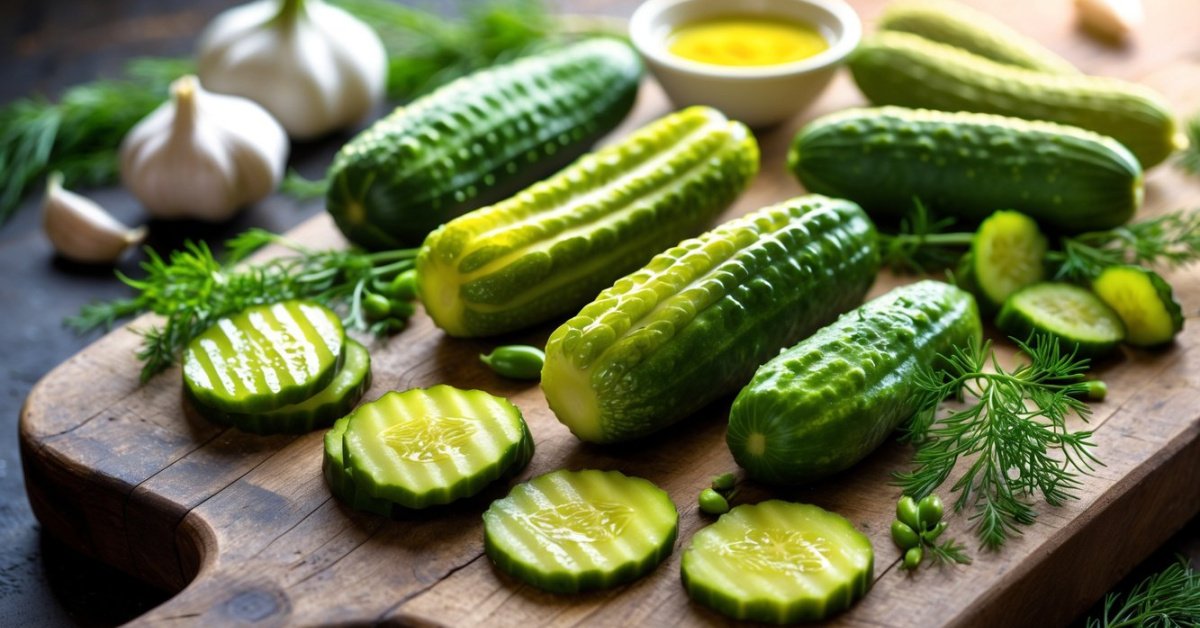
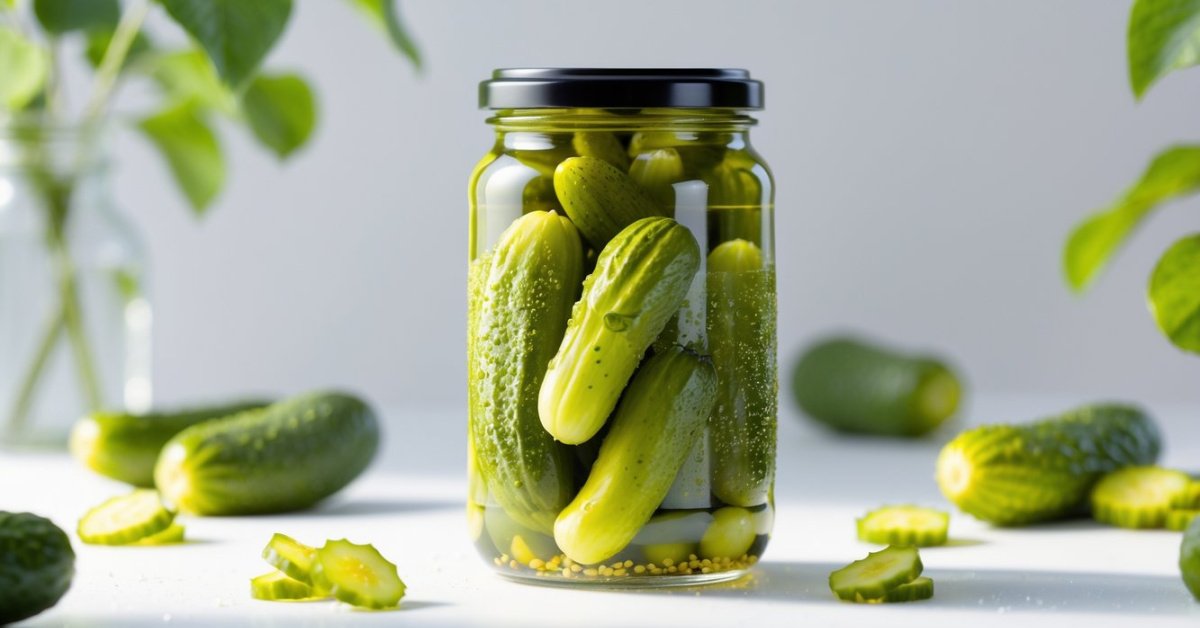
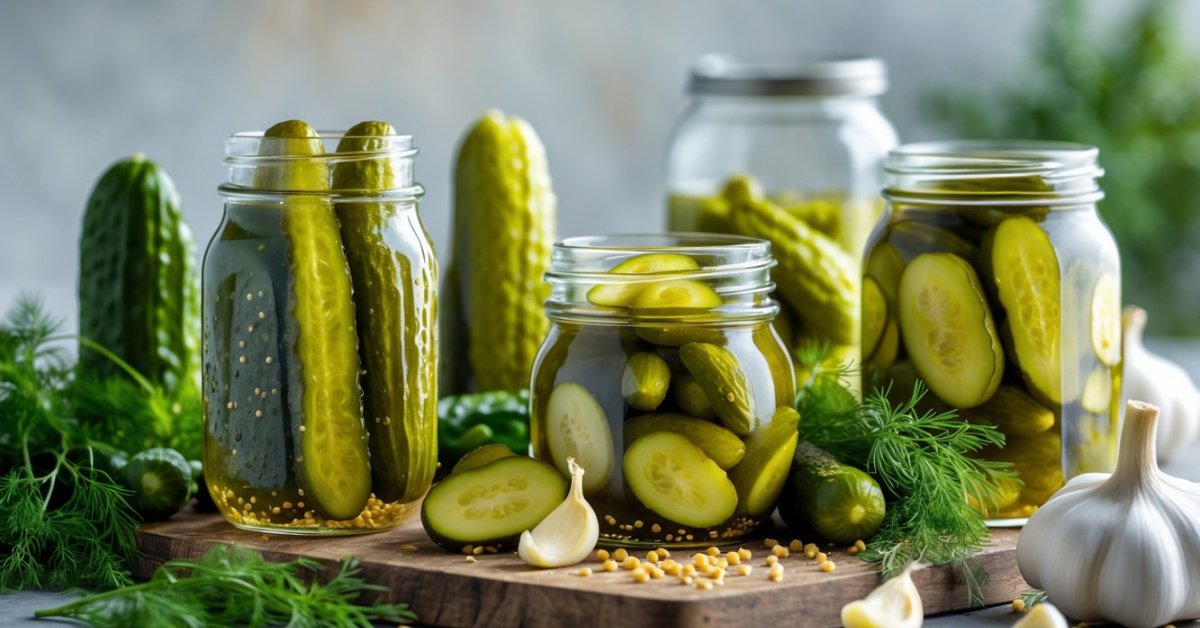
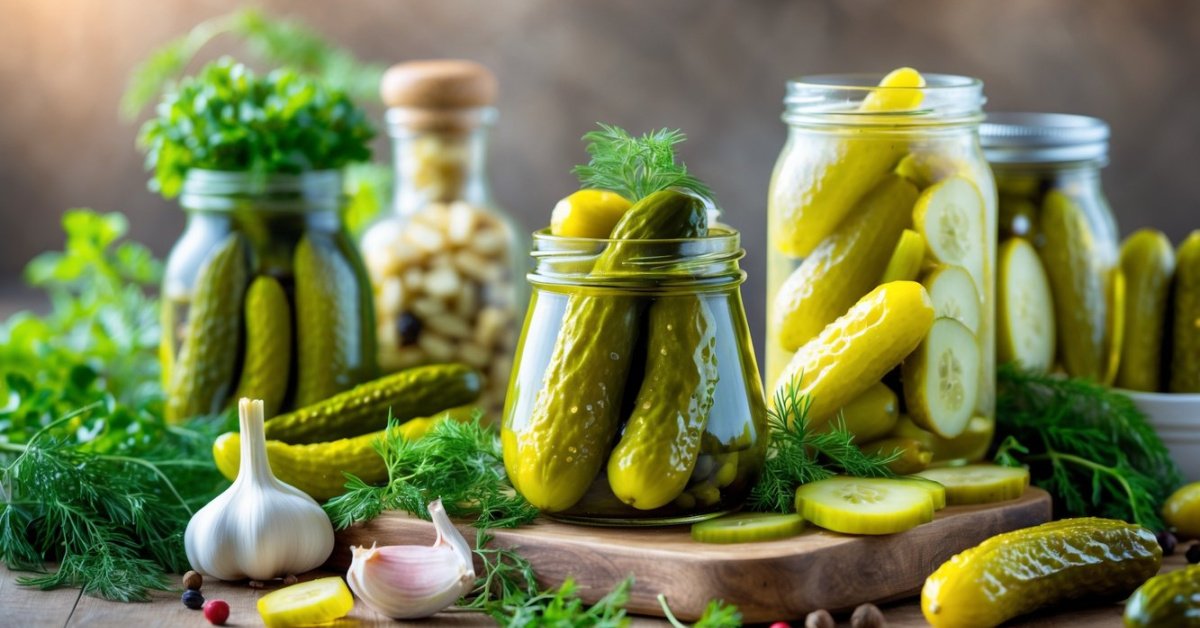
Pickles introduce acidity and crunch. Pickled cucumbers, radishes, or onions—when sliced thin—cut through the richness of smoked salmon. I always choose brines flavored with homegrown dill, garlic, and peppercorns for complexity. Quick pickles, ready after a day in mild vinegar brine, hold vibrant color and snap. Each batch I make reflects seasonal vegetables from my garden, reinforcing a sustainable kitchen. Homemade pickles surpass commercial varieties by being fresher, customizable, and more vibrant—key for canapés with balanced flavors.
Choosing the Right Smoked Salmon
Smoked salmon brings protein and umami. I favor cold-smoked salmon for its silky texture and clean flavor, though hot-smoked salmon gives a flaky, robust result. Thin slices, laid over crisp bases, pair well with tangy pickles without overpowering them. For canapés, wild-caught or home-smoked salmon offers the best depth and quality. If there’s a choice, I select salmon without heavy sugars or excessive oil, maintaining clarity in each bite and showcasing the pickled vegetables’ brightness.
Preparation and Presentation
I transform garden harvests into vibrant, tangy pickles, then elevate them in smoked salmon canapés for gatherings. Crisp pickles with silken smoked salmon create contrast, and thoughtful assembly ensures every bite is fresh and striking.
Assembly Tips for Perfect Canapés
- Select sturdy, bite-sized bases
I use thinly sliced toasted baguettes, whole-grain crackers, or cucumber rounds for structure that supports both pickles and smoked salmon.
- Layer evenly for balance
I lay a thin slice of my homemade pickle on each base, then gently drape a ribbon of cold-smoked salmon atop for even flavor distribution.
- Add a fine spread for cohesion
I sometimes swipe a light layer of herbed cream cheese or tangy crème fraîche between the base and toppings to anchor the layers and introduce extra creaminess.
- Assemble close to serving time
I combine components just before serving, so homemade pickles stay crisp and bread bases don’t become soggy.
Plating and Garnishing Ideas
- Arrange with contrast for visual appeal
I place alternating rows of canapés and garnish with fresh dill sprigs, microgreens, or chive batons for a vibrant, garden-inspired look.
- Include accents for brightness
I zest fresh lemon over the platter or add pink peppercorns to highlight the flavors and connect with the quick-pickled vegetables.
- Present on chilled surfaces
I prefer serving the canapés on a chilled ceramic platter or slate, keeping both pickles and salmon cool and fresh through the event.
Taste and Texture Experience
Layering home-pickled vegetables with smoked salmon on crisp bases creates a sensory balance that stands out among canapés. My tangy pickles, whether crunchy Kirby cucumbers or tangy garden turnips, provide a bright, assertive acidity in each bite. Slices stay firm after brining, so they retain bite, avoiding sogginess that dulls the eating experience.
Pairing with cold-smoked salmon introduces a luscious, silky texture that contrasts and harmonizes with the bracing snap of pickled vegetables. I always notice the subtle smoke and delicate salt from salmon enhance the vegetal notes in pickles without overwhelming them.
Spreads like my homemade dill crème fraîche or herbed cheese add another dimension. Creaminess gently links the bold flavors of pickle and salmon, rounding out each mouthful. On bases such as toasted baguette or crunchy rye crispbreads, I find the textures become even more memorable: bread gives a satisfying chew, crackers supply extra crunch, and cucumber slices offer crisp freshness.
Fresh herbs from my garden—dill, chives, or tarragon—finish the canapés with aromatics and a pop of color, accentuating both visual and flavor contrast. Serving these cold lets each note remain vivid: the lively brine, rich fish, and snappy base all come through distinctly.
I achieve these results when pickling at home by adjusting acidity, brine time, and vegetable thickness, which lets me fine-tune pickle sharpness and texture to pair perfectly with smoked salmon. Exploring different pickled vegetables—radishes for peppery warmth, carrots for sweetness, or garlic scapes for pungency—results in unique taste and mouthfeel combinations in every canapé batch.
Pairings and Serving Suggestions
Fresh pairings for pickle and smoked salmon canapés balance acidity and richness. I often serve these canapés with crisp dry white wines, like Sauvignon Blanc, or sparkling beverages, such as Prosecco, since their refreshing notes cut through the briny pickles and silky salmon. For a non-alcoholic option, I like chilled cucumber-infused water, which complements the pickles without overpowering their flavors.
Complementary platter options elevate the canapé experience. I arrange small bowls of home-pickled vegetables—carrots, radishes, and green beans—so guests can sample different brines. I include hard cheeses, like aged cheddar, and tangy goat cheese, for those who appreciate more dairy complexity. Thinly sliced rye bread or seeded crackers offer additional texture and support.
Scalable serving presentations create visual impact for gatherings. I display the canapés on slate boards or chilled marble slabs, lining them in neat rows for easy access. Garnishing each with sprigs of dill or parsley from my herb bed boosts aroma and garden-fresh appeal. Lemon wedges on the side let guests add a bright citrus finish.
Seasonal accompaniments highlight garden bounty. I use fresh microgreens, peppery arugula, or edible flowers to reflect my passion for self-sustainable food. For spring events, I add quick-pickled asparagus; for late summer, I favor colorful cherry tomatoes. Each element supports the tangy, vibrant flavors I love sharing from my own harvest.
Pros and Cons of Pickle and Smoked Salmon Canapés
Pros
- Distinctive Flavor Fusion
Pairing pickles—like crisp dill cucumber slices or tangy pickled radish—with smoked salmon creates bold contrasts. I taste both freshness from my garden and vibrant briny notes in every bite.
- Visual Elegance and Versatility
Home-pickled vegetables offer bright colors and crisp shapes, making every canapé presentation striking. I use rounds of pickled carrots for a pop of orange or thin slices of pickled beets for deep color.
- Nutritional Value
My pickles add probiotics and vitamins, especially when I ferment garden vegetables using natural methods. I deliver, in each canapé, both flavor and added dietary benefit.
- Customization and Seasonality
I rely on whatever’s ready in my garden—be it cucumbers, asparagus, or onions—for unique flavor blends. Freshly made pickles keep these canapés seasonal, sustainable, and aligned with what I’ve harvested.
- Quick and Efficient Preparation
Once pickled vegetables and salmon are on hand, assembling canapés takes less than 15 minutes for a standard party tray. I can easily prepare fresh batches for last-minute gatherings.
Cons
- Potential Overpowering Acidity
Strong brines, especially those with lots of vinegar or extra tart vegetables, can overpower delicate salmon. I balance ratios with milder quick pickles or add neutral spreads to moderate acidity.
- Textural Imbalance Risk
If pickles turn too soft or soggy from storage, canapés lose structural contrast. I maintain a crisp bite by using tight-sealed jars and serving my pickles within two weeks of making them.
- Ingredient Quality Necessity
Low-grade salmon—those with heavy smoke or excess salt—tend to clash with nuanced pickled flavors. I always choose high-quality, lightly smoked salmon for compatibility with my pickles.
- Short Shelf Life After Assembly
Moisture from pickles can seep into bread or crackers. As a result, I assemble and serve canapés promptly to prevent sogginess.
- Dietary Limitations
Some guests avoid smoked fish or acidic pickles. I offer a few extra cheese or fresh veggie canapés for those following low-sodium or pescatarian diets.
Conclusion
I always find that pickle and smoked salmon canapés bring a special energy to any table. There’s something about the way these little bites come together that never fails to spark conversation and delight guests.
If you’re looking for an appetizer that’s both approachable and impressive these canapés are a joy to make and serve. I hope you’ll have as much fun experimenting with flavors and garnishes as I do every time I prepare them.