Whenever I’m planning a get-together I’m always on the hunt for appetizers that surprise and delight my guests. That’s why I love introducing a twist on classic meatballs—by wrapping them in tangy pickles. It’s a combination that sounds unexpected but always gets people talking and reaching for seconds.
These pickle-wrapped meatballs bring together the savory goodness of seasoned meat with the crisp bite of a dill pickle. They’re easy to make and even easier to eat which makes them perfect for parties or casual gatherings. If you’re ready to shake up your appetizer game you’ll want to give this fun and flavorful recipe a try.
What Are Pickle-Wrapped Meatballs for Appetizers?
Pickle-wrapped meatballs for appetizers combine seasoned meatballs and whole or sliced dill pickles, creating a dish with balanced tang and savory flavors. I use homemade pickles to control salt and vinegar levels, which lets each bite highlight the crisp texture of my cucumbers. To assemble, I wrap cooked or raw meatballs—ground beef, pork, or turkey, for instance—around thick pickle spears or coins, securing the bundle with a toothpick before baking or grilling.
Each bite of pickle-wrapped meatball delivers the acidity of fermented pickles with the richness of meat. Picklers who preserve dill pickles at home find this dish a quick way to serve up garden produce from the pantry. I notice that my guests, often curious about pickling, use these appetizers as a conversation starter about growing and brining cucumbers.
Pickle-wrapped meatballs saw popularity at garden parties, DIY potlucks, and farmers’ market demonstrations. I find they fit well on charcuterie boards or as bite-sized snacks for canning workshops. When using beef or pork, for example, I select smaller pickling cucumbers to make hand-held portions easier for guests. This dish, rooted in homemade pickles, shares both food and pickling knowledge in every serving.
Key Ingredients and Flavor Profile
Pickle-wrapped meatballs highlight both the tang of high-quality pickles and the umami of seasoned meat. I draw inspiration from my gardening and pickling expertise to create balanced, bite-sized appetizers that celebrate homemade flavors.
Types of Pickles to Use
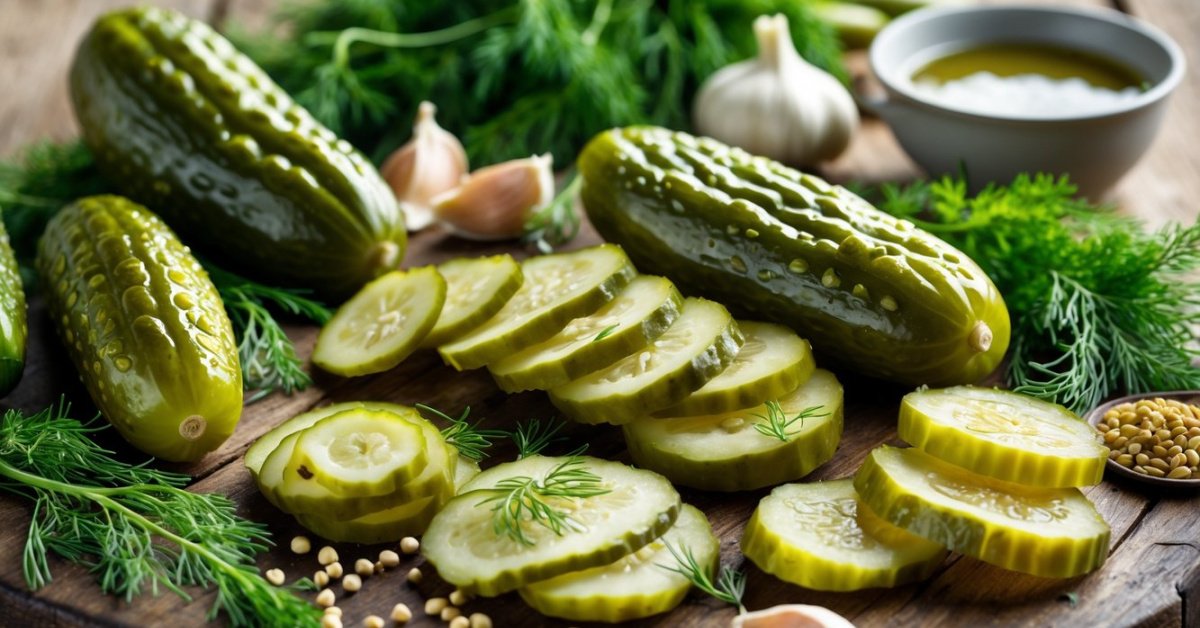
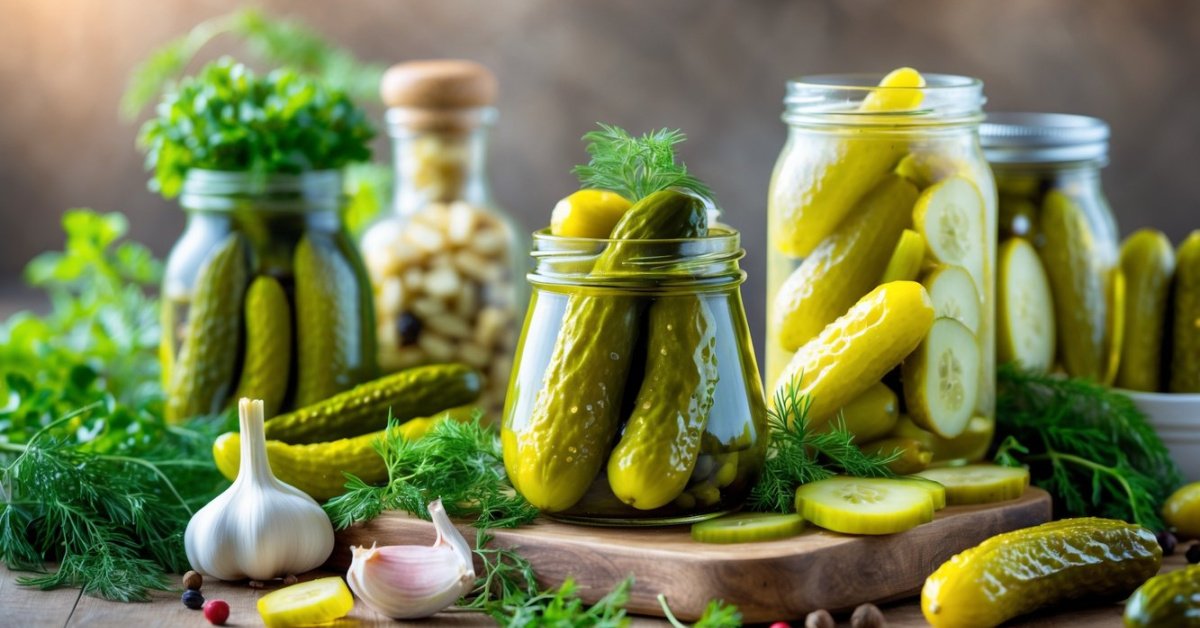
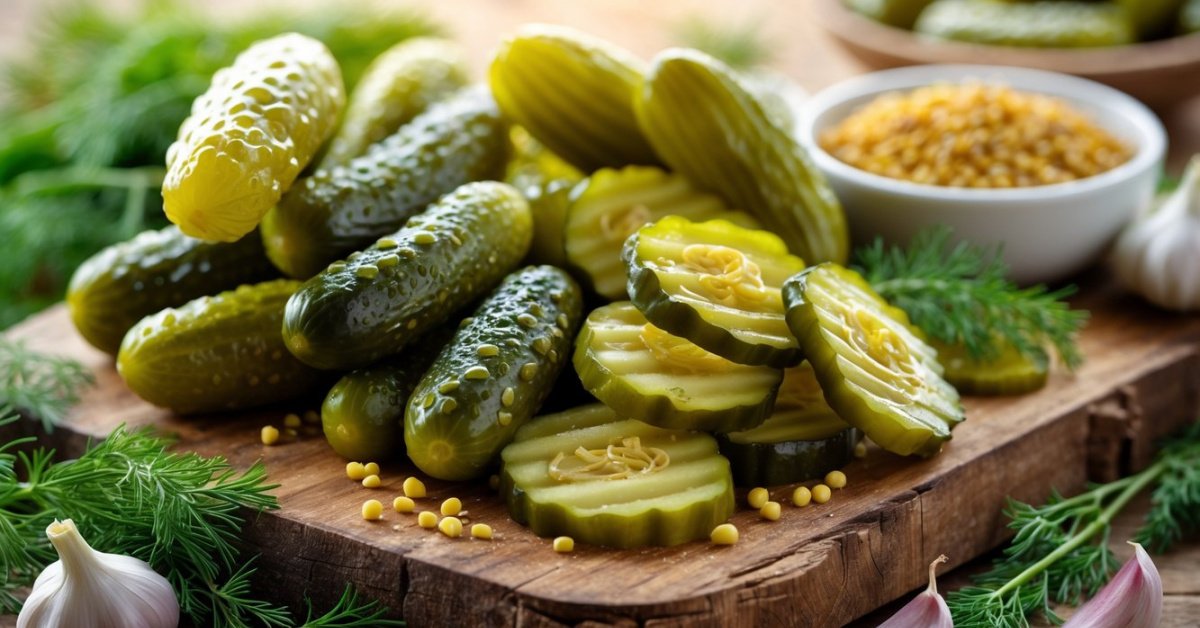
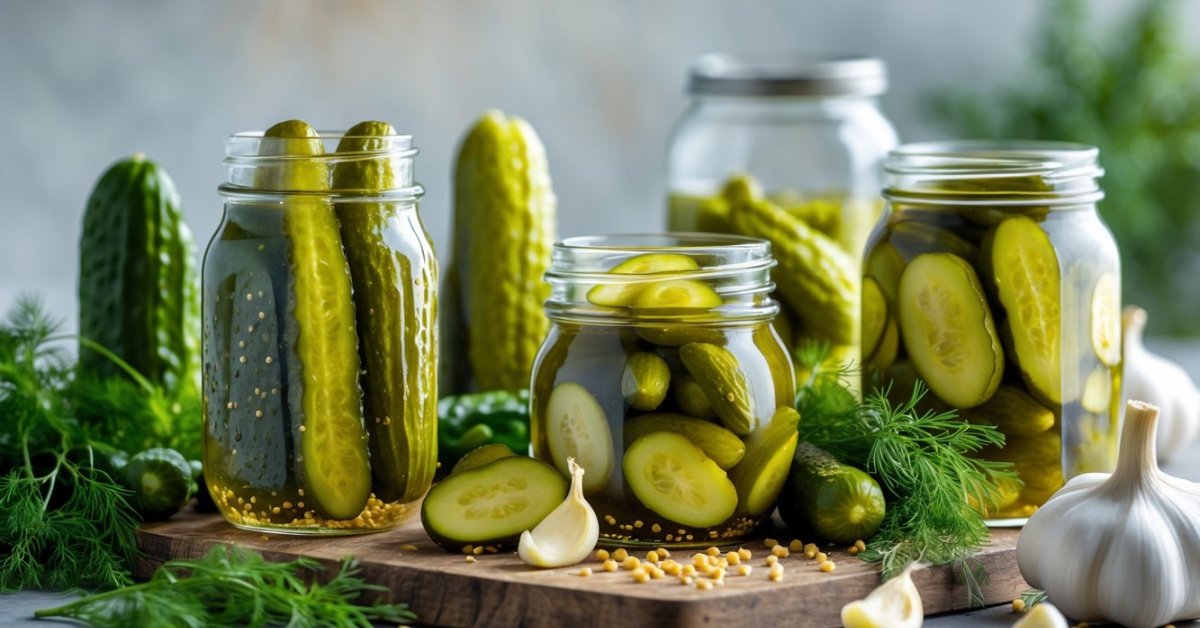
- Dill Pickles: I use classic garlic-dill spears or coins from my own fermented cucumbers for a sour, aromatic foundation. Brined for 2–3 weeks, these pickles lend the right snap and acidity.
- Spicy Pickles: I prepare jalapeño-infused batches each summer. Sliced spicy pickles intensify the appetizer, attracting fans of bold flavors.
- Bread-and-Butter Pickles: I occasionally wrap sweeter, turmeric-spiced pickles around meatballs. These appeal to guests who enjoy a mild, slightly sweet profile.
- Kosher-Style Pickles: I prefer naturally fermented kosher dills for a lactic tang with subtle garlic notes, especially with savory ground meat.
Meatball Variations
- Beef Meatballs: I blend 80/20 ground beef with homegrown herbs—parsley, dill, and garlic—yielding a juicy, savory base that complements tart cucumbers.
- Pork Meatballs: I mix ground pork with pickling spice remnants: coriander, mustard seed, and peppercorns. These infuse a gentle sweetness that pairs well with strongly brined pickles.
- Turkey or Chicken Meatballs: I combine lean ground turkey or chicken with garden-fresh scallions and celery leaf for lighter, herbaceous bites.
- Vegetarian Meatballs: I prepare chickpea or lentil balls with shredded zucchini and coriander for guests seeking plant-based options, keeping the texture robust around crisp pickle pieces.
Every ingredient in these pickle-wrapped meatballs emphasizes synergy between preserved produce and seasoned proteins, reinforcing my commitment to homegrown, sustainable food and exceptional pickling craftsmanship.
Preparation and Cooking Tips
Pickle-wrapped meatballs benefit from careful wrapping and controlled cooking to amplify both flavors and textures. My pickling experience always guides my approach to both assembly and heat.
How to Wrap Meatballs with Pickles
I always start with chilled, firm pickles—homemade garlic-dill or classic kosher varieties—since these resist breaking under pressure. I cut spears for a bold pickle core or coins for bite-sized bites. I flatten a small disc of seasoned meat mixture in my palm, lay the pickle on top, and fold the edges up to seal, ensuring no part of the pickle is exposed. I roll each meatball gently, using damp hands to minimize sticking, then secure with a toothpick for easy turning during cooking. Mini meatballs work well for platters, while jumbo versions impress on buffet spreads.
Best Cooking Methods
Oven-baking delivers even browning and maintains a crisp pickle snap when I space meatballs on a parchment-lined sheet at 400°F for 18–20 minutes. Grilling imparts a smoky layer—ideal in late-summer, garden gatherings—if I use indirect heat and rotate each meatball for consistent color. Pan-searing locks in juices, especially for smaller batches, though I avoid high heat to protect my pickles’ crunch. Internal temperature must reach 165°F for poultry or 160°F for beef or pork, per USDA guidance, to guarantee safe consumption. I rest cooked meatballs for 3–5 minutes before serving, letting flavors meld and juices redistribute.
Taste and Serving Experience
Pickle-wrapped meatballs deliver a punchy balance of salty, tangy, and savory notes in each bite. I notice guests often pause for a moment after the first taste, savoring how the pickle’s brightness cuts through the rich meat for instant palate intrigue.
Pairing Suggestions
I always match pickle-wrapped meatballs with accompaniments that celebrate pickling’s diversity:
- Dips: Creamy dill ranch, sharp grainy mustard, or spicy aioli accentuate the meatballs’ tang.
- Fresh Vegetables: Raw carrot sticks, celery, and bell peppers from my garden add crunch and extra color.
- Pickled Companions: Slices of pickled red onion, okra, or spicy beans elevate the snacking experience for pickle fans.
Pairing drinks with pickle-wrapped meatballs centers on acidity and refreshment. I offer crisp pilsners, light lagers, or tart kombucha, which I often brew myself from garden-grown herbs.
Presentation Ideas
I arrange pickle-wrapped meatballs on rustic wooden boards or stoneware platters, contrasting the glossy, caramelized exterior of the meatballs with the bright green of the pickles. I like to group them with sprigs of fresh dill, parsley, or chive blossoms for a garden-fresh touch. Toothpicks or reusable bamboo picks let guests serve themselves easily and keep things tidy. For more visual appeal at farmers’ markets or garden parties, I alternate meatballs with slices of home-pickled vegetables on skewers, showcasing my pickling variety and inviting conversation about home pickling practices.
Pros and Cons of Pickle-Wrapped Meatballs
Pros
- Flavor complexity
Pickle-wrapped meatballs deliver an unmistakable punch of tang, salt, and umami—qualities I treasure as a pickler. Combining home-fermented garlic-dill pickle spears with peppered beef or turkey meatballs always impresses guests by layering sharp, savory, and herbaceous notes in each bite.
- Conversation starter
Pickle-wrapped meatballs act as an icebreaker for pickling discussions. Serving these at potlucks or garden parties sparks curiosity about fermentation methods, brine ratios, and cucumber sourcing—opening conversations about sustainable food and homegrown produce.
- Easy portability and presentation
Pickle-wrapped meatballs can be prepped ahead and served on toothpicks, keeping party spreads tidy. Alternating meatballs with colorful, pickled carrots or beans makes platters appealing for guests and maximizes visibility of my pickling skills.
- Versatility in ingredients
Meatball and pickle combinations suit diverse diets. I use venison for rustic flavor, turkey for lighter bites, or chickpea-based vegetarian options to please plant-based diners, all while showcasing unique home-pickled cucumber varieties.
Cons
- Moisture migration risk
Pickles introduce extra moisture when enveloped in protein. If I skip patting pickles dry or choose high-water content cukes, I sometimes get soggy meatballs. Using firm, chilled, well-drained spears from my brine solves this for me.
- Bold flavors can overwhelm
Not every guest expects sharp pickle acidity in an appetizer. If my brine’s too sour or spice-forward, milder palates might shy away, especially with strong garlic or hot chili pickles paired with rich pork or beef.
- Assembly can be finicky
Wrangling slippery pickle spears and delicate meat mixtures tests my dexterity. Chilled ingredients help, yet rushing costs cohesiveness or shape. I’ve found letting the wrapped balls chill before cooking maintains form and ensures even cooking.
- Pickling limitations affect outcome
Pickle-wrapped meatballs rely on the pickles’ texture and quality. Over-soft, split, or commercially processed spears lack snap and sap the appetizer’s final appeal, so I always prioritize freshly harvested cucumbers and small-batch fermentation for the best crunch.
Conclusion
Whenever I serve pickle-wrapped meatballs I notice guests get curious and excited to try something new. It’s always a joy to watch their reactions as they discover how satisfying this tangy savory bite can be.
With just a bit of creativity and a few quality ingredients you can turn a simple gathering into a memorable event. If you’re ready to surprise your friends and family with something different give these a try—your appetizer game will never be the same.