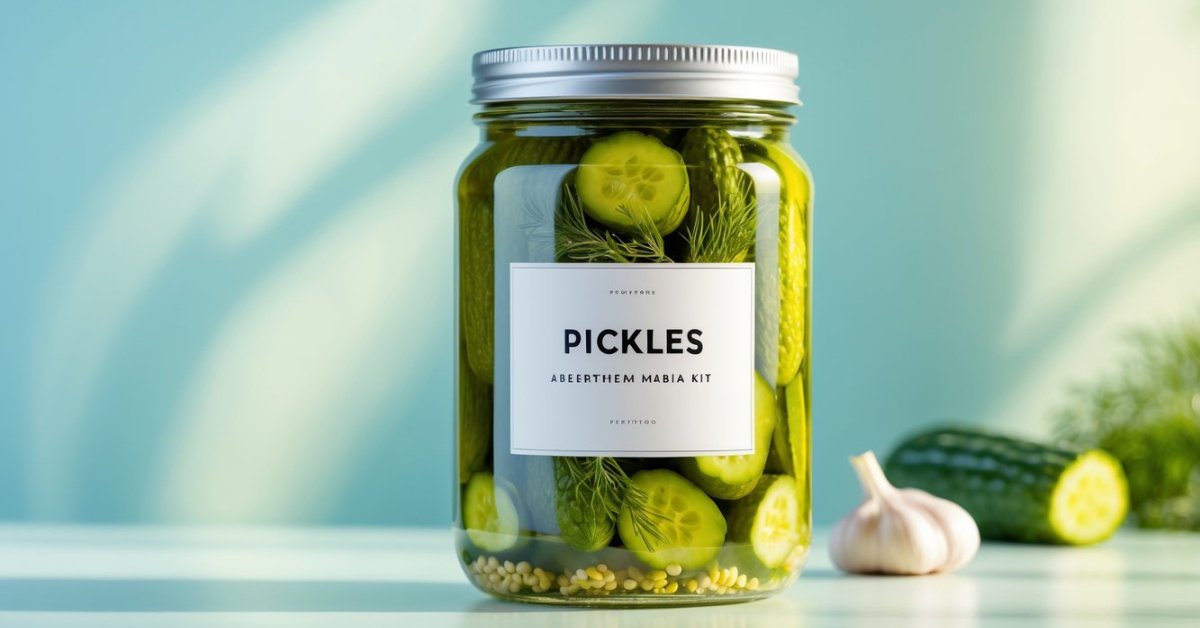
I’ve always loved experimenting with flavors in my kitchen and one day I found myself craving something bold and unexpected. That’s when the idea of pickle-infused ramen broth popped into my head. The tangy zip of pickles mixed with the comforting warmth of ramen sounded too intriguing to pass up.
If you’re someone who enjoys a little adventure in your bowl this recipe might just become your new favorite. It’s a playful twist that brings together the best of both worlds—sour and savory in every slurp. Let’s dive into how a simple jar of pickles can transform your next ramen night.
What Makes Pickle-Infused Ramen Broth Unique
Pickle-infused ramen broth brings together fermentation, brining, and garden flavors in one bowl. I combine garden-grown cucumbers, homemade brine, and fresh herbs to create tang that cuts through the richness of ramen. Fermented ingredients introduce lactobacillus cultures, giving the broth a distinct tartness and natural probiotic benefit rarely found in traditional ramen.
Vinegar varieties, including apple cider or rice vinegar, offer sharp notes that amplify each spoonful. Fresh dill, garlic, and black peppercorns, staples in my pickling, infuse the broth with complexity beyond plain saltiness. Vegetable scraps like carrot peels and onion ends—common in both ramen and pickling—deepen the umami base while minimizing kitchen waste.
Pickle brine replaces or supplements conventional ramen seasoning packets. I use brine for both flavor and preservation, helping the broth keep longer without artificial additives. Crisp pickle slices add textural contrast, absorbing heat for a surprising burst of flavor with every bite.
Pickling, gardening, and ramen intersect in this broth by celebrating resourcefulness and small-batch flavor. Every bowl highlights sustainable homegrown produce and the bold, lively taste only pickles provide.
Key Ingredients Required
Pickle-infused ramen broth relies on a careful selection of ingredients to balance tang and umami. I base my choices on years of home pickling and sustainable gardening.
Choosing the Right Pickles
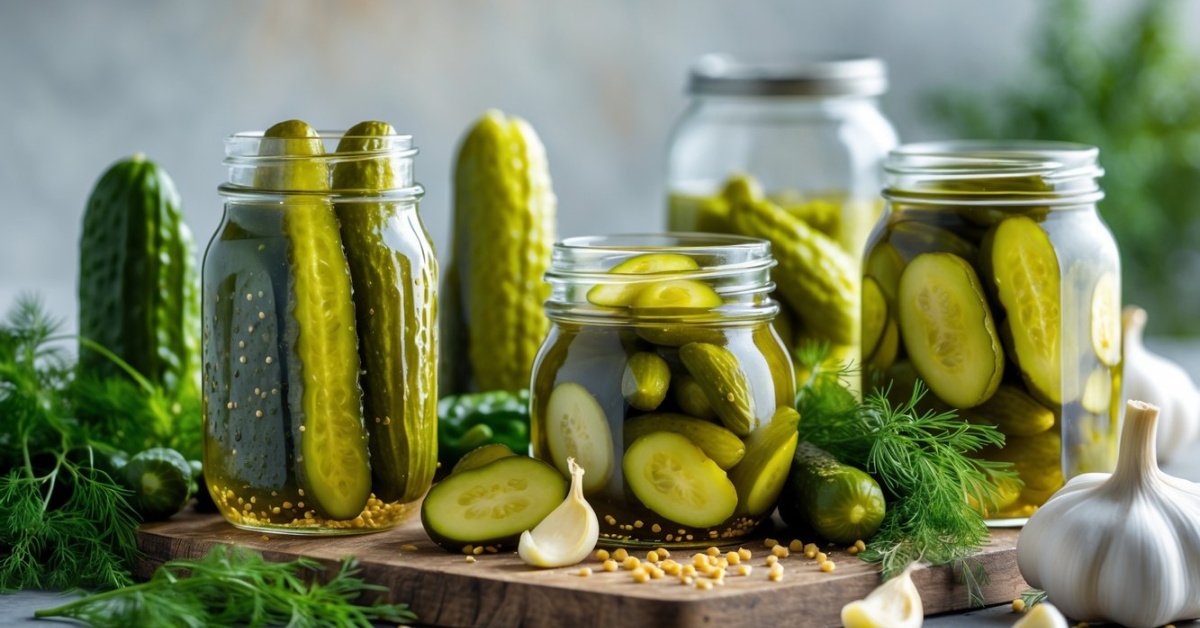
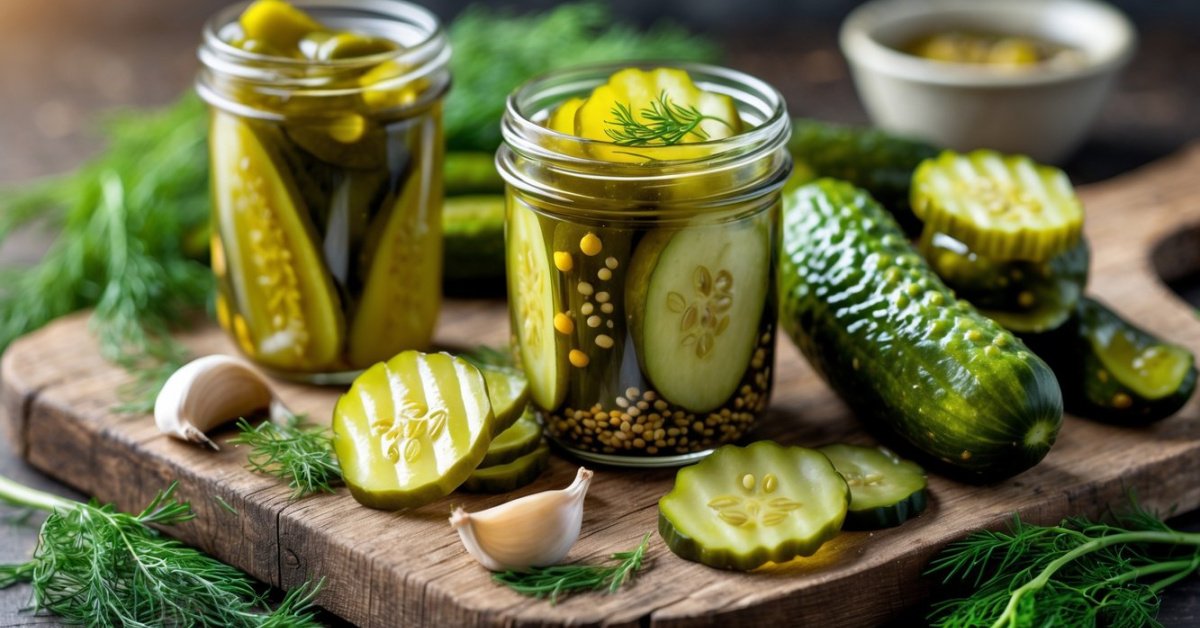
Fermented cucumber pickles, especially those made with lactobacillus-rich brine, deliver authentic tang and live cultures. I prefer using garden-grown, naturally fermented cucumbers for maximum flavor. Garlic dills and half-sour varieties produce a brighter, cleaner broth than vinegar-cured pickles, which impart sharper acidity and less complexity. Slices from homemade hot pickles add heat, while bread-and-butter pickles introduce sweet undertones.
Broth Base Options
Vegetable scrap stocks, featuring carrot tops, onion skins, celery ends, or leek greens, create a rich foundation and encourage self-sustainability. I use filtered water with scraps simmered for 30–45 minutes as a zero-waste approach. Light chicken or pork broth suits meat-forward versions—always sourced from bones and leftovers to minimize resource use. For vegan renditions, mushroom stems intensify savoriness and pair well with brine-derived tang.
Additional Flavor Enhancers
Fresh dill, whole garlic cloves, and black peppercorns echo classic pickle flavors and deepen aroma. I also add fresh garden herbs like chives or parsley near the end for brightness. A splash of apple cider vinegar sharpens the broth if I’m using less tart brine. Toasted mustard seeds and coriander seeds bring out the full spectrum found in quality pickles. For each quart of broth, I include 2–4 oz pickle brine, adjusting to taste before serving.
Step-By-Step Recipe Guide
I always enjoy watching simple garden harvests transform into something unexpected. My pickle-infused ramen broth recipe relies on the same basics I use for exceptional pickles while channeling their briny character straight into the soup bowl.
Preparing the Pickle Brine
I measure out 2 cups of fermented cucumber brine, always using tangy, live-cultured garlic dills from my crocks. I strain the brine to remove seeds and bits, then set aside 4-6 pickle spears for slicing. My brine blend always starts with non-iodized salt, unchlorinated water, fresh garlic, black peppercorns, and at least two sprigs of garden-grown dill for deep herbal flavor. I avoid brines made with industrial vinegar since they taste flat and lack probiotics. If I’m short on brine, I top up with a tablespoon of apple cider vinegar and a pinch of sea salt.
Combining Broth and Pickle Infusion
I simmer 4 cups of vegetable scrap stock or bone broth, skimming any foam for clarity. My favorite base features onion skins, carrot tops, and celery trimmings—all tossed into the pot after prepping vegetables. Once the starter broth gently simmers, I pour in the reserved pickle brine. I let the mixture cook for 15 minutes, uncovered. The kitchen fills with garden aromas from the dill and garlic. I taste and adjust salt or add more brine if the broth isn’t tangy enough. For extra umami, a dash of soy sauce or miso heightens depth without overpowering the pickled notes.
Topping and Serving Suggestions
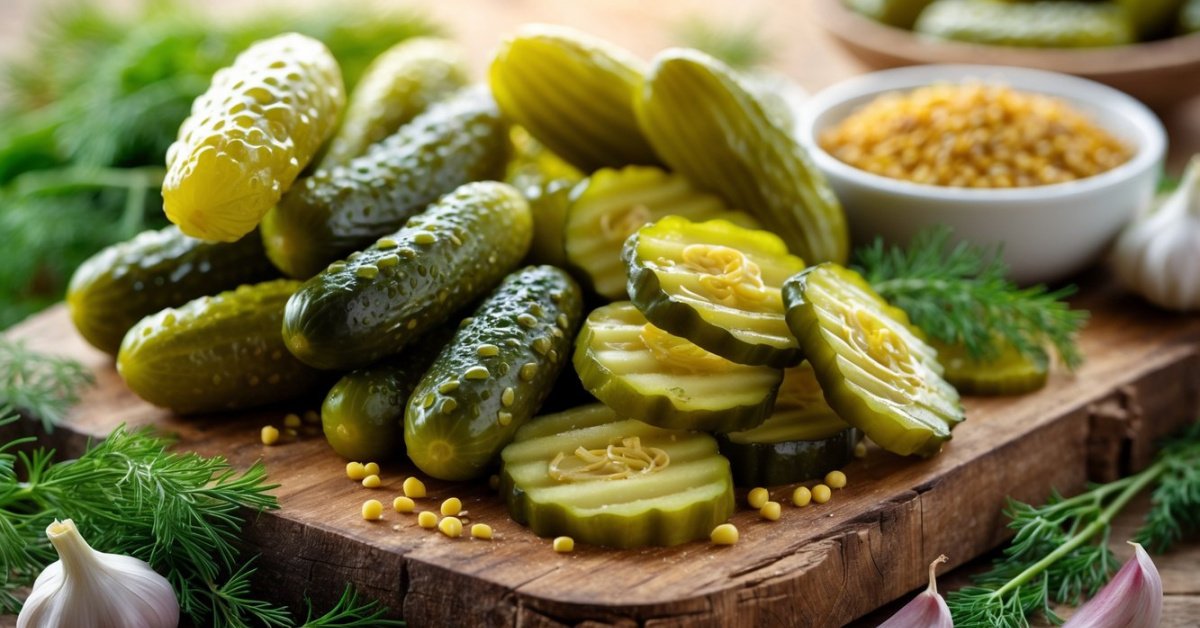
I arrange sliced pickles, chopped garden scallions, and torn dill fronds on each steaming bowl of ramen. My favorite toppings for this broth include shredded carrots, nori strips, black sesame seeds, and a boiled egg with a dash of pickle brine in the yolk. I sometimes toss in quick-pickled radishes or spicy pickled peppers for bite. Serving immediately preserves the bright crunch of the pickle slices. Every spoonful highlights the flavors I coax from my garden and fermenting jars.
Flavor Profile and Texture Analysis
Pickle-infused ramen broth delivers a layered tang, saltiness, and savoriness that stand apart from classic ramen. I taste bright vinegar notes, rounded by live lactobacillus fermentation for a clean, tart edge. Garden-grown cucumber brines offer a natural funk absent from commercial vinegar pickles, creating a depth I’d describe as earthy, briny, and subtly grassy. Each slurp brings hints of fresh dill and garlic, with black peppercorns adding warmth.
Texture in my broth stays balanced and revitalizing. The soup feels silky from the ramen starch, with each sip lightened by the brine’s lively acids. Suspended herbal flecks contribute moments of green crunch, while the optional pickle slices provide a crisp snap when bitten. Unlike dense pork-bone tonkotsu, this broth feels lighter, yet the blend of pickle brine and vegetable or meat stock supplies a weight that still satisfies.
I notice that when I use half-sour or garlic dill pickles from my own garden fermentations, body and umami complexity intensify. These pickles keep their snap in hot broth better than store-bought, giving a fresh bite that sets each bowl apart. Texture transitions from the soft chew of ramen noodles, through slippery yet structured greens, to bursts of brine and crunch, making it more dynamic than traditional ramen.
This broth’s layered flavors complement pickled toppings and support a variety of garnishes—such as scallions, shredded carrots, or nori—without overwhelming. The unique balance results from using home-fermented pickles, careful garden herb selection, and the intent to minimize waste by including vegetable scraps. Every element works together, channeling my passion for self-sustainability, pickling, and bold kitchen experimentation into each mouthful.
Pros and Cons of Pickle-Infused Ramen Broth
Pros
- Elevates flavor complexity: Pickle-infused ramen broth adds briny, tangy layers that brighten each spoonful, with garden-fermented cucumber brine giving vibrant tartness and depth compared to plain broths.
- Supports gut health: Fermented pickle brine contributes lactobacillus cultures, which introduce live probiotics—for example, naturally fermented garlic dill pickles or half-sour cucumber brines.
- Reduces kitchen waste: Using vegetable scraps for the broth base and surplus pickle brine maximizes sustainability, so trimmed carrot ends, onion peels, and dill stems all find a new purpose.
- Preserves freshness without additives: Brine from home-pickled jars imparts a clean, bracing flavor and functions as a preservative, unlike shelf-stable bouillon cubes that often rely on synthetic flavor boosters.
- Adapts to garnishes and palates: The balanced salt, vinegar, and herbal notes pair with assorted toppings, such as shredded carrots, nori strips, or boiled eggs, without overpowering subtle vegetables or proteins.
- Alters traditional ramen expectations: The assertive tang and acidity from pickle brine create a broth that differs markedly from the creamy, deep flavors of classic tonkotsu or shoyu ramen, which could surprise purists.
- Increases sodium content: Fermented brines and pickles inherently add salt, so those monitoring sodium intake need to account for extra brine, especially with store-bought, heavily-salted varieties.
- Limits compatibility with delicate proteins: The robust acidity and spices in pickle-infused broths sometimes overshadow mild toppings, like plain tofu or delicate fish fillets, reducing versatility.
- Relies on pickle quality: A jar of bland, mass-produced cucumbers won’t infuse proper tang or culture; only high-quality, fermented, homemade pickles—such as ones made from fresh garden produce—deliver the intended results.
- Narrows appeal for some tastes: Not everyone enjoys pickling flavors in a hot broth; for example, those sensitive to acidity or brine-heavy tastes may find the profile too sharp for regular enjoyment.
Conclusion
Trying out pickle-infused ramen broth has completely changed the way I look at both pickles and ramen. There’s something so satisfying about turning humble ingredients into a bowl of soup that’s bursting with personality.
If you’re craving a new kitchen adventure or just want to make the most of your garden harvests this season give this recipe a try. You might discover a new favorite that’s as fun to make as it is to eat.