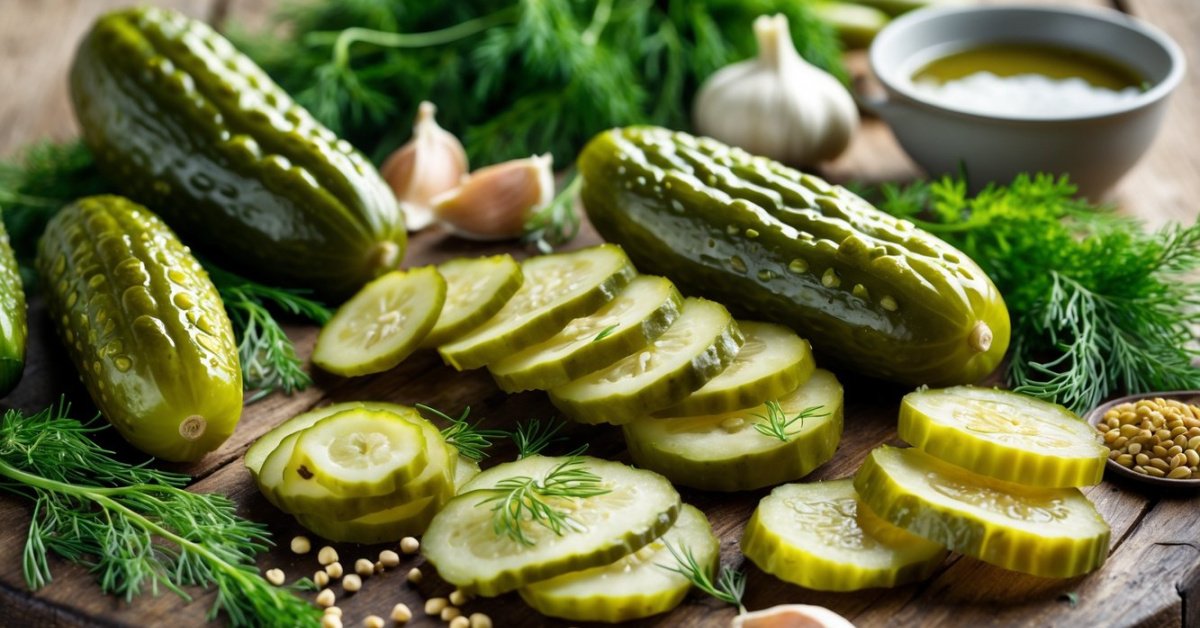
When the summer heat hits its peak I’m always on the lookout for new ways to cool down. Sure ice cream and lemonade are classics but sometimes I crave something a little more adventurous. That’s when I reach for pickle juice popsicles.
It might sound unusual at first but these tangy frozen treats are surprisingly refreshing. The salty-sour kick wakes up my taste buds and gives me a break from the usual sweet summer snacks. If you’re curious about a bold way to beat the heat you’re in for a treat with pickle juice popsicles.
What Are Pickle Juice Popsicles?
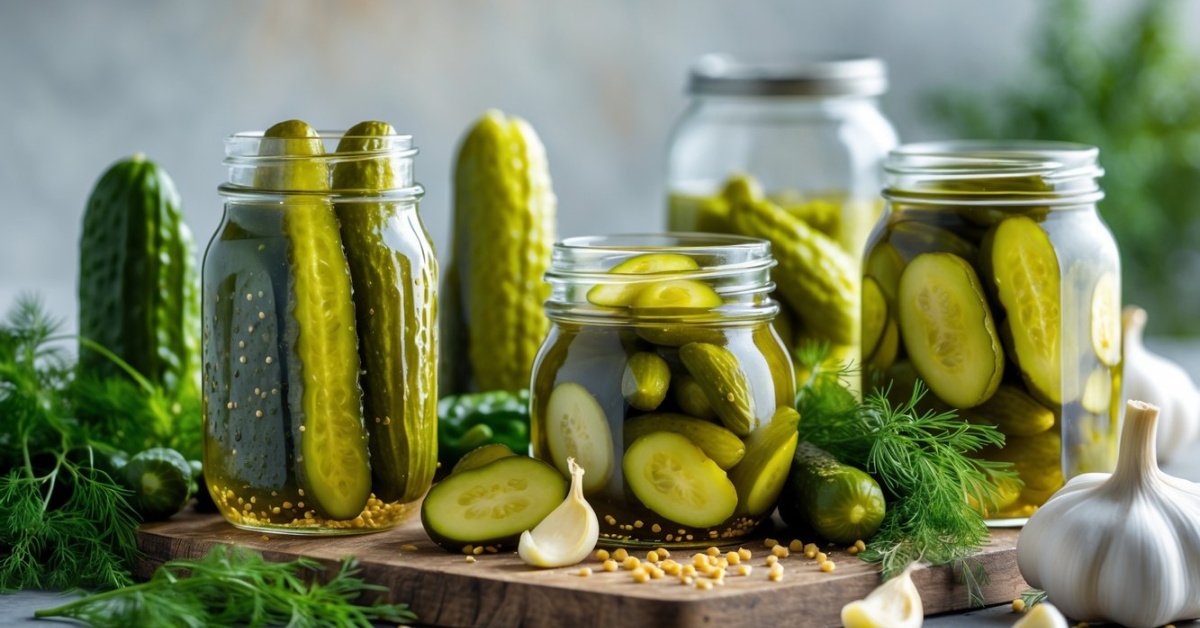
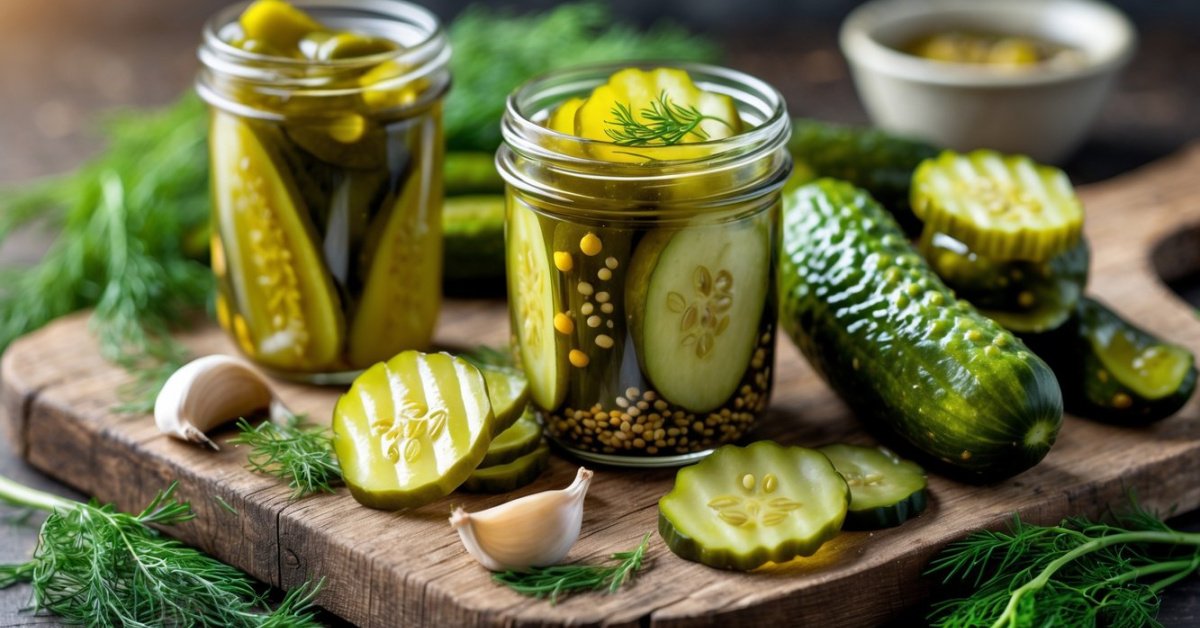
Pickle juice popsicles combine brine from pickles with freezing techniques to create a chilled treat. I make mine using leftover juice from my home-fermented cucumber pickles and sometimes blend in fresh dill or thin cucumber slices before freezing. Each batch delivers salty, tangy notes thanks to vinegar, dill, garlic, and a precise salt ratio—key elements I refine with every batch of pickles I craft.
Classic recipes use the brine alone, but I’ve found that mixing in a bit of cold water or a splash of sweet pickle juice balances the acidity for those unfamiliar with intense pickled flavors. Some variations include fermented brines which add subtle probiotic benefits from active cultures.
Homemade popsicle molds give me control over size and ingredients, minimizing waste from leftover brine. Using garden-fresh cucumbers or spices connects me directly to my passion for sustainable, homegrown food. Each popsicle then becomes an expression of both pickling craft and garden harvest, offering a unique summer refreshment that’s entirely self-sustained.
Benefits of Pickle Juice Popsicles for Summer
Pickle juice popsicles give my summer routine a crisp, salty twist that goes far beyond nostalgia. I rely on their practical benefits just as much as their tangy character when swapping the usual summer treats for something from my pickling world.
Hydration and Electrolyte Boost
Hydration from pickle juice popsicles keeps me going during my longest gardening days. Salt, potassium, and vinegar found in pickle brines—especially from cucumber and garlic pickles—support recovery after sun exposure or intense activity. I freeze leftover brine with fresh dill or a few cucumber rounds, knowing each popsicle delivers a burst of minerals lost through sweat. This naturally replenishing pop appeals to my self-sustaining mindset much more than store-bought sports drinks.
Unique Flavor Experience
Flavor from pickle juice popsicles stands out among typical sweet summer options. My pops offer sour, salty, and herbal notes every time, depending on my latest batch—be it classic dill, spicy garlic, or sweet bread-and-butter pickle juice. Friends sampling these admit that frozen pickle brine offers a complexity they don’t get from fruit pops. For me, transforming garden-grown cucumbers and herbs into tangy popsicles lets my pickling passion shine in every bite.
How to Make Pickle Juice Popsicles at Home
Pickle juice popsicles offer a sustainable, garden-inspired way to enjoy the flavor of pickles all summer. My experience as a longtime pickler lets me share straightforward techniques and creative customizations for any home kitchen.
Simple Recipe and Variations
I create classic pickle juice popsicles using brine left from homemade dill cucumber pickles. I pour strained pickle juice into silicone or reusable plastic popsicle molds, filling each mold about ⅞ full. Freezing takes roughly 4–5 hours at -18°C (0°F).
I blend ⅔ parts pickle juice with ⅓ parts chilled water for a milder, more approachable flavor, then add sliced homegrown cucumbers or two sprigs of fresh dill. I sometimes use sweet gherkin pickle brine to create popsicles with subtle sweetness.
I introduce fermented brine, like lacto-fermented garlic-dill cuke juice, for probiotic benefits. Pickle juice blended with fresh lemon juice or a splash of apple cider vinegar cuts through summer heat with an extra tangy bite.
Tips for Customizing Your Popsicles
I customize popsicles for flavor and presentation by layering thinly sliced garden radishes, whole peppercorns, or fermented jalapeño slices in the molds before freezing. I recommend prepping vegetables thin for clean bites once frozen.
I increase hydrating effects by adding a quarter teaspoon of pink Himalayan salt and two teaspoons of honey to the mix, stirring thoroughly before pouring. If I want savory complexity, I infuse brine with handfuls of basil, thyme, or mustard seeds before straining and freezing.
I minimize plastic waste by skipping disposable sticks and using compostable or reusable bamboo sticks. I scale up batches for gatherings, using large ice cube trays and inserting wooden craft sticks for rustic, garden-fresh appeal.
| Variation | Main Ingredients | Customization Examples | Purpose |
|---|---|---|---|
| Classic Dill | Dill pickle juice, cucumber slices | Fresh dill, garlic slices | Original, herbal flavor |
| Milder Sweet | Sweet pickle brine, filtered water | Chopped strawberries, mint | Lighter, kid-friendly |
| Fermented Probiotic | Lacto-fermented brine, lemon juice | Apple cider vinegar, fresh herbs | Gut health, tanginess |
| Spicy Garden | Pickle juice, jalapeño/paprika brine | Sliced radish, chili flakes | Heat, complexity |
Where to Find Pickle Juice Popsicles
Retail stores—For commercial options, I’ve found that specialty grocery stores like Whole Foods and Sprouts occasionally stock pickle juice popsicles in their novelty frozen sections. National retailers such as Walmart list packaged versions from brands like Van Holten’s and Bob’s Pickle Pops, especially in summer seasons.
Local markets—Artisan food shops and local farmers’ markets sometimes feature small-batch pickle juice popsicles, often made by fellow pickling enthusiasts. I usually spot these near traditional pickle vendors or seasonal produce stands.
Online shops—E-commerce platforms including Amazon and Walmart carry a range of pickle juice popsicles, both in ready-to-eat and make-at-home kits. Some independent pickling businesses, such as Pickle Juice LLC and The Real Dill, ship frozen pops across the US, usually packed in dry ice.
Do-it-yourself—Home freezers let me create custom batches year-round using brine from my own pickling projects. I rely on silicone molds, available at kitchenware stores and online shops, to shape any style or size. For community involvement, I’ve seen local garden clubs sometimes host pop-up events or swap meets, trading homemade pickle pops alongside traditional preserved goods.
Seasonal events—County fairs and food festivals often introduce creative pickle-based snacks. During summer months, pickle juice popsicle stands appear at pickling contests, garden expos, and neighborhood block parties, especially in regions with active pickling scenes.
Taste Test: What to Expect
Tasting pickle juice popsicles gives a sharp, refreshing experience that contrasts with sugary summer treats. First, I notice a bold hit of vinegar and salt, much like sipping chilled brine straight from a jar of well-aged dill cucumber pickles from my own garden. Right away, tanginess meets a savory punch—herbal notes from fresh dill or added garlic deepen the flavor profile, which stands apart from most frozen desserts.
People familiar with pickling recognize the acidic kick and herbal undertones. Guests who try my homemade versions often point out the layered flavors—salty up front, then sour, with dill, mustard seed, and sometimes even a gentle heat from peppercorns or chili flakes. Homemade popsicles using brine from fermented pickles sometimes offer a subtle effervescence and complex, slightly funky edge, giving hints of the live cultures thriving in my probiotic ferments.
Texture feels slightly icy but smooth, often crystal-clear if I’ve strained the brine and diluted it properly. I occasionally add cucumber coins, which freeze firm and pack extra crunch in each bite, echoing the snap of freshly harvested cucumbers from my summer beds. Sweet pickle juice popsicles taste milder, sometimes carrying gentle hints of cinnamon, clove, or allspice for those who prefer less acidity.
Palates attuned to classic sweet popsicles often find the savory-sour flavor surprisingly bright. Anyone who enjoys pickles, relishes, or brined vegetables tends to appreciate the layered, robust taste—every lick reminds me of the care and craft behind every batch of pickles growing in my pantry and garden.
Potential Drawbacks and Considerations
Taste intensity surprises many first-timers, especially when brines use assertive dill or extra vinegar. Most commercial popsicles target sweet flavors, so pickle juice popsicles might taste jarring for those unaccustomed to sharp, briny notes. Balancing the pickle juice with water or a touch of sweet brine tones down the acidity, but strong pickle lovers—like me—often skip dilution.
Salt content ranks high in pickle juice, which supports hydration but also raises concerns for those monitoring sodium. Most homemade brines contain 800-900 mg sodium per 3-ounce serving, which can exceed daily limits for individuals with high blood pressure or salt sensitivity according to the CDC. Drinking water alongside the popsicle or using low-sodium brine helps moderate intake.
Allergies and sensitivities sometimes surface due to garlic, mustard seed, or other spice combinations commonly found in traditional pickling. Labeling and careful ingredient selection, especially in DIY versions, reduces the risk for those with known sensitivities.
Digestive reactions, especially from fermented or spicy brines, occasionally cause mild stomach upset or heartburn—particularly for those not used to tangy, acidic snacks. Sticking with milder, cucumber-based brines and controlling portion size helps avoid discomfort.
Texture changes occur when brine freezes, leading to an icier, less creamy pop. Adding thin cucumber slices improves mouthfeel, yet those expecting a fruity popsicle texture might find the result more brittle.
Usage of garden-grown vegetables and homemade brines eliminates artificial preservatives but doesn’t extend shelf life. I store my popsicles in sealed containers and suggest consuming them within two weeks to maintain peak flavor and prevent off-tastes.
Unfamiliarity with fermentation brings some hesitation, as many worry about safety. Using only properly fermented brine and following tested recipes from trusted sources like the National Center for Home Food Preservation ensures safe popsicles.
Availability outside of homemade options remains limited, with most commercial brands relying on shelf-stable preservatives and simple flavor profiles. Gardeners and pickling enthusiasts, like me, find homemade methods allow more control but require more effort in preparation and storage.
Conclusion
Trying pickle juice popsicles has completely changed the way I look at summer snacks. They’re not just a cool-down treat—they’re a fun way to bring a little adventure and creativity into my kitchen.
Every batch feels like a celebration of my garden and my love for pickling. If you’re craving something different this summer I hope you’ll give these popsicles a try and maybe even start your own pickling experiments. There’s nothing quite like that first tangy bite on a hot day!