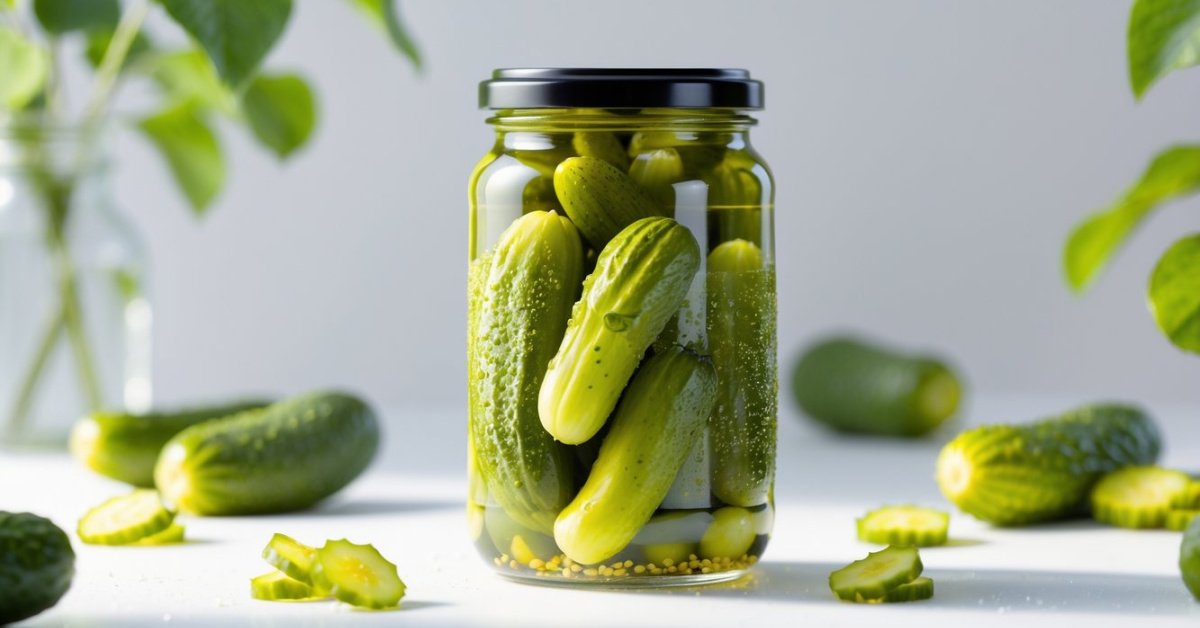
Whenever I reach for a crunchy pickle, I’m not just satisfying a craving—I’m giving my gut a little love, too. Pickles have been a staple in my kitchen for ages, but I only recently discovered they’re more than just a tangy snack. Turns out, these zesty bites can play a surprising role in supporting digestive health.
It’s fascinating to think that something so simple could help feed the good bacteria in our bodies. As I’ve learned more about prebiotics, I’ve realized that pickles might deserve a spot in every wellness routine. If you’re curious about how pickles can be more than just a tasty side, you’re definitely not alone.
Understanding Prebiotics and Gut Health
Prebiotics feed beneficial gut microbes, acting as fuel for bacteria like Bifidobacteria and Lactobacilli. My pickling experience shows that these bacteria thrive when diets include prebiotic-rich foods—examples include onions, garlic, and artichokes. Gut microbes ferment prebiotic fibers into short-chain fatty acids, supporting digestive lining and immune function.
Gut health connects directly to digestion efficiency, mood balance, and immune defense. Studies like those published in Nutrients (2019) link diverse, balanced gut bacteria with reduced inflammation and improved nutrient absorption. In my garden, fiber-rich produce supports robust fermentations, enhancing both pickle flavor and gut function.
When adding pickled foods, it’s important to note that only naturally fermented varieties contain both prebiotics and live probiotics. Commercial pickles processed with vinegar lack these living organisms but may retain some prebiotic content if made from fiber-rich vegetables. Experience shows that growing and pickling my own produce maximizes both taste and gut health benefits.
What Makes Pickles a Prebiotic Food Source
Pickles offer more than just tangy flavor and crunch; they support gut health by providing key prebiotic nutrients. My years of pickling and gardening have shown me the unique value pickles add to a self-sustained diet.
Key Nutrients and Compounds in Pickles
I rely on natural plant fibers found in the cucumbers, cabbage, or carrots I pickle, because these fibers act as prebiotics. Oligosaccharides and pectin stand out as main fibers, providing nourishment for beneficial gut bacteria. I also focus on resistant starches that form during fermentation; these boost prebiotic content further. When I pickle with garlic, dill, or onions, I increase the inulin and fructooligosaccharides available, both of which are proven prebiotic fibers (Slavin, 2013, Adv Nutr).
Differences Between Fermented and Non-Fermented Pickles
Fermented pickles use a saltwater brine and time, which allows lactic acid bacteria to break down sugars in the vegetables. I notice naturally fermented pickles always contain both prebiotic fibers and live probiotic cultures, making them effective for supporting gut microbiota diversity. Non-fermented, vinegar-based pickles skip these bacteria, so they offer prebiotic fibers from the vegetables but lack live probiotics. I encourage others to try fermenting at home, since the synergistic effect of prebiotic fibers and probiotics in fermented pickles supports optimal digestive health.
Health Benefits of Consuming Pickles as a Prebiotic
Adding pickles to my meals gives me more than a tangy crunch. Naturally fermented pickles serve as a reliable prebiotic source—benefiting both digestion and immunity.
Improved Digestive Health
Natural fibers and resistant starches in pickled vegetables support my gut microbiota. Oligosaccharides in fermented cucumbers and pectin in pickled carrots fuel Bifidobacteria and Lactobacilli species. I’ve observed that eating a variety of home-fermented pickles encourages regularity and reduces digestive discomfort. Peer-reviewed studies demonstrate that increased prebiotic intake diversifies gut flora, supporting better nutrient absorption and less bloating (Slavin, 2013; Roberfroid, 2007).
Enhanced Immune Function
Gut health and immune function connect directly through the activity of my beneficial bacteria. As live cultures in fermented pickles multiply, they drive the production of short-chain fatty acids, which support the body’s natural defenses (Koh et al., 2016). With a diet rich in prebiotic pickled foods from my garden, I foster a microbial environment that challenges pathogens and reduces the frequency of minor infections. Data shows that prebiotic consumption positively influences the immune response by modulating inflammatory markers (Vulevic et al., 2008).
Potential Risks and Considerations
Pickles play a valuable role in gut health, but not all varieties offer the same benefits. I focus on two main factors: sodium content and the type of pickles chosen for prebiotic support.
Sodium Content and Dietary Concerns
Pickles deliver a strong salty flavor, packing significant sodium into each serving. Standard store-bought dill pickles often contain over 600 mg sodium per spear, which accounts for about 25% of the recommended daily value (FDA, 2023). High sodium intake raises blood pressure and increases cardiovascular risk, especially for those with hypertension. I limit my consumption of commercial pickles and prefer to make my own using less salt or potassium-based alternatives. Homemade ferments let me control brine strength and seasonings, creating pickles that suit a heart-healthy diet.
Choosing the Right Pickles for Prebiotic Benefits
All pickled vegetables aren’t the same when it comes to gut health. Only naturally fermented pickles contain live probiotics and prebiotics; vinegar-brined commercial pickles lack these microbes. I use wild fermentation methods—submerging fresh cucumbers, carrots, or cabbage in saltwater brine at room temperature—to encourage beneficial lactic acid bacteria. Raw, unpasteurized pickles preserve these live cultures and maximize prebiotic value, since heat processing destroys both probiotics and delicate plant fibers. For the best digestive support, I always look for pickles labeled “fermented,” “raw,” or “unpasteurized,” or I make my own from garden harvests. This ensures every crunchy bite offers a genuine prebiotic boost.
How to Incorporate Pickles Into a Prebiotic-Rich Diet
Pairing pickles with high-prebiotic foods boosts both flavor and gut health. I often serve homemade fermented pickles alongside fiber-rich sources like roasted Jerusalem artichokes, sautéed leeks, and garlic-rubbed rye bread. Including these foods with each meal increases oligosaccharide and inulin intake, which supports beneficial gut microbes.
Layering pickles into daily meals weaves prebiotic-rich diversity into any eating plan. I toss sliced carrot or cucumber pickles into salads, pile kraut onto grain bowls and wraps, and add dilly beans as a crunchy side for soups or sandwiches. Mixing pickled onions with lentils or chickpeas creates a snack that delivers both prebiotic fibers and live cultures.
Rotating pickle varieties enhances the nutrient spectrum in a prebiotic-rich diet. Each batch I prepare—cabbage kimchi, lacto-fermented turnips, or classic dill cucumbers—contains distinct fibers, different oligosaccharide profiles, and complementary probiotics. This rotation introduces new microbial allies to the gut each week.
Choosing naturally fermented pickles ensures optimal prebiotic and probiotic synergy. I only use raw, unpasteurized products—whether homemade or sourced locally—to avoid losing live cultures through pasteurization. These unprocessed pickles yield the highest levels of beneficial bacteria and plant fibers.
Preparing small batches at home empowers me to control salt content and reduce unwanted additives. Sourcing fresh produce from my garden for pickling maximizes flavor and micronutrient density. If integrating more pickles into your diet, home fermentation makes the process more satisfying and nutrient rich by merging gardening, pickling, and gut health in each jar.
Conclusion
Exploring the world of pickles has completely changed how I think about supporting my gut health. I love knowing that with every crunchy bite of a homemade fermented pickle I’m feeding my good bacteria and giving my body an extra boost.
If you’re curious about gut health or just want to experiment in the kitchen try making your own pickles. It’s a simple and tasty way to add more prebiotics to your meals while enjoying something you made yourself.