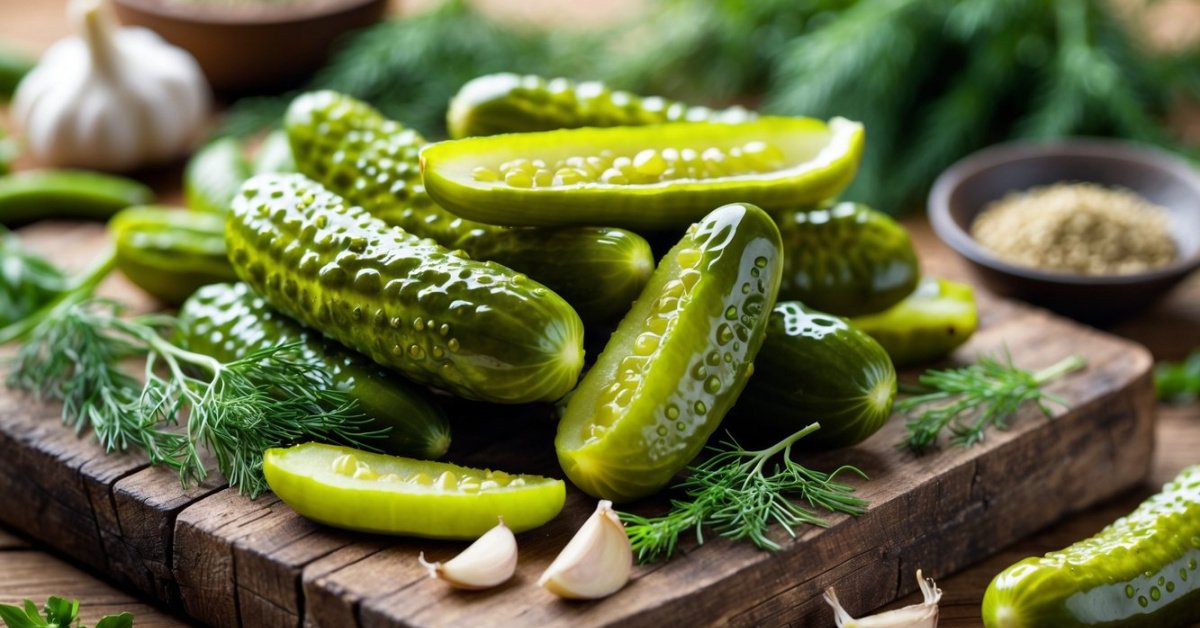
I’ve always loved the tangy crunch of a good pickle. Whether I’m piling them onto a sandwich or snacking straight from the jar I can’t seem to resist their bold flavor. But as much as I enjoy them I’ve started to wonder what all that salty goodness might mean for my heart.
Pickles pack a punch when it comes to sodium and I know too much salt isn’t great for heart health. It’s made me curious about how my favorite snack could affect my blood pressure and overall well-being. If you’re like me and can’t imagine giving up pickles it’s worth taking a closer look at what’s really inside that briny bite.
Understanding Pickles: Nutrition and Preparation
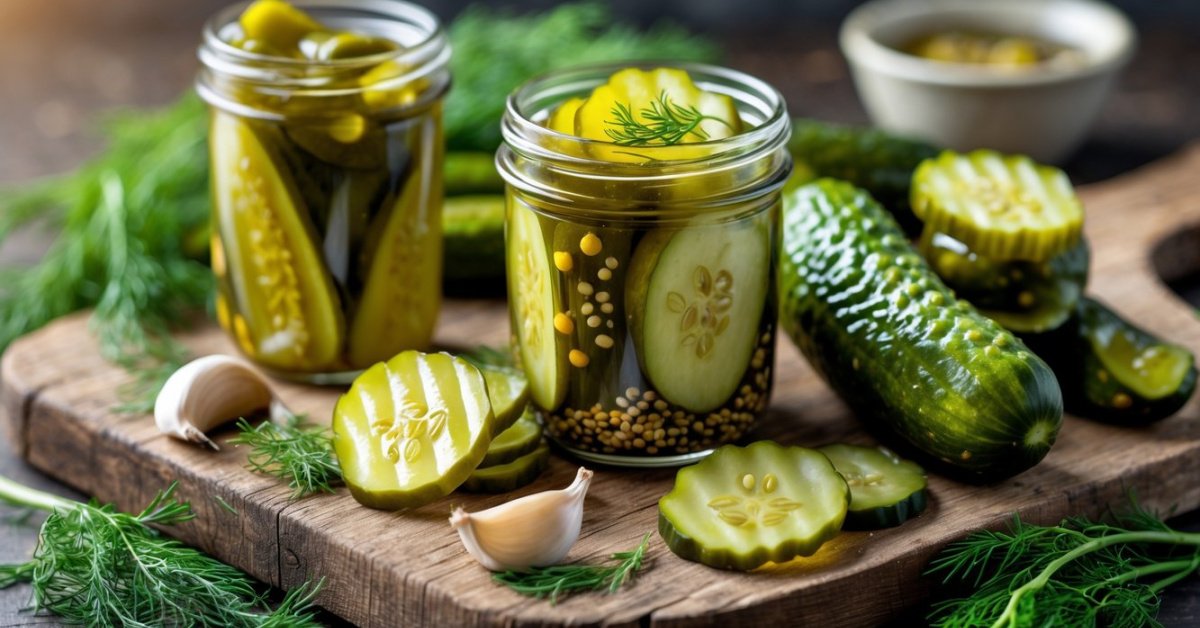
Pickles combine vegetables—most commonly cucumbers, carrots, or peppers—with a brine of vinegar, salt, and water. I use fresh produce from my garden for maximum flavor and nutrients.
Nutrition profiles for pickled vegetables vary by recipe and ingredient. Most pickles contain low calories—usually under 7 kcal per medium dill spear (USDA)—and nearly zero fat. Sodium content often exceeds 300 mg per spear because salt preserves crispness and extends shelf life. Fermented pickles, like classic sour dills, may contain probiotics that support digestion, but heat processing during canning destroys these beneficial bacteria.
Preparation methods differ by tradition and intended flavor. I use vinegar brines for quick pickles—ready in hours—and lacto-fermentation for deeper taste over weeks. Vinegar-packed pickles work best for sharp, bright flavors, while salt brines encourage beneficial bacteria growth in fermented pickles. Both methods rely on proper sanitation to prevent spoilage and maintain safety.
I follow established ratios for consistency and food safety: for fermented cucumbers, I blend 2 tablespoons (28 g) of Kosher salt per quart (946 mL) of water. For vinegar pickles, I use a 1:1 ratio of 5% distilled vinegar to water with at least 2% salt by weight. These proportions deliver the signature pickle crunch while managing sodium intake.
I always store finished pickles in airtight jars, either refrigerated after quick-pickling or in cool, dark spaces for shelf-stable fermented jars. Home pickling supports sustainability by reducing grocery trips and preventing waste from surplus harvests.
The Relationship Between Sodium and Heart Health
Sodium consumption directly influences heart health, since high intakes increase blood pressure and strain cardiovascular function. Most commercial pickles deliver 250–350 mg sodium per spear, which adds up quickly as snack portions increase. My gardening friends sometimes ask why sodium content matters: elevated sodium, according to the American Heart Association, causes water retention, raising blood volume and pressure. Consistently high blood pressure, known as hypertension, ranks as a major risk factor for both heart attacks and strokes.
Processed foods, such as jarred pickles, account for about 70% of the sodium in standard American diets. Even homemade batches using classic brine recipes can approach commercial levels, especially when salt acts as the primary preservative during lacto-fermentation or vinegar pickling. I always remind other picklers to consider their daily sodium totals, especially if they’re tracking heart health.
Reducing salt concentration during pickling, using potassium-based salt substitutes, or rinsing finished pickles before eating lowers sodium intake from homemade jars. I choose brine ratios carefully and track ingredient measurements every time, so every batch supports both flavor and well-being. Emerging research, such as CDC reports published in 2023, continues to confirm that limiting sodium is a critical factor for maintaining optimal heart and vascular health.
Pickles and Heart Health: Sodium Concerns
Sodium content in pickles connects directly to heart health, especially when pickles are a regular part of meals. My own experiences making and enjoying pickles show sodium’s impact, so I’ve studied its effects and adapted my methods accordingly.
Sodium Content in Common Pickles
Store-bought pickles usually contain 250–350 mg sodium per spear. My standard dill cucumber pickles, using traditional brine ratios, land near 300 mg per 28 g spear. Half-sour, bread and butter, and spicy varieties often exceed 400 mg sodium per spear if commercial brands are used. Home-pickled carrots and peppers typically carry 100–350 mg sodium per serving, depending on the salt mix.
| Pickle Type | Average Sodium (mg/spear) | Example Brands |
|---|---|---|
| Dill | 250–350 | Vlasic, Claussen |
| Bread & Butter | 280–400 | Mt. Olive, Wickles |
| Half-Sour | 300–450 | Ba-Tampte, Bubbies |
| Home Pickled* | 100–350 | (using my salt ratios) |
*Home pickled values estimate salt content when adjusting brine and using rinsing.
Potential Risks for Heart Health
Elevated sodium intake from pickles raises the risk of hypertension and related heart issues. Research from the American Heart Association (2022) links 1,500–2,300 mg daily sodium to increased blood pressure, with traditional pickle consumption contributing as much as one-fourth of this limit in just a few spears. Long-term, regular high-sodium intake stresses arteries, raises cardiovascular event risk, and may worsen fluid retention, especially in salt-sensitive individuals. When preparing pickles, I adjust brine recipes to minimize these risks and prioritize potassium-rich ingredients or salt substitutes. This approach not only preserves flavor but also aligns homemade pickles with heart-healthy eating habits.
Choosing Heart-Healthy Pickles
When I craft or select pickles, I focus on keeping them full of flavor while staying mindful of sodium levels. Every batch can support heart health using a few intentional choices.
Reading Nutrition Labels
Checking nutrition labels lets me compare sodium content across pickle jars. I scan for specific numbers per serving—typically per spear or ounce. I look for pickles under 200 mg sodium per serving to help maintain moderate salt intake, especially compared to many commercial brands that exceed 300 mg. I also check serving size and note other ingredients like potassium sorbate or added sugars, which often appear in mass-produced options.
Low-Sodium Alternatives and Homemade Options
Low-sodium pickles simplify heart-healthy choices. I often find brands specifically labeled as “low sodium” with 50–200 mg sodium per spear—examples include specific lines from “Bubbies” or “Mt. Olive.” When I make my own, I lower the kosher salt content in the brine or swap in potassium-based salt substitutes like Morton Lite Salt. For fermented pickles, a lighter salt brine (1–2% salt by weight) maintains crunch and preservation while reducing sodium. When using garden produce, I control the pristine freshness and the final sodium content, which usually results in pickles in the 100–180 mg sodium per spear range. Rinsing finished pickles under cold water before eating trims sodium a bit more, particularly for homemade and store-bought choices alike.
Tips for Enjoying Pickles Responsibly
- Measure Sodium Intake Consistently
I keep track of my daily sodium—from all foods, not just pickles. For reference, the American Heart Association recommends 1500–2300 mg per day for most adults. Pickles can quickly add up, especially with spears containing 250–350 mg each.
- Limit Serving Size
I stick to one or two spears per snack or meal. Portion control lets me enjoy the flavor without pushing sodium above safe levels.
- Dilute Brines at Home
I use less salt than traditional recipes, sometimes swapping sodium chloride for potassium chloride (with my doctor’s approval) to preserve crispness while lowering sodium content.
- Rinse Before Eating
I rinse commercial pickles under water to remove some surface salt, which noticeably drops sodium on the palate and the nutrition label.
- Prioritize Low-Sodium Varieties
I choose store-bought pickles labeled “low sodium” (often 140 mg or less per serving) or make my own with minimal salt for better heart health.
- Balance My Diet
I eat pickles alongside potassium-rich produce like tomatoes, spinach, or avocados. Potassium helps counter sodium’s blood-pressure effects, supporting cardiovascular balance.
- Read Every Label
I compare brands and scan ingredient lists for sodium levels. I avoid hidden sources like monosodium glutamate or sodium benzoate found in some commercial varieties.
- Practice Gardening for Ingredient Control
I grow my own cucumbers, carrots, and peppers, which allows full control over what enters the jar—keeping added salt limited and produce fresh.
- Experiment With Herbs and Spices
I increase flavor with garlic, dill, or mustard seeds rather than extra salt. These add depth without raising sodium, creating complex, satisfying pickles.
- Share and Educate
I encourage friends and family to try heart-healthy pickle recipes. By sharing low-sodium techniques and fresh garden produce, I help others enjoy pickling as part of a balanced lifestyle.
Conclusion
Pickles will always have a place in my kitchen and on my plate but being aware of their sodium content helps me make smarter choices for my heart. I’ve found that a little extra care in how I prepare and enjoy them goes a long way toward protecting my health.
By paying attention to brine recipes and exploring low-sodium options I can keep pickles in my life without sacrificing flavor or well-being. It’s all about finding that tasty balance and sharing the joy of heart-healthy snacking with those I love.