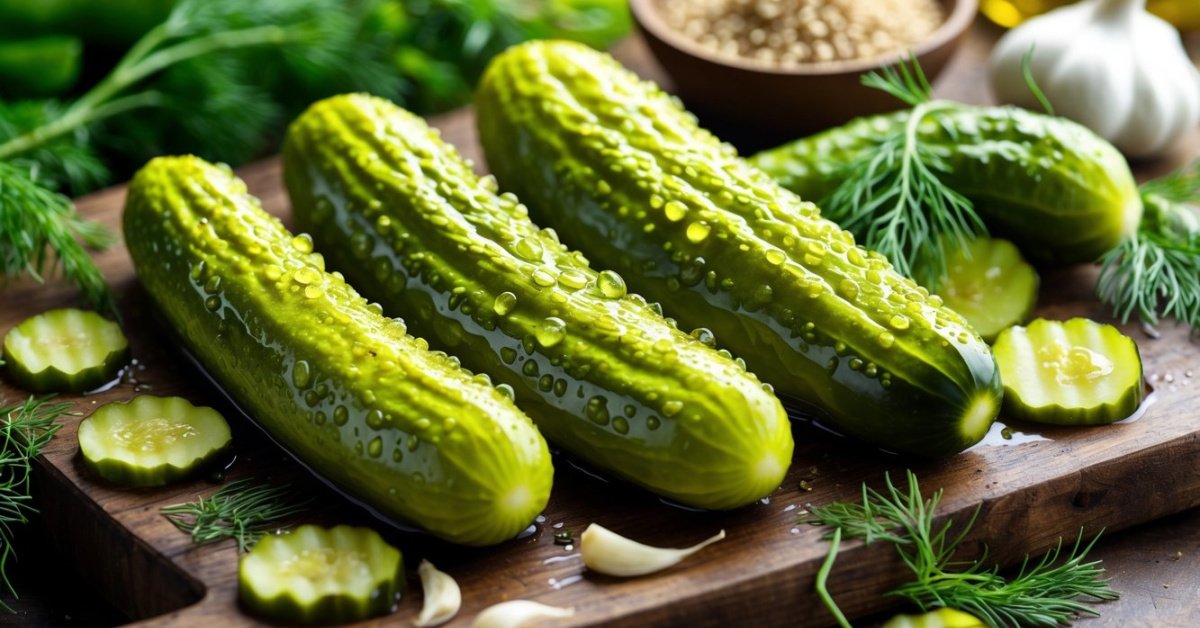
I’ve always loved finding new ways to enjoy fresh veggies and pickled green beans quickly became one of my favorite crunchy snacks. There’s just something irresistible about that crisp snap and tangy flavor that keeps me reaching for another bite.
Whether I’m packing a lunch or looking for a zesty addition to a cheese board pickled green beans never disappoint. They’re easy to make at home and add a burst of flavor to almost any meal. Plus they’re a fun twist on classic pickles that everyone seems to love.
What Are Pickled Green Beans?
Pickled green beans are whole or trimmed beans cured in a vinegar-based brine. I use freshly harvested green beans for the best texture and color. Crisp beans keep their natural snap after pickling, unlike softer pickled vegetables.
I craft brines using distilled white vinegar, water, and pickling salt as base ingredients. Common spices I add include garlic cloves, dill sprigs, peppercorns, and red pepper flakes for extra bite. Vinegar preserves the beans while infusing bold, tangy notes.
People enjoy pickled green beans as snacks, cocktail garnishes, or salad additions. I find they’re shelf-stable after proper canning, making them ideal for preserving summer harvests well into winter. Their briny crunch makes them stand out on any homemade pickle tray.
Flavor And Texture: What Makes Them Crunchy?
Crunchy pickled green beans get their signature snap from fresh beans picked at their peak. I always harvest or select beans when pods feel firm and look vibrantly green. Mature beans with seeds that bulge lose structural integrity, which affects texture.
Vinegar brine preserves that crunch best when I use pickling salt, since table salt often leads to a softer result due to additives. I pack beans tightly in jars so they stay straight and keep maximum crunch during processing.
Chilled brine and rapid processing lock in both bright flavor and crispness. I cool brine before pouring if I’m quick-pickling, since hot brine can cook the beans slightly. For long-term canning, the short heat processing is just enough to preserve without breaking down the fibers.
Spices like garlic and peppercorns add layers to the tangy, salty flavor profile, but never overpower the green bean essence. I notice that dill seeds or fresh heads especially complement the beans’ vegetal sweetness, enhancing the overall sensory experience.
Pickled green beans maintain a snappy bite for months if brine balance and freshness are right, as confirmed by both my pantry jars and taste tests with other veteran picklers.
Health Benefits Of Pickled Green Beans
Pickled green beans provide fiber, vitamins, and minerals even after brining. I get about 2 grams of fiber per 1-cup serving, improving digestion and satiety for most adult diets. Vitamin C and vitamin K stay stable during the pickling process, with a half-cup usually offering 8 mg vitamin C and 20 mcg vitamin K—good for immune support and bone health.
Fermentation in some pickling methods adds probiotic bacteria. I notice these live cultures, such as Lactobacillus species, support gut health and help nutrient absorption when I choose naturally fermented brines over boiled vinegar recipes.
The low-calorie count suits snacking; a half-cup typically contains under 30 calories, so I combine them with cheese, nuts, or other garden produce for variety. Sodium levels do increase, though I modify salt amounts in my recipes for taste and dietary needs. I use sea salt, pink salt, or standard pickling salt, always tracking sodium—most pickled green beans supply between 200 mg and 350 mg sodium per serving.
Antioxidant levels stay reasonably high, as green beans’ flavonoids resist degradation in acidic brine. My long-term storage preserves polyphenols and carotenoids found in fresh harvests. These plant compounds may reduce cell damage from oxidative stress.
When I grow and pickle my own green beans, I know exactly what goes into each jar—no artificial sweeteners, colors, or preservatives. That’s a major benefit over store-bought snacks, connecting me directly to my garden’s rhythms and the sustainable practices I value every season.
How Pickled Green Beans Are Made
Pickled green beans achieve their signature crunch and tang through a careful process that combines fresh produce, precise brine recipes, and thoughtful spice blends. I find both traditional techniques and modern twists keep this crunchy snack exciting to make and eat.
Traditional Pickling Methods
Traditional pickling methods for green beans start with firm, unblemished beans harvested at peak freshness. I wash and trim the beans, then pack them vertically in sterilized canning jars for a neat, straight appearance. My brine recipe blends distilled white vinegar, filtered water, and pickling salt in a 1:1:0.05 ratio, which balances acidity and salt levels for safe preservation.
I add flavor by dropping in garlic cloves, black peppercorns, mustard seeds, and fresh dill heads. After bringing my brine just to a boil, I pour it over the beans in jars, leaving 0.5-inch headspace to allow for proper sealing. For long-term storage and shelf stability, I process the sealed jars in a boiling water bath for 10 minutes. This locks in crispness while preventing spoilage, making it possible to enjoy garden-fresh snacking beans all winter.
Modern Flavor Variations
Modern flavor variations for pickled green beans expand beyond the classic dill and garlic combo. I experiment with global flavors, adding ingredients like Thai bird chiles, ginger slices, or coriander seeds for bold profiles. Smoked paprika, lemon peel, and tarragon offer herbal or citrus notes, turning each jar into a unique taste experience.
For refrigerator pickles, I use a chilled brine and skip water-bath canning, which preserves extra snap in the beans and keeps the process quick. I also reduce sodium and swap in natural sweeteners like honey or maple syrup to suit different dietary needs. These innovations let me showcase seasonal produce and creative spice pairings, keeping my pantry and palate fresh and varied.
Best Ways To Enjoy Pickled Green Beans
I like working pickled green beans into snacks and meals thanks to their snappy texture and bright acidity. They deliver garden freshness in every crunch and suit many eating occasions.
As A Standalone Snack
Nothing highlights the work of home pickling more than pickled green beans eaten straight from the jar. I reach for them when I want a salty, tart, and crunchy snack that travels easily and keeps well. They’re portable for picnics, quick for lunchboxes, and satisfying for late afternoon cravings—just rinse them lightly to mellow the brine if desired. For gatherings, I set out whole beans on small plates sprinkled with cracked black pepper. These attract both pickle fans and newcomers, often drawing comments about their crispness and color.
In Salads And Recipes
Few ingredients provide so much texture and flavor in salads as pickled green beans. I chop them and toss them into potato salads, grain bowls, or slaws with chopped parsley and shallots, where they help brighten heavier dishes. For composed salads, I layer whole pickled beans with slices of hard-boiled eggs, wedges of heirloom tomato, and a drizzle of olive oil for an easy side. I also mince the beans finely to add a tangy punch to deviled eggs or chicken salad. In antipasto platters, I use pickled green beans alongside marinated artichokes, olives, and pickled carrots for a visually colorful and flavor-packed spread.
Where To Buy Or How To Make Your Own
Pickled green beans show up in well-stocked grocery stores, local farmers markets, and small-batch specialty shops. I find the best selection at summer markets, where local producers offer jars with inventive spice blends—think smoked paprika or extra garlic. Regional grocery chains like Wegmans, Sprouts, and Whole Foods typically carry pickled green beans in the canned vegetable aisle. Online retailers such as Amazon and specialty food stores like Mouth.com list artisan jars, helping me try unique regional variations from different states.
Homemade pickled green beans let me control every ingredient, add garden-fresh beans, and craft flavors to suit my taste. Making a batch requires only a large pot, canning jars, fresh green beans, and a quick brine. I soak trimmed beans in ice water, then pack them vertically in sterilized jars, adding garlic cloves, dill sprigs, and chili flakes for complexity. Pouring hot brine (1:1 white vinegar to water with 2 tablespoons pickling salt per quart) over beans, I leave a half-inch headspace, seal the jars, and process in a boiling water bath for 10 minutes.
Here’s how the two approaches compare:
| Method | Typical Sources | Flavor Variations | Ingredient Control | Shelf Life |
|---|---|---|---|---|
| Buy | Grocery, market, online, deli | Brand-chosen | Low | 8–12 months unopened |
| Make | Home garden, market, grocery | Personalized | High | 1 year (canned), 1 month (fridge) |
Self-pickling means I skip artificial dyes and preservatives, enjoying crisp, personalized snacks while sustaining my garden-to-jar lifestyle.
Conclusion
Pickled green beans have become one of my favorite ways to enjoy a crunchy snack that’s both satisfying and full of personality. Whether I’m reaching for a handful straight from the jar or adding them to a cheese board for friends, their tangy snap always brings something special to the table.
Making my own batches lets me experiment with flavors and make the most of fresh green beans from the garden or market. If you haven’t tried pickling green beans yet, I highly recommend giving it a go—you might just find your new favorite snack waiting in the pantry.