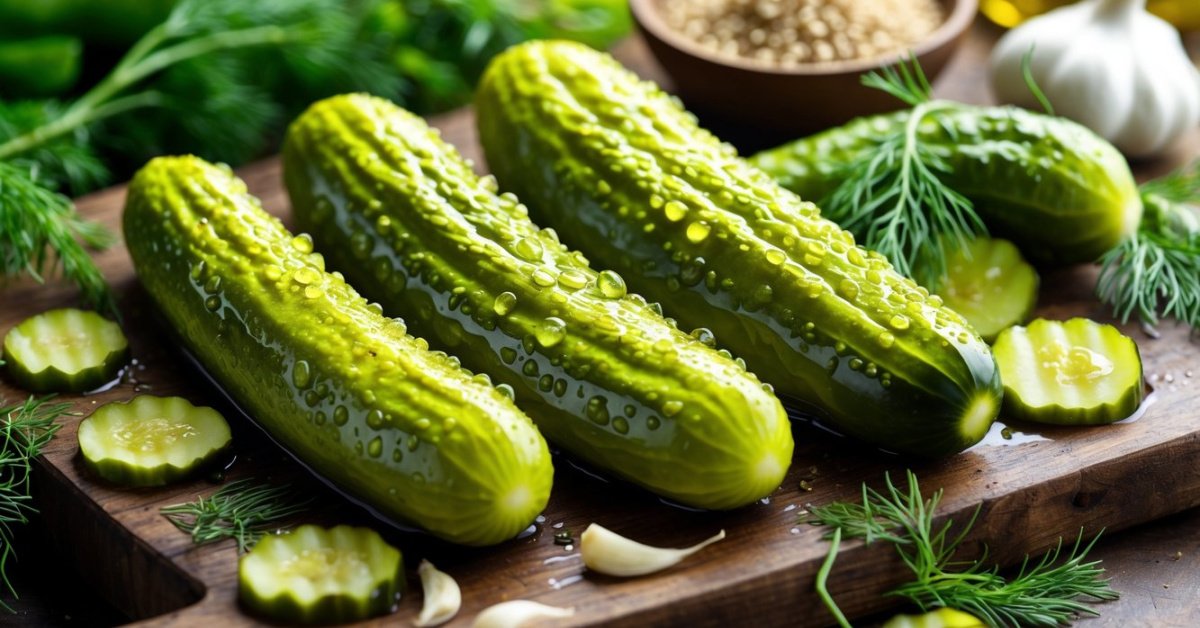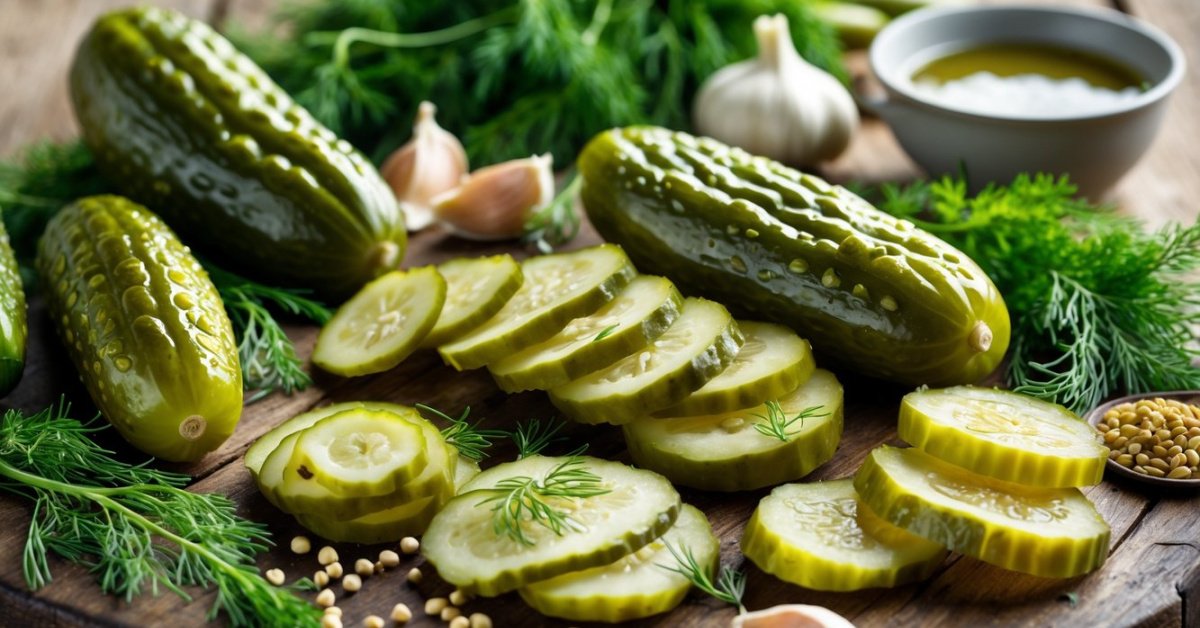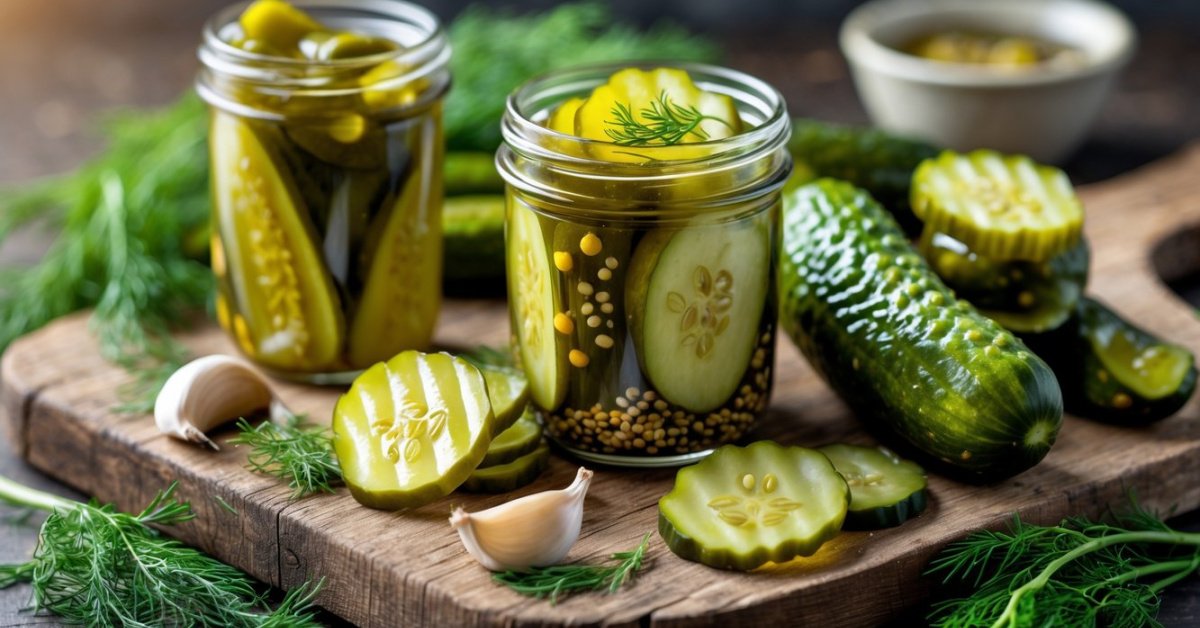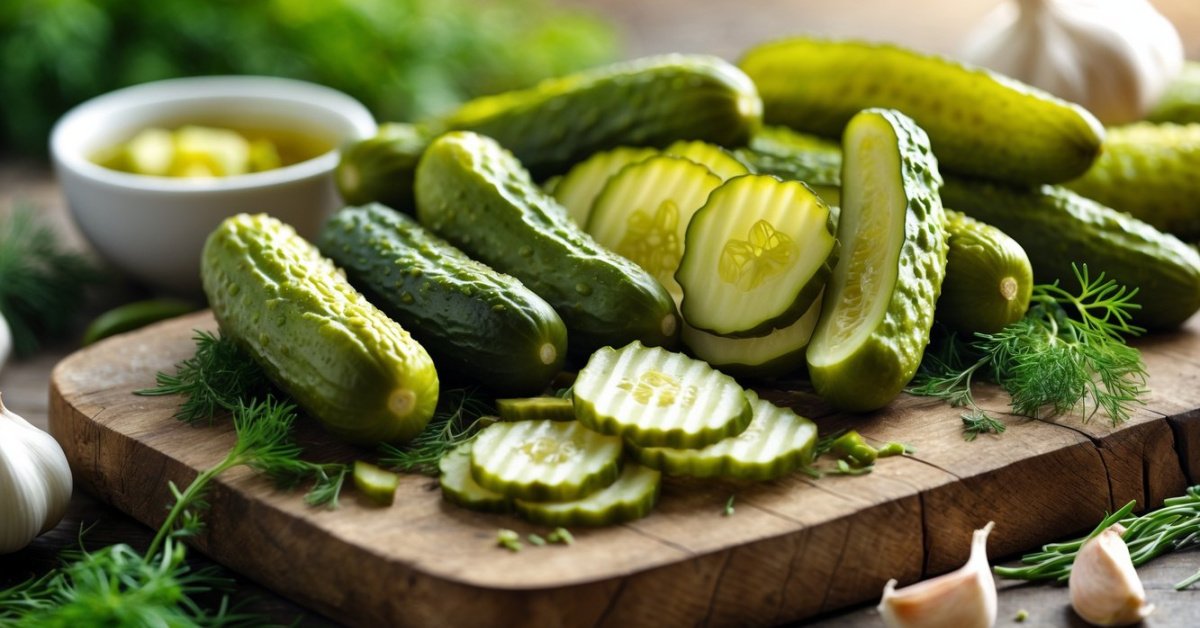
Whenever I think about Southern food, I can’t help but picture a plate piled high with fried chicken, biscuits, and—of course—a crunchy pickle on the side. Pickles might seem like a simple addition, but in the South, they’re so much more than just a garnish. They bring a pop of tangy flavor that cuts through rich dishes and adds a little excitement to every bite.
Growing up, I saw pickles at every family gathering and Sunday supper. Whether it was sweet bread-and-butter slices or spicy dill spears, there was always a jar on the table. It’s amazing how something so small can play such a big role in the traditions and tastes of Southern cuisine.
The History of Pickles in Southern US Cuisine
Pickling traditions in the Southern US stretch back to early colonists who brought recipes and preservation methods from Europe. I find that many Southern pickle recipes—like chow-chow, bread-and-butter pickles, and pickled okra—reflect these deep-rooted influences. Settlers needed reliable preservation options since hot climates made fresh produce spoil quickly, so pickling gave families access to vegetables year-round.
Pickles became kitchen staples after the Civil War, as home gardens expanded and self-sustaining households turned surplus cucumbers, beans, and peppers into pickled goods. I often reference 19th-century cookbooks that list dozens of regional pickle varieties, showing how local crops shaped distinct flavors.
Pickle history in the South links to gardening resurgence during events like the World Wars, when Victory Gardens encouraged home food preservation. Community canning sessions—still common in rural areas—helped pass down pickling techniques. Generational recipes, many handwritten on worn cards, continue to fill Southern pantries with bright, tangy jars.
Pickles also gained cultural significance as sides at Sunday dinners, church socials, and BBQs, with every region sporting unique pickle preferences. Generational pride flavors these traditions, as each family adapts and guards its own brine mixtures. I see this heritage every time I trade pickle jars at local farmer’s markets or read through handwritten notes from my grandmother’s collection.
Traditional Pickling Methods in the South
Southern pickling traditions center on time-honored recipes and gardening practices. I use techniques passed down through generations to ensure flavor, texture, and preservation align with Southern standards.
Common Ingredients and Techniques
My approach always starts with garden-fresh produce. Cucumbers, okra, green tomatoes, and watermelon rinds top my list for classic Southern pickling. I combine these with distilled vinegar, salt, sugar, and a spice mix that usually features mustard seeds, dill, garlic, and peppercorns for depth.
Fermentation and quick-pickling count as the two main processes I use. In fermentation, I submerge vegetables in saltwater brine without vinegar and let natural lactic acid form the tangy flavor. With quick-pickles, I heat vinegar with salt and sugar, pour it over the vegetables, and seal the jars for a crisp, bright bite. Boiling water baths make jars shelf-stable—most days in my kitchen end with rows of sealed jars cooling on towels.
Regional Variations
Southern states each showcase distinct pickling styles. I find that in the Mississippi Delta and Alabama, sweet pickles—sometimes layered with cinnamon or cloves—reflect African and British influences. In my North Carolina kitchen, I make chow-chow, a relish of cabbage and green tomatoes, which came from resourceful farmers using leftovers at season’s end.
In Texas and Louisiana, spicy pickles reign. I add jalapeños, cayenne, or hot sauce to my brines here, creating pickles with serious heat. Pickled okra also shows up on tables across the Gulf, where I use crunchy pods with garlic and red pepper, adding tang to fish fries and gumbo.
Each region’s pickle traditions grow from what local gardens yield, adapting spices and methods to match harvests and family tastes.
Iconic Southern Dishes Featuring Pickles
Pickles shape the character of many classic Southern staples. I see them as both an ingredient and a hallmark in several celebrated regional dishes.
Fried Pickles
Fried pickles, a popular Southern appetizer, combine tangy, crunchy pickles with seasoned batter. I make them using sliced dill pickles coated in cornmeal or flour, then fry the pieces until golden. You’ll find these at fairs, fish fries, and local diners across Mississippi and Arkansas. My experience shows that thicker cut rounds deliver the best texture, especially with spicy dipping sauces.
Pickles in Sandwiches and Burgers
Pickles elevate Southern sandwiches and burgers by adding acidity and crunch. For example, a classic pulled pork sandwich from the Carolinas gets layered with sliced bread-and-butter pickles, balancing the smoky meat. Fried chicken sandwiches, famous in Nashville and throughout Tennessee, feature dill pickles as the only garnish. I find homemade pickles from summer cucumbers offer stronger flavor compared to store-bought.
Pickled Relishes and Chow-Chow
Pickled relishes, including chow-chow, serve as essential Southern condiments. Chow-chow, a mixture of pickled cabbage, peppers, and green tomatoes, provides a tangy topping for beans, greens, or hot dogs—especially in North Carolina and Georgia. I prepare relishes using garden vegetables in late summer, turning bumper crops into tangy, shelf-stable accents that last year-round. These relishes bring brightness to heavy dishes and showcase the garden’s variety.
Cultural Significance of Pickles in the South
Pickles hold lasting cultural importance across the Southern US, weaving together family, community, and heritage with every briny bite. My decades of pickling experience have shown me that Southern identity runs deeply through every jar.
Family Recipes and Traditions
Pickling remains a cornerstone of Southern family tradition, connecting generations through shared recipes and hands-on rituals. In my family, I treasure handwritten pickle recipes passed down from grandmothers, each with precise measurements and secret spice blends. Relatives start pickling in childhood, helping snap beans or pack jars with okra, cucumber, or squash. Annual canning days become events where everyone has a role: sorting produce, watching the brine boil, or sealing jars. Recipes stay remarkably consistent over decades, even as gardens change. Techniques like fermenting dill pickles with garlic or layering sweet pickles with cinnamon and clove show how these methods preserve not just vegetables, but memory and kinship.
Pickles at Southern Gatherings
Pickles consistently find a place of honor at Southern tables, especially during communal meals. I make pickle platters for BBQs, church suppers, and reunions, arranging dill spears beside spicy okra and watermelon rind pickles for variety and conversation. Guests often judge a family’s table by the bite of their pickles or the creativity in their relish tray. Homemade pickles spark exchanges of recipes and comparisons of brining style, with every cook eager to showcase their best batch. At holiday feasts and summer picnics, jars of bread-and-butter pickles, pickled green tomatoes, and chow-chow become centerpieces as much as side dishes, reinforcing pickling’s role in Southern hospitality and celebration.
The Evolving Role of Pickles in Modern Southern Cuisine
Southern kitchens use pickles more creatively than ever, blending old traditions with fresh approaches. I’ve seen modern pickling go beyond classic bread-and-butter slices, adding bold new elements to both home kitchens and restaurant menus.
Contemporary Twists and Creative Uses
Cooks introduce unexpected produce, flavors, and fermentations to the pickling process. Carrots, watermelon rinds, and green beans join staples like cucumbers and okra. Chefs infuse brines with ingredients like turmeric, ginger, hot peppers, or bourbon to create distinct profiles, as seen in Nashville hot pickles and bourbon-pickled okra.
I layer pickled onions or jalapeños on tacos, fold diced pickled vegetables into deviled eggs, and use brines in salad dressings. Southern cooks blend pickles into pimento cheese for added brightness or serve pickled peaches beside smoked meats. These creative uses highlight the versatility of pickling, letting me reduce food waste and extend my garden’s bounty year-round.
Pickles in Restaurants and Food Festivals
Southern chefs incorporate house-pickled veggies in gourmet burgers, charcuterie boards, and salads. Restaurants showcase flights of regional pickles, often pairing them with cured ham or smoked fish to spotlight the contrast of flavors. Menus feature fried pickle chips, pickled deviled eggs, or pickle-infused sauces.
Food festivals celebrate pickling with contests and tasting booths, displaying everything from fiery habanero pickles to sweet tea-brined cucumbers. I often see local growers supplying unique produce just for these events, reinforcing connections among farms, restaurants, and communities. Pickles now stand as star attractions rather than simple sides, reflecting both culinary innovation and a renewed appreciation for Southern heritage.
Conclusion
Pickles have always held a special place at my table and in my heart. They’re more than a side or a topping—they’re a celebration of family tradition and Southern creativity. Every jar tells a story, whether it’s passed down from my grandmother or discovered in a new blend at a local festival.
I love seeing how pickles continue to bring people together, spark conversations, and keep our shared heritage alive. No matter how Southern cuisine evolves, I know pickles will always have a seat at the table—brightening our plates and connecting us to the flavors and stories that matter most.