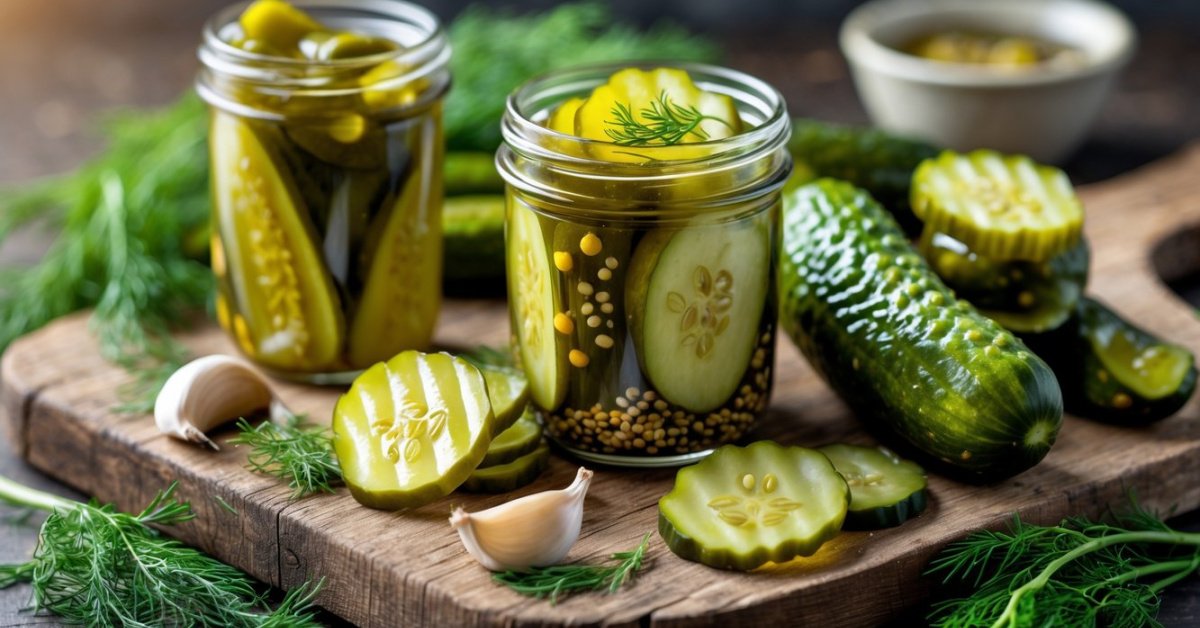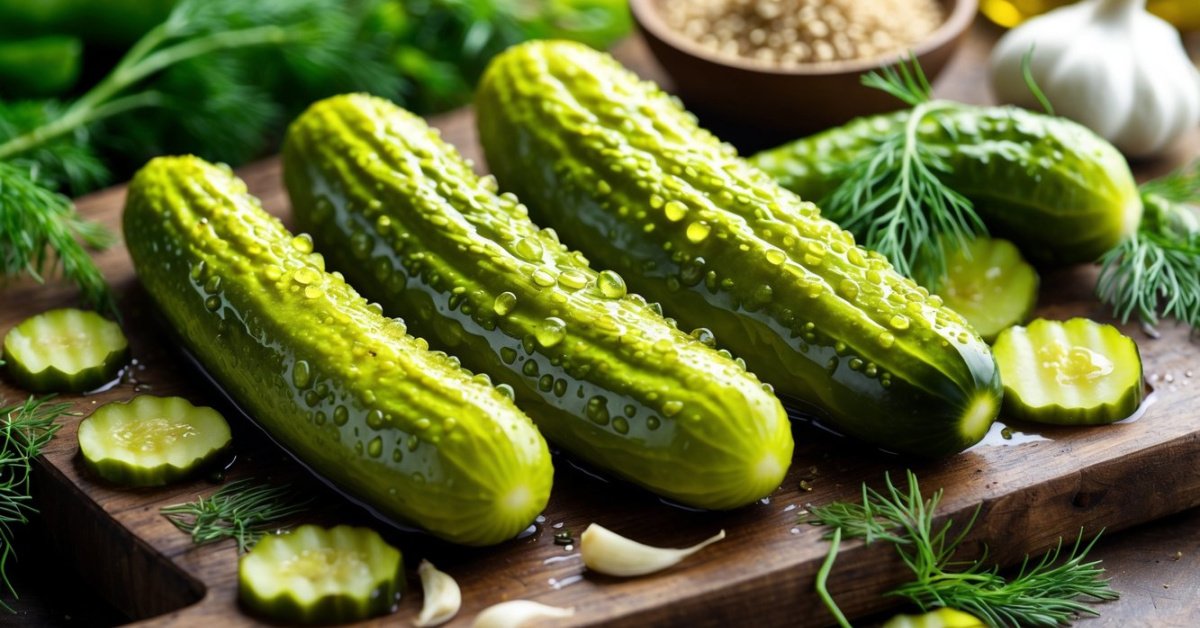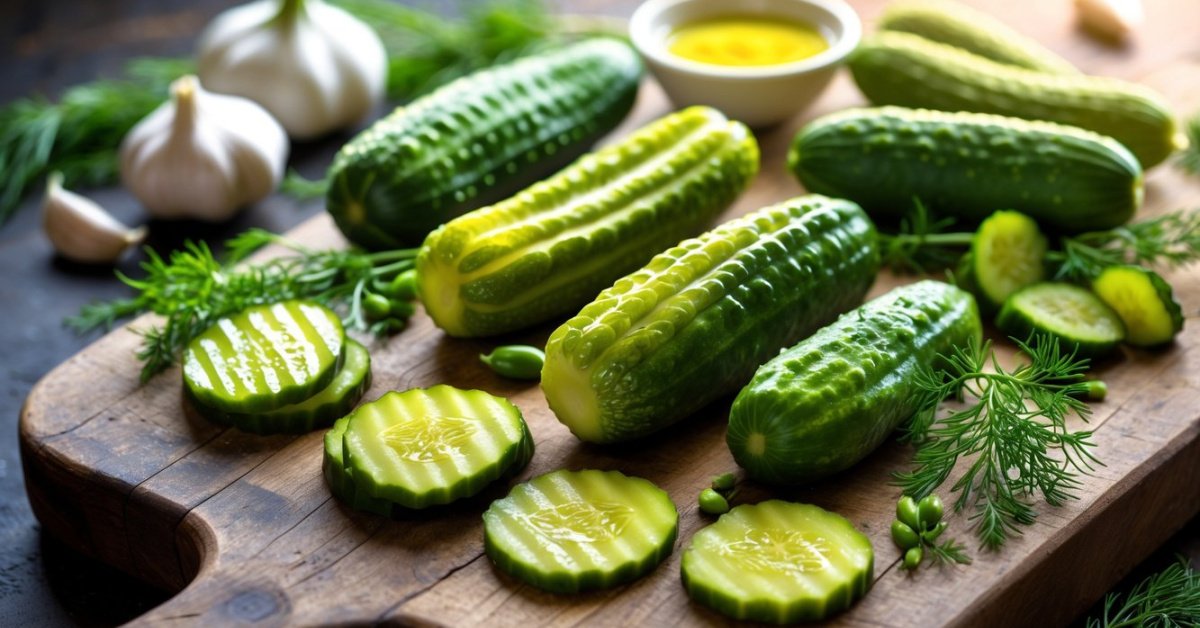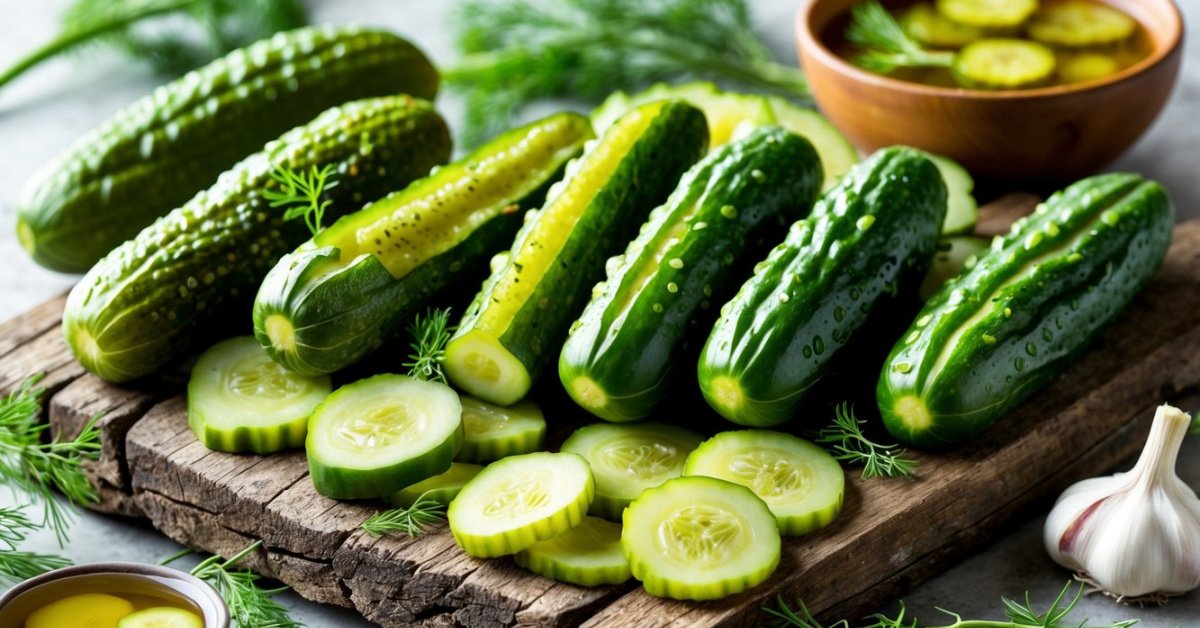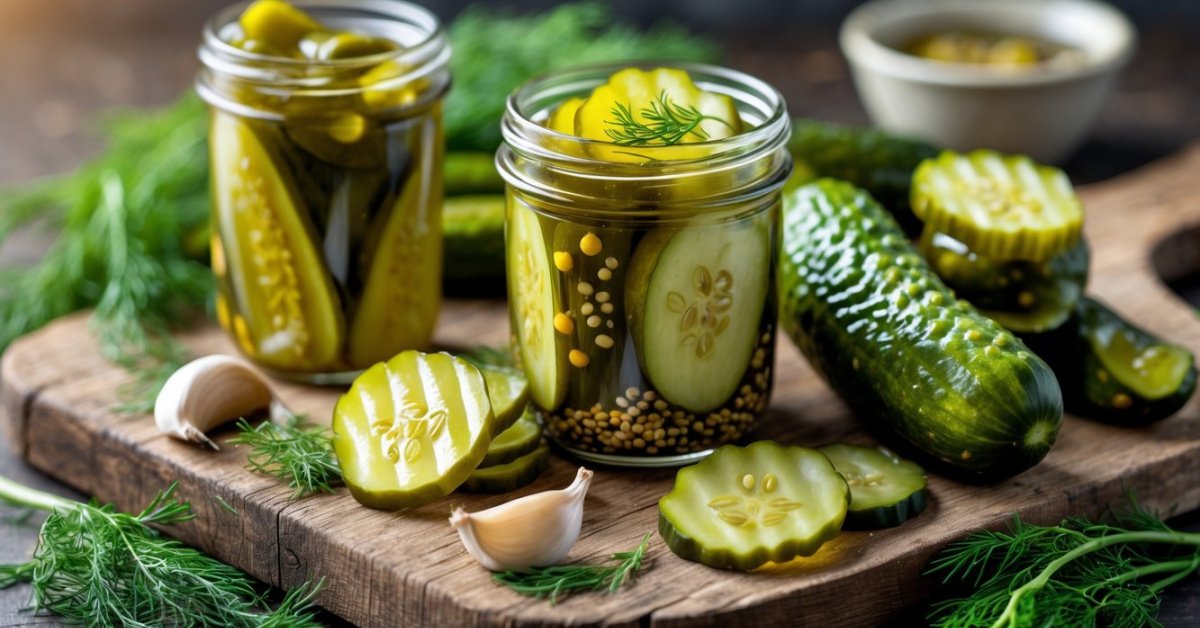
There’s something irresistible about a crisp pickle that’s packed with bold tang and a punch of garlic. Whenever I bite into a full-sour pickle I’m transported straight to a classic deli counter where barrels brim with these deep green gems. The flavor is so much more than just salty or sour—it’s a whole experience.
Full-sour pickles have a reputation for their deep fermented taste and complex character. They’re not your average cucumber—they’ve spent weeks soaking up spices and natural brine until every bite bursts with old-world charm. If you’ve ever wondered what makes full-sour pickles so special you’re in for a treat.
What Makes Full-Sour Pickles Unique?
Fermentation duration defines a full-sour pickle. I let cucumbers ferment at room temperature for at least 3 weeks, far longer than half-sour or quick-brined pickles. This long fermentation gives every batch a signature deep tang and complex acidity.
Brine composition distinguishes full-sour pickles. I use only water, Kosher salt, fresh garlic, dill, and sometimes a touch of spice—never vinegar. This creates a bold, sharp profile compared to vinegared or half-sour styles.
Texture and crunch separate these pickles. Extended fermentation draws water from cucumbers, then lactic acid preserves a firm snap when bitten. In each jar, cucumbers maintain structure yet absorb intense brine flavor.
Wild bacteria and natural yeasts generate a unique microbial balance. I rely on naturally occurring Lactobacillus species to create the distinctively sour, effervescent flavor. Commercially produced pickles often can’t replicate this intricate ecosystem.
Traditional roots link full-sour pickles with classic Jewish delis and old-world barrel methods. I see every jar echoing the homesteading and preservation values passed down by generations, making them a favorite for sustainability-driven home picklers like me.
The Fermentation Process Behind Deep Flavor
Full-sour pickles get their signature taste from a slow, carefully monitored fermentation. I’ve made thousands of jars, and deep flavor always traces back to authentic, time-tested methods.
Traditional Methods and Ingredients
Cucumbers, water, Kosher salt, fresh garlic, and bunches of dill start the process—no vinegar needed for full-sour results. I use only garden-fresh cucumbers for solid crunch, layering them in barrels or glass crocks. Whole spices—mustard seed, coriander, sometimes a chili pepper—deliver complexity, but I keep flavors balanced to highlight the cucumber’s natural brightness. Kosher salt solution, usually 5-6% by weight, creates the right environment for safe, slow fermentation. Covering the pickles with brine and weighing them down prevents contact with air, stopping spoilage and letting good microbes thrive.
The Science of Lacto-Fermentation
Lacto-fermentation transforms cucumbers as wild Lactobacillus bacteria convert natural sugars into lactic acid, dropping the pH and creating tang. I measure the stages using simple pH test strips, looking for readings below 4.0—proof that powerful acidity and unique sourness have set in. Beneficial bacteria multiply best at 68–72°F, so I keep my fermentation crocks in a cool, steady spot. During the process, the brine goes cloudy and bubbles rise—a sign of bacterial activity breaking down sugars and releasing carbon dioxide. This environment preserves texture, boosts probiotics, and locks in the layered aroma and flavor full-sour pickles always deliver.
Tasting Notes: Exploring Deep Fermented Flavor
Full-sour pickles deliver a layered, bold experience that appeals to anyone who enjoys deep, briny complexity. I savor each bite for its combination of bright acidity, assertive salinity, and garden-fresh aromatics that define true fermented pickles.
Texture and Aroma
Firmness gives full-sour pickles their signature crunch, thanks to slow fermentation that preserves cell structure. I notice the snap the moment my teeth break the skin—this texture sets them apart from softer, vinegar-based pickles. Aromas carry distinct garlic, fresh dill, and subtly earthy notes; the fermentation amplifies these, melding briny and vegetal scents. When I open a jar, I inhale sour, spicy, and herbal qualities at once.
Balancing Tartness and Saltiness
Balanced acidity and salinity make these pickles deeply satisfying. Lactic acid creates a prominent tang that never overwhelms the underlying cucumber flavor. I use unrefined Kosher salt in precise ratios to create brine that sharpens sourness without tasting harsh or metallic. When I taste a finished batch, the tartness hits first, followed by mouthwatering salt, then gentle garlic, and finally fresh dill. This harmony gives full-sour pickles complexity and depth that mass-produced pickles can’t match.
Comparing Full-Sour Pickles to Other Pickle Styles
Full-sour pickles stand out among pickle types because I rely on deep fermentation methods and traditional brines that coax complex flavors from fresh cucumbers. Other pickle styles offer quicker results or different tastes, but they can’t duplicate the depth and texture of full-sour pickles.
Half-Sour vs. Full-Sour
Half-sour pickles use the same basic ingredients as full-sours—cucumbers, water, Kosher salt, garlic, and dill—but their fermentation lasts only 3–7 days at room temperature. I notice that half-sours keep most of the cucumber’s natural crunch and bright green color, with subtle acidity and a milder brine flavor. Full-sours, fermented for 3 weeks or more, develop robust lactic acidity, pronounced garlic and dill notes, and a deeper olive-green hue. I find the final texture firm but yielding, with a pronounced tang that dominates over simple salinity. While half-sours appeal to those seeking a crunchier, fresher pickle, I always reach for full-sour pickles when I want a pickle that’s layered, rich, and bold.
Store-Bought vs. Homemade
Store-bought pickles often use vinegar as a preservative, which speeds up the pickling process to just hours or days. Most commercial products—like classic “Kosher dills”—deliver consistent crispness but often lack the complexity and probiotic benefits of naturally fermented pickles. Homemade full-sour pickles, using wild fermentation, produce cloudy brine and a complex bouquet of flavors backed by living cultures. The brine transforms over weeks, letting me control salinity and spice to match homegrown cucumbers and garden herbs.
| Pickle Style | Fermentation Time | Brine Base | Main Flavor Drivers | Color & Texture |
|---|---|---|---|---|
| Half-Sour | 3–7 days | Salt, water | Mild tang, fresh dill | Green, crisp |
| Full-Sour | 21+ days | Salt, water | Strong sour, garlic | Olive green, firm |
| Store-Bought Dill | None–few days | Vinegar | Sharp, single-note | Consistent, less complex |
| Homemade Full-Sour | 21+ days | Salt, water | Deep, complex, probiotic | Cloudy, crunchy |
Serving Suggestions and Recipe Ideas
Pairing full-sour pickles with hearty sandwiches like pastrami on rye or turkey club enhances bold, fermented flavors. Layer slices onto burgers, grilled cheese, or Reuben sandwiches for a sharp, tangy kick and signature crunch.
Adding chopped full-sour pickles to potato salad, egg salad, or chicken salad creates vibrant acidity and depth. Mince them into deviled eggs, tuna salad, or coleslaw to balance rich or creamy bases.
Include full-sour pickles on charcuterie boards, pairing with cured meats, sharp cheeses, and whole-grain mustard for a classic deli vibe. Arrange spears with cured salami, Swiss or cheddar, and rye crackers for crowd-pleasing snacks.
Dice pickles into relish for topping bratwurst, hotdogs, or grilled sausages. Mix with fresh onions, dill, and a dash of brine for an extra layer of flavor.
Serve whole or sliced spears alongside traditional comfort foods like roasted meats, pierogies, or potato pancakes to cut through richness with crisp acidity.
Explore creative uses—chop pickles into rustic tartar sauce, pulse them into ranch dip, or blend brine into bloody Marys for a punchy twist.
Incorporate pickling brine into salad dressings, marinades, or as a tangy base for vinaigrettes. Add a splash when braising greens, simmering beans, or seasoning soups to lend a depth only wild fermentation achieves.
Try full-sour pickles as a pizza topping; their acidity balances melted cheese and spicy sausage. Drop spears into grilled wraps or paninis right before serving for a juicy bite.
Preserve every harvest by repurposing leftover brine to quick-pickle other garden vegetables—radishes, carrots, or cauliflower develop quick, funky flair with minimal fuss.
Where to Find the Best Full-Sour Pickles
Brick-and-mortar delis carry authentic full-sour pickles, especially legacy spots in New York City and Brooklyn—examples include Katz’s Delicatessen and The Pickle Guys—offering barrels packed with naturally fermented, tangy pickles. Regional farmers markets carry local small-batch brands, often featuring full-sour pickles made from peak-season cucumbers and time-honored fermenting techniques. Natural grocers like Whole Foods market artisan barrel pickles from companies such as Bubbies or Ba-Tampte, both using traditional fermentation and clean ingredients.
Online specialty retailers ship full-sour pickles nationwide—examples include Goldbelly and NYC’s Guss’ Pickles—giving access to regional flavors without local travel. CSA (Community Supported Agriculture) shares sometimes include full-sour pickles, if local farms partner with artisan picklers during cucumber season.
Homemade full-sour pickles create the most customizable and satisfying results, if you prefer to control brine, spices, and fermentation time. I use garden-fresh cucumbers, non-iodized salt, and filtered water for best flavor and texture. Joining local pickling workshops or community fermentation clubs often connects you with mentors, live demonstrations, and home-fermented samples.
Here’s a quick summary of reliable sources:
| Source Type | Examples | Notes |
|---|---|---|
| Deli Counters | Katz’s, The Pickle Guys | Authentic, classic barrel-fermented pickles |
| Farmers Markets | Local brands, direct-from-farm pickles | Small batches, peak-season cucumbers |
| Natural Grocers | Bubbies, Ba-Tampte | Consistent quality, wide availability |
| Online Retailers | Goldbelly, Guss’ Pickles | National shipping, regional specialties |
| CSA Shares | Local farm-cooperative pickles | Seasonal, varies by region and partnership |
| DIY/Home Fermenting | Garden-grown or store-bought cucumbers | Highest control, deeply personal results |
I maximize fermentation flavor by choosing fresh, unwaxed cucumbers and monitoring every batch for classic cloudiness and tang. For full-sour pickle enthusiasts, these sources offer the most authentic and robust-tasting options.
Conclusion
Full-sour pickles have a way of capturing both tradition and bold flavor in every crunchy bite. I find their deep tang and complexity endlessly fascinating and love how they bring a special touch to any meal or snack.
If you’ve never tried making your own or sought out a truly authentic deli pickle I hope you’ll give it a go. There’s nothing quite like the satisfaction of tasting that perfect balance of sourness and crunch that only real fermentation can deliver.