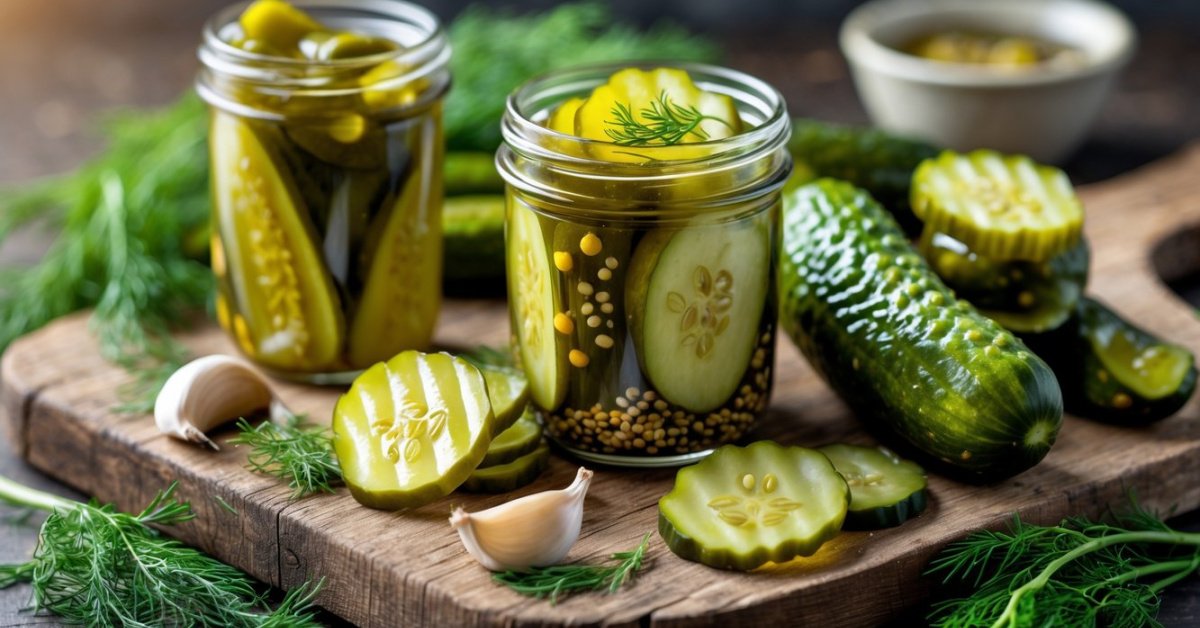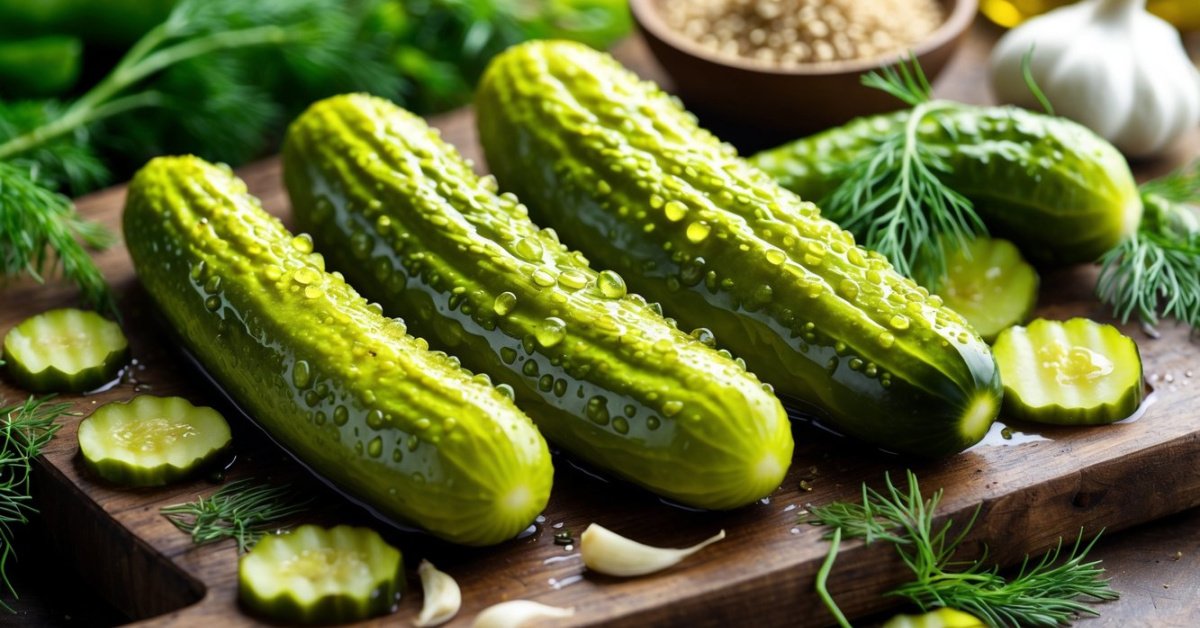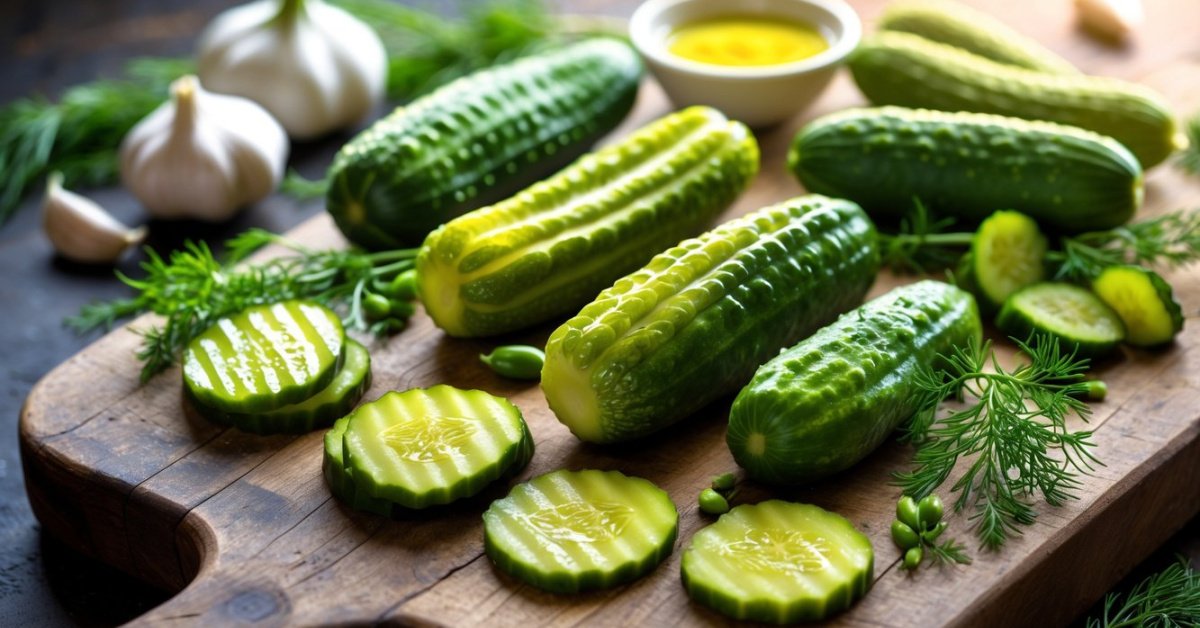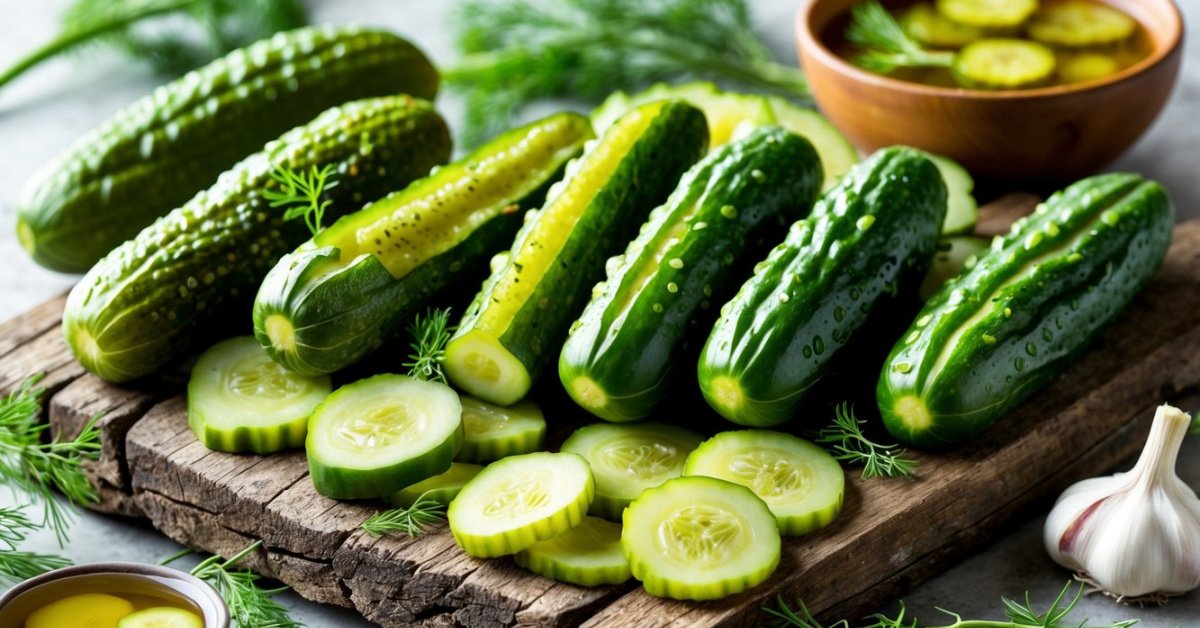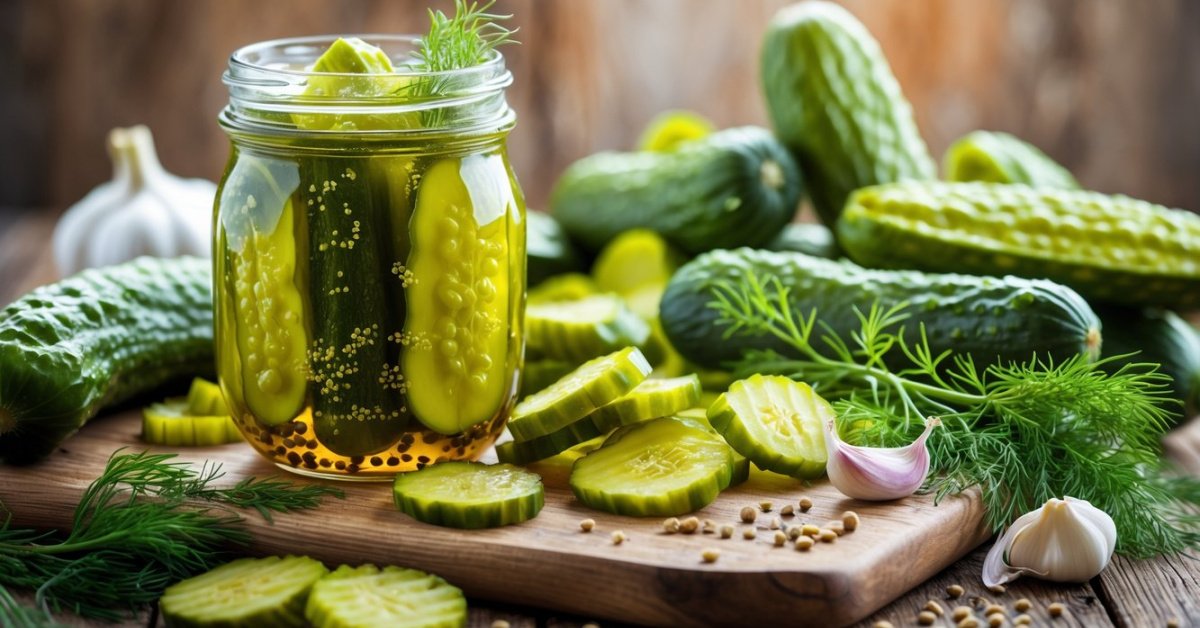
Whenever I bite into a crisp kosher dill pickle I can’t help but wonder what sets it apart from all the other pickles out there. There’s something bold and tangy about that flavor that just begs for another taste. I’ve always been curious about what makes these pickles so special and why they’ve become a staple in so many kitchens.
From deli counters to backyard barbecues kosher dill pickles seem to show up everywhere. I love how they add a zesty crunch to sandwiches or stand alone as a snack. But there’s more to their story than just great taste and crunch. I’m excited to dig into what really makes kosher dills unique and why they’ve earned such a devoted following.
The Origins of Kosher Dill Pickles
Kosher dill pickles emerged from Eastern European Jewish communities who migrated to the United States in the late 19th and early 20th centuries. I source cucumbers, dill, garlic, salt, and water for these pickles, following traditional Jewish dietary practices, or kashrut. Immigrant families brought fermentation techniques, making pickles in wooden barrels using natural lacto-fermentation, not vinegar brine.
Jewish delis in New York, such as Katz’s Delicatessen and Carnegie Deli, became famous for brining their pickles with ample garlic and fresh dill. These flavors distinguish kosher dill pickles from other varieties like bread and butter pickles or Polish-style pickles. Kosher pickles, by definition, follow rabbinical supervision and strict preparation standards, though in retail terms, “kosher-style” often means the robust garlic-dill flavor.
Through growing and preserving my own cucumbers, I follow methods reflecting these origins. I focus on garlic and dill, prioritize non-iodized salt, and use cold fermentation to replicate classic results. This balance of heritage, tradition, and careful technique defines the distinct history behind every batch of kosher dill pickles.
Key Ingredients and Preparation Methods
Kosher dill pickles always rely on carefully chosen ingredients and classic preparation steps. My batches get their distinct personality from the way I combine tradition with fresh gardening harvests.
Traditional Brining Process
I use a saltwater brine, never vinegar, to start the kosher dill fermentation. Brining tanks or glass jars get layered with firm cucumbers, then filled with a salt solution using roughly 5% salt to water ratio. For 1 gallon of water, I dissolve about half a cup of kosher salt, making sure the cucumbers are completely submerged. I keep them weighted beneath the brine, away from air, to support lactic acid bacteria growth. Fermentation takes about 3 to 7 days at 65°F to 75°F, though colder cellars slow things down. If I see cloudy water or bubbles, I know it’s working.
Essential Spices and Flavors
Dill heads, fresh from my own garden, go into every jar. Garlic cloves, halved, always get tucked around the cucumbers for their pungency. I sometimes add black peppercorns, mustard seeds, or bay leaves, but dill and garlic remain non-negotiable for that signature flavor. I use no preservatives or artificial flavors, since genuine kosher dill means natural ingredients only. This approach highlights what makes these pickles tangy, aromatic, and unmistakably “kosher” in flavor.
What Sets Kosher Dill Pickles Apart
Kosher dill pickles stand out for their bold flavor and adherence to authentic preparation methods. I focus on classic ingredients and specific processes that honor tradition and elevate taste.
The Role of Garlic and Salt
Garlic and salt define the distinctive punch of kosher dill pickles. I always use whole garlic cloves, never powders or substitutes, which infuse the brine with sharp, aromatic notes. Kosher salt—not table salt—is my choice for every batch. This salt creates a pure, clean brine that ferments rather than preserves with vinegar. Garlic and salt together spark lactic acid fermentation, producing the signature tang and crunch, as seen in traditional barrels from Brooklyn delis.
Certification and Authenticity
Certification communicates authenticity and adherence to Jewish dietary laws. For a pickle to carry the “kosher” label, a rabbi or certifying agency must oversee ingredient sourcing and production. I note that while “kosher-style” pickles mimic flavor by using dill and garlic, true kosher dill pickles require this supervision. Only pickles made under these standards meet the criteria for kosher certification, ensuring both tradition and trust for enthusiasts like me.
Taste and Texture Comparison
Kosher dill pickles deliver an unmistakable tang and crunch that set them apart in the pickling world. When I compare them to other varieties, specific differences in flavor and mouthfeel always stand out.
Kosher Dill vs. Other Pickles
Kosher dill pickles rely on a saltwater brine with abundant dill and garlic, which gives them a bold, garlicky snap and a fresh herbal aroma. The fermentation process develops a tangy, layered flavor, which I never find in pickles preserved with vinegar. In contrast, bread-and-butter pickles use sugar, onions, and vinegar, which add sweetness and softness, lacking the bright, sharp notes kosher dills are known for.
Texture also helps define the kosher dill experience. Naturally fermented kosher dills have a crisp, snappy crunch, which results from fermenting at cellar temperatures—Q&A tests at the National Center for Home Food Preservation confirm shelf-stable acidity and crunch after several weeks. Most commercial “dill pickles” outside the kosher tradition use acetic acid from vinegar and often lose that signature crunch, ending up softer and less vibrant.
Freshness plays another role. I’ve found that kosher dills using garden-fresh cucumbers stay firmer and carry a brighter green color than mass-produced pickles, which sometimes appear dull or translucent after processing. Examples like those served at Katz’s Delicatessen in New York showcase the sour, garlicky, and briny profile in every bite, unlike milder hamburger chips or classic sweet gherkins.
| pickle type | main flavor notes | texture | fermentation | key ingredients |
|---|---|---|---|---|
| Kosher dill | Tangy, salty, garlicky, dill | Crisp, snappy | Natural (brine) | Cucumbers, dill, garlic |
| Bread-and-butter | Sweet, tangy, onion | Soft | Vinegar (quick) | Cucumbers, sugar, onion |
| Classic sweet gherkins | Syrupy, mild | Firm, small | Vinegar (quick) | Cucumbers, sugar, spices |
| Non-kosher dill (commercial) | Tangy, mild dill | Soft, less crunch | Vinegar (quick) | Cucumbers, dill, vinegar |
Every batch I make highlights these differences, showing how the kosher dill remains a favorite for bold flavor and lasting texture.
Health Benefits and Considerations
Kosher dill pickles offer distinct health benefits, especially when made with traditional fermentation. I always prioritize wild fermentation over vinegar-based methods because natural brining encourages beneficial probiotic bacteria like Lactobacillus. Consuming fermented kosher dills can support gut health by boosting these helpful microbes, with research from Harvard T.H. Chan School of Public Health noting improvements in digestion and immunity for those regularly eating fermented foods.
Sodium content is one important consideration in kosher dill pickles. I use only kosher salt for brining, which maintains purity but results in relatively high sodium per serving, sometimes reaching 350–400 mg in a single speared pickle. For anyone on a low-sodium diet, moderation remains key.
Vitamins and antioxidants persist in naturally fermented pickles. My garden cucumbers retain vitamin K, vitamin A, and trace amounts of minerals after brining, with the fermentation process helping preserve these nutrients. Some studies, such as those published in the Journal of Food Science, suggest that antioxidant activity increases slightly during traditional fermentation.
Additives and preservatives don’t enter the equation with my traditional process. Commercial pickles often include stabilizers or artificial ingredients, but authentic kosher dills made at home or in classic delis tend to be additive-free, aligning with self-sustainable values.
The table below compares key nutritional aspects to help clarify:
| Nutrient/Component | Naturally Fermented Kosher Dills (per spear) | Commercial Vinegar Pickles (per spear) |
|---|---|---|
| Calories | 5–15 | 5–20 |
| Sodium (mg) | 350–400 | 250–350 |
| Probiotics | Present | Rarely present |
| Vitamin K (mcg) | 7–12 | 4–10 |
| Additives | None | Common |
Adverse reactions rarely occur, though sensitive individuals may notice mild bloating due to probiotic activity or digestive adjustments. My experience shows that introducing fermented foods gradually helps the body adapt. If health concerns persist, consulting a nutrition professional is best.
Conclusion
Kosher dill pickles have always captured my attention with their vibrant taste and rich heritage. Every time I bite into one I’m reminded that there’s so much more behind that satisfying crunch than just a simple snack.
Whether you’re savoring them straight from the jar or adding them to your favorite sandwich these pickles continue to inspire curiosity and appreciation. I find it fascinating how tradition and flavor come together in every batch making kosher dills a true classic worth celebrating.