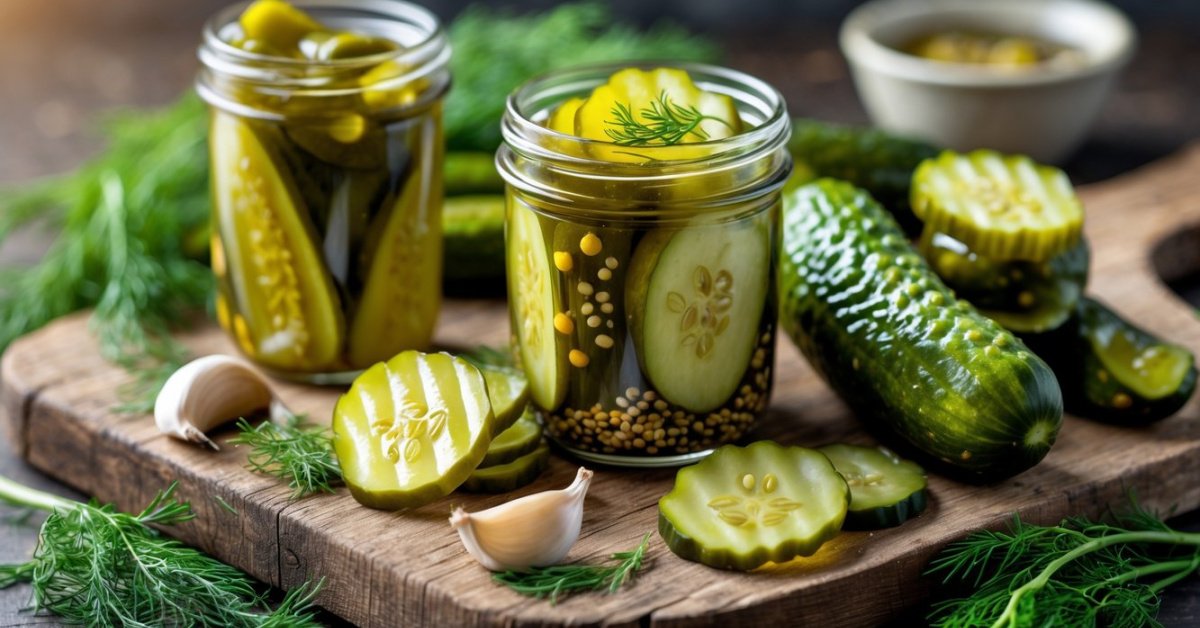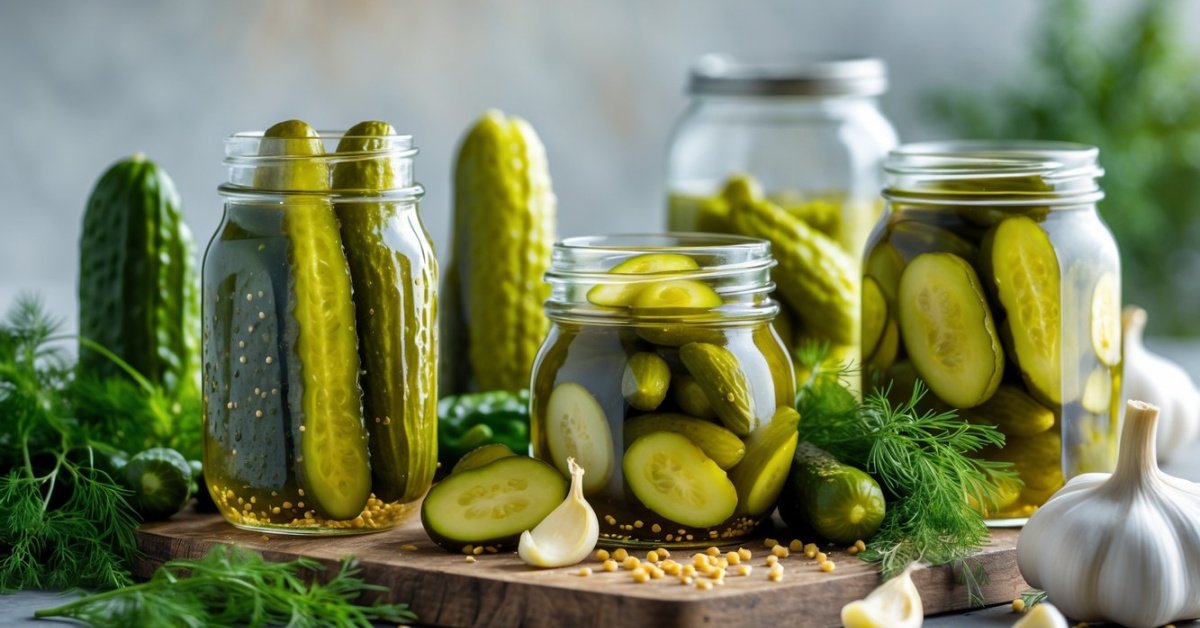
I’ve always loved the crisp snap of a fresh carrot but pickling takes that crunch to a whole new level. There’s something irresistible about the way a pickled carrot bursts with tangy flavor while still keeping its vibrant color and satisfying bite. Every time I open a jar I know I’m in for a treat that’s both tasty and eye-catching.
Pickled carrots are more than just a fun snack. They brighten up salads sandwiches and even cheese boards with their bold color and zesty taste. Whether I’m making a quick batch at home or grabbing a jar from the store these crunchy veggies always add a little excitement to my meals.
The Appeal of Pickled Carrots: Crunchy and Colorful
Pickled carrots offer a satisfying combination of texture and vibrant color. I get a rewarding crunch with every bite, which sets them apart from softer pickled vegetables like cucumbers or peppers. Brined carrots retain their snap because the pickling process preserves their cell structure, especially when I use fresh garden harvests.
Color serves a dual purpose in pickled carrots. I see shades ranging from classic orange to purple and yellow, depending on my chosen carrot variety. These pickled slices add a visual pop to jars, salad bowls, bento boxes, and antipasto platters. Dishes instantly look more enticing when these colorful sticks are mixed in.
Tangy flavor hits right after the crunch. Pickled carrots absorb the vinegar brine evenly, drawing sharp notes into every slice. I find this tang enhances rich foods, like sharp cheddar or roasted meats, and balances heavier flavors. My batches often include peppercorns, dill seeds, or garlic cloves for an extra layer of taste.
Flexible uses make pickled carrots a kitchen staple. I chop them into relishes, stack them onto sandwiches, and serve them as crunchy snacks right from the jar. Their versatility and bold look mean I rarely host a gathering without offering a dish featuring pickled carrots, showing guests both the fruits of my garden and my pickling passion.
Taste and Texture: What Sets Them Apart
Pickled carrots offer a distinct combination of taste and mouthfeel that’s rare among pickled vegetables. My experience with homegrown, hand-pickled carrots lets me bring out these unique aspects in every batch.
Sweet and Tangy Flavor Profile
Pickled carrots showcase a layered flavor profile that stands out among pickled vegetables. Natural carrot sugars give a subtle sweetness, then vinegar brine brings sharp tang balanced by added spices—examples include coriander, dill, and mustard seed. Home pickling lets me adjust sugar and vinegar ratios to highlight carrots’ earthiness or enhance their brightness, depending on the carrot variety—like Nantes or Purple Haze.
Irresistible Crunchiness
Pickled carrots deliver a signature snap with every bite, setting them apart from softer pickles. Dense carrot cell structure holds up through the pickling process, preserving firm texture longer than cucumbers or beets. Quick-brining and ice baths keep home-pickled carrots especially crisp. This crunch, combined with vibrant color and flavor, creates a sensory experience unmatched by other homemade preserves.
Health Benefits of Pickled Carrots
Pickled carrots offer a range of health advantages while adding texture and color to my meals. Their nutritional content and unique fermentation potential make them a staple in my pickling repertoire.
Nutritional Value
Carrots provide beta carotene, potassium, and fiber in every serving. Pickling preserves these nutrients in raw form, especially beta carotene, which supports eye health according to the USDA National Nutrient Database. Each spear contains roughly 2 grams of fiber and 2000 mcg of beta carotene per 100 grams. Garden-grown varieties like purple and yellow carrots deliver varied antioxidants, such as anthocyanins and lutein, making every batch rich in plant compounds.
Probiotic Advantages
Fermented pickled carrots supply beneficial bacteria when prepared using a brine fermentation method. Lacto-fermentation, a traditional process I use often, encourages the growth of Lactobacillus species, recognized for supporting digestive health by Harvard T.H. Chan School of Public Health. These probiotics build gut diversity. Quick-pickled carrots with vinegar don’t produce probiotics, so I choose the fermenting route if I want those added benefits.
How to Enjoy Pickled Carrots: Crunchy and Colorful
Pickled carrots offer crisp texture and vivid color in every bite. I use them to add bright flavor, whether snacking or building creative dishes.
Snacking Options
I reach for pickled carrots as a snack, pairing them with hummus, sharp cheddar, or mixed olives. I keep jars in my fridge for easy grab-and-go crunch. My family enjoys them straight from the jar or arranged on a vegetable platter alongside cucumber spears, pickled beans, and pepperoncini. When assembling lunchboxes, I tuck a few colorful carrot spears next to sandwiches or wraps for an appealing, tangy contrast and added nutrition.
Creative Recipe Ideas
I add pickled carrots to salads, folding sliced rounds or batons into mixed greens, rice bowls, or grain salads for texture and acidity. Tacos and wraps benefit from julienned pickled carrots, which cut through rich meats and add visual appeal. For cheese boards, I layer pickled carrots with nuts, dried fruit, and artisan cheeses, making use of several carrot colors for a striking centerpiece. When making bánh mì sandwiches, I let the tangy crunch of pickled carrots balance savory fillings. I also dice them for relishes, potato salads, or noodle dishes, incorporating their unique flavor into everyday meals and special gatherings.
Choosing or Making the Best Pickled Carrots
Crunchy and colorful pickled carrots elevate any table. I rely on both store-bought and homemade jars, each with unique advantages.
Store-Bought Versus Homemade
Store-bought pickled carrots offer convenience and consistency. Major brands like Rick’s Picks, Grillo’s, and Mount Olive give uniform crunch and familiar tang, though they usually use orange carrots and a standard vinegar-sugar ratio. Jars from farmers’ markets sometimes feature heirloom carrots or spicier brines—these add visual interest and unexpected flavors.
Homemade pickled carrots let me control flavor, texture, and ingredient quality. I select carrots from my garden—purple, yellow, or white for added visual flair. House-made brines give me freedom to use garlic, mustard seed, or fresh herbs. With home batches, I fine-tune the balance of sugar and vinegar, adjusting for the carrot variety and meal pairing.
Tips for Perfect Homemade Pickled Carrots
Firm carrots and clean prepping produce the best results. I harvest young, crisp roots in early morning for peak cell structure. After a quick scrub, I cut carrots into uniform sticks or coins, using a sharp knife for precision.
Blanching pieces for 1-2 minutes and shocking in ice water keeps the color vibrant and helps hold crunch. I experiment with brines: for quick-pickling, I heat a mix of 1 cup vinegar, 1 cup water, and 2 tablespoons sugar. Shelf-stable batches require hot sterilized jars, a 1:1 vinegar-water ratio, and 1 teaspoon salt per cup of liquid.
Layering spices—such as chili flakes, coriander seeds, black peppercorns, and fresh dill—builds depth. Packing jars tightly and pouring brine to fully submerge roots prevents spoilage and retains bite. Homemade batches stay crisp for weeks in the fridge, with flavor peaking after 48-72 hours.
If I need probiotics, I ferment using a 2% brine (20 g salt per 1 L water). I keep carrots submerged with a fermentation weight, checking daily for bubble activity and desired tang.
| Pickled Carrots Type | Carrot Selection | Brine Base | Key Benefit | Example Source |
|---|---|---|---|---|
| Store-Bought | Mostly orange, firm | Standard vinegar, sugar, salt | Convenience | Grillo’s, Rick’s |
| Farmers’ Market | Heirloom, mixed color | Custom, sometimes spicy | Artisanal flavors | Local stands |
| Homemade Quick | Any garden variety | Custom vinegar, sugar, salt | Full customization | My garden |
| Homemade Fermented | Young, specialty | Salt-water (for lacto-fermenting) | Probiotics, crunch | My fermenting jar |
Choosing between store-bought or homemade, I prioritize both the visual spectrum and the crisp, boldly seasoned finish. This always reflects my passion for both picking and pickling from the garden.
Conclusion
Pickled carrots always find a way to brighten my table and spark my creativity in the kitchen. Their crunch and color never fail to impress guests or add a little fun to my everyday meals. Whether I’m reaching for a jar I made myself or picking up a new variety at the store I know I’m in for a treat.
If you haven’t tried making your own pickled carrots yet I highly recommend giving it a shot. There’s something special about experimenting with flavors and seeing those vibrant jars line up on the shelf. Pickled carrots are more than just a snack—they’re a celebration of color taste and tradition that I love sharing with others.