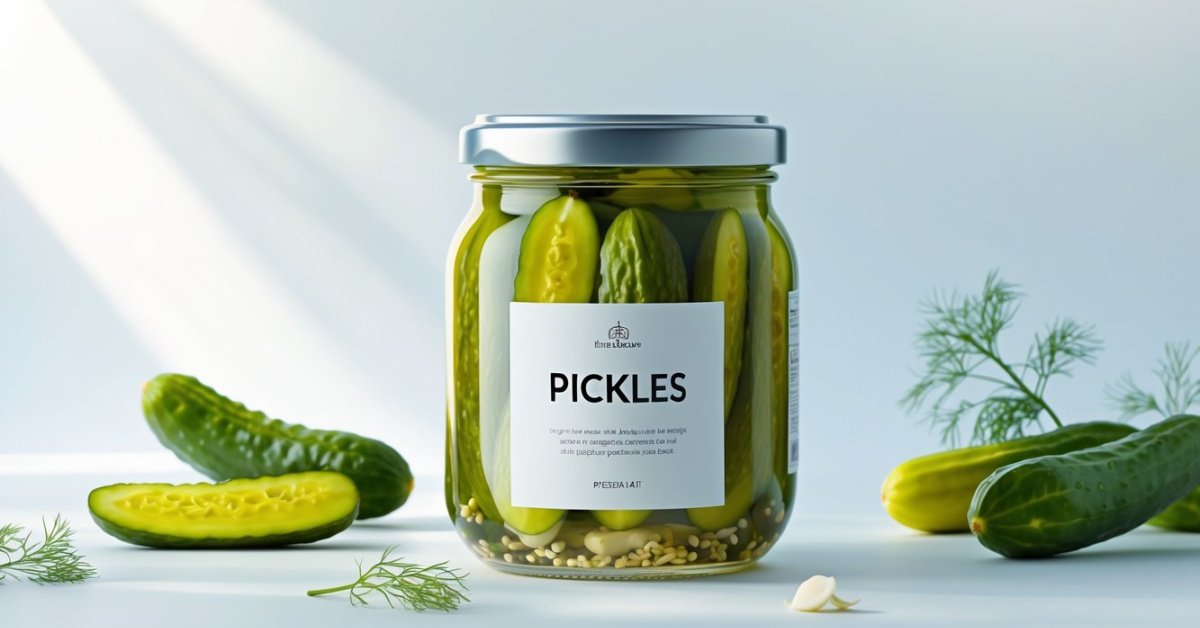
I can never resist the punchy flavor of garlic pickles. They’re the kind of snack that wakes up my taste buds and instantly adds excitement to any meal. Whether I’m piling them on a sandwich or sneaking a few straight from the jar, I love how their boldness never gets lost.
Garlic pickles come in so many varieties, each one bringing its own unique twist. Some are fiery and tangy, while others are mellow but deeply savory. I’ve found that there’s a garlic pickle for every craving, and exploring the options always feels like a mini flavor adventure.
What Makes Garlic Pickles Bold and Savory
Bold flavors in garlic pickles come from fresh garlic cloves, crushed or sliced, that infuse brine with sharp intensity. I always use homegrown garlic when possible, since cloves harvested at peak flavor bring out the strongest essence.
Savory character emerges through balanced seasoning. I layer spices like black peppercorns, mustard seeds, and coriander, then finish with bay leaves and dill for depth. Fermentation amplifies this boldness—wild lactic acid bacteria give garlic pickles a tangy bite that vinegar-brined pickles rarely match.
Texture adds to boldness and savoriness. Firm, crisp cloves or vegetables—think cucumbers, carrots, or green beans—hold their shape in brine, creating a satisfying crunch. I ensure even brine penetration by scoring or lightly crushing cloves before pickling.
Salt content drives intensity. I follow a 2–5% salt-to-water ratio so the brine draws flavor from garlic and vegetables and keeps fermenting microbes thriving. This controlled saltiness interacts with garlic’s pungency to deliver a savory finish.
Aged garlic pickles become even bolder. I’ve found that pickles kept for two or more weeks develop richer, more complex flavors as the garlic mellows and blends with the spices. Bold, savory garlic pickles always rely on quality ingredients and careful technique.
Popular Varieties of Garlic Pickles
Many garlic pickle varieties add bold, savory flavor to meals. I use a range of spices, brines, and fermentation methods so each style offers something unique for pickle enthusiasts.
Classic Fermented Garlic Pickles
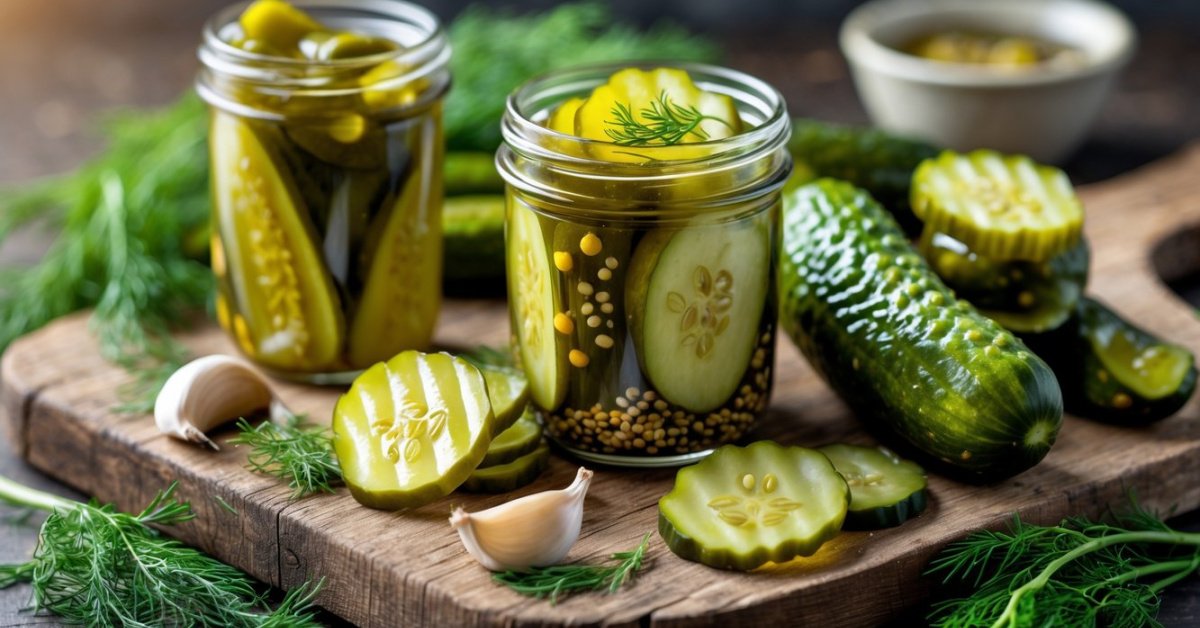
Classic fermented garlic pickles highlight lactic fermentation, resulting in complex, tangy flavors. I select firm cucumbers, layer whole or smashed garlic cloves, then submerge everything with a salted water brine—usually 2.5 tablespoons salt per quart. Black peppercorns, dill, and mustard seeds deepen the flavor profile. I allow jars to ferment at 65–70°F for five to 14 days, depending on desired sourness. Finished pickles retain crunch and a bold garlic punch, ideal for sandwiches or charcuterie.
Spicy Garlic Pickles
Spicy garlic pickles combine whole garlic cloves with hot peppers for extra heat. I include sliced jalapeños or Thai chilies, plus red pepper flakes, in the brine. This style shines when combined with carrots or okra for additional texture. I maintain the same salt-to-water ratio as classic versions but increase the infusion time to amplify spiciness. These pickles suit tacos and burgers, adding both kick and rich garlic flavor.
Sweet and Savory Garlic Pickles
Sweet and savory garlic pickles balance honey or raw sugar with vinegar and fresh garlic. I simmer apple cider vinegar, sweetener, and garlic slices with cloves, cinnamon sticks, and allspice berries. After pouring the hot brine over sliced cucumbers or zucchini, I allow a short marination for crispness. These pickles complement barbecue, roast chicken, and grain salads, offering gentle heat with mellow sweetness.
Flavor Profiles and Pairings
Garlic pickles show remarkable complexity across different styles. Fermented garlic pickles bring a lactic tang, helping cut through fatty meats or hearty legumes. Spicy garlic pickles offer layered heat and pungency, creating bold contrast with mild cheeses or roasted vegetables like carrots and cauliflower. Sweet and savory garlic pickles add a mellow, aromatic bite that works especially well with grilled poultry or cured deli meats, enhancing their depth.
Flavor develops through the spices and fermentation. Black peppercorn and dill in a brined pickle create grassy, peppery notes that support smoked fish or simple grain bowls. Mustard seeds bring a gentle warmth, aligning the pickle with lentil salads and sharp cheddars. Chili flakes or fresh hot peppers transformed in the brine produce pickles that wake up sandwiches or charcuterie boards.
Pairings become even more interesting with homemade batches using garden produce. Crisp, snappy garlic pickles serve as a palate cleanser alongside rich, creamy potato salads or oily tapenades. Aged varieties take on deeper umami, pairing best with earthy root vegetables or rich winter stews. When balanced against something acidic, like a glass of dry cider or tart vinaigrette, the garlic’s punch mellows, rounding out the meal.
Texture is key for balance. Firm, crunchy garlic pickles add excitement to soft foods, such as goat cheese or egg salad. Brined whole-clove garlics offer bursts of flavor on antipasto platters, sharing the spotlight with olives, pickled peppers, and roasted nuts. Every pairing unlocks a new flavor thread, making garlic pickles adaptable to a surprising range of dishes and occasions.
Health Benefits of Garlic Pickles
Garlic pickles offer distinct health benefits based on their garlic content, fermentation, and spice combinations. I choose raw garlic cloves for every batch since allicin, the compound responsible for the pungent aroma, provides antibacterial and anti-inflammatory properties when preserved without heat (NIH, 2020).
I use natural fermentation to enrich each jar with lactic acid bacteria. These beneficial microbes help support digestive health by boosting healthy gut flora, something I experience firsthand with regular homemade batches (Harvard School of Public Health, 2019). Pickled garlic delivers vitamin C and B6 as well as minerals like selenium and manganese, especially from garlic grown in mineral-rich, home-tended soil.
For anyone watching sodium, I control salt percentages closely—most garlic pickles carry lower sodium compared to commercial vinegars, which helps me maintain balanced blood pressure. In my recipes, I avoid added preservatives or artificial sweeteners. That lets the garlic and spices shine while supporting natural antioxidant content.
Many of my friends, who try fermented garlic pickles, notice milder immune challenges during winter. Rich probiotic content from wild fermentation often makes a difference for seasonal health, according to the International Journal of Food Microbiology (2017). Eating a few cloves or slices daily, I enjoy a crisp snack that feels good and fits into a sustainable, garden-based diet.
How to Choose the Best Garlic Pickles
Selecting garlic pickles that deliver bold, savory flavor relies on several key factors. Every jar deserves careful inspection, since quality varies widely depending on how picklers manage ingredients, technique, and storage.
- Ingredient Freshness
Fresh garlic cloves create sharp, vibrant pickles. I check for clarity in the brine and look for whole, plump garlic inside each jar. Homegrown or local organic garlic, like hardneck varieties, stands out for flavor intensity and aroma.
- Fermentation Method
Fermented garlic pickles often feature cloudy brine due to live cultures from wild lactic acid bacteria. I select pickles labeled “naturally fermented” or “probiotic” because they yield both savory depth and effective preservation, compared to vinegar-brined types.
- Spice Complexity
Spice blends such as mustard seeds, whole dill heads, and black peppercorns develop layered, savory notes. I seek ingredient lists that feature multiple spices—examples include coriander seeds and hot peppers—since these create more dynamic garlic pickle flavor profiles.
- Texture and Crunch
Firmness in pickled vegetables signals proper process and handling. I gently shake the jar; a satisfying crunch usually comes from small-batch or home-pickled garlic pickles that use rapid-harvest veggies and ideal brining times.
- Salt and Acid Balance
Balanced flavor depends on the right salt-to-water ratio. I favor pickles that list sea salt and avoid excessive vinegar, because too much acidity masks garlic’s natural flavor. Lactic acid fermentation, when present, achieves bright tang without overpowering saltiness.
- Storage Practices
Cool, dark storage keeps pickles crisp and extends shelf life. I prefer pickles stored in glass jars, since glass preserves texture and aroma better than plastic. Refrigeration after opening maintains both crunch and probiotic content.
- Label Transparency
Trustworthy garlic pickle brands provide full ingredient information, including salt percentage and fermentation details. I support makers who use transparent practices, as clear sourcing and honest labeling ensure consistent garlic pickle quality.
Evaluating garlic pickles for bold, savory excellence always begins with ingredient freshness and ends with storage. Each step in the pickling journey—from plant variety and harvest to brine composition—determines the final jar’s flavor, health benefits, and overall enjoyment.
Conclusion
Garlic pickles have truly transformed the way I enjoy food. Their boldness and savory depth never fail to surprise me with each new jar I open. Whether I’m reaching for a tangy, spicy, or sweet variety I know I’m in for a treat that’s as exciting as it is nourishing.
Exploring new garlic pickle recipes and pairings keeps my kitchen adventures fresh. I’m always eager to discover what unique flavors and textures the next batch will bring. There’s just something special about the punch of garlic and the satisfying crunch that makes every meal memorable.