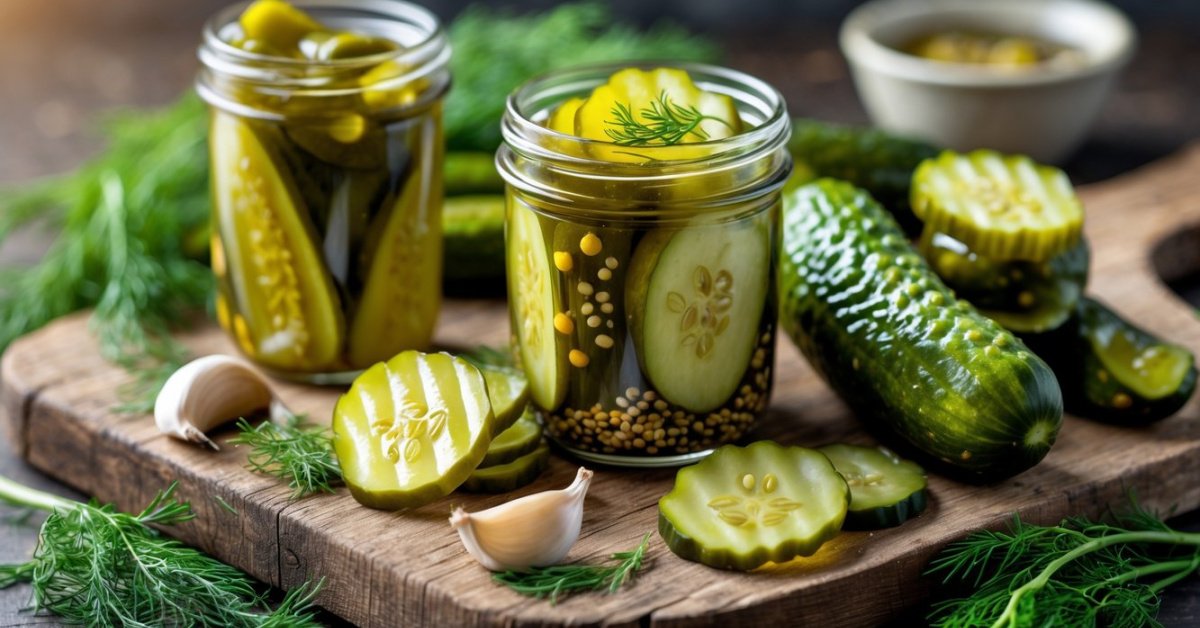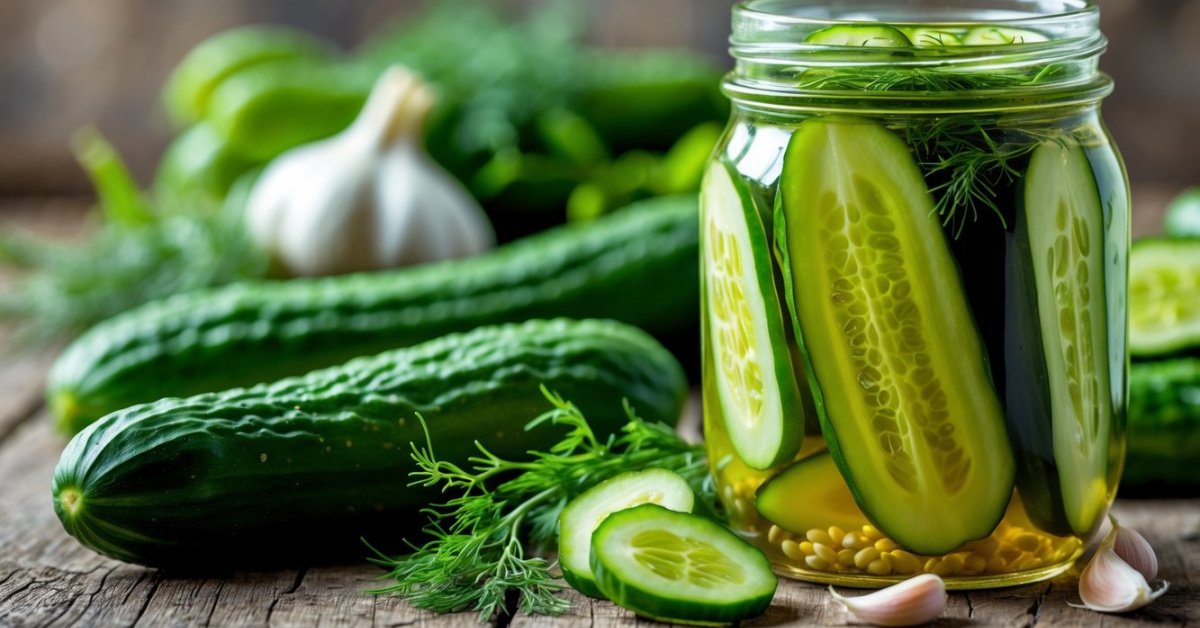
I’ve always loved that first crunchy bite of a spicy pickle. There’s something about the mix of tangy brine and fiery heat that wakes up my taste buds and keeps me reaching for more. Whether I’m snacking straight from the jar or adding a kick to my favorite sandwich spicy pickles never disappoint.
But not all spicy pickles are created equal. Some bring a gentle warmth while others pack serious heat that lingers long after the last bite. I’ve noticed that the flavors can be just as bold as the spice with everything from garlicky undertones to hints of smoky pepper. It’s a world of flavor and fire that’s just waiting to be explored.
What Makes Spicy Pickles Unique
Heat sources create distinct spicy flavors in pickles. I use jalapeños for crisp, vegetal heat, habaneros for sharp intensity, and chili flakes for steady warmth. Each pepper variety shifts the pickle’s profile.
Brine blends add complexity to spicy pickles. My recipes combine vinegar, salt, and spices like garlic, dill, and mustard seed. This mix balances heat, tang, and aromatic notes, setting spicy pickles apart from sweet or classic dills.
Fermentation methods also impact flavor. I use both quick vinegar brines for bright, sharp spice and lacto-fermentation for rounder, deeper heat. The fermentation choice alters texture and heat development over time.
Vegetable variety increases uniqueness. I pickle cucumbers, carrots, okra, and green beans with spicy elements. Different vegetables absorb and display heat in unique ways, expanding the range of flavors and sensations.
Personalization defines the spicy pickle tradition. Home gardeners and pickling enthusiasts, like me, craft small batches with balanced heat and hand-chosen spices. This homegrown approach creates endless variations not usually found in store-bought pickles.
Understanding Heat Levels in Spicy Pickles
Heat in spicy pickles comes from the specific peppers and spices I choose for each batch. My favorite part of pickling is tailoring the heat level so each jar delivers exactly the kick I want.
Common Peppers and Spices Used
Peppers create most of the heat in spicy pickles. My go-to options depend on the target spiciness:
- Jalapeños: I use jalapeños in most mild spicy pickles. Their flavor remains grassy with a manageable warmth, usually under 8,000 Scoville Heat Units (SHU).
- Serranos: When I want medium heat, I add fresh serranos. They sit between 10,000 and 23,000 SHU, giving a sharper kick and brighter profile.
- Habaneros: For bold heat, I rely on habaneros. These peppers hit between 100,000 and 350,000 SHU, bringing a fruity flavor with serious intensity.
- Chili flakes: I sprinkle in chili flakes for steady, distributed heat. Crushed red peppers often register around 30,000 SHU.
- Whole spices: I add black peppercorns, mustard seeds, and coriander for depth. While not always spicy, these boost the overall flavor.
Scoville Ratings Explained
Scoville ratings measure the capsaicin content in peppers, which creates the heat in spicy pickles. I always check the Scoville Heat Units (SHU) before mixing new peppers into my brine so I know how much heat to expect.
| Pepper/Spice | SHU Range | Flavor Example |
|---|---|---|
| Bell pepper | 0 | Sweet, mild |
| Jalapeño | 2,500–8,000 | Grassy, crisp |
| Serrano | 10,000–23,000 | Sharp, bright |
| Crushed red pepper | ~30,000 | Pungent, warm |
| Habanero | 100,000–350,000 | Fruity, intense |
Higher SHU means stronger heat. Pickles with jalapeños rarely burn, while habanero-infused jars deliver fast, lingering spice. Mixing different peppers lets me shift the Scoville level and flavor balance for each pickle batch.
Exploring Flavor Profiles
Flavor profiles in spicy pickles come from unique combinations of ingredients, pickling methods, and vegetables. Each batch I make highlights a blend of tang, sweetness, smokiness, and heat.
Tangy, Sweet, and Smoky Variations
Tangy notes dominate most spicy pickles, created by vinegar or fermented brine. I find apple cider vinegar gives a sharp, fruity tang, while white vinegar keeps the flavors clean and strong. For sweetness, I use small amounts of honey or raw sugar—bread-and-butter pickles and some hot carrot pickles gain warmth from sugar balancing the spice. Smoky flavors come from chipotle peppers or smoked paprika. When I add fresh garlic, mustard seeds, or dill, the complexity increases, creating layers of herbal, zesty, and savory undertones. Combining different chiles, like chipotle for smoke and habanero for heat, deepens both flavor and aroma.
Texture and Crunch Factors
Texture impacts the experience of eating spicy pickles. Crunch comes from using super-fresh, garden-harvested cucumbers or firm vegetables like okra, carrots, and cauliflower. I always chill my brine before pouring to help lock in the crunch, and I avoid over-processing during canning. Calcium chloride (pickle crisp) or grape leaves also help maintain firmness. Using lacto-fermentation delivers a different crunch: slightly more tender but uniquely crisp compared to hot vinegar pickles. For every variety, texture turns each bite into a satisfying, mouthwatering experience that keeps the flavors lively and distinct.
Popular Types of Spicy Pickles
Spicy pickles span a range of heat and taste profiles, showcasing just how creative pickling can get. I enjoy exploring both classic cucumber-based favorites and inventive alternatives from garden harvests.
Classic Cucumber Varieties
Sliced, speared, or whole, spicy cucumber pickles form the core of most spicy pickle lineups. Jalapeño dills introduce gentle heat, blending the familiar tang of brined cucumbers with mild jalapeño slices for a crowd-pleasing punch. Habanero garlic spears appeal to heat lovers, pairing crisp Kirby cucumbers and crushed garlic cloves with sliced habaneros for a bold, fiery bite. Bread and butter pickles crafted with chili flakes or fresh serranos add sweet heat, using garden-grown cucumbers and balancing sugar, vinegar, and spice. I’ve found that using garden cucumbers, harvested the same morning, yields exceptional crunch across these varieties.
Unconventional Options: Carrots, Cauliflower, and More
Root and cruciferous vegetables offer unique canvases for spicy pickling. Spicy pickled carrots, usually coin-sliced and packed with garlic and red chili flakes, develop sweetness and crunch that pair well with tacos or charcuterie. Cauliflower florets absorb brine easily, especially when I use a blend of serrano or Thai chilies and turmeric, creating vibrant, mildly spicy pickles. Okra, often kept whole, takes on heat and tang in Southern-style jars, where cayenne peppers and mustard seeds round out the flavor. Green beans, radishes, and even Brussels sprouts also shine in small batches, with their tight textures and earthy undertones holding firm against hot brines. I always experiment with homegrown vegetables, layering different peppers to develop custom blends.
How to Choose the Right Spicy Pickle for You
Selecting the perfect spicy pickle comes down to matching your taste for heat, flavor, and pairing possibilities. With decades of pickling in my kitchen and garden, I always consider where a pickle’s zing and complexity fit into meals or snacks.
Pairing with Foods and Drinks
Pickles with moderate heat, like jalapeño dills or chili-flake cucumbers, pair well with grilled cheese sandwiches, charcuterie, or burgers. Bold habanero spears and smoky chipotle pickles elevate barbecue plates and spicy tacos. Sweet-heat pickles, such as spiced bread and butters, complement fried chicken, pulled pork, or tangy cheeses.
For drinks, I often match milder, tangy pickles with pilsner or light beer, spicy pickles with rye whiskey, and smoky varieties with Bloody Marys. Pickled carrots and okra shine with gin or vodka cocktails, cutting through richness and brightening each sip.
Tips for First-Time Buyers
Start with small jars featuring a variety of peppers—examples include jalapeño, serrano, and habanero blends—to explore your preferred heat level. Read ingredient lists for extra flavor clues, looking for dill, mustard seed, or garlic if you want herbal depth. Choose pickles labeled “refrigerated” or “fermented” for crunchier texture compared to shelf-stable jars.
If you crave garden-fresh crispness, pickles from local producers often deliver more texture than mass-market options. When possible, sample before buying. I always encourage visiting farmers markets or specialty shops, where picklers gladly offer tastes and share insights on spice levels and food pairings.
Conclusion
Spicy pickles have become one of my favorite ways to add a little excitement to everyday meals and snacks. There’s something special about the way heat and tang come together in each crunchy bite.
If you’re curious about spicy pickles but not sure where to start just dive in and try a few different varieties. Whether you prefer a gentle warmth or a bold fiery kick there’s a spicy pickle out there that’ll make your taste buds happy.
I hope you’ll find as much joy in exploring this flavorful world as I do every time I open a new jar.