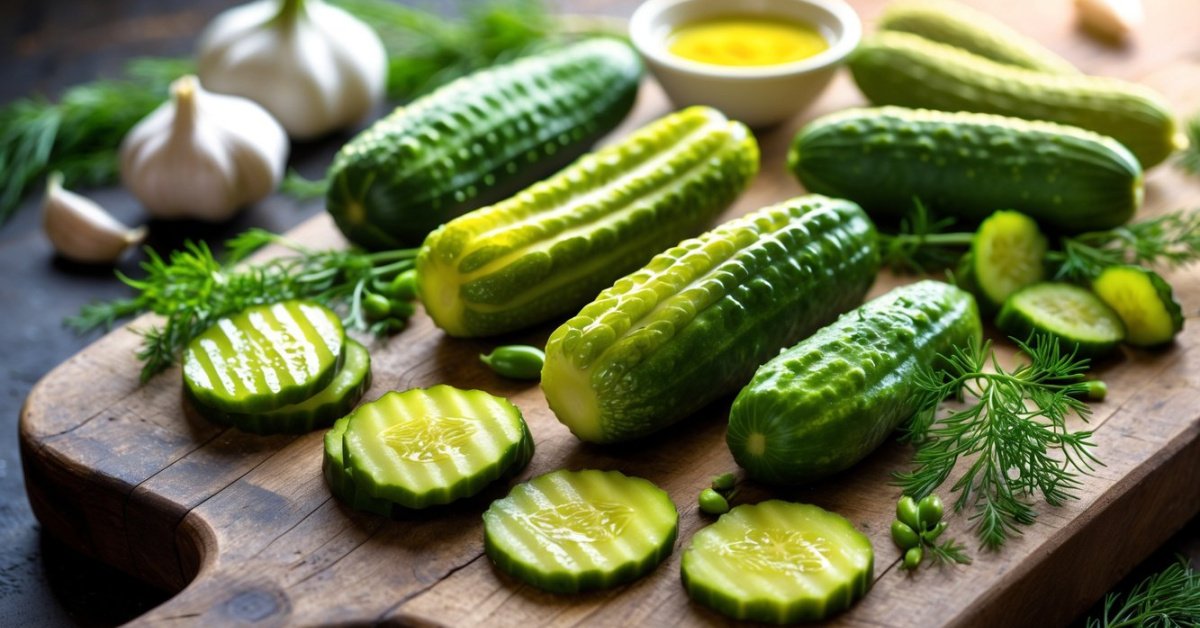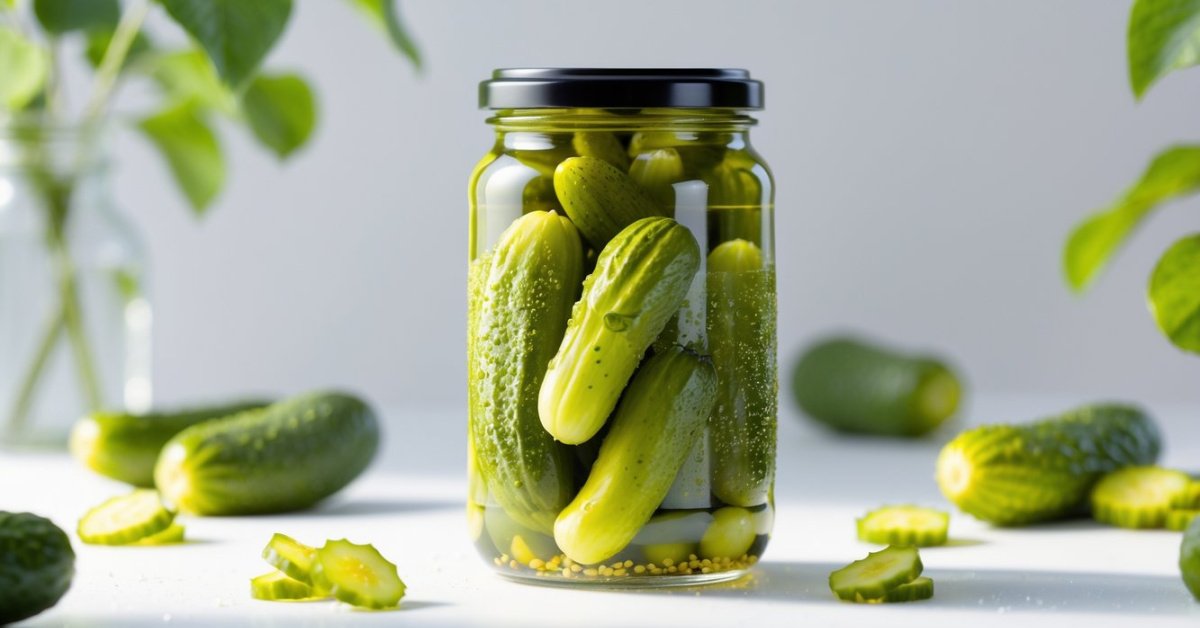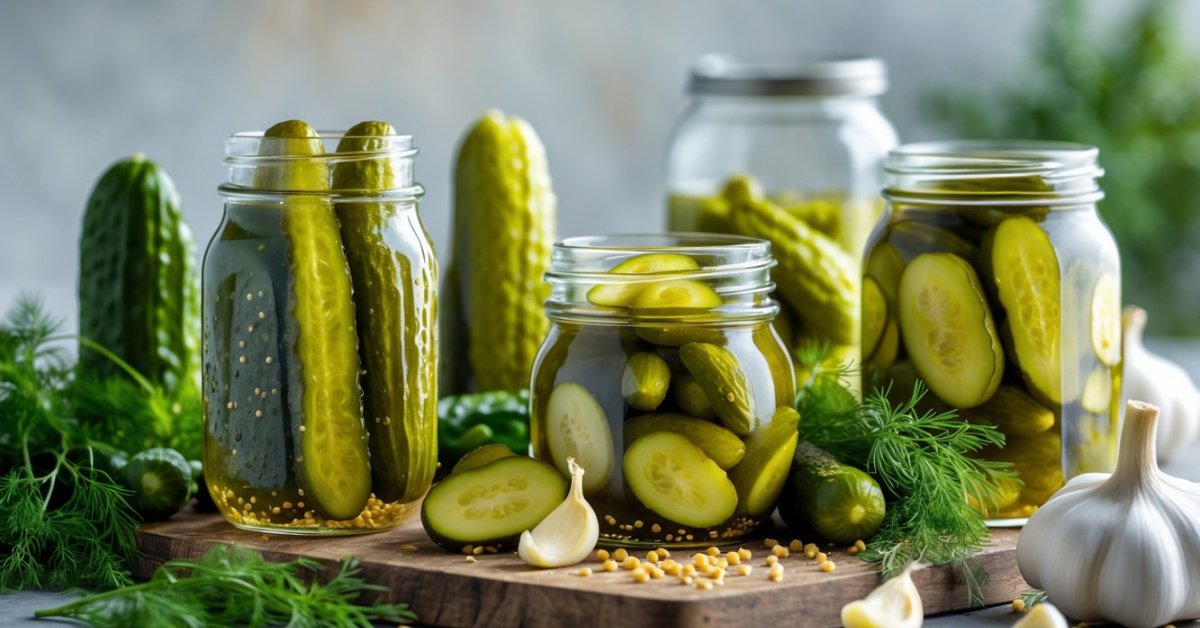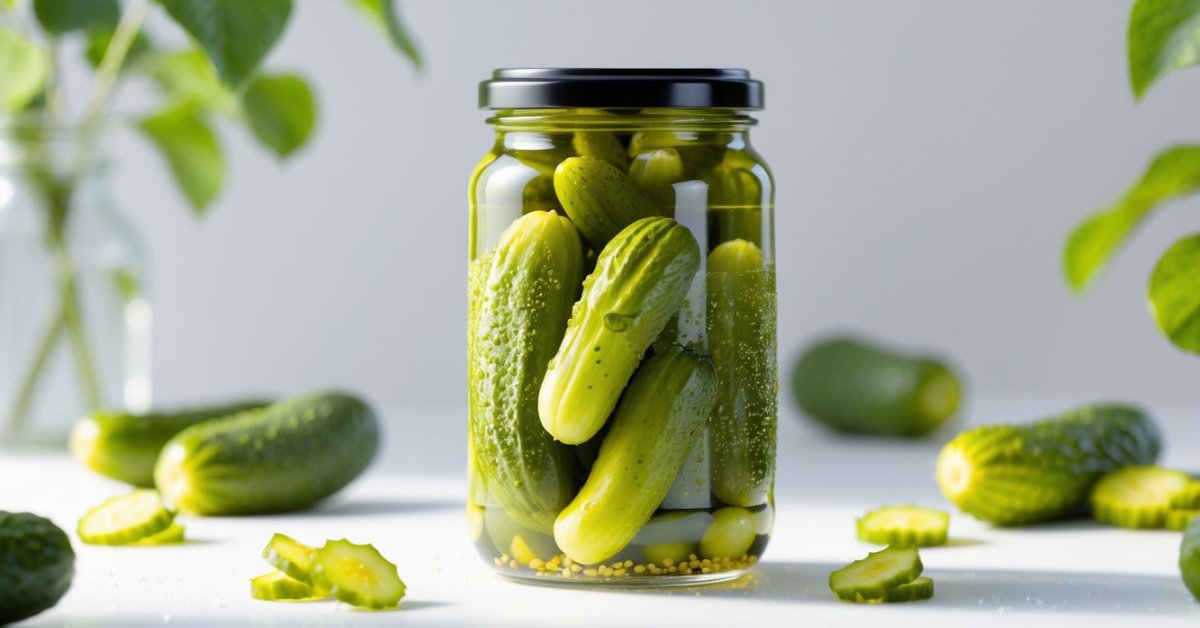
Whenever I think about classic comfort foods, bread and butter pickles always pop into my mind. Their sweet and tangy crunch takes me straight back to summer picnics and family gatherings. There’s just something about the way they brighten up a burger or add a little zing to a sandwich that makes them irresistible.
I’ve often wondered how these pickles got their start and why their flavor stands out from the rest. As I dug into their story, I discovered there’s a lot more to these jarred delights than meets the eye. If you’re curious about where bread and butter pickles come from and what makes their taste so unique, you’re in for a treat.
The Origins of Bread and Butter Pickles
Bread and butter pickles connect my experiences in the pickle garden to generations before me. Their history traces back to resourceful home picklers finding ways to stretch harvests and add flavor.
Early Inventions and Family Recipes
Early bread and butter pickles started as practical solutions among American farm families in the late 1800s and early 1900s. Gardeners like me, facing abundant cucumber crops, sliced them thin and preserved them with sugar, vinegar, mustard seeds, and celery seeds. Handed-down family recipes—such as those collected in community cookbooks or noted on worn cards—showed small variations in spice blends and methods but consistently balanced sweet and tangy profiles for shelf-stable pickles. By the 1920s, households in Midwestern and Southern states often kept jars of these pickles in their pantries.
How the Name Came to Be
The “bread and butter” name emerged during the Great Depression, when families commonly ate these pickles with bread and butter sandwiches as a simple, filling meal. Cucumber preservation provided an affordable addition to a basic diet, with the pickles’ sweetness making plain sandwich bread more palatable. Emma and Omar Fanning, a pair of Illinois cucumber farmers, popularized the term in the 1920s by selling their homemade pickles under the name “Bread and Butter,” according to food historians at the National Garden Bureau. Their branding cemented the pickle’s identity across local markets and recipe columns, helping the phrase enter American kitchens throughout the 20th century.
Bread and Butter Pickles in American Culture
Bread and butter pickles occupy a unique place on the American table. I’ve seen their presence span family gatherings, roadside diners, and home kitchens for nearly a century.
Popularity During the Great Depression
Resourceful home cooks relied on bread and butter pickles for affordable, flavorful meals during the Great Depression. Farmers and gardeners, including my own family, turned bumper cucumber crops into pickles to extend the harvest. Slices topped plain bread-and-butter sandwiches, adding sweet tang without expensive ingredients like meat or cheese. By the late 1930s, “bread and butter pickles” appeared in community cookbooks, reflecting their status as a household staple.
Modern-Day Uses and Variations
Today, bread and butter pickles remain common in American kitchens. I often find them garnishing burgers, paired with cold cuts, or served with cheese trays at picnics. Home picklers and commercial producers now experiment with different vinegars, sugars, and peppers—jalapeño blends, apple cider vinegar brines, and low-sugar recipes frequently appear in farmers’ markets and home pantries. Small-batch makers highlight heirloom cucumber varieties and garden-grown spices, keeping the tradition of creativity and self-sufficiency alive.
The Distinctive Taste of Bread and Butter Pickles
Bread and butter pickles always stand out for their lively blend of sweetness and tang. I notice this unmistakable taste as both fresh and familiar, making them a favorite at picnics and gatherings.
Key Ingredients and Flavor Profile
Cucumbers sliced thin set the foundation for these pickles, with home gardeners often using heirloom varieties for better crunch and flavor. Sugar and distilled white vinegar combine to create the sweet-tart base, usually in a ratio of about 1:1. Mustard seeds, celery seeds, turmeric, and onion slices round out the mix, contributing both aroma and mild spice. Bread and butter pickles balance sugary syrup and sharp acidity, with herbal notes from spices—unlike kosher dills or sour pickles, the profile always remains mellow and accessible. Each bite finishes crisp, with a lingering sweetness underscored by garden-grown aromatics.
What Sets Them Apart from Other Pickles
Sweetness paired with gentle tartness distinguishes bread and butter pickles from briny, garlicky dill classics or robust spicy varieties like hot chips or sours. I find the texture—thin, pliable, never mushy—delivers a snap that complements sandwiches and cheese boards. The flavor develops rapidly, usually within 24 hours of brining, so even quick refrigerator recipes taste vibrant in a short time. Bread and butter pickles always feature visible seeds and bright yellow-green tones due to turmeric, contrasting the pale green or olive hue of other styles. Their legacy of resourcefulness and pleasing flavor profile keeps them unique in the world of pickled vegetables.
How Bread and Butter Pickles Are Made
Creating bread and butter pickles brings together simple ingredients and time-tested steps. My approach combines precise slicing and a balanced brine for consistently crisp, flavorful results.
Classic Preparation Method
I start with fresh pickling cucumbers from my garden, selecting small, firm specimens for crunch and flavor. I slice these cucumbers into thin rounds, usually 1/8-inch thick, then mix them with onion slices for extra tang. I scatter pickling salt over the combination, letting it rest for 1–2 hours to draw out excess moisture.
While the cucumbers drain, I prepare the pickling brine using distilled white vinegar, granulated sugar, mustard seeds, celery seeds, turmeric, and a dash of crushed red pepper for subtle warmth. I bring the brine to a simmer in a non-reactive pot, stirring until the sugar dissolves. I rinse and drain the salted cucumbers and onions, then combine them with the hot brine.
For water-bath canning, I pack the hot mixture into sterilized jars, leaving 1/2-inch headspace, seal the lids, and process for 10 minutes. Alternatively, I chill the mixture for refrigerator pickles, which develop flavor in about 24 hours. This method maintains the bright color and classic sweet-tart taste that define bread and butter pickles.
Tips for Enjoying and Serving
I serve bread and butter pickles on grilled sandwiches, chop them into potato salad, or layer them on barbecue platters for a smooth sweet crunch. I spoon relish-sized pieces over grilled sausages and pair whole pickle chips with sharp cheddar for a quick snack.
For creative uses, I dice bread and butter pickles and add them to homemade tartar sauce or mix them into deviled eggs for extra zest. I swap them for dill spears on burgers and sliders, letting their sweetness complement spiced meats. I store opened jars in the refrigerator, ensuring the pickles remain crisp and vibrant for several weeks.
Conclusion
Whenever I bite into a crunchy bread and butter pickle I’m reminded of how something so simple can carry so much history and joy. It’s amazing how a humble jar of pickles can connect generations and spark creativity in the kitchen.
Whether I’m reaching for a homemade batch or picking up a jar from the store I know I’m enjoying a tradition that’s stood the test of time. There’s always room for a little sweet and tangy magic on my plate.