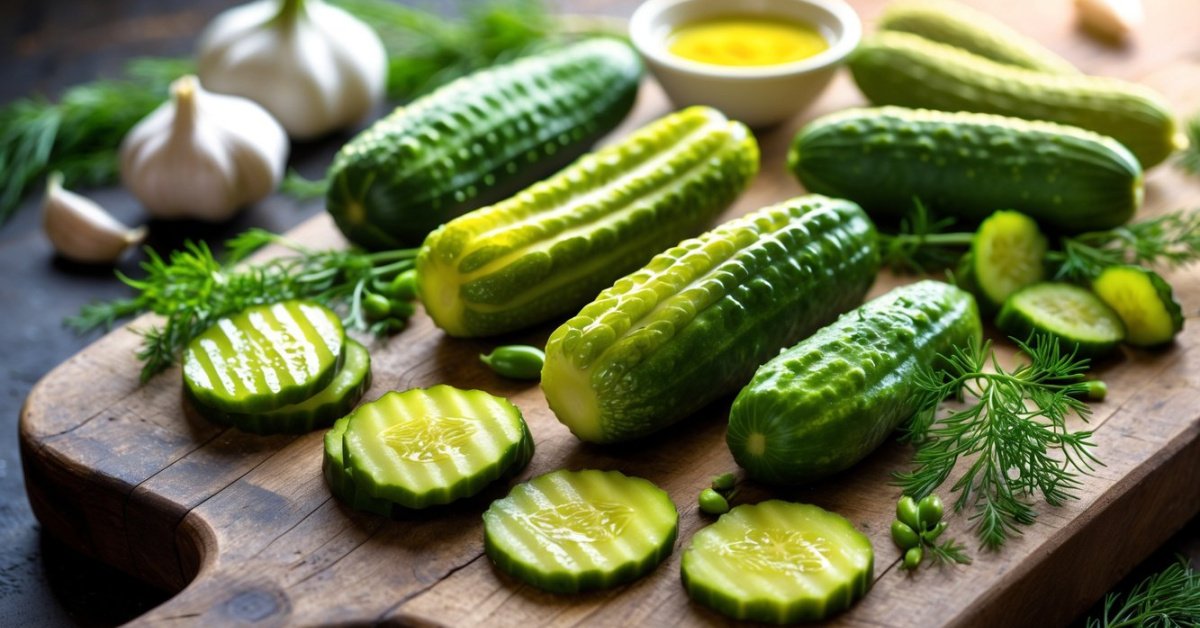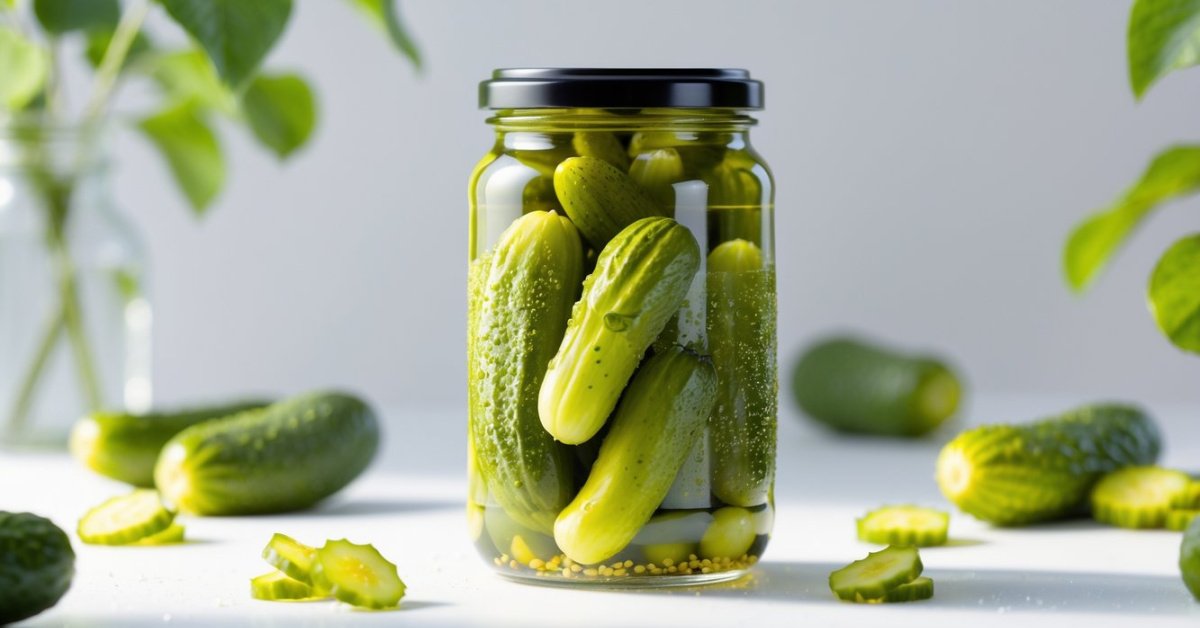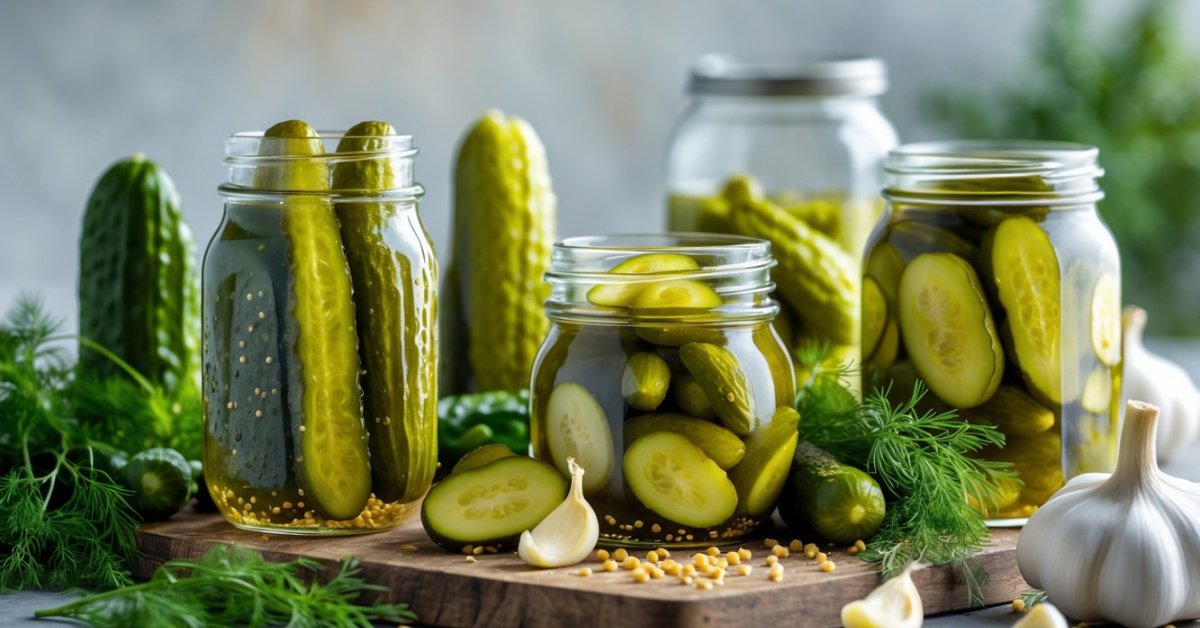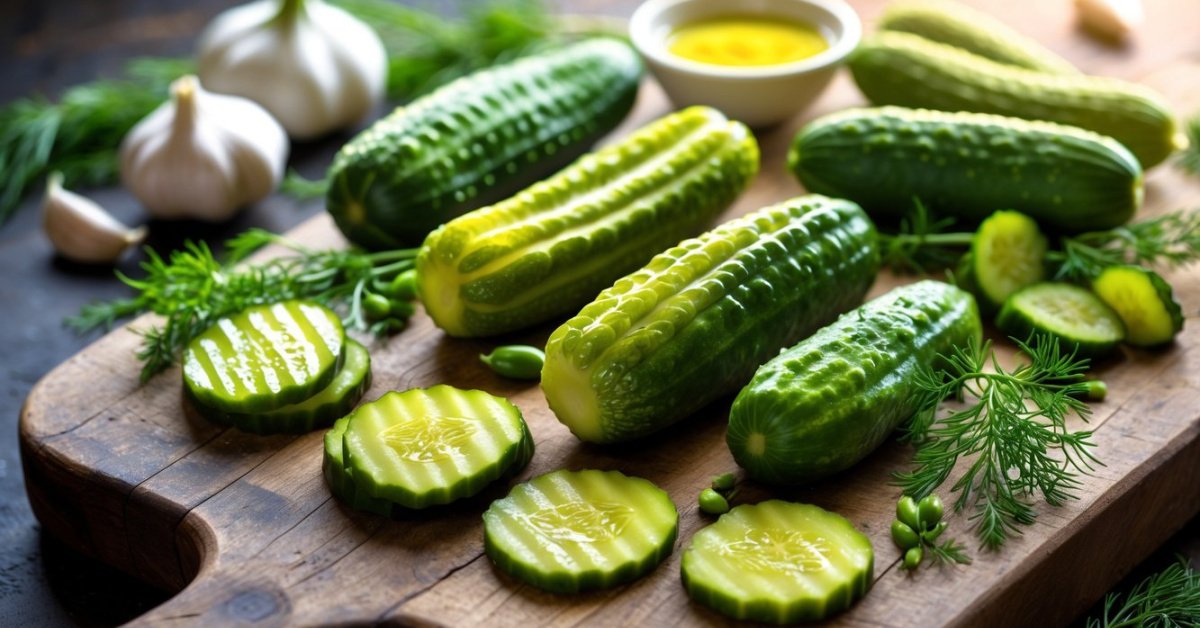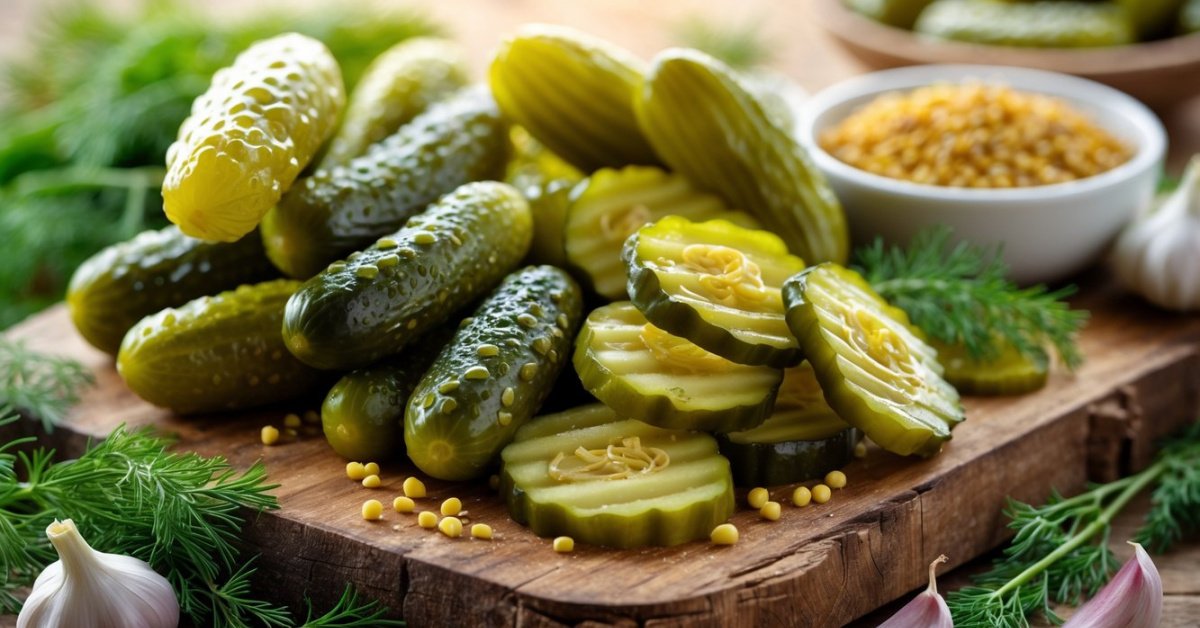
There’s something irresistible about the crisp snap and tangy punch of a classic kosher dill pickle. Every time I bite into one I’m instantly transported to the bustling delis of New York where the pickles are piled high and the flavors are bold. It’s more than just a side—it’s a tradition that’s stood the test of time.
I’ve always loved the ritual of making my own pickles at home. It’s surprisingly simple and so rewarding to watch a jar transform with just a few fresh ingredients and a little patience. If you’ve ever wondered how to capture that authentic deli-style taste in your own kitchen you’re in the right place.
The History of Kosher Dill Pickles
Kosher dill pickles began in Eastern European Jewish communities where home pickling preserved fresh cucumbers at harvest. Immigrants brought these pickling traditions to New York City in the late 1800s. Pickle carts soon lined Manhattan’s Lower East Side, selling barrels of garlicky, brined cucumbers. Salt, garlic, dill, and spices became the signature flavors in these Jewish recipes.
Kosher dill refers to the process, not just religious dietary laws. “Kosher-style” means the pickles use garlic and have a strong briny tang, just like those hand-packed in traditional delis. I rely on this heritage, using fresh dill heads, lots of garlic, and non-iodized salt. The fermentation process produces a cloudy brine, evidence of live cultures prized for their depth of flavor.
Table: Key Developments in Kosher Dill Pickle History
| Time Period | Event/Development | Context Detail |
|---|---|---|
| 1800s | Pickling in Eastern Europe | Jewish families ferment cucumbers with garlic, dill, and spices. |
| 1880s–1920s | NYC Immigration | Jewish immigrants open pickle stands on Lower East Side. |
| 20th century | Deli Culture Growth | Kosher dill pickles become a classic part of New York deli menus. |
| Today | Homemade Revival | Picklers like me follow traditional methods using garden ingredients. |
Authentic kosher dill pickles always connect me to the past and help me carry on a tradition rooted in self sufficiency and bold, fresh flavors.
What Makes Pickles Kosher and Deli-Style
Kosher dill pickles reach authentic deli-style status by using specific ingredients, techniques, and traditions connected to Jewish culture and New York delis. I always start with fresh cucumbers, garlic cloves, dill heads, and clean water—critical elements that define a kosher-style brine.
Kosher pickles get their name from the kosher salt I use, which contains no iodine or additives, preserving both environment and flavor. In kosher tradition, rabbinical supervision confirms adherence to dietary laws, though in delis, the real hallmark comes from abundant garlic and dill. These create the signature sharpness and aromatic depth characteristic of every barrel in historic delis like Katz’s or Carnegie Deli.
Deli-style pickling involves fermenting cucumbers in brine, not vinegar, for several days. Natural fermentation draws out complex sour and savory notes; lactobacillus bacteria transform sugars into lactic acid, giving classic deli pickles their iconic tang and crunch. If vinegar is used, a quick pickle loses much of that depth, so I ferment mine naturally whenever possible.
Authentic texture depends on both timing and the brine’s mineral content. I use mineral-rich kosher salt and always chill my brine before pouring it over cucumbers. This keeps pickles crisp—another deli-style essential. Classic deli pickles stay whole or in spears, not slices; uniform cuts maintain crunch and visual appeal, mirroring traditional presentation.
Finally, kosher-style pickles never contain artificial preservatives or colorings. Every ingredient comes fresh from my garden or market. When I combine these elements—fresh cucumbers, garlic, dill, kosher salt, cold mineral brine, and traditional fermentation—the result is crisp, sour, garlicky pickles found in authentic Jewish delis and family kitchens for over a century.
Essential Ingredients for Authentic Kosher Dill Pickles
Fresh cucumbers form the base of authentic kosher dill pickles. I always pick firm, unwaxed Kirby or pickling cucumbers, about 4 inches long, because quality produces crisp texture and reliable fermentation.
Kosher salt supplies mineral content for excellent brine and preserves the hallmark deli flavor. I use coarse kosher salt (non-iodized), which never clouds the brine or leaves off-flavors.
Filtered or spring water keeps the brine clean, since chlorine or heavy minerals from tap water ruin both flavor and fermentation. My pickles ferment best with water that’s free from additives and tastes neutral.
Fresh garlic creates the signature bite and aroma. I crush several garlic cloves for every quart jar, using homegrown bulbs when possible, because fresher garlic infuses brighter, sharper flavor.
Fresh dill adds savory depth. I pack whole dill heads and sturdy stems in with the cucumbers, using just-harvested plants from my own garden when available. Both fronds and seeds contribute to the classic herbaceous kick.
Whole spices—like black peppercorns, mustard seeds, and coriander seeds—give complexity. I drop in a small mix for each batch. Peppercorns provide subtle heat, mustard seeds add tang, and coriander seeds create citrusy notes.
Grape or bay leaves strengthen texture. I slip a single leaf into each jar when I want pickles that snap with every bite. Tannins from the leaves maintain firmness throughout fermentation.
My ingredient combinations remain simple, with every element selected for quality so every bite captures that traditional deli taste.
Step-By-Step: Authentic Deli-Style Pickle Recipe
I rely on a proven method to recreate true deli-style kosher dill pickles at home. Each step draws from decades of pickling and builds the balanced flavors and crunch I love. Every detail matters for authentic results.
Prepping the Cucumbers
I always select fresh, firm Kirby cucumbers for pickling. I rinse each cucumber thoroughly under cold water, using a brush to remove garden soil or wax if needed. I trim 1/16-inch off the blossom end—this removes enzymes that can soften pickles. I soak the cucumbers in ice water for at least 2 hours for extra crispness, often adding a handful of ice cubes and replacing water if needed.
Creating the Brine
I prepare a brine using a 5.5% salt concentration. I measure ½ cup coarse kosher salt for every 2 quarts filtered water and stir until fully dissolved. I crush 5 garlic cloves per quart jar and add them along with 4-5 fresh dill sprigs, 1 tsp black peppercorns, 1 tsp mustard seeds, and 1 tsp coriander seeds for every jar. I place half a grape or bay leaf in each jar for a firmer texture. I avoid vinegar—true deli-style pickles ferment naturally.
Fermentation Process
I pack cucumbers, garlic, dill, and spices tightly into sterilized jars, leaving ¾-inch headspace at the top. I pour cooled brine over the contents, ensuring cucumbers are completely submerged. I top jars with a fermenting weight or folded grape leaf to prevent floaters. I seal with airlock or loose lids and let the jars ferment at 68–72°F for 7–10 days, checking daily for color change and bubbles. I skim any surface bloom promptly. I taste after day 6 and refrigerate when I reach the crunchy, sour finish that says “classic deli pickle” to me.
Flavor Profile and Texture: What to Expect
Authentic kosher dill pickles deliver a sharp, tangy flavor profile driven by lactic acid fermentation. Brine imparts gentle sourness, while garlic and dill add savory depth and fresh herbal notes. Whole spices like black peppercorns, coriander, and mustard seeds create subtle warmth and complexity. Salt usage blends all flavors together, keeping the taste balanced and providing that distinctive deli character. I find that every batch captures boldness—crisp, bright, and bursting with layers of flavor that intensify the longer they ferment.
Texture stands out as a defining quality of true deli-style kosher dills. Firm, unwaxed Kirby cucumbers provide crunch even after weeks submerged in brine. Grape or bay leaves inhibit softening enzymes, helping each pickle keep its snap. When I bite into a finished pickle, the skin gives way cleanly, then each chewy interior releases plenty of juiciness. No sogginess or mushiness appears if fermentation uses fresh produce, proper brine strength, and careful monitoring.
Consistent outcomes reflect ingredient quality and process precision. I always use only the freshest cucumbers and aromatic herbs from my garden to guarantee authentic flavor and the memorable crunch that separates great kosher dill pickles from imitations.
Tips for Perfecting Your Homemade Pickles
- Pick only the freshest cucumbers
I select cucumbers within 24 hours of picking, since older cucumbers or waxed grocery store options turn soft. Firm, unwaxed Kirby cucumbers from my own garden or local farmers’ markets always give the crispest results.
- Soak for extra crunch
I soak cucumbers in ice water for at least two hours before packing, to maintain densely textured, snappy pickles—this step prevents limpness even after several weeks of fermentation.
- Use coarse kosher salt exclusively
I use non-iodized, additive-free kosher salt since table salt with anti-caking agents clouds brine or causes off flavors.
- Control brine strength with precision
I weigh salt for consistency: a typical ratio is 3 tablespoons (54 grams) kosher salt per quart (liter) of filtered water, which creates the optimal environment for lactic acid bacteria.
- Pack jars tightly, but don’t bruise
I fit cucumbers snugly in jars, keeping them fully submerged under brine with a grape leaf, small fermentation weight, or reusable pickle pebble. This keeps the cucumbers covered and blocks airborne mold.
- Monitor fermentation temperature carefully
I keep pickles at 65°F–75°F (18°C–24°C) since lower temperatures stall fermentation, but hotter environments make them soften or turn mushy.
- Taste frequently during fermenting
I sample pickles daily after day three, since flavor and tang build quickly at the right temperature. Classic deli-style pickles reach peak flavor around 5 to 10 days.
- Add whole spices only
I never use pre-ground spices, since they muddy brine and overpower delicate cucumber flavor. Black peppercorns, mustard seeds, and fresh garlic cloves provide balanced spice and sharpness.
- Label batches and dates
I label every jar with the packing and intended ready date to track fermentation progress, especially when producing several batches from different cucumber harvests.
- Clean jars and tools meticulously
I scrub and sterilize all equipment before use so only beneficial lactic acid bacteria thrive. Any contamination from soap residue or old jars brings unwanted growth and off-putting flavors.
By drawing on these techniques, sourced from my experience with generations of family pickling knowledge, I consistently craft pickles that taste just like old-fashioned Jewish deli classics.
Serving Suggestions and Storage
I enjoy serving kosher dill pickles in several classic and creative ways. Sliced pickles add savory crunch to deli sandwiches like pastrami on rye or turkey with Swiss cheese. Whole pickles make ideal side snacks at picnics, BBQs, or with burgers, sharpening the meal with their tangy, garlicky snap. Chopped pickles brighten tuna salad, potato salad, or deviled eggs, enhancing familiar flavors. Pickle spears work well on charcuterie boards or paired with sharp cheeses such as aged cheddar or Swiss. Finely diced pickles serve as a zesty garnish for Bloody Mary cocktails or mixed into tartar sauce for fried fish.
I store finished kosher dill pickles using traditional cold storage techniques to preserve taste and texture. After fermentation, I transfer pickles to clean jars and cover them with fresh brine before refrigerating. Stored this way, they retain their best flavor and crunch for four to six months if kept below 40°F (4°C). If jars remain unopened and fully submerged, the pickles can last even longer, though texture gradually softens. Once a jar’s opened, I use the pickles within three to four weeks for optimal eating quality.
I always label jars with the packing date for easy rotation, ensuring my oldest batches get enjoyed first. Avoiding direct sunlight and fluctuations in temperature helps preserve flavor integrity. I never use open crocks or buckets for long-term storage; these methods increase the risk of spoilage and off-flavors. Properly storing homemade kosher dill pickles maintains authenticity, maximizes crispness, and provides me with a steady supply of classic deli-style flavor from my pantry or refrigerator.
Conclusion
Bringing the magic of kosher dill pickles into my own kitchen has been one of the most rewarding culinary adventures. There’s something special about biting into a crisp, tangy pickle that I made myself and knowing it’s rooted in such a rich tradition.
If you’re ready to experience the bold flavors of authentic deli-style pickles at home, don’t hesitate to give this recipe a try. Your sandwiches, salads, and snacks will never be the same—and you might even start your own family pickling tradition along the way.