Whenever I’m planning a party I love finding snacks that are quick to make but still pack a punch of flavor. That’s why pickle and ham pinwheels have become my go-to recipe for any get-together. They’re bite-sized they look festive on any platter and honestly they disappear faster than I can set them out.
These savory little rolls combine the tang of pickles with the salty goodness of ham all wrapped up in a soft tortilla. They’re easy to assemble and perfect for making ahead so I can actually enjoy my own party instead of being stuck in the kitchen. If you’re looking to impress your guests with minimal effort these pinwheels might just become your new favorite party trick.
What Are Pickle and Ham Pinwheels?
Pickle and ham pinwheels use crisp pickles from my own garden and thinly-sliced ham to create a savory, tangy roll. I spread a seasoned cream cheese layer over a soft flour tortilla, place slices of my fermented or brined pickles on top, then add ham, and tightly roll everything together. Slicing the log into medallions forms the signature spiral.
Each pinwheel highlights the bright crunch of homemade pickles balanced by creamy dairy and salty ham. For parties, these pinwheels serve as convenient, ready-to-eat snacks that showcase the versatility of home pickling methods—like lacto-fermentation or vinegar brining—especially when using cucumbers I’ve harvested from my garden. Their bite-size format offers both impressive flavor contrast and an easy way to introduce others to unique batch variations, from sour dills to sweet bread-and-butters.
Ingredients Needed for Pickle and Ham Pinwheels
Pickle and ham pinwheels center on fresh, vibrant flavors balanced with texture. Every ingredient plays a role in highlighting garden-grown pickles and supporting simple, self-sustaining party fare.
Choosing the Right Ham
Ham selection affects both the taste and the look of each pinwheel. I use thinly sliced deli ham from well-raised pork—smoked ham gives a deeper flavor, while honey ham adds subtle sweetness. Look for evenly cut slices so each pinwheel holds together; avoid overly thick or waterlogged ham since these disrupt the textural balance.
Selecting the Best Pickles
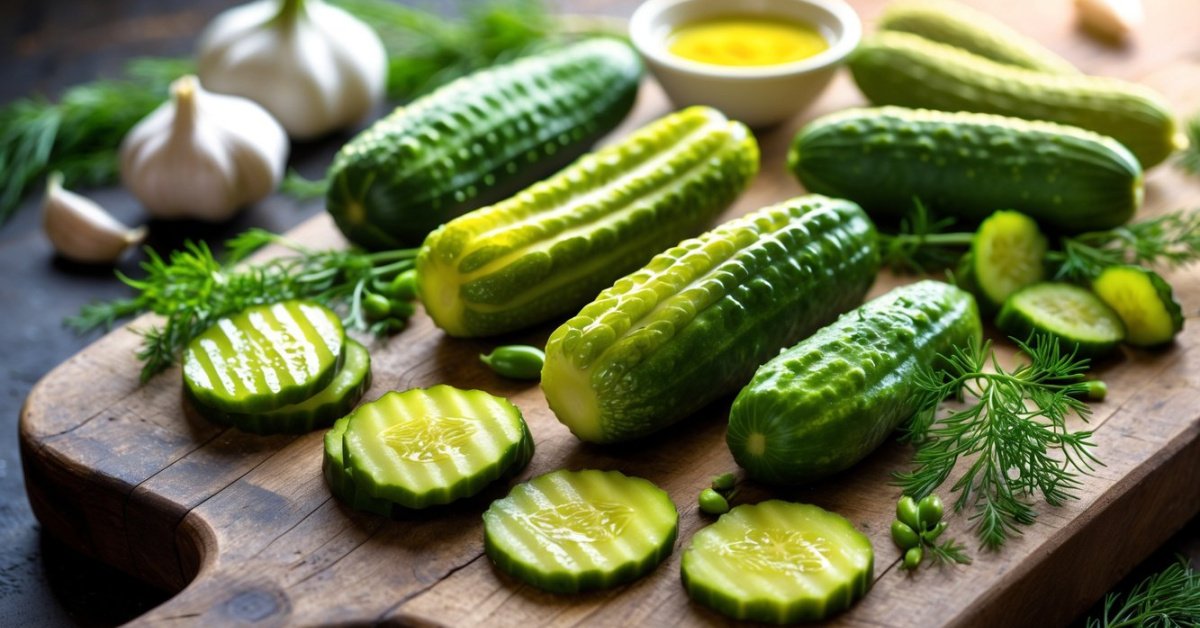
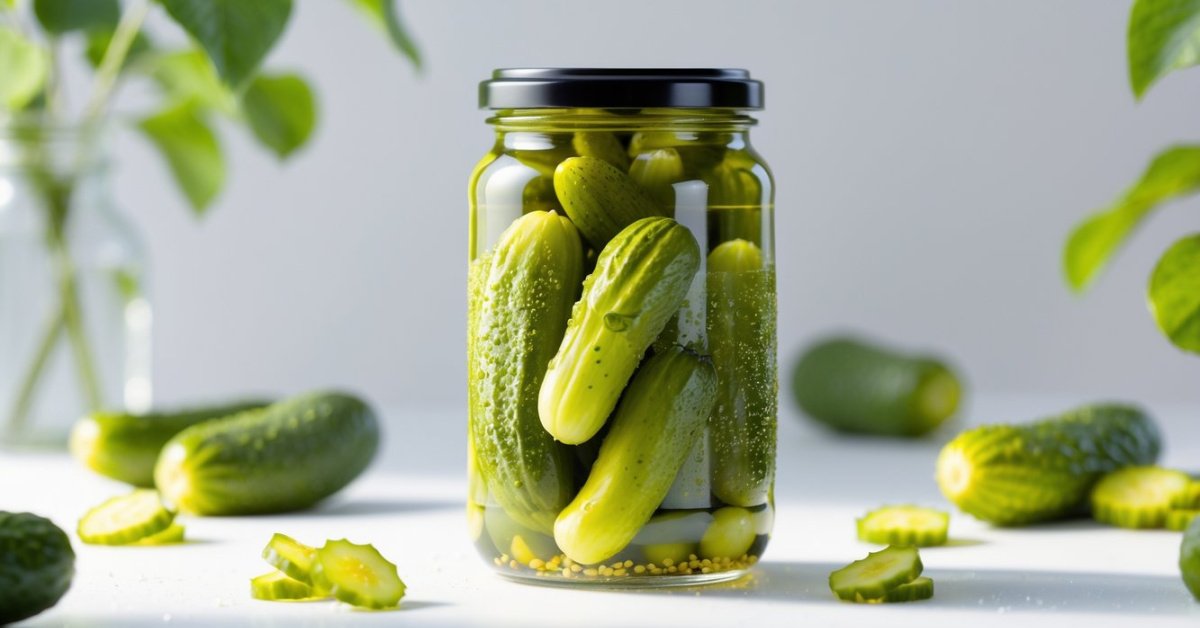
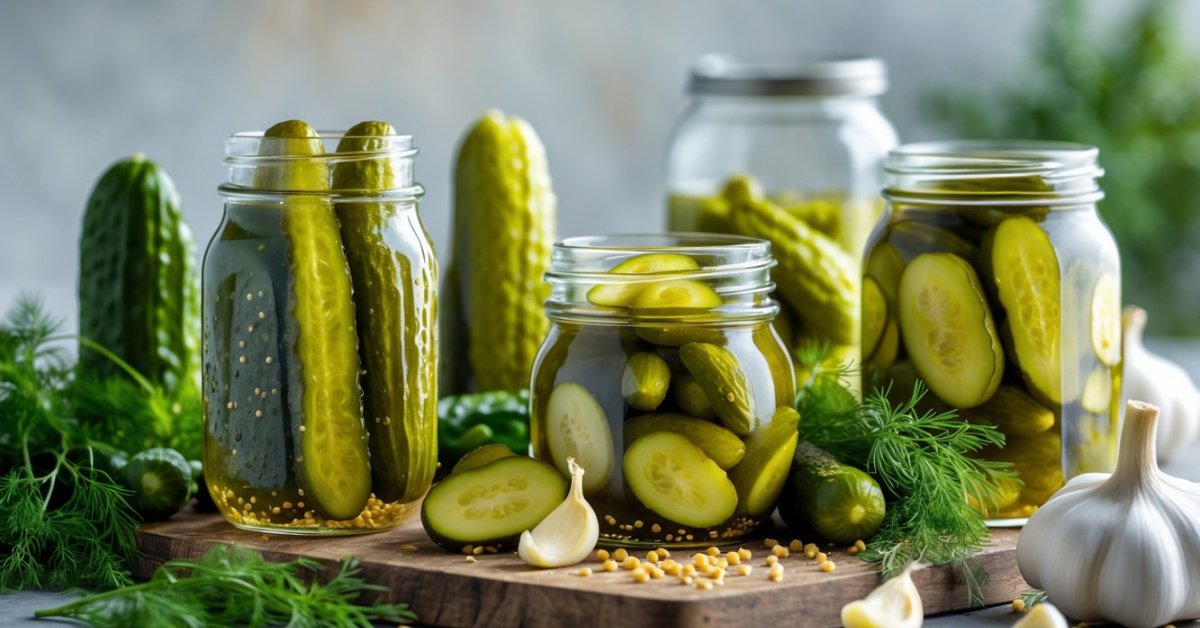
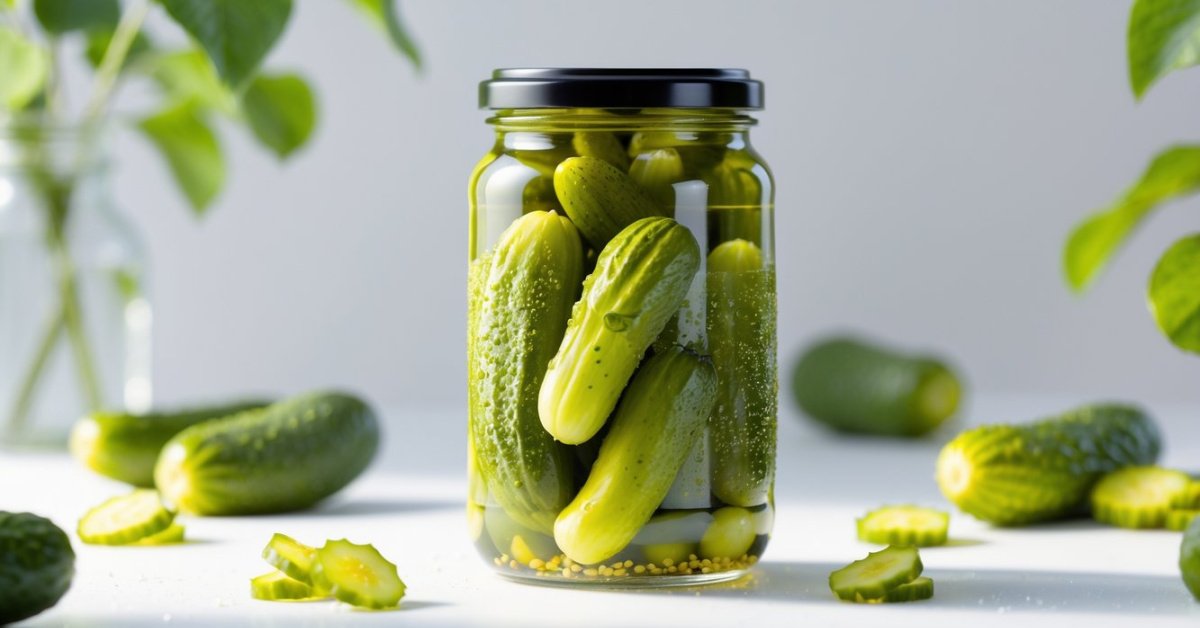
Pickle choice creates the pinwheel’s character. I prefer pickles I’ve canned myself, since small-batch dill, garlic, or spicy spears deliver crispness and real garden brightness. Slices or spears at 3–4 inches fit neatly across standard tortillas and let the flavor shine without overpowering the filling. Fermented pickles (like classic sours) work well, as do shelf-stable bread-and-butters for an extra touch of sweetness. If pickling at home isn’t possible, I recommend choosing artisan or refrigerated pickles over mass-produced jars for maximum crunch and nuanced flavor.
How to Make Pickle and Ham Pinwheels
I make pickle and ham pinwheels whenever I want to showcase my pickling skills with minimal fuss. My method keeps the pickles crisp and the assembly efficient.
Step-by-Step Preparation
- Spread cream cheese evenly on each flour tortilla, using about 2 tablespoons per 8-inch round.
- Arrange 2–3 thin slices of deli ham over the cream cheese, pressing down gently for even coverage.
- Lay 1–2 whole garden pickles lengthwise along the lower third of the tortilla, if pickles are large, quarter lengthwise.
- Roll the tortilla tightly from the edge with the pickles, sealing the roll as you go.
- Wrap each roll in plastic wrap, storing seam side down to keep pinwheels tightly sealed. Chill for at least 30 minutes in the refrigerator for best slicing.
Tips for Rolling and Slicing
- Slice with a sharp, non-serrated knife to prevent flattening the roll and keep medallions intact.
- Wipe the blade between cuts to prevent buildup from cream cheese and pickle brine.
- Trim the uneven ends before slicing the main portion into 1/2-inch rounds. I usually get 8 pinwheels per roll.
- Align pickles lengthwise in the tortilla to create a visible pickle center in every slice, ensuring visual appeal and flavor in each bite.
Taste and Texture Review
Each pickle and ham pinwheel delivers an immediate, lively contrast between crisp pickle and smooth cream cheese. I select pickles with a satisfying snap, as my home-canned spears keep their structure and tang against the soft flour tortilla base. Briny, garden-fresh cucumbers cut through the richness of dairy and the savory salt of the ham. The seasoned cream cheese layer acts as a mild, cooling buffer, allowing the pickle’s acidity to stay up front.
Every bite balances multiple textures. I get crunch from the carefully fermented pickle, tenderness from thin-sliced deli ham options like cherrywood-smoked, and chewiness from pliable, fluffy tortillas. Cream cheese provides an airy softness, preventing dryness without overpowering with heaviness. By lining up the ingredients edge to edge, I ensure that each slice reveals a swirl of color—green pickle, marbled ham, white cheese—making the platter visually distinct.
Flavor intensity depends on pickle variety. Dill brings grassy, herbal sharpness, while bread-and-butter slices add subtle sweetness that tempers the meat’s boldness. I’ve found that homemade pickles, packed with spices like mustard seed or peppercorn, offer deeper complexity than most store-bought options. When bringing my pinwheels to pickle-centric gatherings, guests always comment on the refreshing tang and layered bite unique to self-canned pickles.
Serving at room temperature keeps the tortillas pliable and the pickles vibrant. Chilling too long can soften the edges of the tortilla, but with proper timing, each slice holds its shape and the pickles retain their satisfying crunch.
| Texture Element | Description |
|---|---|
| Pickle | Crunchy, juicy, tangy—heightened by home-pickling |
| Cream Cheese | Smooth, creamy, neutralizes acidity |
| Deli Ham | Thin, savory, flexible—varieties enhance depth |
| Flour Tortilla | Soft, chewy, acts as a sturdy but yielding wrap |
Presentation and Serving Ideas
Arranging pickle and ham pinwheels for parties highlights both the vibrant pickles and the care I put into homegrown ingredients. I layer pinwheels in circular patterns on wooden boards to showcase the spiral of fresh dill, tangy brine, and rosy ham—this draws attention to the vegetables from my garden and the artistry of slicing. I use pickled radishes or carrots from my pantry as garnishes, scattering them between rows for extra color and a reminder of the variety pickling offers.
Plating on chilled platters keeps the cream cheese cool and ensures the pickles stay crisp, which preserves both texture and freshness. I place small jars of extra pickles alongside the pinwheels, so curious guests sample different brines or compare fermented and quick-pickled flavors. Grouping pinwheels by pickle type on the tray helps guests explore distinct tastes, from classic garlic dills to punchy spicy spears.
I serve my pinwheels on large leaves from my collard patch for a rustic touch, using edible herbs like dill and chive fronds as toppings—this underlines my connection to the garden and self-sufficient food. I often insert toothpicks in each pinwheel to make them easy to grab and keep them neat for buffets or outdoor gatherings.
I recommend offering a small label or chalk sign naming the type of pickle used, such as “Homemade Garlic Dill” or “Bread-and-Butter from Summer Cukes,” so guests learn about pickling methods as they eat. I keep a small bowl of homemade mustard or pickled hot peppers on the side for those who want extra zest.
When I build a larger pickled spread, I create a “pickle bar” featuring different pinwheels alongside jars of pickled beans, okra, and onions. This encourages guests to experiment with new flavors and appreciate the full range of what home pickling brings to the table.
Pros and Cons of Pickle and Ham Pinwheels for Parties
Pros
- Quick Assembly
I roll pickle and ham pinwheels in under 15 minutes, even when prepping big batches for parties of 12 or more.
- Visual Appeal
Each slice displays vibrant greens and pinks, drawing attention on buffet tables alongside other party snacks like deviled eggs and veggie platters.
- Customizable Flavors
I adjust pickling brines, switch between garlic-dill and spicy bread-and-butter varieties, and pick different hams to suit both adventurous and traditional guests.
- Shelf-Stable and Make-Ahead
I assemble pinwheels up to one day before an event if refrigerated tightly, preserving the crunch and flavor of my garden pickles.
- Diet Friendly
I find pinwheels fit low-carb and gluten-free diets if I swap regular tortillas for suitable alternatives, so guests with varying needs enjoy the spread.
Cons
- Moisture Migration
Pickles release liquid over time, which softens tortillas and can cause sogginess if the pinwheels sit for over 12 hours or if pickles aren’t drained well.
- Salt Content
Ham and pickles together add significant sodium, which I balance by using low-salt ham or rinsed pickles, although some guests still taste the saltiness.
- Allergy Considerations
Tortillas, dairy-based cream cheese, or processed ham pose problems for guests with gluten or lactose sensitivities and those seeking minimally processed food.
- Delicate Slicing
Pinwheels lose shape or filling if I use overly watery pickles or a dull knife; sharp knives and proper draining are non-negotiable in my kitchen.
- Chill Requirements
Pinwheels need cold storage until serving, especially when I use fresh cheese or delicate artisan pickles, which increases fridge space demand during event prep.
Conclusion
Whenever I bring out a platter of pickle and ham pinwheels guests light up and the conversation always turns to the pickles. They’re a simple way to add color and crunch to any party spread and I love how easy they make entertaining.
If you’re looking for a crowd-pleaser that’s both effortless and impressive these pinwheels are a go-to. Give them a try at your next gathering and watch them disappear faster than you can say “pass the pickles.”