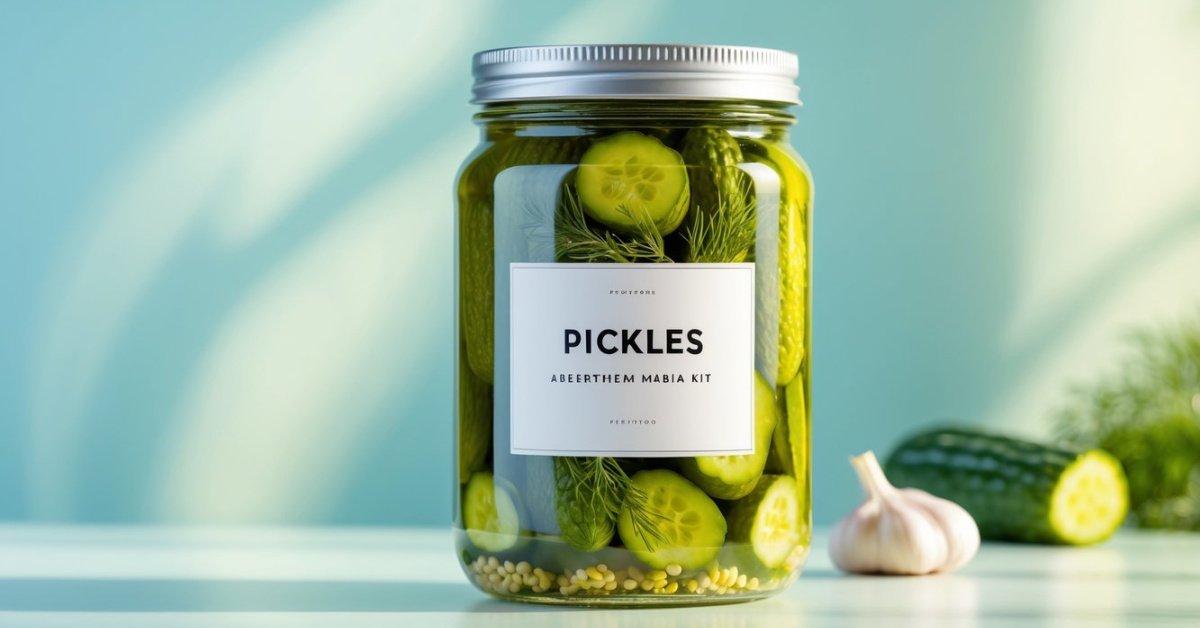
I never let a good jar of pickle juice go to waste. That tangy brine has so much flavor packed into every drop and it’s just begging for a second life beyond the pickles themselves. One of my favorite ways to use it is in a bright and zesty vinaigrette that instantly wakes up any salad.
It’s amazing how a splash of pickle juice can transform simple greens into something crave-worthy. I love how it brings a punchy kick without overpowering the other ingredients. If you’re looking for a fun twist on your usual salad dressing this might just become your new go-to.
What Is Pickle Juice Vinaigrette for Salads?
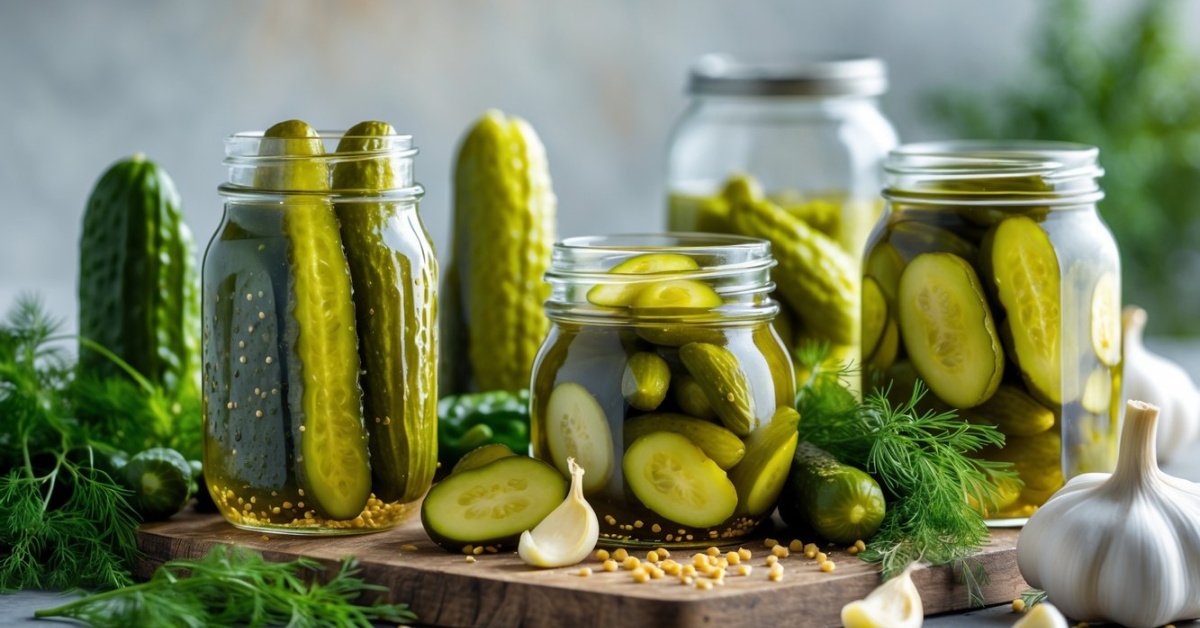
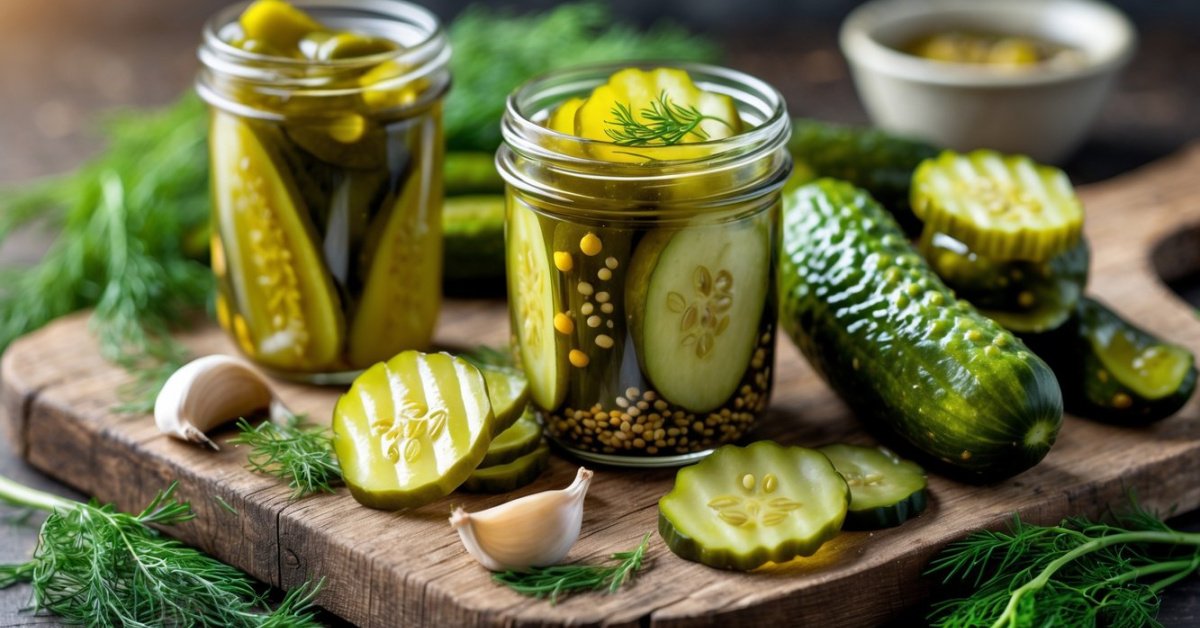
Pickle juice vinaigrette blends the brine left over from pickling—typically made with vinegar, salt, spices, and herbs—with oil and seasonings to create a tangy salad dressing. I use pickle juice from dill, bread-and-butter, or spicy pickles for varied flavor profiles. Fresh juice from my home-canned vegetables like cucumbers, beans, or beets contains complex notes from mustard seeds, garlic, fresh dill, and even peppercorns.
This vinaigrette differs from classic versions by introducing a savory, acidic punch drawn directly from fermented or quick-pickled brines, instead of relying only on plain vinegar. I often pair mine with leafy greens, shredded cabbage, or potato salads to add brightness and cut rich flavors. Consistency remains light and pourable, often revealing flecks of spices suspended in the mix.
Pickle juice vinaigrette appeals to those interested in reducing food waste, since it uses brine that might otherwise be discarded. By saving each jar’s liquid, I extend the flavors I’ve worked to develop during pickling, making every salad taste fresh from the garden.
Key Ingredients and Flavor Profile
Pickle juice vinaigrette starts with brine as the primary foundation. I use brine from jars of homemade dill, bread-and-butter, or spicy pickles. These brines contain vinegar, water, kosher salt, garlic, mustard seeds, and fresh dill fronds. Each base lends a signature tang and savory depth.
Olive oil creates balance and texture. I select extra virgin olive oil for its velvety mouthfeel and subtle fruitiness, which lets the brine’s acidity shine through.
Additional seasonings boost the flavor complexity. I add cracked black pepper, dried oregano, and a touch of honey. For extra brightness, I sometimes include minced shallots or chives from my garden.
Flavor profile centers on bold acidity with salty, herbal, and aromatic undertones. Pickle juice imparts a burst of sour, layered with garlic, spice, and dill. The oil rounds out sharp notes, while added herbs and alliums sharpen and freshen every bite.
Ingredient combinations create variety. For example, a dill pickle brine delivers grassy, garlicky zing, while a spicy brine gives bursts of chili and mustard. My bread-and-butter brines add a buttery sweetness and warm hints of clove.
Balancing elements keeps the vinaigrette vibrant, never overpowering. I rely on tasting and adjusting ratios to complement greens from my garden—lettuces, radicchio, or homegrown cucumbers—maximizing both taste and sustainability.
Health Benefits of Using Pickle Juice
Using pickle juice in vinaigrette introduces beneficial nutrients and functional compounds straight from the pickling process. I extract electrolytes like sodium and potassium (see USDA FoodData Central, 2019) from the brine which support hydration, making this vinaigrette a smart addition after outdoor gardening or physical activity.
Extracting antioxidants becomes easy when I use brines infused with garlic, dill, and mustard seeds; these botanicals contain polyphenols and flavonoids that protect cells from oxidative stress (Journal of Food Science, 2017). Including these herbs in my own pickling batches enhances the health-supporting properties of every salad served.
Incorporating vinegar from pickle juice helps with glycemic response moderation, according to studies in Diabetes Care (2004). This acetic acid slows starch breakdown when I toss vinaigrette with potatoes or grains, which benefits steady energy.
Retaining gut-supportive elements from fermented pickles lets me offer natural probiotics like Lactobacillus, which help maintain digestive health if live cultures remain present (Frontiers in Microbiology, 2019). Using fresh, unpasteurized pickle brine preserves these microorganisms better than commercial, heat-processed versions.
Reducing food waste by pouring leftover brine into vinaigrette aligns with my self-sufficiency values and sustainable gardening practice. Each batch of pickle juice vinaigrette maximizes my harvest, stretching nutrients while minimizing my environmental impact.
How to Make Pickle Juice Vinaigrette at Home
Pickle juice vinaigrette showcases the flavors I cultivate in my garden and preserve in every jar. With leftover brine, I craft a dressing that honors the harvest and sustains my passion for self-sufficiency.
Basic Recipe
Pickle juice vinaigrette starts with 3 parts oil and 1 part pickle brine by volume. I pour 3 tablespoons of extra virgin olive oil and 1 tablespoon of well-strained pickle juice into a small bowl or jar. I whisk or shake until the mixture turns glossy and unified. For depth, I add ½ teaspoon Dijon mustard, 1 teaspoon honey, and a pinch of black pepper. When working with brisk dill brine, a minced clove of garlic or a sprinkle of chopped dill brightens the mix. Bread-and-butter brine needs less sweetener; spicy brines benefit from a drop of maple syrup to round out the heat. This base vinaigrette highlights the herbal brightness of my pickles without overpowering tender greens or crisp vegetables.
Creative Variations
Flavor adjustments let me tailor the vinaigrette to each garden salad. I infuse roasted shallots and chives if I’m preparing a springtime mix. For potato or cabbage salads, I fold in a tablespoon of whole grain mustard and a dash of smoked paprika for extra bite. Using brine from garlic-dill pickles, I top the vinaigrette with a handful of toasted caraway seeds, which echo the aromatic profile in my fermentation crocks. When I crave extra tang, I blend in a teaspoon of apple cider vinegar sourced from my home-pressed apples. For a creamy style, I whisk in a spoonful of yogurt made from raw milk. Changing the herbs or sweeteners—like adding tarragon or swapping honey for agave—matches the vinaigrette to different seasonal harvests and preserves. These tweaks let me bring out the best in every jar and garden row.
Best Salad Pairings for Pickle Juice Vinaigrette
Mixed Greens Salads
I use pickle juice vinaigrette to add bright acidity to mixed greens like leaf lettuce, arugula, baby spinach, and radicchio. Spring blends from the garden especially pop with the herbal tang from dill or spicy brines. Farms like Stone Barns Center (NY) recommend rotating greens for flavor and nutrition benefits.
Potato and Pasta Salads
I toss warm red potatoes, garden peas, or fusilli with pickle juice vinaigrette for a lighter, vibrant finish compared to mayonnaise-based dressings. That briny, tangy zip balances starchy elements while cutting richness in summer picnic salads. The American Heart Association highlights vinaigrette options for healthier sides.
Cabbage Slaws
I pour pickle brine vinaigrette over slaws with shredded cabbage, carrots, and radishes. Acidic brine keeps cabbage crisp and supports quick-pickling effects, making each bite crunchy and flavorful. My own garden-grown Napa cabbage and purple radish mix especially well with garlic and mustard seed brines.
Bean and Chickpea Salads
I dress protein salads—such as white beans with fennel or chickpeas with roasted peppers—with pickle juice vinaigrette for a bold, tangy note. Legumes soak up the savory acidity, and the pickled flavors highlight garden herbs like parsley and tarragon. Registered dietitians at Harvard’s T.H. Chan School recommend acidic dressings for protein absorption.
Grain-Based Salads
I combine farro, quinoa, or barley salads with pickle brine dressing, adding roasted summer squash, tomatoes, or cukes. The vinaigrette boosts texture and depth, helping grains carry the tang of homemade spicy or bread-and-butter brines. Ruth Reichl’s “My Kitchen Year” details the value of vinaigrettes for elevating grain dishes.
Roasted Veggie Salads
I finish roasted beet or carrot salads with pickle juice vinaigrette to add bright freshness and herbal notes. Warm veggies absorb the brine’s aromatics, especially when I use garlic-dill pickles from recent summer batches.
Egg-Based Salads
I drizzle vinaigrette over deviled eggs or a garden-fresh egg salad to add zest and complexity. The acidity from pickle brine breaks up the richness of eggs, delivering a balanced, refreshing taste even on hot days.
Every time I use pickle juice vinaigrette, salads get both bold garden flavor and resourceful, waste-fighting sustainability.
Pros and Cons of Pickle Juice Vinaigrette
Pros of Pickle Juice Vinaigrette
- Adds Distinctive Flavor
Pickle juice vinaigrette transforms salads with tangy, herbal, salty, and sometimes spicy notes. I get pronounced brightness, especially with dill or spicy pickle brines, that stands out from standard vinegar dressings.
- Supports Food Sustainability
Brine re-use reduces waste and extends the flavors I’ve cultivated in my garden harvests. Instead of tossing leftover liquid, I keep every drop working for my table.
- Delivers Extra Nutritional Benefits
Electrolytes such as sodium and potassium enter the mix, along with the antioxidants I gain from infusions of dill, garlic, and mustard seed. When using brine from fermented pickles, I naturally boost probiotic intake.
- Allows Creative Adaptation
Every batch adjusts easily with different brines. I swap sweet bread-and-butter pickle juice for savory dill based on what’s available from my canning shelves, enabling flexible pairing with a wide range of salads.
Cons of Pickle Juice Vinaigrette
- Presents Strong, Sometimes Overpowering Taste
When I don’t balance the acidity or saltiness, brine can dominate tender greens or delicate vegetables in a finished dish.
- Increases Sodium Content
Most pickle brines contain elevated sodium—often 300-900mg per tablespoon, according to USDA data—which can become a concern when serving those who monitor salt intake.
- Limits Pairing with Some Salad Types
Sweet or heavily spiced brines can clash with subtle salad ingredients. I often skip using these on fruit salads or light, springtime lettuces.
- May Affect Texture if Overused
Acidity and salt content can wilt delicate greens quickly. To avoid limp leaves, I dress salads right before serving, especially with crisp lettuces like butterhead or baby spinach.
Conclusion
I love how a splash of pickle juice transforms my salads into something truly memorable. It’s a fun way to experiment with flavors while making the most of every last drop from my pickling jars.
Whether I’m craving something zesty or looking to add a bit of garden-fresh brightness to my meal this vinaigrette always brings a unique twist. If you’re looking to shake up your salad routine give pickle juice vinaigrette a try—you might just find a new favorite.