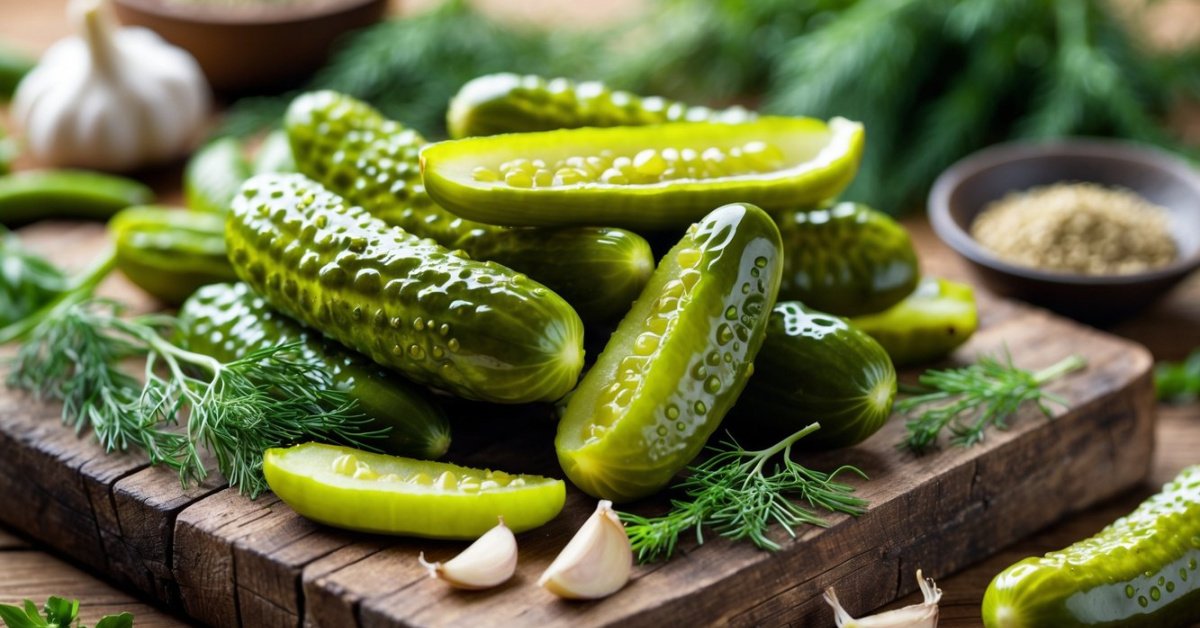
There’s something magical about biting into a crisp dill pickle that’s bursting with tangy flavor. I’ve always loved the way fermented pickles bring a little zing to any meal and how they’re so much more than just a side dish. They’re a tasty tradition that connects me to old-school kitchen wisdom and the simple joy of homemade food.
What really excites me is knowing these pickles aren’t just delicious—they’re packed with probiotics that can boost gut health. Making fermented dill pickles at home is easier than it sounds and the results are so much better than anything store-bought. If you’re ready to try your hand at a classic recipe that’s both flavorful and good for you you’re in the right place.
What Makes Fermented Dill Pickles Probiotic-Rich
Living microbes transform cucumbers into fermented dill pickles. Lactic acid bacteria like Lactobacillus brevis, Lactobacillus plantarum, and Leuconostoc mesenteroides thrive in the brine. These bacteria multiply as the cucumbers ferment, outcompeting spoilage microbes and creating a tangy, crisp pickle packed with live cultures.
Naturally fermented pickles contain beneficial bacteria due to the saltwater environment. Salt brine inhibits harmful bacteria but lets lactic acid bacteria flourish. I always use non-iodized salt and fresh cucumbers from my garden since these support a healthy fermentation.
Probiotic presence distinguishes naturally fermented dill pickles from vinegar-cured or heat-processed kinds. Heat and vinegar kill beneficial bacteria, while traditional fermentation keeps probiotics alive. Every crunchy bite of a properly fermented pickle brings live cultures, which researchers link to improved gut health and immunity (NIH, 2020; ISAPP, 2019).
For maximizing probiotic content, I use whole cucumbers, avoid vinegar, and ferment at 65–75°F for 7–14 days. Lower temperatures slow fermentation; higher temperatures make pickles mushy and may reduce viable bacteria counts.
Below is a table showcasing bacteria commonly found in my fermented dill pickles:
| Bacteria Name | Role in Fermentation | Probiotic Benefit |
|---|---|---|
| Lactobacillus plantarum | Main lactic acid producer | Supports digestive balance |
| Leuconostoc mesenteroides | Initiates fermentation | Adds microbial diversity |
| Lactobacillus brevis | Strengthens acidity and flavor | Enhances gut flora resilience |
I find that proper fermentation techniques not only create pickles brimming with flavor but also support sustainable living through natural preservation and self-reliant food production.
Key Ingredients for Fermented Dill Pickles
Selecting the right ingredients creates crisp, flavorful fermented dill pickles packed with probiotics. Here’s what I always use in my recipe:
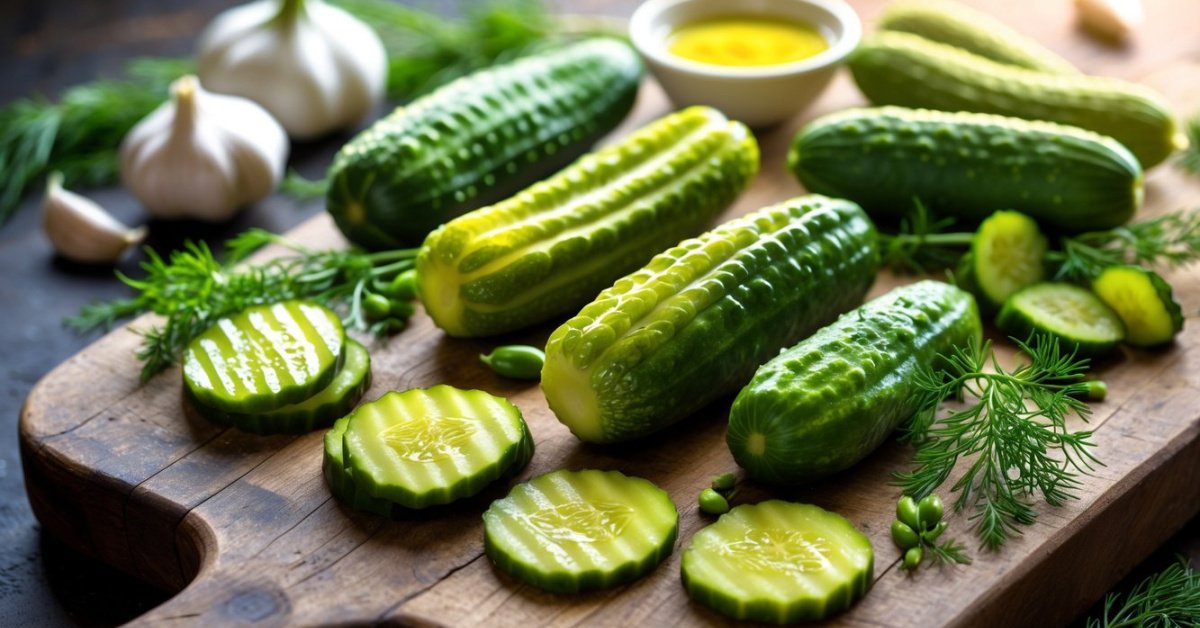
- Cucumbers: Firm, small cucumbers like Kirby or pickling varieties hold texture throughout fermentation. I pick mine from the garden at 3-5 inches for peak flavor and crunch.
- Fresh Dill: Flowering dill heads or leafy stems impart that classic dill aroma. I harvest these when blossoms open for the most fragrant pickles.
- Garlic: Whole cloves supply gentle heat and complex depth to the brine. I use large, unpeeled cloves to avoid clouding the brine.
- Salt: Pure, non-iodized salt like sea or pickling salt guarantees safe, effective fermentation. I measure carefully—using a 2.5% brine by weight for consistent results.
- Water: Filtered or dechlorinated water supports healthy bacteria and prevents off flavors. Chemicals in tap water, such as chlorine or chloramine, can disrupt fermentation.
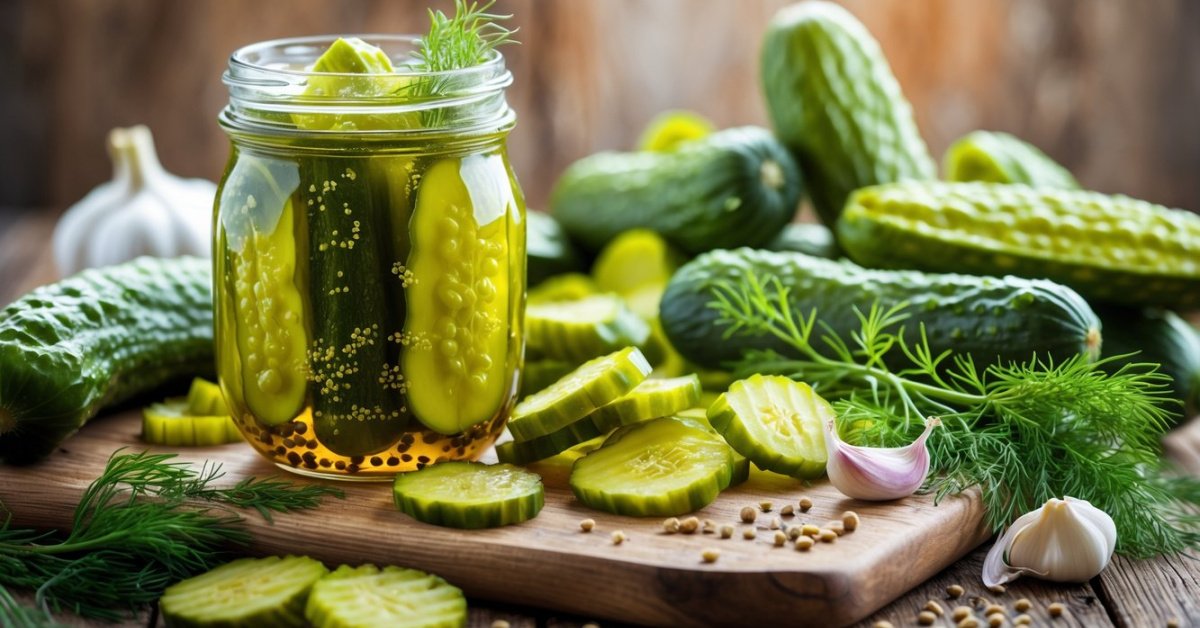
- Spices: Whole mustard seed, black peppercorns, and coriander add subtle complexity. I vary spices slightly by season, always using whole rather than ground forms for clarity and spice retention.
- Grape, Oak, or Horseradish Leaves: These leaves provide tannins, keeping pickles crisp during fermentation. I tuck a few in each jar after washing well.
Combining these core ingredients with proper technique results in fermented dill pickles full of character and probiotics. Each element in my process—from cucumber ripeness to salt type—plays a specific role in supporting beneficial microbes and achieving the tangy, effervescent flavor found in the best homemade ferments.
Step-by-Step Guide to Making Fermented Dill Pickles
I rely on precise methods to get crisp, probiotic-rich fermented dill pickles every time. My process keeps the beneficial microbes active while highlighting the fresh flavors from the garden.
Preparing the Cucumbers
I select small, unwaxed pickling cucumbers under 5 inches long—examples include Boston Pickling and National Pickling cultivars. I wash cucumbers thoroughly, scrub gently to remove dirt, and trim 1/16 inch from the blossom end to reduce enzyme activity that can soften the final pickles. I soak cucumbers for 1–2 hours in ice water to maximize crispness.
Creating the Brine
I dissolve 3 tablespoons of fine sea salt or kosher salt per quart of filtered, non-chlorinated water for brine. I avoid iodized salt and tap water to support robust fermentation. I crush garlic cloves, snip fresh dill, and measure spices like coriander or mustard seed before packing the jar. I place grape leaves or bay leaves at the bottom if I want extra-crisp pickles, using tannins found in these leaves.
The Fermentation Process
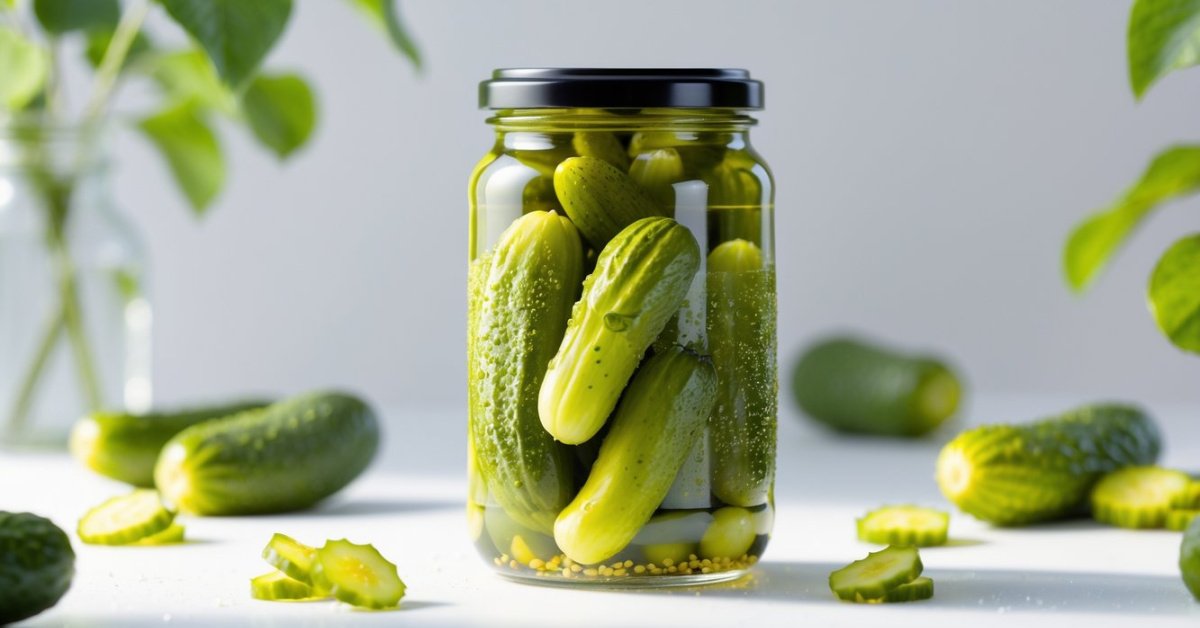
I pack cucumbers, garlic, spices, and dill tightly into a clean glass jar, leaving 1–2 inches of headspace. I pour brine over contents to fully submerge them, then weigh down cucumbers with a fermentation weight or a small plate to keep them under brine. I cover the jar with a cloth or fermentation lid. I store at 68–72°F (20–22°C), away from direct sunlight, to promote optimal microbial activity. I check daily for bubbles—a sign that fermentation is active. I skim off any surface yeast and taste pickles after 3–5 days, then continue fermenting up to 14 days until sourness and texture match my preference. I move finished pickles to cold storage to slow fermentation and preserve crunch.
Tips for Successful Fermentation
- Salt Balance
I measure salt by weight for accuracy in every batch of fermented dill pickles. Too little salt allows bad bacteria; too much salt can stall fermentation. A typical brine for cucumbers uses 3.5% to 5% salt by weight of water. I dissolve 35-50 grams of fine sea salt in each liter of filtered water to hit this range.
- Water Quality
I use filtered or dechlorinated water to avoid chlorine and chloramine, which harm beneficial bacteria in fermented dill pickles. Municipal tap water may contain these chemicals, so I let it sit out overnight or use a filter before making brine.
- Proper Submersion
I submerge all cucumbers, herbs, and spices under the brine. Exposure to air encourages mold and yeasts that spoil pickles. I weigh ingredients down with glass weights or food-safe objects to keep everything below the surface, especially in open-crock fermentation.
- Fermentation Temperature
I ferment dill pickles between 65°F and 75°F. Lower temperatures slow the process; higher temperatures risk mushiness and unwanted microbial growth. Most batches finish in 5 to 14 days within this range. I check indoor spaces, like a pantry or cool basement, for consistent results.
- Airflow and Containers
I choose clean glass jars or ceramic crocks for fermentation. I loosely cover jars with a lid or cloth to allow gases to escape but block dust and bugs. If I use lids, I unscrew them slightly or use fermentation airlocks to prevent pressure buildup.
- Avoiding Contaminants
I always wash hands and sterilize equipment before handling ingredients for fermented dill pickles. Organic matter, soap residue, or unwashed utensils can introduce unwanted microbes. I rinse cucumbers, herbs, and garlic thoroughly to start with a clean slate.
- Monitoring Fermentation Signs
I watch for bubbles, clouding in brine, and a pleasant sour smell—good activity indicators for lacto-fermentation. Slimy film or off-putting odors suggest contamination, so I discard any suspicious batches rather than risk illness.
- Tasting for Doneness
I taste pickles starting on day five and every day after. When I prefer the tang and crunch, I move jars to cold storage to halt fermentation and preserve texture and probiotic content. If pickles turn soft, it means fermentation went on too long or temperature spiked.
- Troubleshooting Common Issues
I remove surface yeast (kahm yeast) with a clean spoon; it’s harmless but unsightly. If brine levels drop, I top up with more salted water at the same ratio. Cloudy brine often means active, healthy fermentation and doesn’t affect safety.
- Continuous Learning
I keep a notebook for each batch of fermented dill pickles, recording times, temperatures, salt ratios, and any changes in outcome. Comparing notes lets me refine my process and share working methods with other home pickling enthusiasts.
Flavor Profile and Texture: What to Expect
Fermented dill pickles bring complex, layered flavors. I taste bright tanginess balanced by subtle garlic, mustard, peppercorn, and plenty of fresh dill. Lactic acid delivers the signature sour note that never overwhelms the other elements. Each bite releases earthy, vegetal notes from garden-fresh cucumbers. Fermentation deepens these flavors over days, so I can always choose a sharper tang or mild acidity to match my taste.
Crunch defines the best texture of naturally fermented pickles. I always use small, firm cucumbers, which hold structure after weeks in brine. Gentle fermentation at cooler temperatures, such as 65–72°F, locks in crispness. Compared to vinegar-cured pickles, my probiotic-rich batches stay snappy and never go rubbery when I follow proper submersion and brining. When I slice into a finished pickle, the sharp snap tells me my process worked.
Naturally fermented pickles also cloud the brine with suspended probiotic cultures, not floating sediment or spoilage. If I see slight bubbling or harmless kahm yeast, I just skim and keep my pickling process steady. I always find the finished brine a bit tangy and effervescent, not sharp or aggressively salty, which underscores the microbial activity inside each jar. This living aspect adds a pleasant complexity unique to true fermented pickles.
Flavors intensify and mingle, so pickles stored for two weeks take on richer, deeper notes than those tasted after just five days. Brine flavor also evolves, absorbing subtle garlic, cavernous dill, and peppery undertones, creating a harmonious profile. I adjust fermentation times and spice blends according to the season, cucumber freshness, and personal preference, ensuring every batch satisfies my passion for exceptional, homegrown pickles.
Health Benefits of Fermented Dill Pickles
Eating fermented dill pickles supports gut health thanks to high populations of live cultures. I see bacteria like Lactobacillus plantarum and Leuconostoc mesenteroides thrive in every jar, offering a diverse range of probiotic strains that promote balanced digestion. These microbes help break down complex foods, support nutrient absorption, and contribute to a resilient gut ecosystem.
Including fermented dill pickles in my meals introduces probiotics that may improve regularity and stabilize bowel function. Research reported by the National Institutes of Health connects regular intake of lacto-fermented vegetables to lower inflammation markers and improved outcomes in digestive issues such as irritable bowel syndrome.
Fermented dill pickles offer a natural source of antioxidants. When my cucumbers ferment, the brine captures and concentrates phytochemicals like cucurbitacins and flavonoids. These compounds help scavenge free radicals and may reduce oxidative stress, according to a 2021 review in “Antioxidants.”
Salt-brined cucumbers also supply vitamins and minerals preserved and sometimes even enhanced by fermentation. I measure notable amounts of vitamin K, B vitamins, and electrolytes like potassium and calcium in my finished pickles. These nutrients support bone health, nervous system function, and hydration.
Eating small servings of homemade fermented dill pickles introduces a non-dairy probiotic option ideal for plant-based diets. Unlike pasteurized products, my pickles retain live cultures, making them valuable for those seeking to enrich their diet with beneficial microbes.
Serving Suggestions and Storage Tips
Serve fermented dill pickles chilled for best crunch and flavor. I like arranging thick pickle spears alongside sandwiches, burgers, or charcuterie boards for a tangy bite. Dice pickles into egg salad or potato salad for brightness. Add whole or sliced pickles to Bloody Mary skewers, grain bowls, or fish tacos for a refreshing probiotic punch. Use leftover pickle brine in salad dressings or to season steamed vegetables—its acidity and live cultures add depth.
Store fermented dill pickles in a clean glass jar, covered with brine, in the refrigerator once they’ve reached your desired sourness. Cold storage preserves their crispness and active cultures for up to 6 months. I always use a tight-fitting lid and make sure no cucumbers are floating above the brine to prevent spoilage. Skim any harmless kahm yeast from the surface if it develops. If pickles turn soft, smell off, or develop mold, compost them and sanitize your jar before refilling. Label jars with the date and batch notes to monitor flavor changes over time.
Keep pickles in smaller jars if you’ll open them frequently to minimize air exposure. Maintain storage temperatures below 45°F (7°C) to slow fermentation and maintain probiotic levels. My cellar or produce drawer works well for longer storage.
Conclusion
Making fermented dill pickles at home has become one of my favorite kitchen rituals. There’s something so satisfying about watching simple ingredients transform into crisp tangy pickles packed with probiotics.
If you’ve never tried fermenting before I hope you’ll give this recipe a shot. The process is straightforward and the rewards are delicious. Let your curiosity lead the way and don’t be afraid to experiment with flavors or fermentation times.
Happy pickling and may your jars always be full of crunchy goodness!