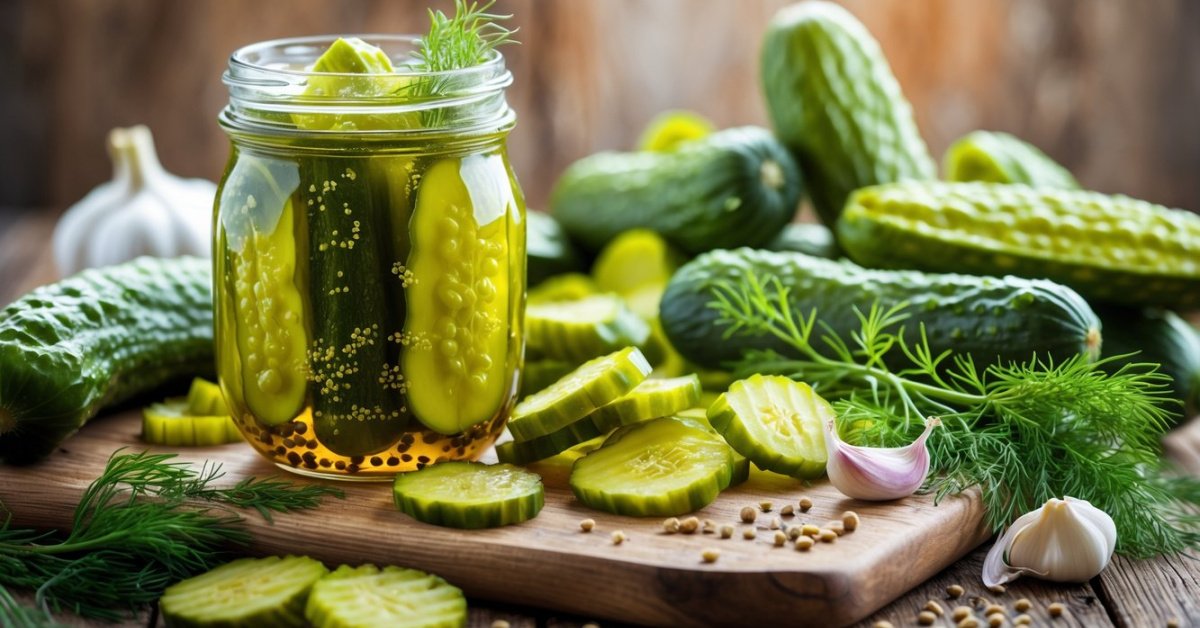
There’s something magical about the way mushrooms soak up flavors and transform into a tangy snack. Every time I make pickled mushrooms with herbs and garlic my kitchen fills with the freshest scents and I know I’m about to enjoy something special. These little bites bring a burst of flavor to salads sandwiches or even as a stand-alone treat.
I love how easy it is to toss together a batch with just a few simple ingredients. The combination of earthy mushrooms zesty garlic and fragrant herbs creates a snack that’s both refreshing and satisfying. If you’re looking for a new way to enjoy mushrooms you’re in for a treat.
First Impressions of Pickled Mushrooms with Herbs and Garlic
Opening a jar of pickled mushrooms with herbs and garlic offers a rush of earthy, tangy aromas that instantly remind me of harvest days from my home garden. Vibrant, firm mushrooms float in a brine swirling with green basil, thyme, dill, and slivers of garlic. Bright vinegar and garlic create a sharp scent that signals a successful fermentation.
Tasting them, I notice a crisp bite first—mushrooms stay dense and tender, never mushy, when I start with small, freshly picked varieties like cremini or button. Brine saturates every piece, carrying distinct notes of dill and thyme followed by the soft heat of garlic. Sweetness from a hint of sugar balances the sharpness, while peppercorns and mustard seeds add complexity.
I find pickled mushrooms with herbs and garlic stand out compared to classic cucumber pickles. Their unique texture, robust umami taste, and layered flavors make them a bold option for pickle enthusiasts exploring beyond the basics. Every jar brings me satisfaction—knowing these mushrooms are the result of careful, sustainable gardening and home pickling methods.
Flavor Profile and Texture
Pickled mushrooms with herbs and garlic create a layered flavor and texture profile that stands out on any pickle platter. I pack every bite with a blend of earthiness, brightness, and satisfying snap.
Taste Experience
Mushrooms in my pickling brine soak up the sharpness of white vinegar and the sweetness of just a touch of sugar. Garlic delivers a pungent, savory punch that’s balanced by whole peppercorns and mustard seeds. Herbs—basil, thyme, dill—infuse an aromatic freshness that lingers. With every taste, I notice distinct notes: tangy vinegar up front, an herbaceous mid-palate, then rich umami from the mushrooms themselves. This triple-layered taste offers more complexity than standard cucumber pickles.
Consistency and Crunch
Firmness is the hallmark of well-pickled mushrooms, especially when I use cremini or button varieties. Each mushroom keeps a pleasant bite—never soggy, always crisp at the edge and tender at the center. The brine’s salt and acid preserve the structure, while chilling after pickling helps the mushrooms hold their satisfying crunch. Compared to other vegetables I pickle, mushrooms give a uniquely toothy snap followed by a juicy, meaty chew, making them one of my favorites for both texture and longevity.
Ingredient Quality and Freshness
Ingredient quality and freshness determine the final texture and flavor of pickled mushrooms with herbs and garlic. I always select every component at its seasonal peak.
Types of Mushrooms Used
Cremini and button mushrooms deliver the firm texture and mild flavor most suited to pickling. I harvest them young and unblemished for maximum snap and juiciness. Oyster and shiitake mushrooms work for bolder, woodsy undertones, especially if I want pronounced umami. I never use overripe or damaged mushrooms, since they soften and cloud the brine quickly.
Herbs and Garlic Notes
Fresh herbs and garlic set the aromatic profile for pickled mushrooms. I use basil, dill, and thyme just hours after harvest for potent oils and bright flavors. Garlic cloves go into jars whole and unbruised—pressed or chopped garlic muddies the brine and introduces sharpness that overpowers subtle herbal notes. Clean, organic herbs and garlic always create a clear, balanced infusion that highlights the earthiness of every mushroom.
Packaging and Presentation
Glass Jar Selection
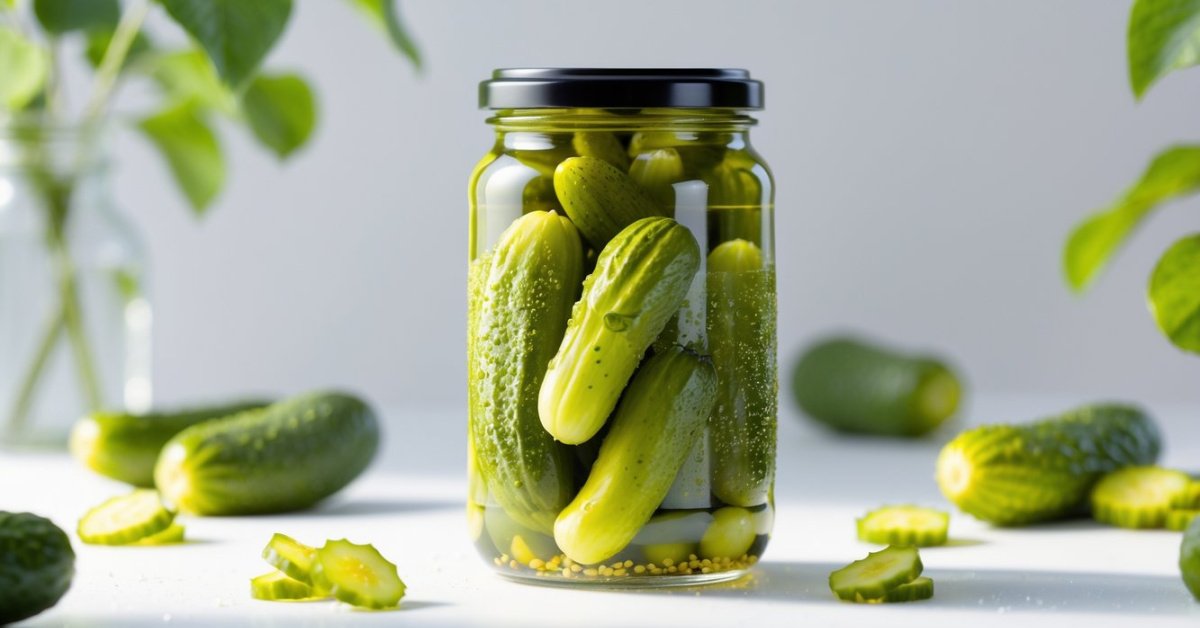
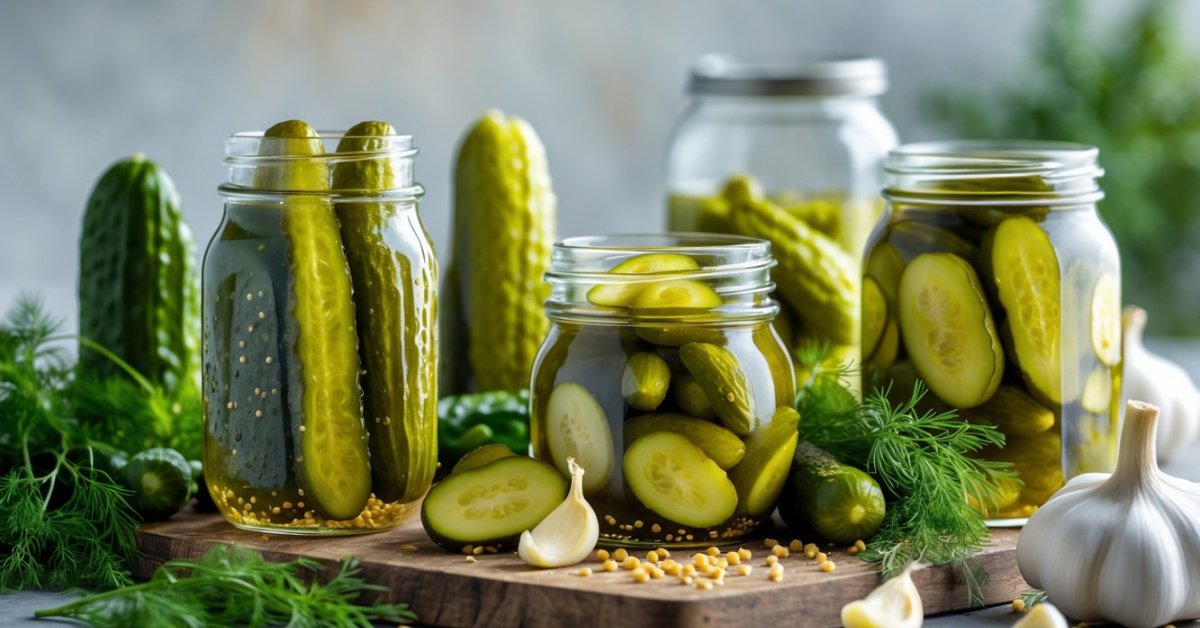
I use glass jars with tight-fitting lids when packaging pickled mushrooms with herbs and garlic. Mason jars, Weck jars, and recycled condiment jars offer clarity that lets the brine highlight each mushroom, herb, and clove. Wide-mouth jars make it easier for me to pack whole cremini, button mushrooms, sprigs of dill, and sliced garlic, maximizing visual appeal and ease of serving.
Labeling for Freshness
I label every jar with the pickling date and herb blend. For instance, I write “Cremini Pickled with Garlic, Dill & Thyme – June 2024” using a waterproof marker or adhesive label. Detailed labels help me track aging for optimal flavor and encourage friends to appreciate the seasonal origin if I gift jars.
Layering for Visual Impact
I layer mushrooms, sprigs of herbs, and garlic slices in alternating patterns for an artisanal look. I place larger mushroom caps at the bottom, alternate with vivid green herbs, and float garlic rounds near the glass for maximum color contrast. Crisp peppercorns and mustard seeds add visual texture.
Gift-Ready Finishing Touches
I finish gift jars with twine, recycled fabric squares, or handwritten tags. I secure cloth under lids before tightening or use recycled paper and plant-based inks for an eco-friendly touch. My friends appreciate these homey touches and clear ingredient lists, since it showcases the care I take in pickling and presentation.
Storing for Longevity and Display
I keep jars in a cool, dark cabinet or root cellar so flavors and textures stay vibrant for 3–6 months. Packed jars with colorful contents double as cheerful pantry displays or centerpieces, especially in the winter when garden memories brighten the shelf.
How to Enjoy Pickled Mushrooms with Herbs and Garlic
Pickled mushrooms with herbs and garlic bring a burst of garden flavor to any meal. I find their versatility and vibrant flavors make them easy to incorporate into everyday dishes or special spreads.
Serving Suggestions
Slices of pickled mushrooms with herbs and garlic create vibrant antipasto platters with olives, marinated artichokes, salami, and sharp cheeses. Chopped mushrooms add tang and texture atop leafy greens, roasted vegetable bowls, or potato salads. For sandwiches, I layer them with cured meats, cheeses, and spreads on crusty baguette slices. As a snack, I serve them straight from the jar with a drizzle of olive oil alongside homemade crackers.
Pairing Ideas
Bold pickled mushrooms match well with crisp white wines like Sauvignon Blanc and dry Riesling, balancing acidity and earthiness. I often serve them with farmhouse ales or sour beers for a contrasting bite. On cheese boards, mushrooms complement soft cheeses such as chèvre or creamy Brie and robust choices like aged Gouda. For warm dishes, I add pickled mushrooms to risottos or grain bowls, pairing their bright, herbal notes with roasted poultry or grilled vegetables for a harmonious, garden-inspired meal.
Health Benefits and Nutritional Value
Pickled mushrooms with herbs and garlic combine mushrooms’ natural nutrients with the functional benefits of pickling and aromatics. I enjoy knowing exactly what goes into each jar, which lets me maximize both taste and wellness in my pantry staples.
- Vitamins and Minerals:
Mushrooms bring in B vitamins (including riboflavin, niacin, and pantothenic acid), vitamin D (when sun-exposed), potassium, and selenium. Cremini and button mushrooms, for example, retain their nutritional profile even after pickling.
- Antioxidant Properties:
Herbs like dill, thyme, and basil contain polyphenols and flavonoids, which protect the body from oxidation. Garlic offers organosulfur compounds that may support immune function, according to studies from the Linus Pauling Institute.
- Gut Health and Probiotics:
Pickled mushrooms sometimes contain lactic acid bacteria, especially when using a natural fermentation approach instead of a vinegar brine. Fermented varieties may introduce beneficial bacteria, which support digestive balance.
- Low Calorie, High Fiber:
Mushrooms provide around 15 kcal per 100 grams while offering dietary fiber that supports digestion and satiety. This makes pickled mushrooms a satisfying, low-calorie snack.
- Reduced Sodium Options:
Controlling brine composition lets me limit salt content compared to many commercial pickles, supporting heart health while preserving robust flavors.
| Nutrient (per 100g pickled mushrooms) | Quantity | Example Variety |
|---|---|---|
| Calories | 15–20 kcal | Cremini |
| Protein | 2–3 g | Button |
| Fiber | 1–2 g | White |
| Potassium | 250–300 mg | Shiitake |
| Vitamin B2 (Riboflavin) | 0.3–0.4 mg | Oyster |
| Sodium* | 300–500 mg | Any, varies |
*Indicates value based on brine recipe and time in solution.
This combination of vitamins, minerals, antioxidants, fiber, and customizable sodium levels makes pickled mushrooms with herbs and garlic both nutritious and versatile. When I harvest mushrooms and herbs from my own garden, I find these benefits especially rewarding and love watching others discover them through homemade jars.
Overall Value and Recommendation
Pickled mushrooms with herbs and garlic deliver exceptional culinary and nutritional value for anyone invested in pickling. I rely on this recipe when I want a pickle that offers complexity, versatility, and practicality for pantry stocking. Each jar preserves the essence of home-grown herbs and freshly foraged or garden-harvested mushrooms, making every batch a celebration of self-sufficiency.
Homemade pickled mushrooms stand out in diverse applications—antipasto platters with salami and olives, grain salads featuring barley and feta, or charcuterie boards paired with artisan breads. Their tang and snap offer contrast against creamy cheeses or roasted meats, while the infused brine doubles as a zesty dressing base.
Compared to commercial versions, my homemade pickled mushrooms bring customizable salt levels and fresher aromatics. I avoid preservatives and use organic ingredients to capture seasonal flavors without unnecessary additives. Jars stored correctly offer reliable shelf stability for 6–12 months according to the USDA Complete Guide to Home Canning.
For fellow gardeners and food preservers, pickled mushrooms maximize garden yield during peak season. I batch-process mushrooms right after harvest, preventing spoilage and minimizing waste. When crafting edible gifts, I find pickled mushrooms receive positive feedback for their uniqueness and layered flavor.
Given their rich taste, pleasant texture, nutritional profile, and improvisational possibilities, I strongly recommend pickled mushrooms with herbs and garlic for anyone interested in expanding their pickling repertoire and practicing food sustainability.
Conclusion
Every time I open a jar of these pickled mushrooms with herbs and garlic I’m reminded of the care and creativity that goes into home preserving. There’s something special about sharing a homemade treat that’s both delicious and nourishing.
If you’re looking for a way to savor your harvest or just want to try something new in the kitchen this recipe always delivers. With endless ways to enjoy and share them pickled mushrooms have truly earned their spot on my pantry shelf.