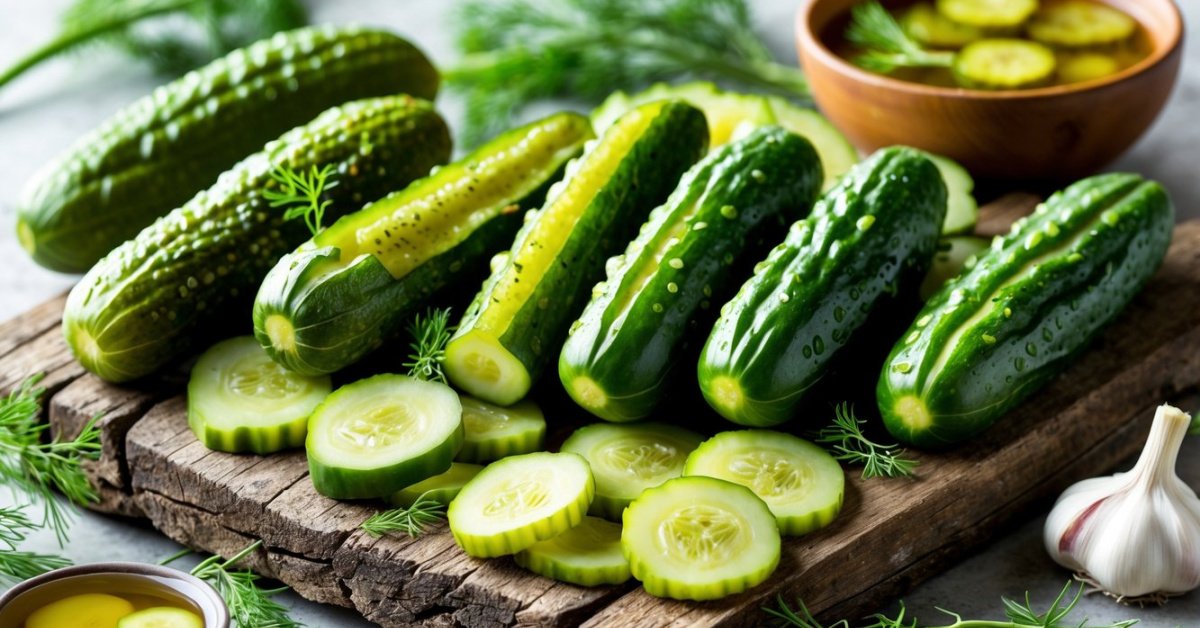
I never thought I’d say this but pickle juice in a smoothie totally changed my morning routine. At first the idea sounded a bit wild but curiosity got the best of me. Turns out that tangy kick actually makes smoothies surprisingly refreshing.
I’ve always looked for ways to boost my gut health and after learning about the benefits of fermented foods I figured why not give pickle juice a shot? It’s packed with probiotics and adds a unique twist to the usual fruit and greens. If you’re ready to shake up your smoothie game and give your gut some love you might want to try this too.
What Is a Pickle Juice Smoothie?
A pickle juice smoothie blends traditional smoothie ingredients with a pour of fermented pickle brine. I use fermented cucumber pickle juice for the best live cultures. Smoothie bases usually include leafy greens like spinach or kale, fruits such as pineapple or mango, and a spoonful of yogurt for extra probiotics. I add 2–4 ounces of cold, strained pickle juice to the blend to enhance acidity and bring a salty, herbal note that’s signature to brine.
The main characteristics I enjoy in a pickle juice smoothie:
- Probiotic Content—Pickle brine from lacto-fermented pickles contains live lactic acid bacteria, which support gut flora. My morning brine often contains Lactobacillus plantarum and Leuconostoc mesenteroides.
- Flavor Complexity—I taste layered tanginess, saltiness, and subtle herbal tones from dill, mustard seed, or garlic, depending on my own pickling recipe.
- Low Waste—I use brine left over from jars after finishing the pickles, which fits with my self-sustainable approach to gardening and food preservation.
When blending, I adjust the amount of pickle juice to avoid overpowering the smoothie. For people new to pickling, I recommend trying 2 ounces first. I always use brine from naturally fermented pickles rather than vinegar-based, since only the former carries probiotics necessary for gut health support.
Key Ingredients and Their Health Benefits
Pickle juice smoothies combine ingredients I’ve grown, pickled, or sourced for their direct gut health impact. Every component I add supports digestion and encourages beneficial bacteria diversity.
The Role of Pickle Juice in Gut Health
Pickle juice from wild fermented cucumbers introduces a high volume of live probiotic cultures. These microbes, found in naturally fermented brines, support the gut microbiome—promoting smoother digestion and improving nutrient absorption, according to research from the American Society for Microbiology. Salts and organic acids in the brine help control harmful bacteria in the digestive tract. I find that one to two tablespoons of fresh, cloudy pickle juice is enough to bring both flavor and a measurable probiotic boost, provided the brine isn’t pasteurized or heavily processed.
Other Gut-Friendly Additions
I combine pickle juice with several proven, gut-supporting smoothie ingredients:
- Leafy greens: Kale, spinach, or chard from my garden add prebiotic fiber that feeds beneficial bacteria.
- Yogurt or kefir: Homemade or organic options supply extra live cultures, pairing well with pickle juice to increase probiotic variety.
- Fruit: Bananas or ripe apples provide fiber, resistant starches, and a subtle sweetness that balances the tang of the brine.
- Seeds: Chia or flaxseeds add omega-3s and mucilage fiber, supporting bowel regularity.
| Ingredient | Health Benefit | Example Used |
|---|---|---|
| Pickle juice | Live probiotics, electrolyte support | Fermented cucumber |
| Leafy greens | Prebiotic fiber, antioxidants | Kale, spinach |
| Yogurt or kefir | Diverse probiotics, protein | Homemade yogurt |
| Fruit | Fiber, resistant starch, phytonutrients | Bananas, apples |
| Seeds | Mucilage fiber, omega-3 fatty acids | Flax, chia |
Each of these choices draws from my experience with pickling and gardening, where I see the impact that fresh, whole ingredients have on digestive well-being. When I build a pickle juice smoothie, I focus on combining these components for the widest gut health benefit and the richest, most balanced flavor.
How to Make a Pickle Juice Smoothie for Gut Health
Making a pickle juice smoothie for gut health connects my passions for pickling, gardening, and sustainable eating. Every batch showcases the unique flavors of home-fermented pickles and delivers essential probiotics for a healthy digestive tract.
Step-by-Step Recipe
- Gather Ingredients
I use 2 ounces of naturally fermented cucumber pickle juice, 1 cup leafy greens like kale or spinach, ½ cup Greek yogurt or plain kefir, ½ cup frozen pineapple or mango, 1 small apple, and 1 tablespoon chia or flaxseeds.
2. Combine in Blender
I layer greens and pickle juice first, adding the rest above for smoother blending.
3. Blend Until Smooth
I blend everything on high for 30 to 45 seconds or until silky with no visible leaf bits.
4. Taste and Adjust
I taste, then add extra fruit if the brine’s tang is too strong or a splash more pickle juice for enhanced saltiness and complexity.
5. Serve Immediately
I pour into a chilled glass to retain the live cultures and enjoy on an empty stomach for maximum probiotic impact.
Tips for Best Flavor and Effectiveness
- I always select brine from wild-fermented cucumber pickles—raw, unpasteurized, and made without vinegar—for live probiotic content.
- I blend with yogurt or kefir that lists live active cultures, found in the refrigerated section.
- I avoid overly sweet fruits, letting mildly sweet produce—like apples or pears—highlight the pickle complexity.
- I use my own garden greens picked fresh for peak prebiotic fiber and vitamin density.
- I avoid brine from shelf-stable, heat-processed pickles because pasteurization destroys gut-boosting bacteria.
- I start with a low dose (2 ounces) for new drinkers since extra brine can quickly overpower both flavor and digestion.
- I enjoy within 10 minutes of blending to maximize the potency of living cultures and prevent fiber from thickening the texture.
This smoothie method blends pickling expertise and home gardening for a functional, flavorful way to promote gut health and self-sufficiency.
Taste and Texture: What to Expect
Expect a lively, tangy punch when you try a pickle juice smoothie. Intense sour notes from fermented brine create a bold base, especially when using homemade cucumber pickle juice. Balanced sweet elements from fruits like apples or pears mellow out the acidity while leafy greens and fresh herbs contribute earthy undertones.
Experience a creamy, thick blend thanks to yogurt or kefir—common add-ins in my smoothies for live cultures and smooth texture. Seeds such as chia or flax impart subtle crunch and extra body, helping each sip stay hearty. When using raw, unpasteurized brine, I notice a gentle effervescence, which hints at active fermentation and imparts a light mouthfeel.
Notice the complexity from real fermented pickle brine, especially compared to commercial, shelf-stable options. Fresh, unfiltered brine integrates cleanly with other smoothie components, unlike processed versions that often overwhelm or introduce off-flavors. Each batch I make brings a new flavor nuance, depending on the seasonality of garden ingredients and the intensity of the brine’s ferment.
For those used to classic fruit smoothies, this blend surprises first with its tang, then wins over with balance. Thin the drink with a splash of water or extra fruit juice for lighter texture, or opt for extra yogurt if you prefer a richer consistency. People who appreciate the unique flavors of real pickles often find this smoothie memorable and satisfying, especially when made with brine pulled straight from a home fermenter.
Potential Side Effects and Considerations
Hydration effects
I notice pickle juice draws sodium from brine, which increases electrolyte content. Hypertension risk rises if sodium intake remains high, so those with blood pressure concerns skip or use tiny amounts.
Digestive responses
I find the concentrated acidity in fermented pickle brine promotes gut movements. Sensitive stomachs sometimes experience discomfort or mild bloating after drinking acidic smoothies, particularly with large servings. I suggest introducing pickle juice in small increments and adjusting based on your body’s feedback.
Allergy risks
Fermented pickles occasionally involve spices or unusual botanicals. I always read ingredient lists, as hidden allergens like mustard or dill sometimes appear in traditional brines. Anyone with food allergies double-checks all ingredients before blending.
Microbial safety
Raw, unpasteurized pickle brine holds live bacterial cultures. While these boost probiotic Load, I monitor for changes in smell or appearance, because spoiled brine exposes drinkers to foodborne illness. I discard any brine that seems cloudy, slimy, or off-smelling.
Kidney health
I keep in mind pickle juice’s saltiness stresses kidneys if consumed excessively or if kidney problems exist. People with compromised kidney function consult medical guidance before adding salty smoothies like this to their diet.
Medication interactions
Pickle juice’s sodium and acids sometimes interfere with specific medications, such as diuretics. I recommend those using prescription medications discuss new dietary routines with a healthcare professional, especially when regular consumption is planned.
Frequency and portion
I treat pickle juice as a supplement, not a staple. In my garden-to-glass routine, I use about 1–2 ounces per smoothie and rarely exceed this. High-frequency or large-portion blended pickle juice smoothies shift benefits, so moderation works best for most.
Is a Pickle Juice Smoothie Right for You?
Personal preferences shape the appeal of a pickle juice smoothie. Pickle enthusiasts, fermentation hobbyists, or anyone curious about tangy flavors—like briny, sour cucumbers—find this blend a natural extension of their interests. I always look for ways to use up leftover brine and love finding recipes that reduce kitchen waste while supporting gut health. Those who appreciate wild fermented foods or love the nuanced tartness of homemade pickles tend to respond most positively.
Digestive sensitivity creates another consideration. Pickle brine naturally contains salt and acids—lactic, acetic, and sometimes citric—that support live culture preservation. For people with high blood pressure, acid reflux, or sodium-restricted diets, I usually suggest minimizing the volume of brine or consulting a dietitian before adding this to a daily routine. I rarely experience issues by using small (1-2 tablespoons) amounts with plenty of fiber-rich fruits and greens for balance.
Allergy risk, medication interactions, or chronic kidney conditions make this smoothie less suitable in some cases. Pickle juice contains naturally occurring histamines and, when made with garlic or spices, could interact with health conditions (CDC, 2021). Anyone taking potassium-sparing diuretics or blood pressure medication should check with their healthcare provider.
Taste tolerance proves central for enjoyment. Those who expect only mild, sweet smoothies might dislike the tangy, herbal kick of a real pickle brine blend. Fans of kimchi, sauerkraut, or other strong ferments, like myself, tend to crave this flavor complexity and the variety it brings to the table.
Personal experience reminds me that making a pickle juice smoothie works best for adventurous eaters, gardeners with fresh leafy greens, and those committed to sustainable food use. If you love experimenting with fermentation or already keep homemade pickles on hand, this tangy, probiotic-rich blend can become a new favorite in a gut-friendly kitchen routine.
Conclusion
Trying out a pickle juice smoothie has definitely opened my eyes to new ways of supporting gut health while enjoying bold flavors. It’s become a fun experiment in my kitchen and a great conversation starter with fellow food lovers.
I love how this simple addition brings together my passions for pickling, gardening, and sustainable eating. If you’re curious and enjoy a little adventure in your daily routine, this tangy twist might just surprise you as much as it did me.