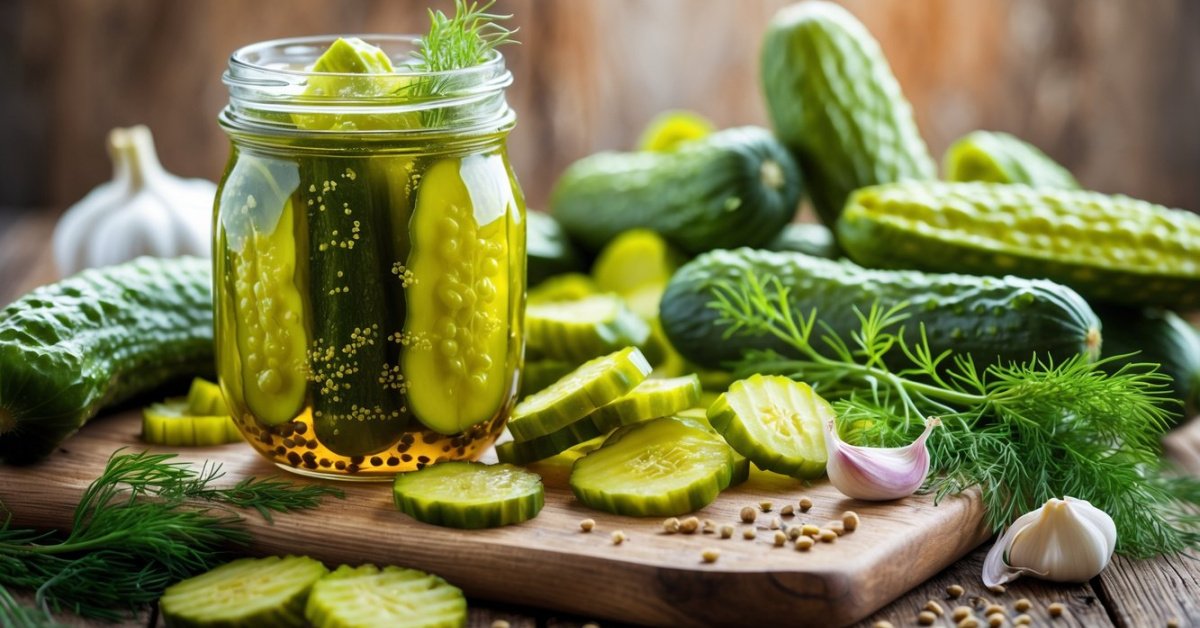
Whenever I think about Mediterranean flavors I’m instantly drawn to the tangy bite and bold aroma of pickled eggplant. There’s something magical about how a few simple ingredients can transform humble eggplant into a vibrant and addictive side dish. It’s a staple at family gatherings and always disappears fast from any appetizer spread.
I love how pickled eggplant brings a burst of sunshine to my table. It’s the perfect mix of tart vinegar smooth olive oil and just the right touch of spice. Whether I’m piling it onto crusty bread or serving it alongside grilled meats this Mediterranean classic never fails to impress. If you’re ready to add a new twist to your next meal let’s dive into the world of pickled eggplant.
What Makes Pickled Eggplant: Mediterranean-Style Recipe Unique
Mediterranean pickled eggplant uses sun-ripened eggplant, which brings a tender texture and mild flavor distinct from firmer grocery store varieties. I slice and salt eggplants beforehand, drawing out their moisture—a step that delivers a savory base without bitterness.
Classic Mediterranean brines rely on vinegar, olive oil, and garlic. I combine red wine vinegar and extra-virgin olive oil for depth, then layer garlic, oregano, and pickling spices like peppercorns and bay leaves. These aromatics infuse every slice with authentic regional flavor.
Traditional pickling methods for Mediterranean eggplant emphasize long-term preservation. I pack jars tightly, submerge the eggplant fully, and store them in a cool pantry, which preserves texture and color for months. This process lets me enjoy homegrown produce throughout the year.
Serving versatility sets this recipe apart. I use pickled eggplant for antipasto platters, mezze spreads, or to top grains and salads. These pickled vegetables give a tangy, herbaceous note that highlights Mediterranean meals, especially alongside olives, feta, and roasted peppers.
Key Ingredients And Flavor Profile
Mediterranean-style pickled eggplant carries a layered flavor profile—earthy, tangy, and herbaceous. My pickling process draws on classic garden ingredients and traditional pantry staples that accentuate those signature notes.
Essential Vegetables And Spices
Eggplant forms the core of these pickles. I always choose firm, blemish-free eggplants with smooth, glossy skin from my garden. Garlic cloves go into every jar, infusing each slice with bold depth. Red wine vinegar shapes the primary tang, while coarse sea salt draws moisture and helps preserve the texture.
Black peppercorns, bay leaves, and crushed red pepper flakes offer heat and complexity. Oregano and thyme, often fresh from my herb bed, add peppery and floral undertones. Celery seeds lend a subtle bite.
| Ingredient | Role | Example Used |
|---|---|---|
| Eggplant | Main vegetable, absorbs pickling brine | Italian Long Purple |
| Garlic | Adds pungency and aroma | Homegrown cloves |
| Red wine vinegar | Provides acidity and preserves color | Aged Mediterranean |
| Sea salt | Draws out moisture, aids preservation | Coarse, natural |
| Oregano, thyme | Infuses herbaceous notes | Fresh sprigs |
| Peppercorn, bay | Brings warmth and bitterness | Whole berries, leaves |
| Celery seed, chili | Enhances complexity, heat | Crushed, dried flakes |
Traditional Mediterranean Touches
Extra virgin olive oil tops each jar, sealing out air and adding richness. This familiar Mediterranean fat creates a glossy finish and smooth mouthfeel. Some families layer thin lemon slices at the bottom for a hint of brightness.
I use foraged wild oregano and local red pepper for an authentic, region-specific taste. Vinegar choice matters: aromatic red wine vinegar ensures a vibrant, balanced acidity unique to Mediterranean pickles rather than a sharp, one-note tang.
Classic preservation methods, like pressing eggplant under weight before brining, keep slices firm and hold their shape—one hallmark of quality Mediterranean pickles.
Step-By-Step Preparation Guide
Making Mediterranean-style pickled eggplant begins with careful selection and precise methods, transforming garden-fresh eggplants into a tangy, aromatic staple for any pickle enthusiast. I rely on experience with each step to guarantee flavor, texture, and long-lasting results.
Prepping The Eggplant
First, I wash and peel firm, unblemished eggplants, like Black Beauty or Italian varieties, from my garden. I slice them into consistent batons or rounds, each about ¼-inch thick, for even salting and pickling. I sprinkle coarse sea salt liberally over the pieces, then layer them in a colander. I add a weight, such as a plate with a jar of water, and let the eggplant drain for 1-2 hours. This draws out bitterness and excess water, making the texture silky and ready for pickling.
Pickling Process And Techniques
Once drained, I rinse the eggplant slices well to remove salt, then pat them dry. I prepare a brine by combining red wine vinegar, filtered water, and any preferred spices—mine usually include garlic, black peppercorns, and oregano. I bring the brine to a simmer, then blanch the eggplant for 2-3 minutes, just until tender but not mushy. I transfer the blanched eggplant to sterilized jars, layering with sliced garlic, fresh herbs, and sometimes crushed red pepper flakes for a mild kick. I pour hot brine over the contents, leaving ½-inch headspace, then finish with a layer of extra virgin olive oil to seal. I process jars in a boiling water bath for 10 minutes or refrigerate for short-term use.
Storing And Serving Suggestions
Pickled eggplant keeps for up to 6 months, if stored in a cool, dark place and fully submerged in brine with oil. I refrigerate opened jars to preserve freshness. For serving, I lay the eggplant on antipasto platters, pair with feta, or tuck slices into sandwiches and salads. My favorite use is as an accent for grilled lamb or peppery greens, where its herbal, tangy flavor shines.
Tasting Notes And Texture
Tasting Mediterranean-style pickled eggplant, I notice a bright tang balanced by subtle earthiness. Vinegar-forward notes hit first, then layers of garlic, oregano, and thyme follow. Hints of black pepper and red pepper flakes add warmth and depth.
Slicing the eggplant reveals a firm yet tender bite. Salting and blanching keep the slices resilient instead of mushy. Each piece holds its shape, absorbing brine and oil for a smooth, almost silky feel.
Chewing brings a gentle chewiness. Firmness stays intact even after months in olive oil. A slight slickness from the oil enhances each bite, while strained bits of herb cling to every slice.
Pairing with feta or charcuterie, I find the eggplant’s tartness brightens richer flavors. On crusty bread or as a side, its yielding texture stands out among firmer pickled vegetables like carrots or cauliflower.
Opening a jar weeks after packing, I get a satisfying aroma—herbaceous, slightly tart, always inviting. Every bite showcases the careful balance of salt, acid, and Mediterranean herbs I prize in home pickling.
Health Benefits Of Pickled Eggplant
Pickled eggplant offers unique health benefits, thanks to both the eggplant itself and the Mediterranean pickling process I use in my own kitchen.
- Rich In Antioxidants
Eggplants contain anthocyanins and nasunin, as found in their purple skin, which help protect cells from oxidative stress according to USDA research.
- Gut-Friendly Fermentation
Lactic acid bacteria present after pickling support digestive health, based on findings from the International Journal of Food Microbiology.
- Low Calorie, High Fiber
Pickled eggplant provides fiber for satiety with about 25–35 calories per 100 g, according to USDA FoodData Central.
- Heart-Healthy Olive Oil
Mediterranean recipes often use extra virgin olive oil, which contains monounsaturated fats and polyphenols, benefiting cardiovascular health (Harvard T.H. Chan School of Public Health).
- Sodium Consideration
Pickling adds sodium, averaging 300–500 mg sodium per 100 g (USDA), so people following low-sodium diets might need to consume modest servings.
| Nutrient/Fit | Benefit | Source/Example |
|---|---|---|
| Antioxidants | Cell protection | Eggplant skin |
| Probiotics | Gut and digestive support | Lactic acid bacteria |
| Fiber | Supports fullness, digestion | 100 g serving |
| Olive oil | Cardiovascular support | Mediterranean recipes |
| Sodium | Adds flavor, requires moderation | Pickling process |
Including pickled eggplant in my diet lets me enjoy robust Mediterranean flavors while getting natural fiber, antioxidants, and healthy fats directly from my garden and pantry.
Pairing And Serving Ideas
Pickled eggplant brings bright, tangy flavor and tender texture to a variety of Mediterranean-inspired dishes. I most often reach for this pickle to complement:
- Antipasto Platters: I add slices of pickled eggplant to antipasto spreads with marinated artichokes, olives, roasted peppers, and firm cheese like feta or Manchego. These contrasting textures create a vibrant starter board.
- Mezze Spreads: I layer pickled eggplant with hummus, baba ganoush, and tabbouleh, drizzling with extra virgin olive oil. This adds acidity and richness, making every bite memorable.
- Sandwich Fillings: I tuck strips of pickled eggplant into ciabatta with grilled chicken, fresh leafy greens, and garlic aioli. This creates a savory and satisfying lunch.
- Salad Accents: I dice pickled eggplant to brighten grain salads with bulgur, couscous, or farro, using lemon vinaigrette and fresh herbs. This brings savory depth with minimal effort.
- Charcuterie Boards: I add pickled eggplant to balance the richness of cured meats such as soppressata or prosciutto. The acidity cleanses the palate between bites.
- Grilled Dishes: I spoon pickled eggplant over grilled lamb skewers or pork chops, letting its tangy notes lift smoky flavors.
- Toast & Crostini: I spread goat cheese on toasted sourdough, then top with pickled eggplant slices. Chopped chives or thyme add a fresh finish.
Pairing pickled eggplant with yogurt-based sauces, like tzatziki, or folding it into warm grain bowls with roasted veggies, showcases its adaptability. I also serve it straight from the jar at my family table, where it serves as a conversation starter for anyone curious about homemade pickles and Mediterranean cuisine.
Conclusion
Pickled eggplant has a special place in my kitchen and always brings a burst of Mediterranean sunshine to the table. I love how just a few simple ingredients can create something so vibrant and satisfying.
Every time I open a jar I’m reminded of the care that goes into each step and the joy of sharing these flavors with friends and family. If you haven’t tried making it yet I hope you’ll give it a go and discover just how much it can brighten your meals.