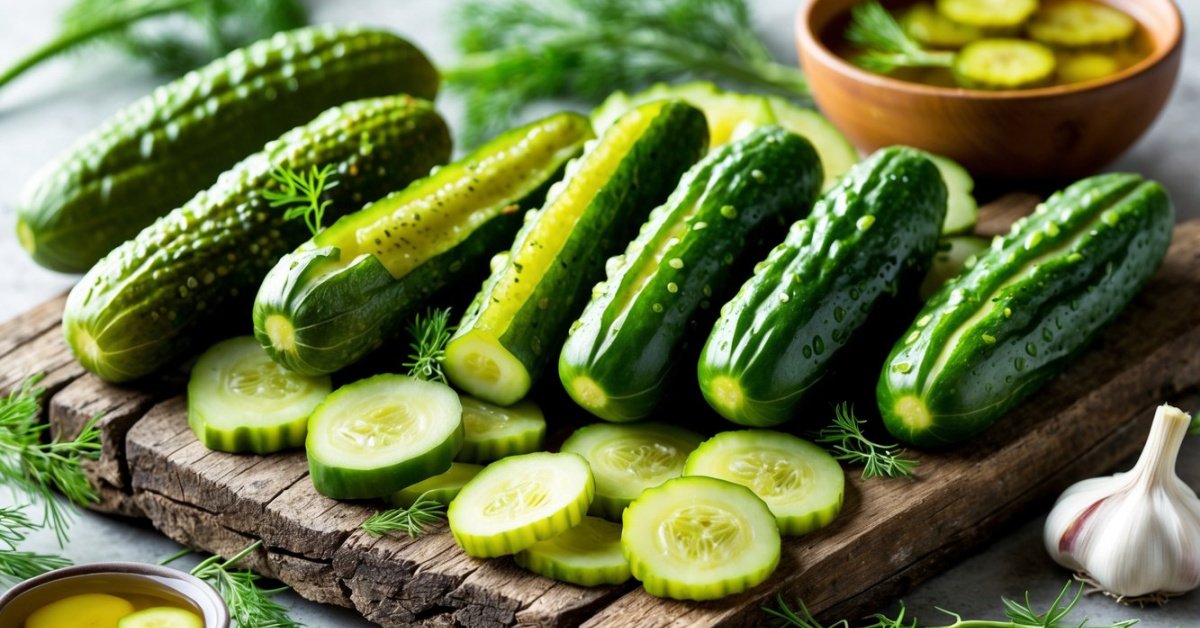
When I want to impress guests without spending hours in the kitchen I always reach for a simple yet flavorful appetizer. Pickle and goat cheese crostini hit that perfect balance—crunchy, creamy, tangy, and totally unexpected. It’s one of those recipes that comes together in minutes but tastes like you put in way more effort.
I love how the sharpness of pickles pairs with the smooth richness of goat cheese. Every bite feels like a little celebration of bold flavors and textures. Whether it’s a casual get-together or a special occasion these crostini never fail to spark conversation and smiles around the table.
Overview of Pickle and Goat Cheese Crostini Recipe
Combining homemade pickles with tangy goat cheese on crostini showcases textural contrast and robust flavors. I choose garden-fresh cucumbers or other vegetables I’ve pickled, slicing them to preserve crispness. My crostini base comes from thin baguette slices, toasted for crunch and subtle nutty notes. I spread creamy goat cheese directly on each piece, letting its rich, slightly tart profile highlight my pickles’ brightness.
Presentation always matters, so I use colorful varieties—dill cucumber coins, spiced carrots, or bread-and-butter chips. Each pickled topping offers unique acidity, salt content, and herbal nuances. I use pickles at peak freshness for optimal snappiness, typically within two months of jar sealing.
These crostini work for gatherings or light snacks. From my experience, pairing fresh herbs—like dill, chive, or parsley—brings extra complexity. Every element ties back to core values of self-sustainability and making the most of an abundant garden and home canning methods.
Ingredients and Preparation
Pickle and goat cheese crostini pairs tangy preserved vegetables from my garden with creamy cheese on crisp bread. Every component highlights the fresh and preserved flavors I value in my pickling and sustainable kitchen practices.
Key Ingredients Breakdown
- Pickled Vegetables
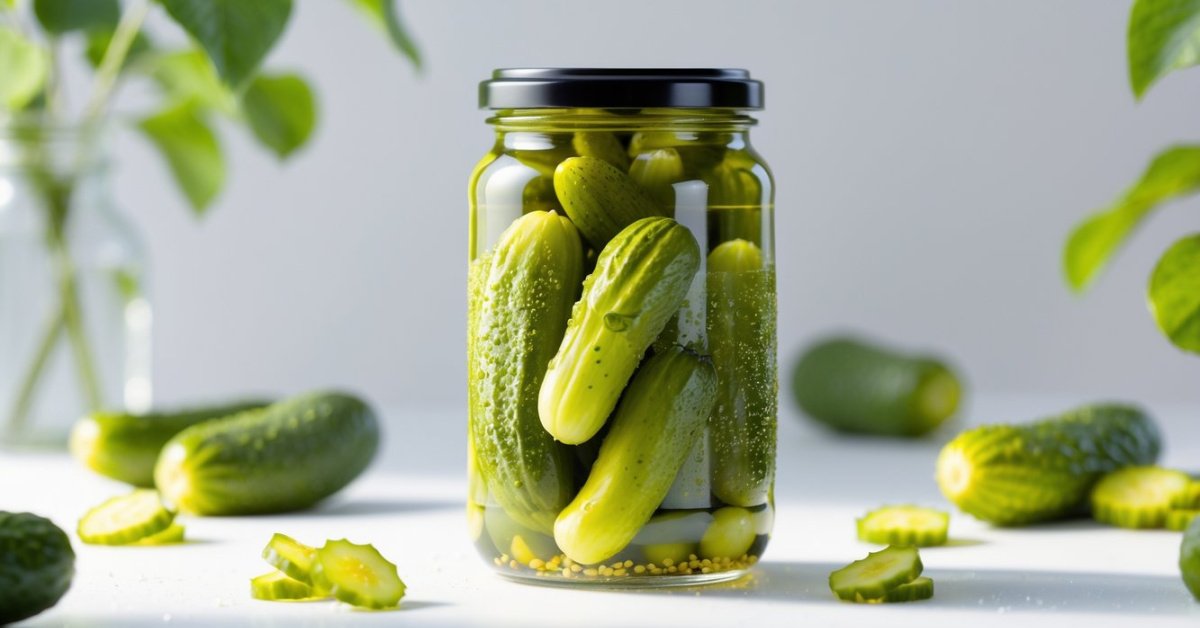
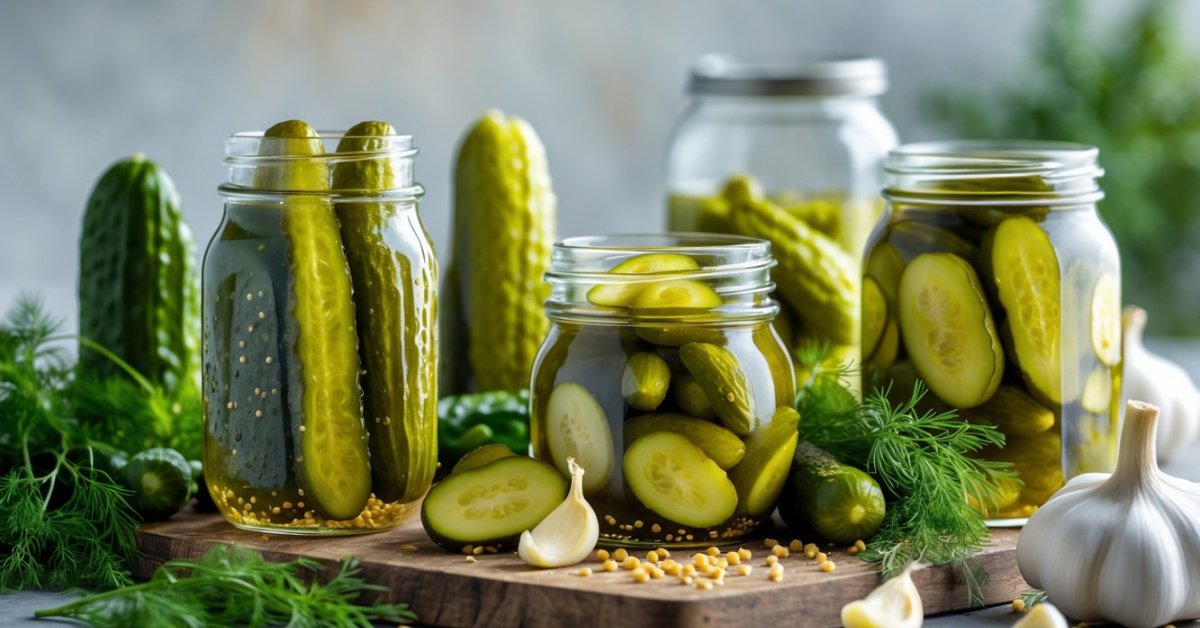
I use a mix of home-canned options like dill cucumber slices, sweet bread-and-butter chips, and tangy pickled carrots, each adding unique acidity.
- Goat Cheese
I spread fresh chèvre for its smooth texture and balanced tang, which lifts the bright notes in my pickles.
- Baguette
I slice a rustic baguette thin, toast until golden, and use it as a sturdy base.
- Fresh Herbs
I garnish with dill, parsley, or chive from my garden, giving herbal complexity and a vibrant finish.
- Olive Oil and Salt
I finish by brushing toasted bread with olive oil and sprinkling just enough salt to create a cohesive bite.
Step-by-Step Preparation Guide
- Pickle Selection and Slicing
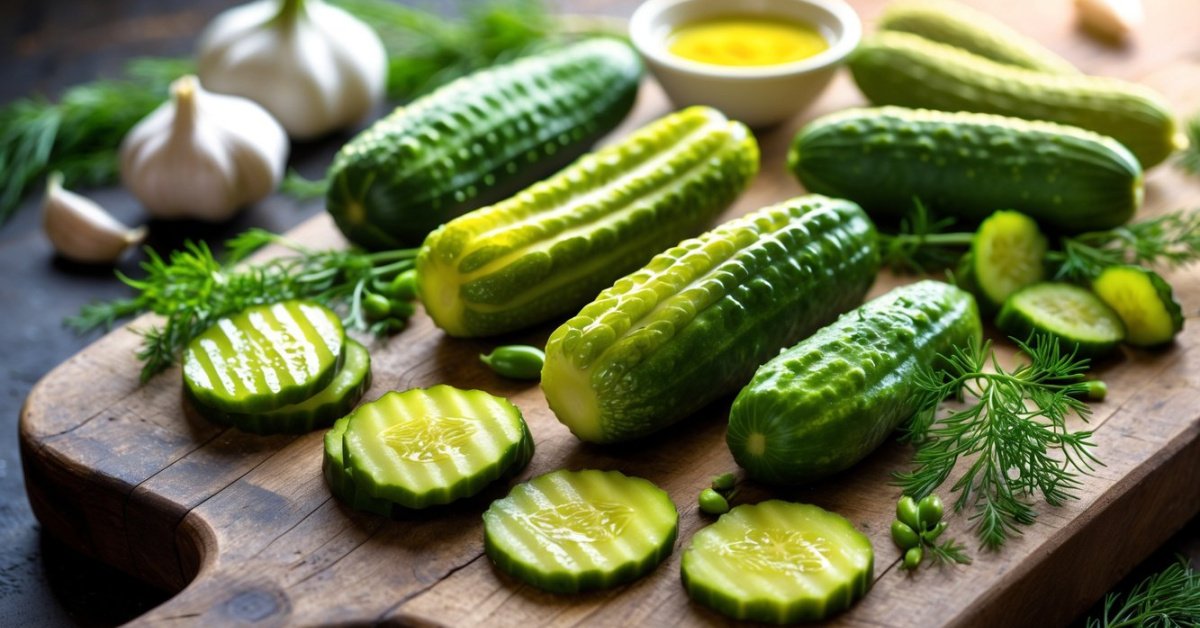
I choose pickles based on color, texture, and flavor; I slice them thin to maintain structure and create an appealing layer.
2. Toasting the Crostini
I lay baguette slices on a baking sheet, brush each with my preferred olive oil, then toast at 375°F for 6–8 minutes until crisp.
3. Preparing the Goat Cheese
I let goat cheese soften at room temperature, making it easy to spread without tearing the bread.
4. Assembly
I spread goat cheese over each toasted crostini, layer pickled vegetables on top, and arrange for color and shape variation.
5. Garnishing and Serving
I add a sprinkle of fresh herbs and, if desired, a crack of pepper; I serve immediately so bread stays crisp.
My aim with every batch is to showcase the bright, lively flavor of preserved garden produce, complemented by creamy, tangy cheese—keeping both my passion for pickling and self-sustainable food alive in every bite.
Taste and Texture Analysis
Pickle and goat cheese crostini deliver a complex blend of flavors and textures that showcase the strengths of homemade pickling and simple garden ingredients. In each bite, I experience the interplay of crisp vegetables, creamy cheese, and crusty bread that makes hand-crafted crostini special.
Flavor Profile
Homemade pickles in these crostini introduce sharp vinegar notes, subtle sweetness, and herbs like dill or mustard seed. Creamy goat cheese creates a tangy, earthy base that balances the pickles’ acidity. Toasted baguette provides a nutty depth, supporting the toppings without overpowering them. Garnishes like fresh dill, chive, or parsley boost herbal brightness and complexity. When I use spiced carrot coins or bread-and-butter chips, sweeter flavors come forward, adding dimension to each bite.
Texture and Presentation
Baguette slices stay crisp after toasting, delivering a satisfying contrast to the smooth chèvre. Pickled vegetables sliced thin—like cucumber, carrot, or cauliflower—retain their crunch, which I always prize in home pickling. The finished crostini present vibrant color from pickled beets, carrots, or cucumbers layered over snowy goat cheese. Fresh herbs scattered on top signal garden freshness and highlight my passion for sustainable, hands-on food. Each assembled piece holds its shape on a platter, making the crostini both beautiful and practical for gatherings.
Serving Suggestions and Pairings
I serve pickle and goat cheese crostini at garden parties, pickle workshops, and brunch spreads. These crostini shine on wooden boards beside jars of extra pickled vegetables—spiced green beans, pickled okra, or sweet-hot peppers always highlight a range of flavors. I use herb sprigs and edible flowers from my garden to add a fresh, seasonal look.
For drink pairings, I pour crisp dry white wines like Sauvignon Blanc or Albariño, which balance the acidity and tang of pickles. Light beers, especially pilsners or farmhouse ales, match well with crostini by refreshing the palate. Sparkling water with lemon and a dash of pickle brine gives a non-alcoholic option that echoes the pickle theme with each sip.
I set out the crostini as part of larger appetizer spreads that often include roasted garden vegetables, cured meats like prosciutto, and soft cheeses such as brie. Any pickled garnish from my pantry—radishes, cauliflower, or carrots—boosts variety and encourages guests to try different combinations. When timing a gathering, I serve crostini soon after assembling, if not crackers can soften under the goat cheese and lose their crunch.
Pairings Table:
| Component | Example/Type | Why It Works |
|---|---|---|
| Additional Pickled Veg | Spiced carrots, okra, radishes | Adds texture and flavor variety |
| Wine | Sauvignon Blanc, Albariño | Balances acidity, heightens tang |
| Beer | Pilsner, farmhouse saison | Refreshes palate, mild pairing notes |
| Non-Alcoholic Beverage | Pickle brine spritzer | Integrates pickle theme, cleanses palate |
| Fresh Herbs/Flowers | Dill, chive blossoms, nasturtium | Adds garden aroma, visual appeal |
| Cheeses & Charcuterie | Brie, prosciutto | Offers contrast, complements tangy cheese |
Every element on my table showcases the value of pickling, thoughtful pairings, and seasonal homegrown ingredients. I make every bite and sip an opportunity to celebrate the bright flavors that come from self-sufficient gardening and time-honored preservation.
Pros and Cons of the Recipe
Pros
- Quick assembly: I finish a full tray of pickle and goat cheese crostini in under 15 minutes, even when working with several jars of different home-pickled vegetables.
- Versatile toppings: I use garden pickles like dill cucumber, spicy carrots, and pickled beets, letting me feature various garden harvests and homemade pickling projects on each batch.
- Eye-catching presentation: I easily create vibrant colors and shapes on crostini by layering pickles, goat cheese, and fresh garden herbs; guests always comment on the attractive platter.
- Unique flavor pairing: I find the tangy, sharp pickled vegetables and creamy farmhouse chèvre create a distinctive flavor profile rarely matched by other appetizers.
- Self-sustainable focus: I showcase the impact of homegrown, home-canned ingredients, directly connecting my garden to the table and minimizing store reliance.
- Simple ingredient sourcing: I rely on staple items like baguette, homemade pickles, and a fresh chèvre—a combination regularly available in my kitchen after summer harvests.
- Texture sensitivity: I’ve noticed some guests who prefer only soft appetizers may not appreciate the crunch of toasted bread and pickled veggies; crostini can crumble slightly when bitten.
- Goat cheese strength: I encounter some who find the tang of pure chèvre too strong; goat cheese flavor intensity isn’t always universally appealing.
- Pickle preference: I recognize that guests unfamiliar with pickles or pickling can be hesitant about the pronounced vinegar bite and assertive herbal spices in my pickled vegetables.
- Perishability: I assemble crostini just before guests arrive, as pickled toppings can make bread soggy if left too long; advance preparation doesn’t keep textures at their peak.
- Ingredient availability: I see that those without a stocked collection of home-pickled vegetables or easy access to fresh chèvre can find it less convenient to prepare on short notice.
- Allergen potential: I always check for dairy sensitivities among guests, as chèvre is a primary component and vegan substitutions compromise flavor and authenticity.
Conclusion
I love how these pickle and goat cheese crostini bring together the best of my garden and pantry in one bite. They’re a simple way to add color and bold flavors to any table while letting me share the fruits of my home canning adventures.
Whether you’re looking for something new to serve at your next gathering or just want a snack that feels a little special these crostini are always a hit. I hope you’ll give them a try and enjoy the playful mix of textures and tastes as much as I do.