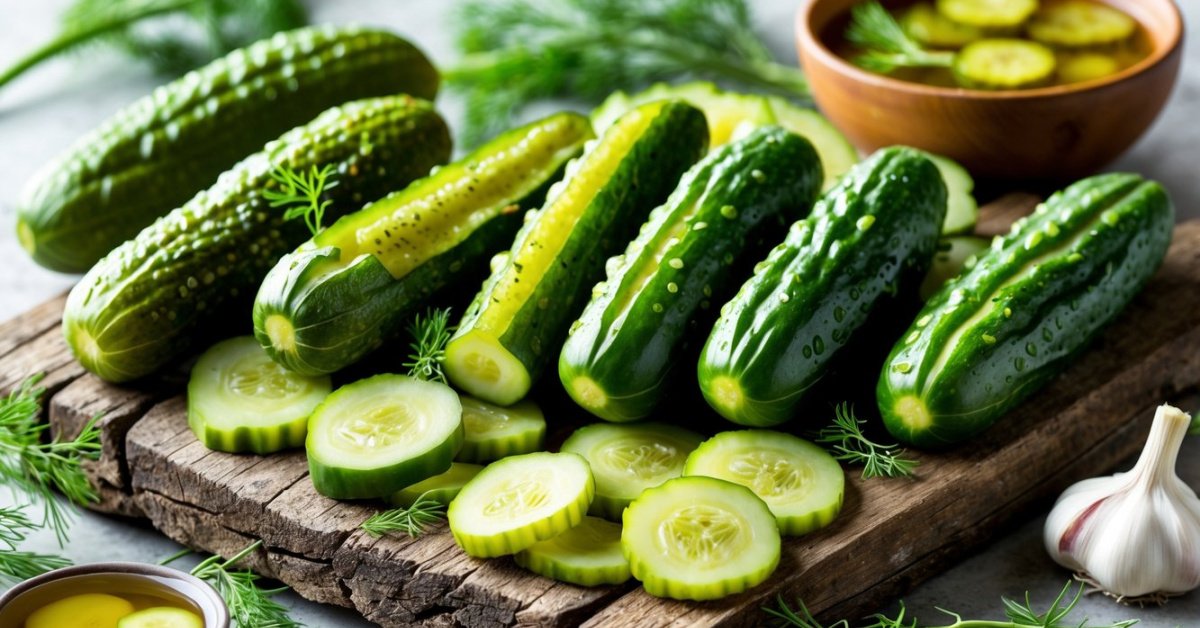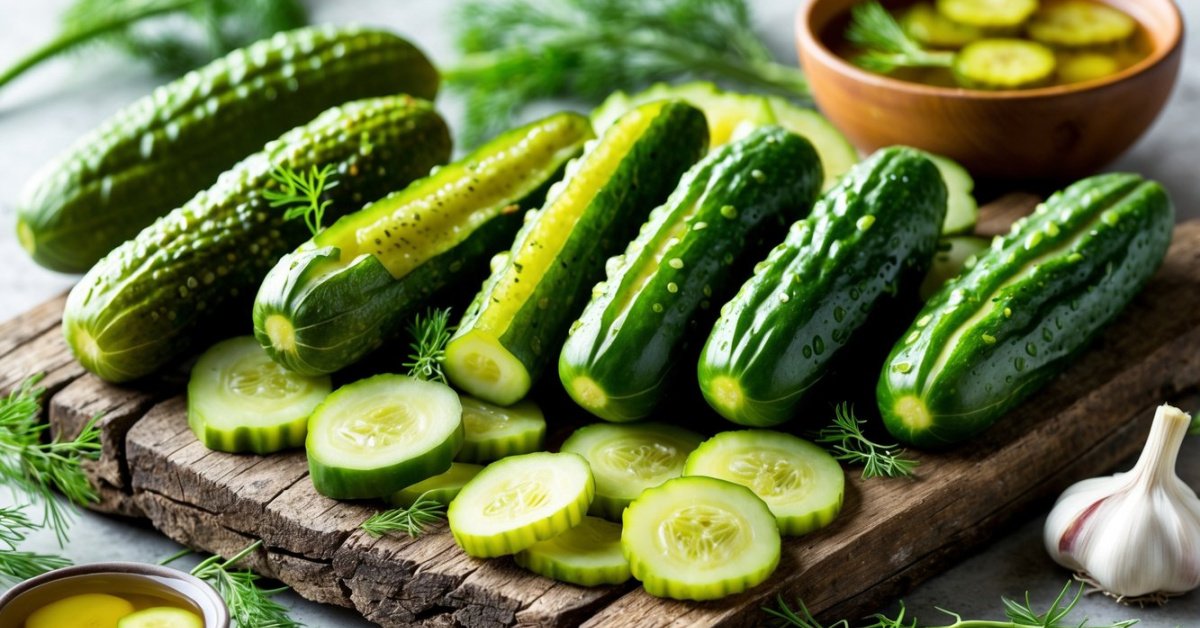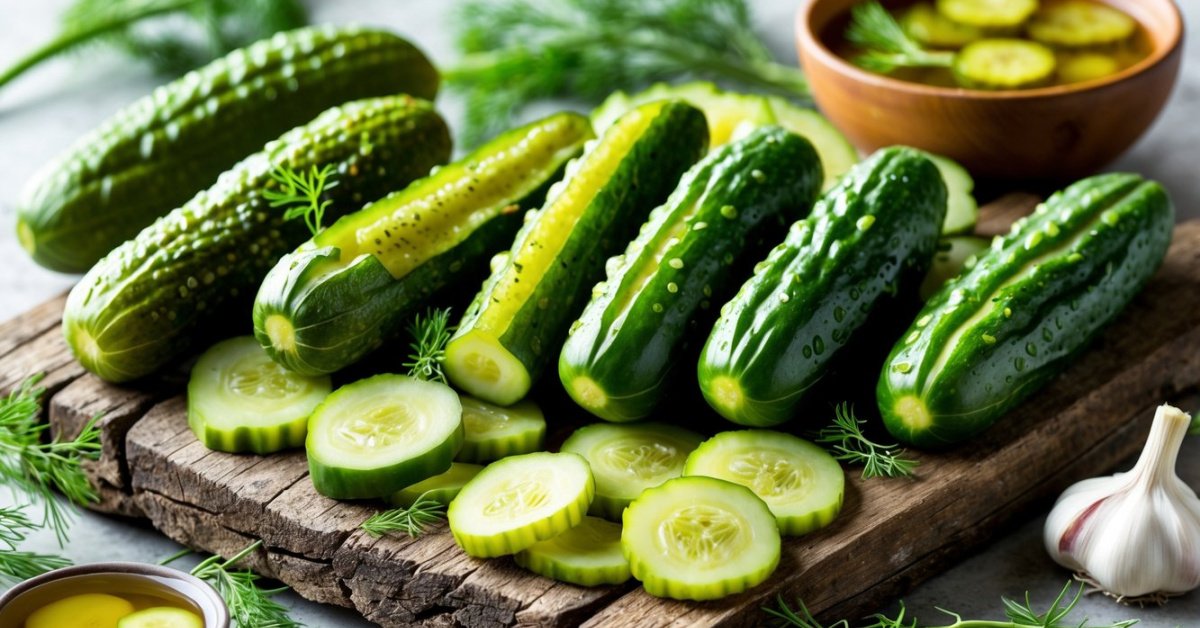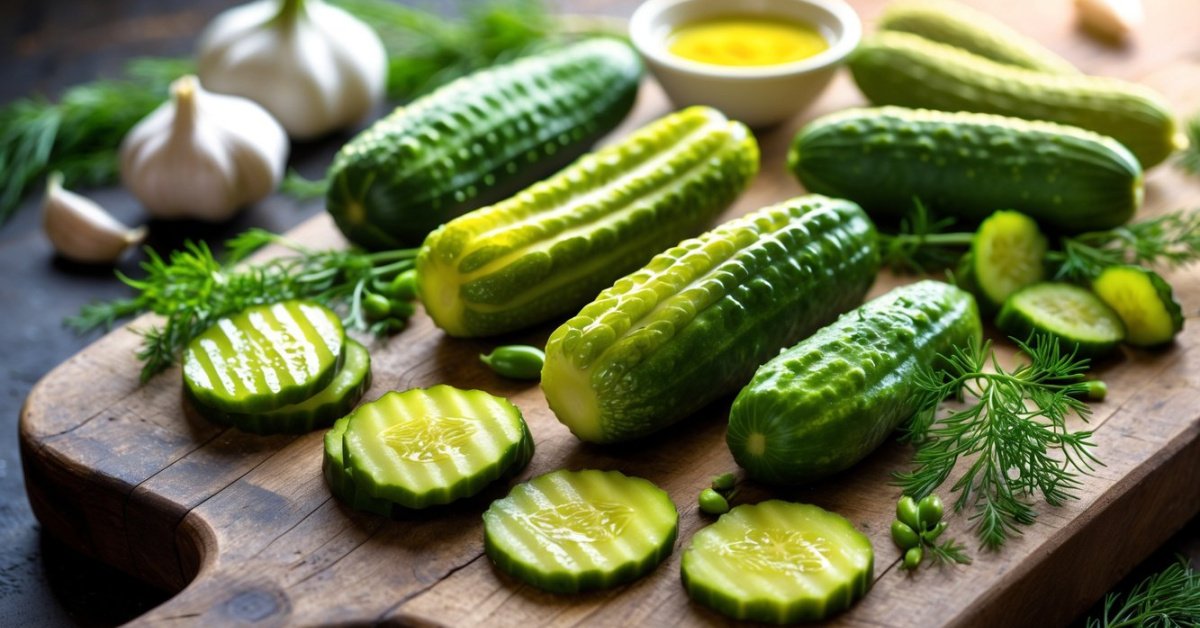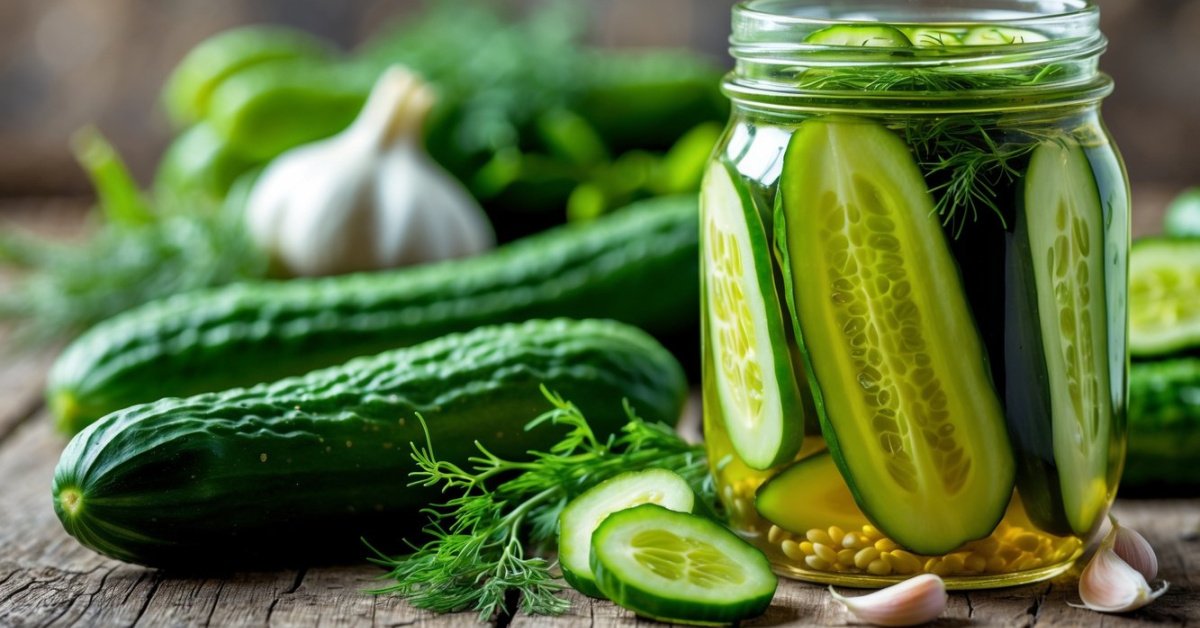
Whenever I spot a pile of firm green tomatoes at the market I can’t help but think of all the ways to bring out their bold flavor. Pickling them has become one of my favorite kitchen experiments and it’s always a hit at gatherings. That tangy crunch wakes up any meal and adds a little surprise to the table.
I love how pickled green tomatoes walk the line between sour and savory. They’re perfect alongside grilled meats or tucked into sandwiches. If you’ve never tried them before you’re in for a treat. Let’s dive into what makes this tangy side dish so irresistible.
What Are Pickled Green Tomatoes?
Pickled green tomatoes are unripe tomatoes preserved in a vinegar-based brine. I slice or quarter tomatoes before immersing them in a solution that usually includes vinegar, water, salt, garlic, dill, and spices. These ingredients extract moisture from the tomatoes, infuse them with tangy flavor, and help preserve them for months. Pickled green tomatoes keep their firmness better than ripe tomatoes, so the end result is a crunchy, savory product.
In my garden, I gather green tomatoes at the end of the growing season or before frost sets in. By pickling these tomatoes, I save produce that hasn’t ripened and reduce food waste. They’re a staple in my pantry each winter, serving as a zesty addition to sandwiches, burgers, charcuterie boards, and salads. Many pickling enthusiasts use this method for varieties like heirloom, Roma, and cherry green tomatoes. Each type gives a different texture and taste to the pickled result, making the process both practical and creative.
The Flavor Profile: Tangy And Refreshing
Sharp acidity defines pickled green tomatoes, with distilled vinegar establishing a bracing tang. Subtle saltiness follows, from precise brining that preserves and seasons each slice. Firm texture stands out, since green tomatoes maintain structure better than ripe ones, delivering a satisfying crunch with every bite.
Bright herbal notes emerge from common spices like fresh dill and coriander seeds, both of which I add to every batch for depth. Mild garlic infuses a gentle warmth without overwhelming the clean tartness. Natural tomato flavor remains present, slightly grassy and less sweet than ripe varieties, which allows the pickling brine to shine.
Cooling sensation refreshes the palate, especially when served chilled with hearty main courses. This briny vibrance pairs well with rich proteins and cuts through fatty flavors in dishes such as pulled pork or grilled sausages.
Balance of flavors ensures pickled green tomatoes aren’t overwhelmingly sour but offer harmonious complexity. Their distinctive profile brings zesty relief to spicy foods, hearty sandwiches, and robust grain salads, reinforcing their value as a versatile homemade side dish.
How Pickled Green Tomatoes Are Made
Green tomatoes transform into a tangy side through a simple pickling process that ensures crispness and keeps their fresh flavor vibrant. I rely on careful selection of ingredients and precise steps to capture the ideal balance of sour, salty, and herbal notes.
Key Ingredients
- Green tomatoes: I use firm, unripe tomatoes for the best crunch and structure.
- Vinegar: I prefer distilled white vinegar, which delivers sharp acidity and ensures a clear brine.
- Water: I dilute the vinegar with filtered water to mellow the intensity.
- Salt: Non-iodized salt, like pickling or kosher varieties, helps draw out moisture and preserves texture.
- Garlic: I add whole cloves for subtle warmth and aromatic depth.
- Dill: I favor fresh sprigs over dried for bright, grassy notes.
- Spices: I experiment with black peppercorns, mustard seeds, and coriander seeds, which create complexity and enhance the savory edge.
The Pickling Process
I start by washing and slicing the green tomatoes into wedges or thick slices, removing any stems or blemishes. I pack the tomatoes tightly into sterilized jars, layering them with garlic, dill, and spices.
In a saucepan, I combine vinegar, water, and salt, heating the mixture just until the salt dissolves—not boiling, to preserve flavor integrity. I pour the hot brine over the jarred tomatoes, making sure they’re fully submerged. I seal the jars and let them cool at room temperature before refrigerating.
Pickled green tomatoes reach peak flavor after one to two weeks of refrigeration. I’ve found the tomatoes keep their bright crunch for up to several months when stored properly, turning every harvest into a pantry staple.
Serving Ideas For Pickled Green Tomatoes
Pickled green tomatoes offer bright acidity that lifts simple or bold dishes. I use them throughout the year for their convenience, flavor, and satisfying crunch.
As A Standalone Snack
I serve cold pickled green tomatoes straight from the jar for an easy, crisp snack. Quick pickle platters often include them alongside pickled okra, carrots, or cucumbers. Sliced pieces sit well on cheese boards as a palate cleanser between sharp cheddars or mild goat cheeses. Chopped tomatoes make a bracing addition to mezze spreads with hummus and roasted nuts.
As A Side Or Condiment
I tuck slices of pickled green tomato into pulled pork sandwiches, grilled chicken wraps, or classic BLT sandwiches for extra tang. Diced pieces add zest to potato salads or coleslaw, balancing creamy bases. Slices replace pickles on burger platters, while quarters accent griddled sausages and roasted meats. I garnish deviled eggs or smoked fish plates with thin tomato rounds for color and zip.
Health Benefits And Nutritional Value
Pickled green tomatoes offer nutritional value along with their bold tang. Green tomatoes provide vitamins and minerals, including vitamin C, vitamin K, potassium, and fiber. A single medium green tomato contains around 28 calories, 7 grams of carbohydrates, and 1.1 grams of protein (USDA). I notice they’re lower in sugar than ripe tomatoes, which appeals to those watching their intake.
Vinegar brine used in pickling contributes acetic acid, which may support healthy digestion by helping balance gut bacteria (National Institutes of Health, 2021). Garlic and dill, both common in my brine, add antioxidants and bioactive compounds.
Since pickling retains most nutrients, pickled green tomatoes deliver similar vitamin C and lycopene levels as their raw counterparts, with heat exposure from hot brine causing only minor losses. I keep salt levels moderate to maintain flavor without excess sodium. When eaten as part of balanced meals—on grain salads, with grilled proteins, or in wraps—pickled green tomatoes add fiber and micronutrients with very little fat.
| Nutrient (per medium green tomato) | Amount |
|---|---|
| Calories | 28 kcal |
| Carbohydrates | 7 g |
| Protein | 1.1 g |
| Vitamin C | 23 mg |
| Vitamin K | 7.9 mcg |
| Fiber | 1.4 g |
| Potassium | 230 mg |
Pickled vegetables, like my green tomatoes, stay shelf stable for months and reduce waste from surplus harvests, supporting self-sufficiency. Eating a range of homemade pickles supplies probiotic-rich foods if using fermented methods, or simply boosts daily vegetable variety when using vinegar-based brines like mine.
Where To Buy Or How To Make Your Own
Pickled green tomatoes appear in specialty grocery stores, Eastern European markets, and farmers markets during late summer and fall. Markets like Kalustyan’s in New York, Zingerman’s in Michigan, and online retailers such as Goldbelly and Amazon regularly stock jarred options. Regional delis and kosher markets often sell crisp, garlicky versions alongside other fermented vegetables.
I prefer making my own small batches to control the flavor and source the firmest green tomatoes from my garden or a local farm stand. Homemade pickling lets me adjust acidity, spice level, and salt to match my taste or highlight heirloom tomato varieties.
The process for quick refrigerator pickles uses a hot brine but skips canning. I wash and cut tomatoes into slices or wedges, pack them tightly with dill, garlic, and spices into sterilized jars, then cover everything with boiling brine. After sealing, I chill the jars and let them sit one to two weeks before digging in.
If preserving a large harvest, I use traditional water-bath canning. This method involves submerging filled jars in boiling water for 15 minutes, ensuring shelf stability for up to 12 months.
| Source | Example Retailers/Markets | Best For |
|---|---|---|
| Grocery & Specialty Stores | Kalustyan’s, Zingerman’s | Classic jarred varieties |
| Farmers Markets | Local seasonal produce stands | Fresh, small-batch selections |
| Online Retailers | Amazon, Goldbelly | National access to regional pickles |
| DIY/Home Kitchen | Personal garden, local farm, kits | Custom blends, sustainable food |
With every batch, I keep my pantry stocked, minimize waste, and experiment with seasonal flavors to keep pickled green tomatoes on hand as the ultimate tangy side.
Pros And Cons Of Pickled Green Tomatoes
Pros
- Extended Shelf Life: Pickled green tomatoes keep their tangy flavor and firm crunch for up to 6 months in the fridge or a cool pantry, preserving harvest surplus and supporting a sustainable kitchen.
- Food Waste Reduction: I transform unripe end-of-season tomatoes that wouldn’t ripen on the vine into tangy condiments, letting nothing from my garden go uneaten.
- Versatile Flavor: Their sour-salty taste and crisp bite suit sandwiches, meat platters, and snack boards. I often serve them beside grilled sausages or dice them for potato salad.
- Nutritional Value: Pickled green tomatoes are packed with vitamin C, vitamin K, fiber, and antioxidants from garlic and dill, with less sugar than ripe red varieties.
- Creative Freedom: Each pickling session allows me to adjust brine spices and tomato varieties, experimenting with flavors like mustard seeds, chili flakes, or fresh tarragon.
Cons
- Sodium Content: Salt, essential for safe pickling, increases sodium in the finished product. Those monitoring sodium intake need to limit serving size.
- Acidity and Sensitive Stomachs: Distilled vinegar-based brine delivers characteristic tang, but it sometimes irritates sensitive stomachs or acid reflux conditions.
- Loss Of Raw Texture: The pickling process slightly softens the tomatoes’ natural crunch, especially in long-term storage or high-acid brines.
- Limited Availability: Green tomatoes, key for authentic flavor and firmness, appear mainly during late summer and fall or at specialty markets.
- Potential For Mold Or Spoilage: Inadequate sterilization or improper brine coverage risks mold development. I always use sterilized jars and monitor submerged levels for safe storage.
| Pros | Cons |
|---|---|
| Long shelf life | Higher sodium |
| Reduces food waste | Possible acidity sensitivity |
| Versatile flavor | Slightly softer texture |
| High nutritional value | Seasonal ingredient availability |
| Creative pickling options | Spoilage risk if not careful |
Conclusion
Pickled green tomatoes have become one of my favorite ways to add a punch of flavor and a satisfying crunch to meals all year long. I love how each batch feels like a small celebration of the harvest and a creative experiment in my kitchen.
Whether you make them at home or find them at a local market these tangy treats are an easy way to brighten up your table. I hope you’ll give them a try and discover just how much joy a simple jar of pickled green tomatoes can bring to your pantry and your plate.