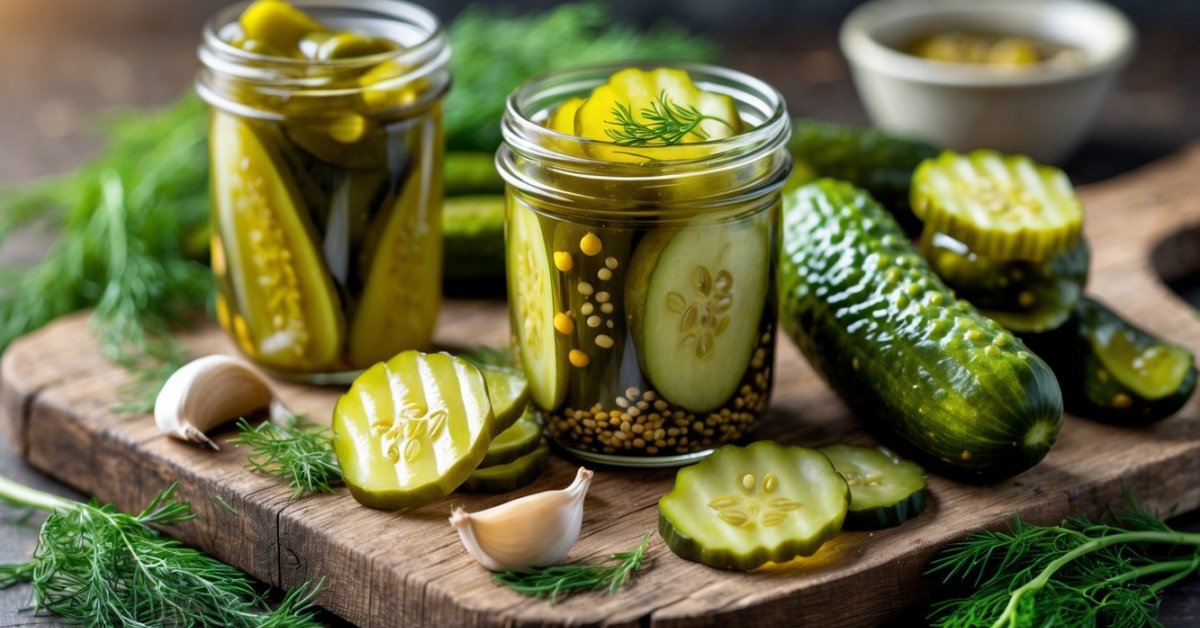
I’ve always loved experimenting in the kitchen especially when it comes to unique flavors. That’s why pickle-infused kombucha instantly caught my attention. It’s a quirky twist on the classic fermented tea and delivers a tangy kick that’s both refreshing and unexpected.
If you’re a fan of pickles and kombucha you’ll find this blend absolutely irresistible. The process is simple the ingredients are easy to find and the result is a drink that surprises everyone who tries it. I can’t wait to share how I make this zesty probiotic treat at home.
What Is Pickle-Infused Kombucha?
Pickle-infused kombucha blends classic fermented tea with the unmistakable briny notes of pickles. I combine the tart, effervescent character of kombucha with flavors from pickling spices—dill, garlic, mustard seed, or coriander seed for example—and even add a splash of actual pickle brine from lacto-fermented cucumbers. This fusion introduces complex sour, herbal, and savory layers not found in standard fruit- or herb-based kombucha.
I create this kombucha by steeping traditional spices used in cucumber pickles along with fresh herbs from my garden. If I use brine, I choose unpasteurized varieties that preserve live cultures, which amplify the probiotic qualities of my home-brew. The result appeals to sour pickle lovers and fermentation enthusiasts alike as it brings together self-sufficiency, homegrown ingredients, and inventive brewing.
Key Ingredients for Pickle-Infused Kombucha
Creating pickle-infused kombucha starts with quality staples and carefully chosen brine flavors. Every ingredient shapes the probiotic profile, tartness, and nuanced taste in the final brew—something I’ve learned through years growing and pickling my own produce.
Choosing the Right Kombucha Base
Selecting a robust kombucha base sets the foundation for blending pickle and tea cultures. I always favor a plain, well-fermented black or green tea kombucha without fruit, spices, or excess sweetness. Green tea gives a lighter body, while black tea offers stronger earthy notes that complement savory brine. Home brews using organic cane sugar and filtered water promote a healthy SCOBY and clean fermentation, critical for infusing pickle flavors evenly.
Selecting Pickle Flavors and Brines
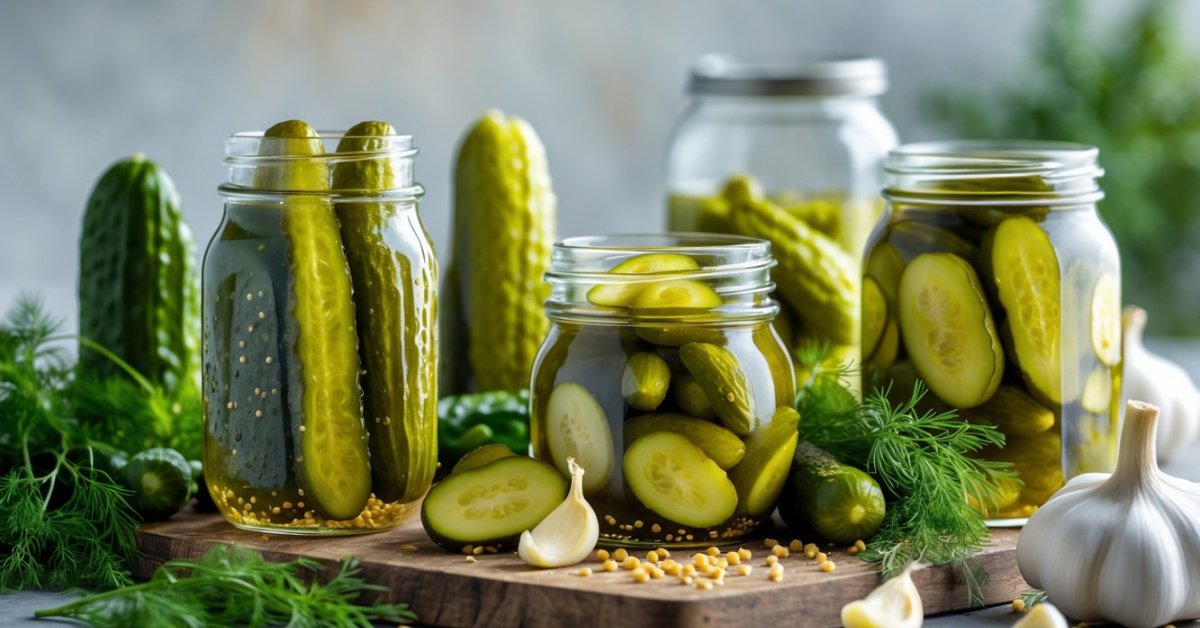
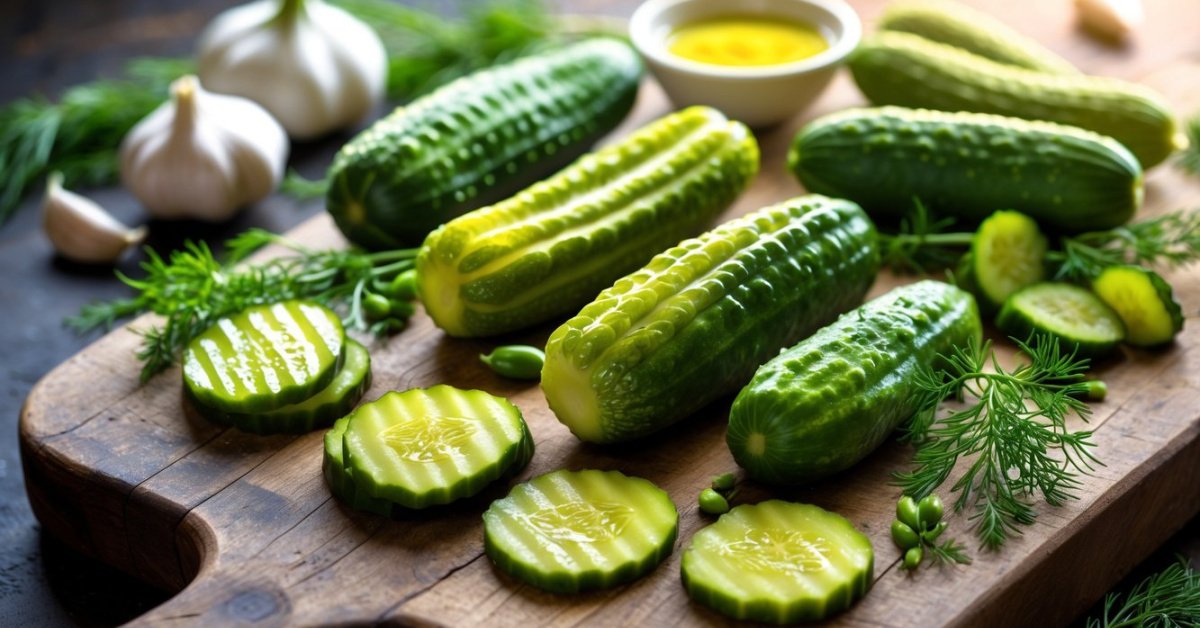
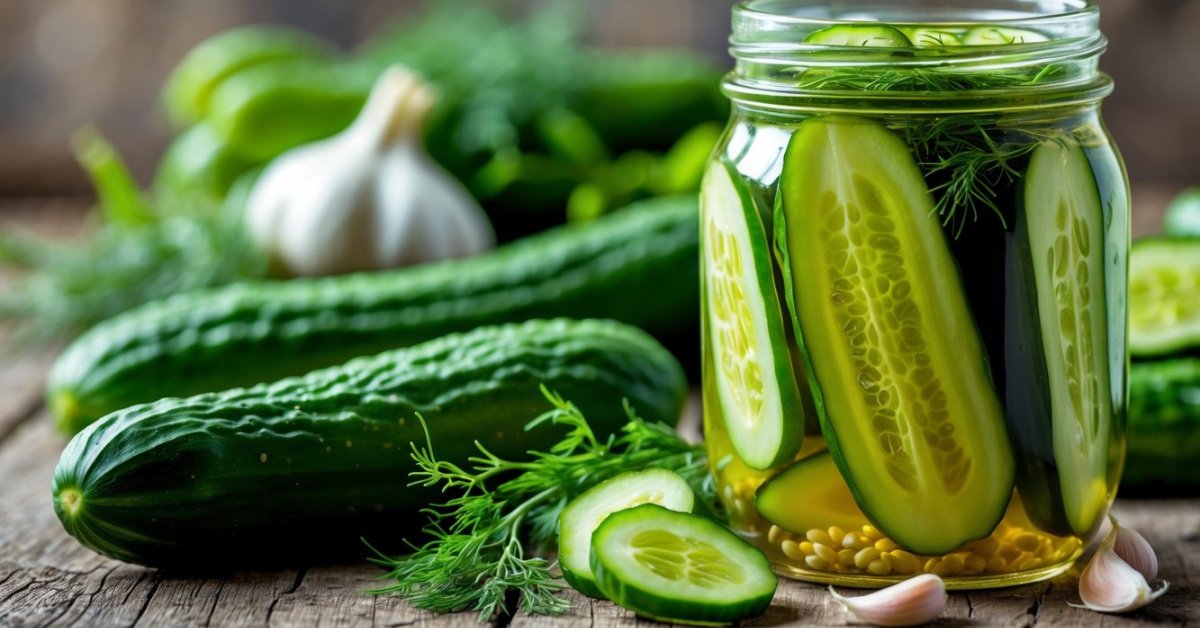
Pickling spices, garden herbs, and pickle brine drive the distinctive taste of this kombucha fusion. I reach for lacto-fermented cucumber brine, packed with live cultures and tangy depth, when aiming for authentic deli-style sourness. Dill, garlic, mustard seeds, and coriander offer bright, zesty, lightly spicy undertones. I prefer to harvest my own dill heads and garlic, using fresh whenever possible for the strongest flavor.
Brines from hot pickles add heat, while sweet brines introduce mild, nuanced layers. Only unpasteurized pickle brine works for probiotic viability. Select brine and herbs that mirror your favorite pickle profile; for example, garlic-dill brine transforms kombucha with a classic, bold flavor, while spice-forward brine suits adventurous palates seeking complexity.
Step-by-Step Pickle-Infused Kombucha Recipe
I infuse kombucha with pickle flavors in three distinct stages. Each part of the process builds tang, depth, and probiotic power, letting cucumbers and classic pickling spices shine right in each bottle.
Brewing the Kombucha
I start my pickle-infused kombucha using a robust plain black or green tea kombucha. I brew strong tea with filtered water, add 70 g organic cane sugar per liter, and cool the mixture to room temperature. I pour this sweetened tea into a glass fermenter, add 1 cup unflavored mature kombucha as a starter, and gently place the SCOBY on top. I cover the jar with a clean cloth secured by a rubber band and let it ferment 7 to 10 days at 72–78°F. When the brew tastes crisp and slightly sour, similar to a homemade vinegar brine, I prepare for the infusion stage.
Infusing with Pickle Brine and Additions
I strain my kombucha, reserving the SCOBY and some liquid for the next batch. For infusion, I combine per 1 liter of kombucha:
- 30–50 ml unpasteurized lacto-fermented cucumber brine (sourced from my own pickles or a trusted deli)
- 1 sprig fresh dill
- 2–3 slices fresh or fermented garlic
- 1/2 tsp whole mustard seeds
- 1/2 tsp coriander seeds
- 1–2 black peppercorns
- Optional: 1–2 thin slices lacto-fermented cucumber for an extra punch
I use only natural, live brine because the fermentation preserves probiotic populations. I add herbs and spices directly to the bottle or jar, ensuring the brine and kombucha base mix completely.
Bottling and Fermentation Tips
I pour the flavored kombucha into flip-cap bottles, leaving 2–3 cm headspace per bottle for pressure. I strain out solids if a smoother texture is desired, or leave them in for more flavor extraction. Bottles go back to a dark cabinet for secondary fermentation at room temperature. I check carbonation after 2–4 days, opening a bottle daily once bubbles appear. When the flavor balances bright pickle tang, gentle fizz, and underlying tea, I refrigerate bottles to halt fermentation. I consume within 3 weeks for best fizz and full dill-garlic aroma, paying attention to any spices or herbs left in the bottle for peak freshness.
Taste Test: What to Expect
Pickle-infused kombucha brings a bold fusion of briny complexity and bright acidity. I always notice a layered bouquet and an unmistakable pickle punch that stands apart from typical kombucha blends.
Flavor Profile and Aroma
Brine-forward notes lead the first sip, thanks to the lacto-fermented cucumber brine and fresh dill. Underlying herbal hints from coriander and mustard seed follow, supporting a finish that’s simultaneously tart and savory. Aromatic elements fill the glass with fresh garden dill, crushed garlic, and a subtle earthy tang from green or black tea. Each batch I make showcases slight differences, depending on the herbs and brine intensity, but always delivers a distinct pickle sourness and lively fermentation effervescence.
Best Pairings and Serving Suggestions
Sandwiches, cured meats, and sharp cheeses match perfectly with pickle-infused kombucha, especially rye bread with pastrami or smoked turkey. I often pour it alongside charcuterie boards, pickled vegetable medleys, and garden salads topped with radishes or chives. For serving, chilled bottles work best, poured into a tall glass to showcase both aroma and bubbles. I garnish with a sprig of fresh dill or a thin cucumber spear for an extra punch, usually after assembling a spread of other homemade ferments.
Health Benefits and Considerations
Pickle-infused kombucha offers unique probiotic diversity by combining fermented tea cultures with the live microbes present in lacto-fermented pickle brine. My batches consistently provide lactic acid bacteria, acetic acid bacteria, and yeast strains typical to kombucha, along with the gut-friendly lactobacilli from authentic pickle fermentations. These probiotics support digestive health and promote gut flora balance, according to the journal Nutrients (2019).
Electrolyte levels get a natural boost from the sodium and potassium present in the pickle brine. I often use homegrown cucumbers and brine for the highest mineral content, contributing trace magnesium and calcium not common in plain kombucha. Salt-sensitive individuals benefit from tasting small amounts first, since pickle brine increases the beverage’s sodium content compared to plain kombucha.
Antioxidants in this drink come from the tea base and fresh spices. My homegrown dill, garlic, and coriander seeds infuse polyphenols and essential oils, which have been identified in studies for their anti-inflammatory properties (Antioxidants, 2021). I value garden-fresh herbs for maximizing these healthful elements.
Flavor infusions impact both wellness and taste experience. My batches with extra garlic and mustard seed help diversify phytonutrients, though some may notice a change in flavor intensity or mild digestive effects with larger doses of briny, spicy ingredients.
Pasteurization isn’t part of my process, since live cultures yield the best health benefits. However, I store finished bottles under refrigeration and track carbonation closely. Over-fermentation can intensify sourness or fizz and alter safety, especially for those with sensitive digestion.
Variety in seasonal produce and brines keeps microbes robust and supports self-sustaining, resilient home food systems. My garden’s cycle lets me tailor each kombucha batch’s nutritional and probiotic profile, using plant diversity to boost both health and flavor in every bottle.
Conclusion
Trying out pickle-infused kombucha has opened up a whole new world of flavor possibilities in my kitchen. It’s become one of my favorite ways to enjoy the tangy punch of pickles and the refreshing fizz of kombucha all in one glass.
I love how this drink invites creativity and experimentation with every batch. If you’re curious about fermentation or just looking for a bold new beverage to share with friends, give this recipe a try. You might find yourself hooked on its zesty charm just like I am.