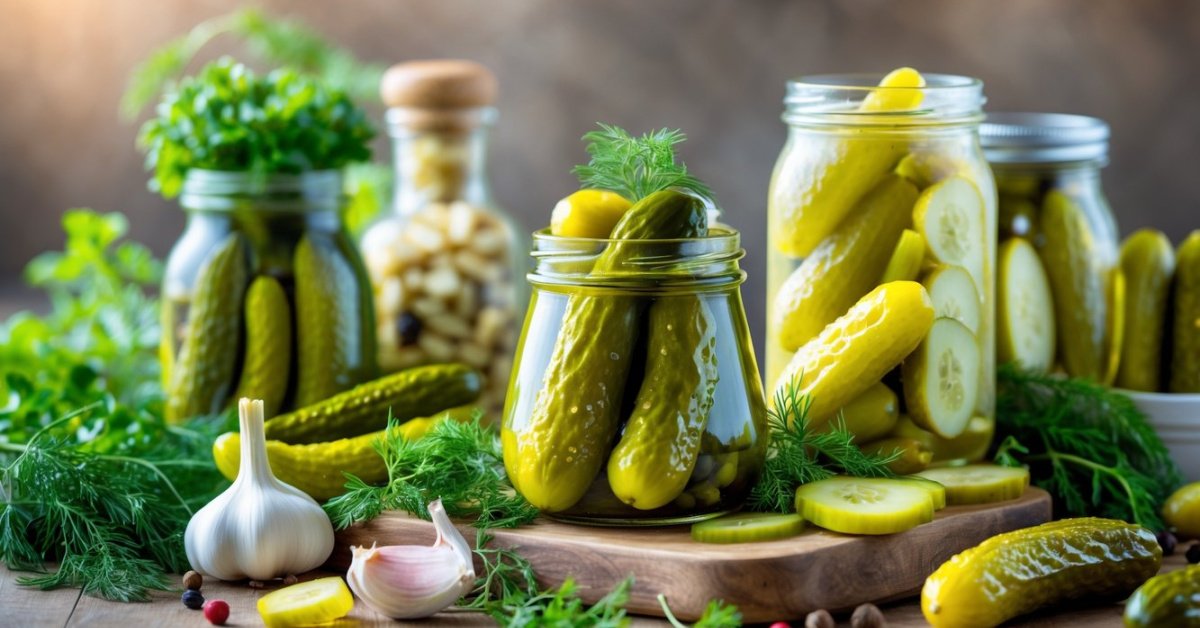
I’ve always loved finding new ways to make grilled chicken more flavorful and juicy. That’s why I started saving the leftover pickle juice in my fridge instead of pouring it down the drain. Turns out that tangy brine isn’t just for pickles—it’s a secret weapon for marinating chicken.
There’s something magical about how pickle juice transforms plain chicken into something mouthwatering. The zesty flavors soak right in and the meat stays incredibly tender on the grill. If you’re looking for a simple trick to level up your next cookout I can’t wait to share how pickle juice can make your grilled chicken unforgettable.
Why Use Pickle Juice Marinade for Grilled Chicken
Pickle juice marinade infuses grilled chicken with layered tang, salt, and herbal notes from the brine. I find that the vinegar in pickle juice tenderizes the chicken, giving each piece remarkable juiciness. Salt, garlic, dill, and spices from the pickling process permeate the meat, highlighting my favorite flavors from homegrown cucumbers and garden herbs.
Marinating chicken in pickle juice achieves optimal tenderness in as little as 1–4 hours—longer than 8 hours sometimes overwhelms delicate cuts. This technique lets me repurpose leftover brine, reducing waste and boosting self-sustainability.
Seasoned picklers like me notice consistent benefits. Brined chicken browns evenly on the grill, thanks to the residual sugars and spices. Herbal profiles from homemade pickle recipes—examples like garlic-dill or spicy jalapeño—shine through in every bite. Grilled chicken gains complex pickled notes that plain salt or commercial marinades never impart.
Key Ingredients in Pickle Juice Marinade
Pickle juice marinade always relies on a few essential flavors that come from time-tested pickling techniques. I’ve developed my marinades by understanding each element’s role through hundreds of small-batch and large-scale pickling sessions.
- Vinegar
Vinegar, usually distilled white or apple cider, forms the backbone of pickle brine. I use it for its sharp tang and its ability to tenderize proteins like chicken. Commercially, most pickle brines use 5–7% acidity.
- Salt
Salt, most often non-iodized and sometimes kosher or sea salt, seasons the chicken thoroughly and draws in moisture. In my garden pickles, I usually maintain a 3–5% salt-to-water ratio for consistent flavor without overpowering the food.
- Dill and Other Herbs
Dill stands out in classic cucumber pickle brine and gives the marinade a vibrant, grassy note. I snip fresh dill from my garden, but dried herbs, garlic, and even mustard seed or coriander add complexity. Examples include black peppercorns and bay leaves for depth.
- Pickling Spices
Pickling spices such as mustard seed and coriander bring subtle spice notes. I’d often include allspice or chili flakes for heat in some batches.
- Garlic
Garlic cloves or granules provide sharpness and a mild heat when infused into the brine, especially visible in garlicky half-sours or kosher dills.
- Sugar
Sugar, either white or brown, softens vinegar’s acidic bite and enhances browning when grilling. Some bread & butter pickle brines use up to 1 cup sugar per quart.
These ingredients don’t just flavor the chicken—they echo home-grown, preserved harvests. My focus always shifts to balancing these elements so the marinade highlights both the chicken’s natural taste and the garden’s bounty.
How to Make Pickle Juice Marinade for Grilled Chicken
Making pickle juice marinade for grilled chicken lets me use every drop of garden-made brine and showcase the full potential of home pickling. This process captures tangy, herbal flavors and infuses them directly into tender meat.
Step-by-Step Preparation
- Select Pickle Brine: I use clear, fresh brine from dill pickles, making sure it’s loaded with visible dill, garlic, and peppercorns for maximum flavor.
- Measure and Mix: I pour 1–2 cups of pickle juice into a non-reactive bowl or zip-top bag, enough to fully submerge 1–2 lbs of chicken pieces, like thighs or breasts.
- Enhance (Optional): I sometimes add a clove of mashed garlic, 1–2 teaspoons brown sugar, or a pinch of extra chili flakes for more complexity.
- Marinate: I add the chicken, press out the air, seal, and refrigerate. I marinate for at least 1 hour and up to 4 hours; longer gives stronger flavor but can start to toughen thinner cuts.
- Drain and Dry: I remove the chicken, pat it dry, then grill as usual. Drying the surface helps the meat brown evenly on the grill.
Tips for Best Results
- Use Fresh Brine: I avoid vinegary brine that’s cloudy or spent from several batches of pickles; freshness preserves bright tang and balanced seasoning.
- Flavors Matter: I pick brine from classic dill, spicy garlic, or bread-and-butter pickles based on the herbs and spices I want to showcase.
- Balance Salt: I halve additional seasoning if my brine’s already well salted; homemade brines vary, so I taste first.
- Don’t Over-Marinate: I always limit marinating time for boneless cuts to prevent mushiness, especially with high-acid brines.
- Pair with Garden Sides: I often serve my grilled pickle-marinated chicken with sliced garden tomatoes or quick-pickled cucumbers to complete the homegrown meal.
Flavor Profile and Texture Analysis
Pickle juice marinade creates a bold, layered flavor in grilled chicken. I notice pronounced tang from the vinegar, balanced salty depth, and bright herbal notes—especially from dill and pickling spices like mustard seed or coriander. Garlic and peppercorns from the brine give hints of heat and spice, creating a multidimensional taste. Using brine from different pickles produces subtle shifts: classic dills offer grassy sharpness, while bread and butter brines introduce a mild sweetness.
Texturally, brined chicken stays juicy and tender. Acetic acid in the vinegar breaks down muscle proteins, so the meat retains moisture even over direct flames. Salt further seasons and locks in liquid, creating chicken that’s moist through every bite without turning spongy—if I keep marination under four hours. Grilled exteriors caramelize from any added sugar in the brine, adding a slight crispness with hints of toasted flavor.
Depth, tang, and moisture define my favorite pickle juice–marinated chicken. This approach spotlights what home pickling can do for garden harvests, turning everyday chicken into a vibrant, juicy main course.
Grilling Process and Cooking Tips
Grilling pickle juice-marinated chicken develops deep char and an aromatic crust if the right technique is followed. I always preheat my grill to medium-high, aiming for 400–425°F, which allows for even browning without burning the sugars from the brine. Oil the grates just before adding chicken to prevent sticking and capture the pickled flavors in the crust. I shake excess brine from the chicken before grilling, since too much moisture steams the surface and impedes carmelization.
Turning the chicken only once during grilling promotes defined grill marks and keeps juices locked in. I grill bone-in thighs for 6–7 minutes per side, while boneless breasts reach juiciness at 4–5 minutes per side. Thicker pieces need indirect heat after initial searing, keeping the grill closed to retain heat and encourage gentle finishing.
Brined chicken needs only a light sprinkling of salt at the end, if any, since pickle juice infuses salt deep into the meat. I check doneness with a thermometer—165°F at the thickest part ensures safety and preserves moisture. Resting the grilled chicken for 5 minutes lets the juices redistribute, resulting in tender, flavorful bites.
I plate the grilled chicken with pickled sides or fresh vegetables from my garden, serving the dish while the pickling aromatics are still vibrant. This approach highlights the full spectrum of garden and brine flavors I value most in homegrown, sustainable meals.
Pros and Cons of Using Pickle Juice Marinade
Pros
- Enhances Flavor
Pickle juice delivers a concentrated burst of tang, salt, and herbal notes, as I consistently taste in homegrown pickle batches. Chicken absorbs these briny undertones, giving each bite a recognizable pickle-forward flavor.
- Tenderizes Chicken
Vinegar and salt in the brine alter chicken texture, breaking down proteins and retaining juiciness. My vinegar-rich, dill-heavy pickles turn lean chicken surprisingly moist, even on a hot grill.
- Promotes Sustainability
Repurposing leftover brine reduces kitchen waste. Every gallon of pickles I jar produces a quart or two of brine, which I use to flavor and tenderize instead of discarding.
- Short Marinating Time
Pickle juice infuses flavor and tenderness in as little as 1–4 hours. This efficiency lets me prepare grilled chicken the same afternoon I decide to host a garden-to-table picnic.
- Supports Homegrown Flavors
Homemade brines use herbs, garlic, and spices from my garden, so the resulting marinade reflects the harvest’s distinct character in every meal.
Cons
- Risk of Over-Salting
Brines have high salt concentrations, making it easy to oversalt the chicken if marinated too long or not blotted before grilling. I measure and taste brine before using, especially with heavily salted or older pickles.
- Dominates Delicate Flavors
Strong dill, garlic, or clove overpowers subtle chicken or milder seasonings. Lighter brines or shorter marinating times help if I want vegetables or side dishes to shine alongside the chicken.
- Varying Consistency
Homemade brines change in intensity as batches age or herbs settle, leading to inconsistent results if I’m not careful. Testing each batch before use prevents surprises at the grill.
- Limited Compatibility
Pickle juice marinades work best with poultry and some vegetables. I’ve found fish and beef pick up the pickling acids and spices poorly or become texturally unappealing.
- Possible Texture Changes
Acid-heavy brines, especially with long marination, give chicken a mushy, ceviche-like texture. In my experience, 1–4 hours strikes the right balance, with overnight soaks rarely improving results.
Final Thoughts on Pickle Juice Marinade for Grilled Chicken
Pickle juice marinade for grilled chicken reflects the resourcefulness at the heart of home pickling. Every batch of brine I produce represents my efforts in the garden and at the preserving counter, carrying the flavors of my dill, garlic, and peppercorns into each meal. Seeing that brine bring new life to plain chicken honors the cycle of growing, pickling, and maximizing every harvest.
Using pickle juice lets me reduce waste, close the loop in my kitchen, and highlight the taste of my homegrown herbs with every bite. Balance between vinegar’s tang, salt’s flavor boost, and subtle sweetness creates unmistakable layers that speak to hand-crafted care unique to small-batch pickling. Even spent brine adapts—some batches run bold with garlic or heavy on dill, encouraging me to tweak marination times and pairings for the grilled chicken’s best outcome.
Each grilled chicken I serve after a pickle brine marinade celebrates that full journey from garden plot to grill. My passion for pickles, pickling, and sustainability shows up in every juicy slice and crisp-tangy edge, connecting generations of preservation techniques with today’s appetite for vibrant, simple cooking.
Conclusion
Trying pickle juice as a marinade has completely changed the way I approach grilled chicken. It’s such a simple trick but the results are always impressive and full of character.
I love how this method lets me use every bit of my homemade pickles and reduce waste in my kitchen. Sharing meals that carry the flavors of my own garden just feels special.
If you’re curious about new ways to make your grilled chicken stand out give pickle juice marinade a try. You might be surprised by how much flavor and joy it brings to your next cookout.