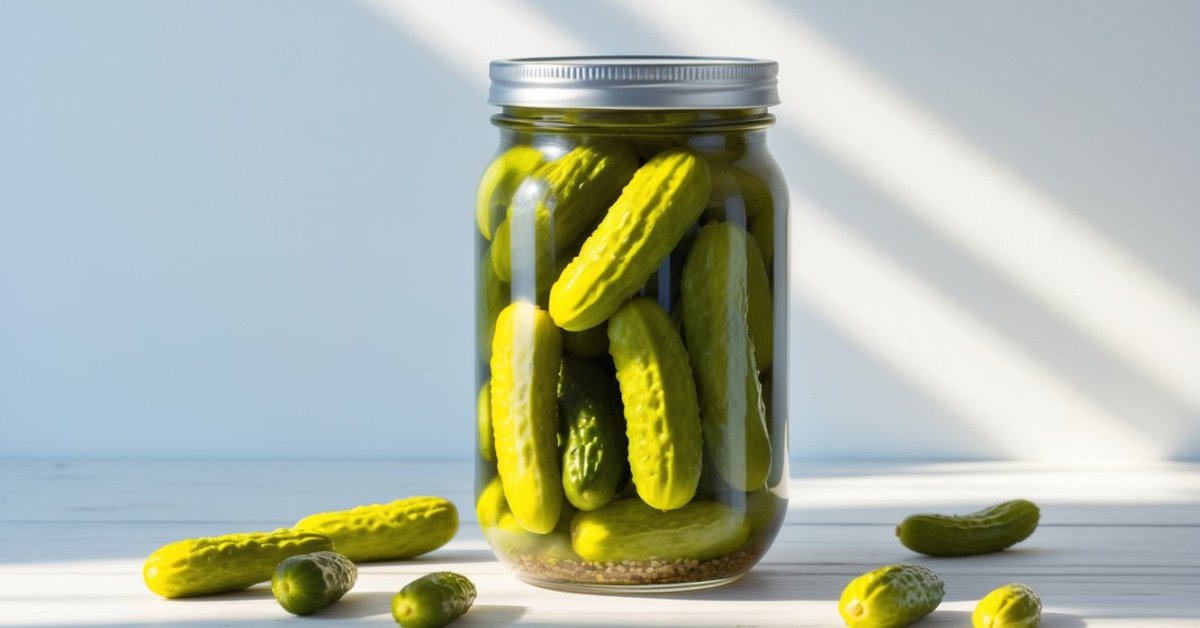
I love how a good charcuterie board can turn any gathering into something special. There’s just something about the mix of flavors and textures that gets everyone reaching for more. Lately I’ve been obsessed with pairing tangy pickles and creamy cheeses—the combination is always a hit.
Whether I’m hosting friends or just treating myself to a cozy snack night I find that adding pickles to a cheese board brings a fresh twist. It’s fun to experiment with different varieties and see which flavors play well together. If you’re looking to spice up your next spread you’re in the right place.
Why Include Pickles and Cheese on Your Charcuterie Board
Pairing pickles with cheese on a charcuterie board creates a dynamic contrast of flavors and textures. Pickles, like garlic dills, spicy okra, or bread-and-butter chips, add acidity and crunch that balance the rich creaminess found in cheeses such as brie, gouda, or bleu. Unique flavor layers form when I combine home-pickled vegetables with both soft and hard cheeses, enhancing the tasting experience for everyone.
Showcasing pickles demonstrates the art of fermentation and preservation, which celebrates homegrown and homemade ingredients. Including pickles made from cucumbers grown in my garden supports food sustainability and reduces reliance on store-bought products. Sharing these handmade pickles on a charcuterie board introduces guests to varieties they may not encounter in ordinary grocery stores, like lemon-thyme zucchini pickles or spicy fermented beans.
Elevating a cheese board with pickles improves both presentation and nutrition. Colorful pickled vegetables brighten platters while providing probiotics and added fiber. Guests frequently enjoy discovering how different pickled elements highlight the flavors in local and artisan cheeses. Exploring these combinations promotes creativity, educates about food preservation, and starts engaging conversations about gardening and sustainable living.
Best Types of Pickles for Charcuterie Boards
Pickle selection shapes how charcuterie boards taste and feel. I focus on contrasting acidity, crunch, and flavors that highlight the full range of cheeses.
Classic Dill and Bread & Butter Pickles
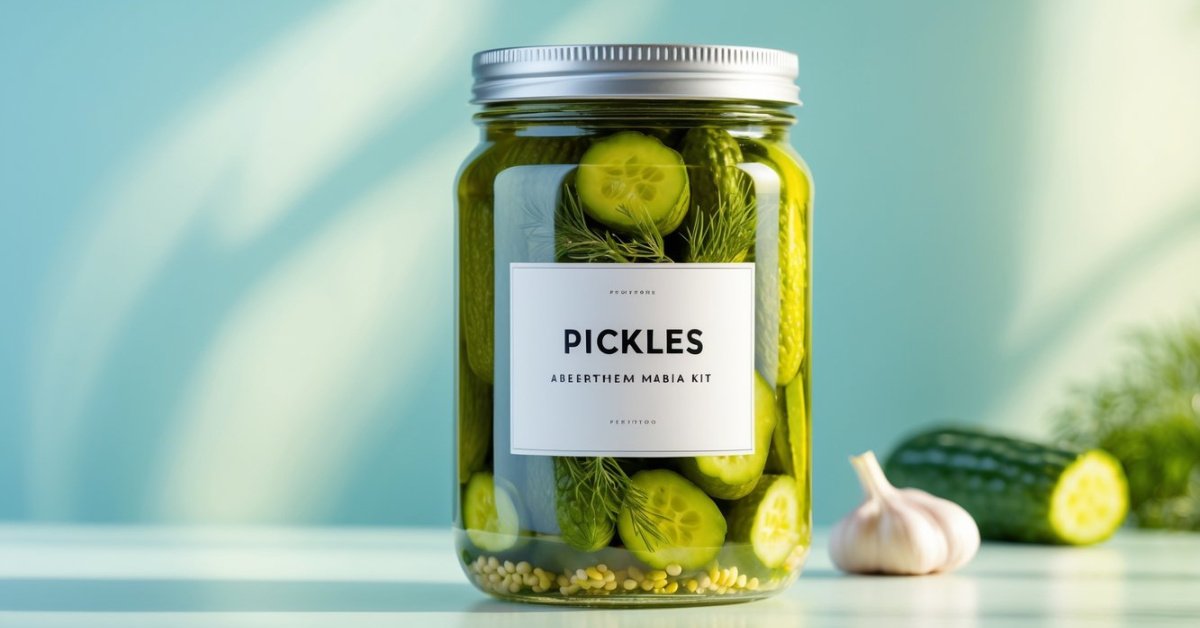
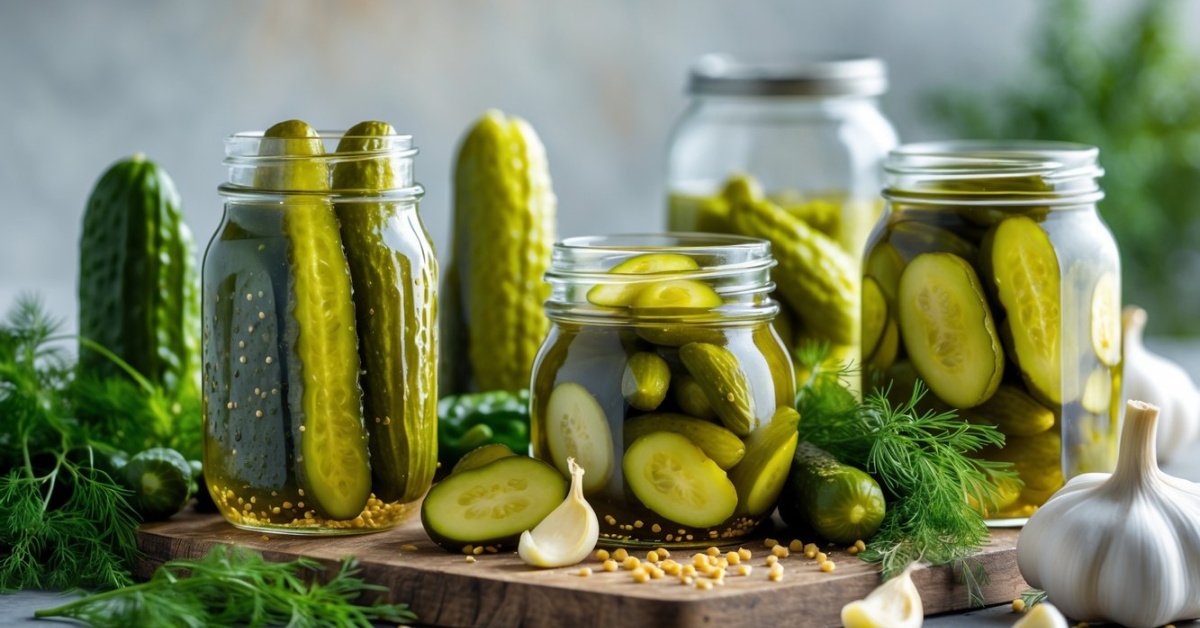
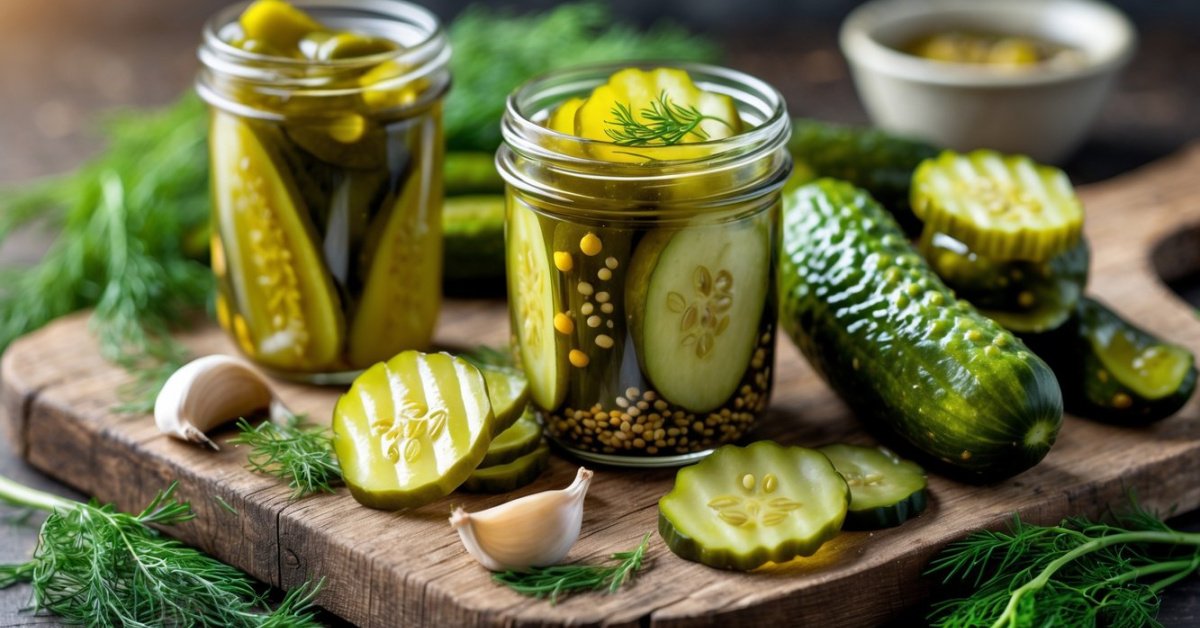
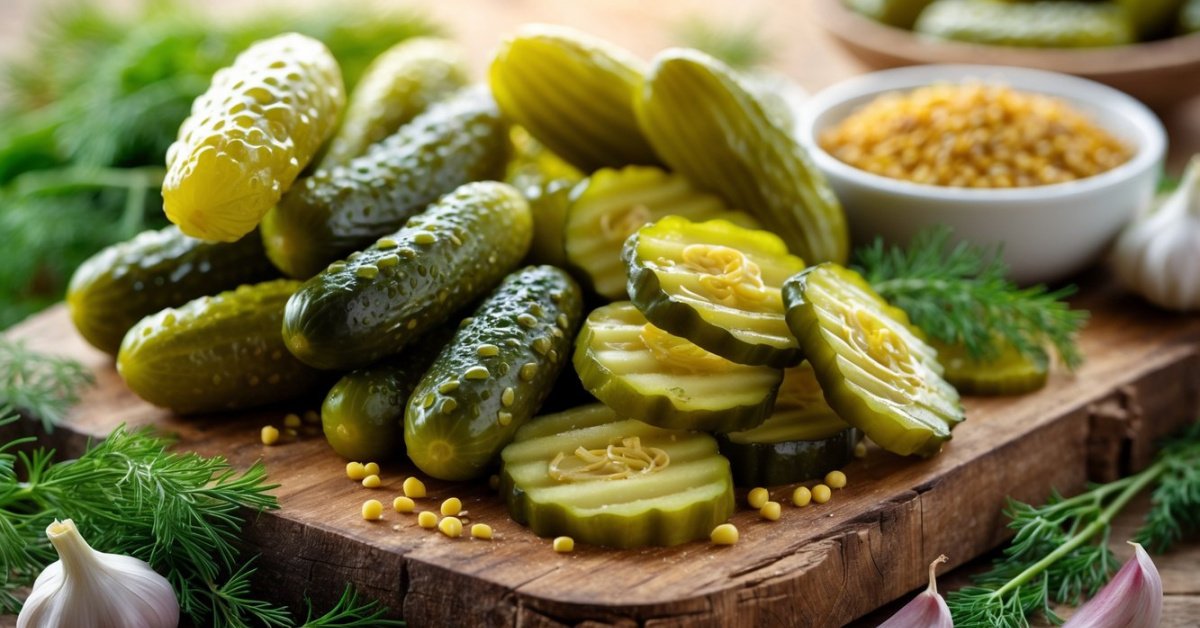
Classic pickles offer familiar, balanced flavors. I always include dill pickles and bread & butter pickles. Dill pickles supply bright, tangy notes with strong garlic and fresh dill, perfect next to sharp cheddar or creamy havarti. Bread & butter pickles add sweetness with gentle spice from cloves and mustard seeds, bringing out the buttery qualities in gouda or colby jack. I slice both styles thin so they mix easily with meats and cheese rounds.
Gourmet and Specialty Pickles
Gourmet pickles introduce boldness and color to the charcuterie board. I often choose pickled okra, spicy garlic spears, and pickled carrots. Pickled okra gives boards an interesting crunch and subtle heat, matching well with blue or goat cheese. Spicy garlic spears deliver a punch that livens up milder soft cheeses. Pickled carrots provide bright visuals, earthy flavors, and satisfying crispness, which complements nutty cheeses like gruyere. If I’ve got time, I add my own fermented vegetables or quick-pickled garden radishes for pops of color and unique tang.
| Pickle Type | Flavor Profile | Cheese Pairings | Texture | Visual Impact |
|---|---|---|---|---|
| Dill | Tangy, herbal | Cheddar, havarti | Crisp | Classic green |
| Bread & Butter | Sweet, spiced | Gouda, colby jack | Crunchy | Gold/light green |
| Pickled Okra | Mild heat, earthy | Blue, goat cheese | Firm, snappy | Unique shape |
| Spicy Garlic Spears | Bold, pungent | Brie, mild soft cheeses | Crunchy | Rustic spears |
| Pickled Carrots | Earthy, sweet-tart | Gruyere, alpine cheeses | Extra crisp | Bright orange |
| Fermented Veg/Radishes | Tangy, sour | Any cheese | Variable | Rainbow colors |
Top Cheeses to Pair with Pickles
Cheese and pickles form the backbone of a memorable charcuterie board. I always find that selecting the right cheese with the right pickle amplifies both flavors and textures.
Soft Cheeses
Soft cheeses pair easily with sharp or tangy pickles. I use brie or camembert with classic cucumber pickles or tart pickled cherries. Their creamy bodies cushion acidity and highlight bright, lactic notes. I often pick goat cheese or fresh chèvre for pickled carrots or pickled beets—these vegetables add a subtle earthiness and crunch that contrasts the cheese’s tang.
Hard and Aged Cheeses
Hard and aged cheeses bring savory depth that needs a vibrant pickle. I add sharp cheddar or aged gouda with garlic dill spears or spicy pickled green beans to create bold, layered bites. Alpine varieties like gruyere or comté blend smoothly with sweet bread & butter pickles or pickled onions. Dense cheeses pick up sweetness and aromatic notes from well-spiced or sweet pickles, rounding out the board’s character.
Creative Pickle and Cheese Pairing Suggestions
Pickle and cheese pairings open up endless possibilities for charcuterie boards. I use garden-fresh pickles and artisan cheeses to spotlight both flavors and textures.
Flavor Combinations to Try
I match crisp, garlicky dill spears with buttery young gouda for a savory burst in every bite. Goat cheese logs layered with my sweet bread & butter pickle rounds produce a tangy and creamy flavor contrast. If I want bold flavors, I pair sharp aged cheddar with homemade spicy pickled okra or jalapeños, letting the fire of the pickle tame the richness of the cheese. For guests who love gentle flavors, I serve mild havarti alongside my crunchy pickled carrots, letting the vegetal notes stand out. I always include pickled beets or red onions with creamy brie or camembert—the earthy sourness transforms the cheese’s flavor. Every board I craft balances acidity, creaminess, and crunch for an engaging tasting journey.
Presentation Tips for Visual Appeal
I fan out sliced pickles in color-coordinated rows beside the cheese blocks, creating contrast and order. Small ceramic bowls hold mixed pickled vegetables for easy access, and I use whole baby cucumbers and radishes for height and visual texture. Fresh herbs from my garden—like dill sprigs or chive blossoms—add aroma and a vibrant garnish. I separate pickles and cheeses with parchment or leaves to prevent flavors from melding prematurely. I highlight homemade pickle jars at the edge of the board, inviting curiosity and conversation about pickling and gardening. Using both symmetry and natural shapes keeps the board dynamic and appetizing.
Complementary Additions for the Ultimate Board
Pickle and cheese pairings offer bold flavors and nutrients, but the board becomes well rounded with intentional additions. I look for accompaniments that support acidity and texture, reinforcing sustainability and variety in every bite.
Meats and Crackers
Meats bring depth to a pickle and cheese charcuterie board. I select cured options like prosciutto, salami, and smoky capicola because their saltiness and marbled texture contrast pickled vegetables and creamy cheeses. I recommend a trio of thinly sliced meats for visual and taste variety. Crackers add structure. I set out hearty whole-grain crackers, seeded crisps, and rye rounds to support the moisture from pickled items and provide substance for each bite. I prefer options with simple, recognizable ingredients.
| Meat or Cracker | Flavor Profile | Pickle/ Cheese Pairing Example | Texture Benefit |
|---|---|---|---|
| Prosciutto | Savory, delicate | Cornichons with aged cheddar | Silky |
| Salami | Robust, spiced | Spicy garlic pickles with gouda | Chewy |
| Whole-grain crackers | Nutty, earthy | Bread & butter pickles with brie | Crunchy |
Fresh Fruits and Veggies
Fresh fruits and veggies lighten the board, balance acid, and introduce garden-fresh appeal. I harvest cherry tomatoes, radishes, and baby carrots from my garden in summer because they complement sharp cheeses and sour pickles. I slice apples, pears, and grapes for sweetness that cools acidity and coordinates with complex rinds. Seasonal produce, such as pomegranate seeds in winter or strawberries in spring, ensures sustainability and vibrancy.
| Produce | Flavor | Pickle/ Cheese Pairing Example | Color Impact |
|---|---|---|---|
| Cherry tomatoes | Sweet, tart | Dill pickles with havarti | Red/Yellow |
| Radishes | Peppery, crisp | Bread & butter pickles with feta | Pink/White |
| Sliced apples | Juicy, sweet | Cornichons with goat cheese | Green/Red |
Exploring meats, crackers, and fresh garden produce elevates every pickle and cheese board while upholding self-sustainability and variety.
Tips for Assembling a Balanced Board
Balance variety by including diverse pickles and cheeses, as visual interest and palate excitement come from mixing classic cucumber spears with items like pickled green beans or spicy giardiniera. I select at least three cheese styles—for example, creamy brie, sharp cheddar, and tangy goat—to provide a creamy, crumbly, and firm texture range that highlights each pickle’s personality.
Arrange flavors so that no taste overpowers another, which helps each component shine. I keep the tangiest, sharpest pickles, like garlic dills, next to milder cheeses and pair sweet pickles with saltier cheese to create contrast. Place spicy pickled vegetables between smooth, mellow cheeses to act as a palate cleanser.
Space items so each flavor stands out, not muddling pickles and cheeses together, as separation prevents brine from softening crisp crackers or bread. I use ramekins for juicy pickled vegetables like beets, and I scatter smaller bites—like cornichons or pickled okra—between larger wedges of cheese for easy access.
Include fresh herb sprigs and edible flowers from my garden to create a sense of harvest abundance and visual unity across the board. I garnish the edge with arugula, edible nasturtiums, or dill fronds to link the pickles and cheeses directly to their origins in the garden.
Offer a balanced ratio of pickles, cheeses, and accompaniments, as excess of one can overwhelm the palate and the board’s aesthetic. My general ratio: 3 types of pickles, 3 cheeses, 2 cured meats, 2–3 cracker or bread options, and a handful of fresh produce, with quantities based on group size.
Preserve crispness and color by arranging pickled vegetables just before serving, if slicing and prepping in advance, as this maintains their peak texture and appearance. I keep everything chilled until assembly to ensure each bite tastes freshly picked and perfectly preserved.
Conclusion
Creating a pickle and cheese charcuterie board has become one of my favorite ways to bring people together and spark curiosity around the table. I love how every board feels like a new adventure with endless possibilities for flavor and creativity.
If you’re looking to surprise your guests or just want to treat yourself to something special try mixing up your pickle and cheese pairings. There’s so much joy in discovering new combinations and sharing them with friends. Happy grazing!