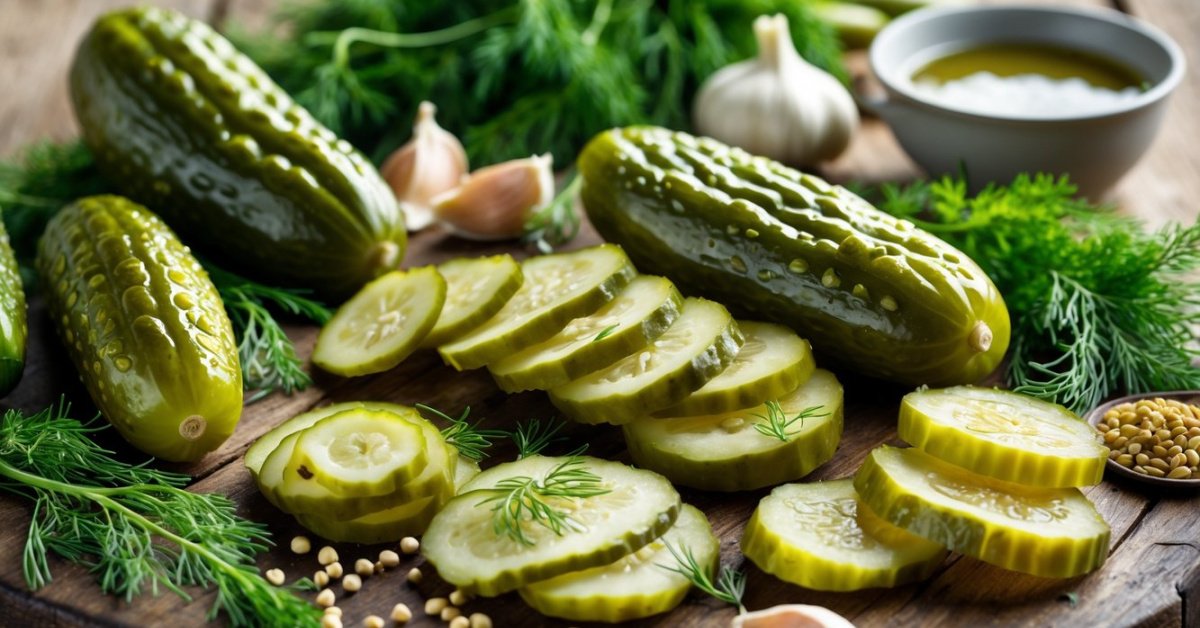
Whenever I want to add a pop of flavor and crunch to my meals I reach for pickled radishes with dill and mustard seeds. There’s something irresistible about their tangy bite and the way they brighten up everything from salads to sandwiches. Plus they’re so easy to make at home that I never feel like settling for store-bought.
I love how the fresh dill and mustard seeds bring out the peppery notes of the radishes. The colors alone make any dish look more inviting. If you’ve never tried making your own pickles this recipe is a simple and satisfying place to start.
What Makes Pickled Radishes with Dill and Mustard Seeds Unique
Pickled radishes with dill and mustard seeds stand out for their distinctive flavor blend, striking color, and versatility. I find these core characteristics set them apart from other homemade pickles.
- Complex Flavor Layers: The combination of fresh dill and whole mustard seeds delivers sharp herbal and mildly spicy notes. I notice the vinegar accentuates the radishes’ natural pepperiness while mustard seeds add subtle heat and texture. This interplay gives each bite depth not found in plain pickled radishes.
- Vibrant Visual Appeal: Red radishes keep their crisp texture and release a bright pink hue into the brine. I see this color pop against the flecks of green dill and whole mustard seeds, making these pickles instantly attractive on any plate.
- Fast Pickling Process: Thin-sliced radishes quickly absorb brine flavors. I often prepare them as a quick pickle, which means they reach peak flavor within hours, not days, offering a way to enjoy fresh garden produce almost immediately.
- Long Shelf Life without Canning: These pickles keep well in the refrigerator for 2–4 weeks. I don’t process them in a water bath, so they’re straightforward for anyone exploring new fermentation and pickling projects.
- Culinary Versatility: I frequently use pickled radishes to elevate grain bowls, smoked fish, charcuterie boards, and burgers. Their bold taste and crunch complement savory, fatty, or rich dishes, creating balanced and interesting flavors.
- Sustainability and Garden-to-Jar Practice: Homegrown radishes, dill, and mustard seeds provide a direct connection between garden and pantry. I’ve made pickled radishes using only ingredients I’ve grown, reinforcing my commitment to self-sustaining food traditions.
Each jar of pickled radishes with dill and mustard seeds embodies my favorite principles in pickling—taste, color, efficiency, and sustainability—while demonstrating how layering simple garden ingredients creates a truly unique product.
Flavor Profile and Texture
Pickled radishes with dill and mustard seeds offer a bright flavor and a crisp bite. I find this combination yields a layered sensory experience that stands apart from simpler pickles.
Tanginess and Spice
Tanginess defines the first note of these pickled radishes. I create this by soaking sliced radishes in vinegar, which imparts a clean acidity. Mustard seeds supply warmth and mild piquancy; these small seeds gently intensify as the pickles age. Fresh dill threads herbal sharpness throughout, rising behind the mustard’s spice. When combined, these elements produce a balanced profile—bright, sharp, and slightly peppery—with the vinegar and mustard seeds harmonizing over time.
Crunch and Freshness
Crunch and freshness set these pickled radishes apart from other pickled vegetables. I slice the radishes just before pickling to preserve cellular structure and maximize snap. Quick refrigeration pickling helps maintain firmness and ensures each bite stays crisp for weeks. Fresh dill not only lifts the flavor but reinforces the garden-fresh quality; I always use just-harvested stems for maximum aroma. The brine locks in moisture, so the interior stays juicy instead of softening or turning mushy. This approach gives my pickled radishes lasting texture, color, and vibrance when served on salads, sandwiches, or directly from the jar.
Recipe Overview
I keep this quick-pickled radish recipe at the core of my self-sustaining gardening and pickling practice. Layered with dill and mustard seeds, these pickles capture garden-fresh flavor in an easy, reliable process.
Essential Ingredients
- Radishes (8–10 medium): I slice mine fresh from the garden for maximum crunch.
- White vinegar (1 cup): This base provides essential tang and preserves the radishes.
- Water (1 cup): I mix it to mellow the acidity.
- Kosher salt (1 tablespoon): This draws out moisture, keeping each slice crisp.
- Granulated sugar (2 teaspoons): I add it to balance the sharpness of the brine.
- Mustard seeds (1 teaspoon): These deliver subtle spice and textural pop.
- Fresh dill (3–4 sprigs): I use whole sprigs for both aroma and color.
- Garlic (1 clove, sliced): I like the savory, aromatic depth it brings.
Step-by-Step Preparation
- I pack clean, sliced radishes into a sterilized pint jar, layering with dill, garlic, and mustard seeds.
- I bring vinegar, water, salt, and sugar to a boil in a small saucepan, stirring to dissolve.
- I pour the hot brine directly over the radishes, fully submerging them.
- I seal the jar and let it cool to room temperature before refrigerating.
- I start sampling after 8 hours for a mild pickle or up to 48 hours for bolder flavor.
Each batch locks in the crisp bite and tangy notes that define great homemade pickles, ready for weeks in the fridge.
Serving Suggestions
I serve pickled radishes with dill and mustard seeds at nearly every meal, since their crisp acidity brightens so many dishes and enhances the garden-to-table experience. These pickles bring out fresh flavors when paired thoughtfully and store beautifully for weeks, letting me enjoy homegrown produce long after harvest.
Pairings and Dishes
- Salads: I toss pickled radishes into green salads, grain bowls, or slaws to add bright color and crunch. Chickpea salad, tabbouleh, and kale slaw stand out with a handful of these pickles.
- Sandwiches: I layer pickled radish slices onto sandwiches, burgers, and wraps. Examples include roasted turkey sandwiches, veggie bagels, or grilled cheese.
- Cheese Boards: I add pickled radishes to cheese and charcuterie boards. Aged cheddar, goat cheese, and cured meats benefit from the sharp, tangy notes.
- Tacos and Bowls: I top tacos, rice bowls, and stir-fried noodles with pickled radishes. Fish tacos, pork carnitas, or sesame tofu bowls all gain extra flavor from the pickling brine.
- Garnishes: I use julienned radish pickles as colorful garnishes for deviled eggs, potato salad, or roasted root veggies.
Storage Tips
I keep pickled radishes sealed in glass jars in the refrigerator to maintain their crunch and color. They last 2–4 weeks chilled, with the dill and mustard seeds preserving flavor over time. I store opened jars away from strong-smelling foods to avoid off-flavors. Small batches help me track freshness and rotate jars from the back of the fridge forward, so every bite tastes garden-fresh.
Health Benefits of Pickled Radishes
Pickled radishes with dill and mustard seeds provide a source of probiotics if prepared with natural fermentation. Beneficial bacteria, such as Lactobacillus species, multiply during fermentation, supporting digestive health and helping maintain gut balance, as documented by the Cleveland Clinic.
Pickled radishes retain key nutrients, including vitamin C, potassium, and folate, examples of which contribute to immune function and cell health, according to USDA nutrient data. Acidic pickling preserves these vitamins longer than raw storage.
Brine packed with mustard seeds and dill supplies antioxidants and anti-inflammatory compounds. Mustard seeds contain selenium and glucosinolates, studied for their potential support of heart and metabolic health, as shown in findings from the NIH.
Fresh radishes used in quick pickling supply fiber, which supports satiety and regular digestion. One 100g serving of raw radish contains 1.6g fiber, per USDA records, and this fiber remains after pickling.
Pickled radishes act as a flavorful way to cut sodium and sugar from other condiments. I often use them in place of commercial relishes or sauces, supporting healthier eating habits.
Pickles, made with my garden produce and stored cleanly, avoid unnecessary additives or preservatives, unlike most store-bought versions. Homemade recipes keep ingredients pure and traceable, fitting my goal of a self-sustaining pantry.
Pros and Cons of This Pickle Recipe
Pros
- Fast Preparation and Enjoyment
I produce ready-to-eat pickled radishes in as little as 8 hours, achieving ideal crunch and tang quickly compared to fermented varieties.
- Simple Ingredients and Process
I use accessible, garden-fresh ingredients—radishes, dill, and mustard seeds—and a basic brine, skipping complex steps and equipment.
- Distinct Flavor and Visual Appeal
I create pickled radishes with a layered flavor profile—tangy from vinegar, aromatic from dill, and spicy from mustard seeds—that pair with vibrant pink hues for eye-catching presentation.
- Long Shelf Life for a Quick Pickle
I store these refrigerator pickles for 2–4 weeks without losing crunch or color, providing a dependable supply for sandwiches, salads, or boards.
- Nutrient-Rich and Preservative-Free
I pack each batch with vitamin C, folate, antioxidants, and fiber, offering a healthful, natural alternative to store-bought condiments.
- Supports Self-Sustaining Lifestyles
I maximize garden harvests and minimize waste by pickling excess radishes, reinforcing my commitment to growing, preserving, and eating homegrown food.
Cons
- Limited Shelf Life Compared to Canned Pickles
I keep these pickles cool to preserve freshness, but they last 2–4 weeks, whereas properly canned pickles may last 6–12 months.
- Requires Refrigerator Storage
I store jars only in the fridge since this recipe doesn’t use canning methods, so space constraints may be an issue for large harvests.
- Less Complex Flavor Than Fermented Pickles
I taste bright, immediate flavors in these pickles; if I’m after the deep, funky tang of a months-long natural fermentation, this quick-pickle may not fully satisfy.
- Salt and Sugar for Brine Stability
I rely on measured amounts of salt and sugar for both flavor and preservation; if strict low-sodium or sugar-free diets are required, this recipe may need modifications.
- Texture Depends on Slicing and Handling
I achieve crisp results when slicing just before pickling, but using older or pre-sliced radishes may lead to a softer texture or diminished visual appeal.
Conclusion
Making pickled radishes with dill and mustard seeds has become one of my favorite kitchen rituals. There’s something so satisfying about transforming simple garden ingredients into a jar full of vibrant flavor and crunch.
I love how these pickles brighten up everything from quick lunches to special gatherings. They’re easy to make and easy to share and always spark conversation at the table. If you haven’t tried making your own yet I hope you’ll give it a go and discover just how rewarding homemade pickles can be.