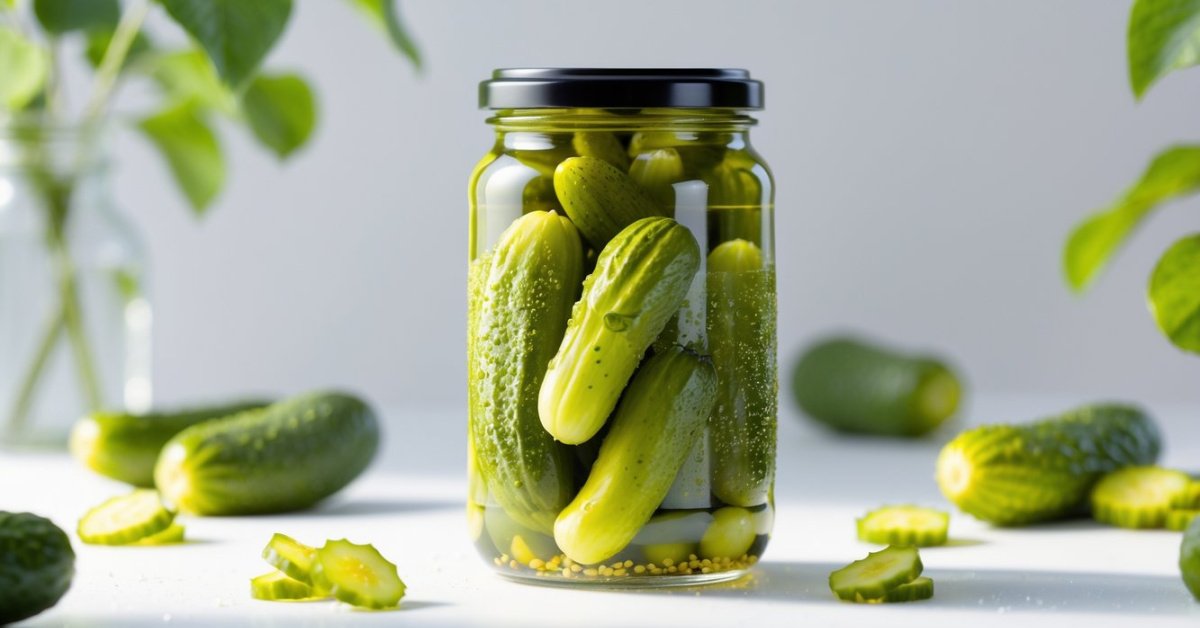
Whenever I think of a perfect banh mi, I can’t help but crave that signature crunch and tang from pickled carrots and daikon. These vibrant veggies don’t just add color—they bring the whole sandwich to life with their sweet and sour bite. For me, it’s the pickles that turn a good banh mi into something unforgettable.
Making Vietnamese pickled carrots and daikon at home is simpler than it seems. With just a few ingredients and a bit of patience, I get a jar full of crisp, flavorful pickles ready to brighten up any meal. If you love banh mi as much as I do, you’ll want to keep these pickles on hand for a fresh burst of flavor anytime.
What Are Vietnamese Pickled Carrots And Daikon for Banh Mi?
Vietnamese pickled carrots and daikon, called “đồ chua,” blend julienned carrots and daikon radish in a sweet-sour brine. I use a 2:1 ratio of daikon to carrot, keeping texture consistent and color balanced. Vinegar, sugar, salt, and water create the classic brine, with rice vinegar giving the most authentic flavor.
I slice carrots and daikon into thin matchsticks for maximum surface area, allowing the brine to infuse every bite. Quick-pickling methods yield crisp, vibrant vegetables in under 1 hour, though I prefer letting jars sit overnight for deeper tang. These pickles stay crisp and flavorful for up to 3 weeks if kept refrigerated and covered by brine.
Consistent slicing and a well-balanced brine make these pickles a staple in banh mi. Vietnamese pickled carrots and daikon cut through fatty pork belly, rich mayonnaise, and savory pâté, adding brightness and crunch to every layer of the sandwich.
Their popularity extends beyond banh mi; I add them to noodle salads, rice bowls, and grilled meats for a refreshing bite. Gardeners and home picklers often grow daikon and carrots specifically to enjoy these quick, versatile pickles year-round.
Key Ingredients And Flavor Profile
Pickled carrots and daikon bring bright, tangy crunch to banh mi while balancing richer sandwich elements. I always focus on how their sweet and tart notes create contrast and highlight freshness.
Essential Vegetables: Carrots And Daikon
Carrots and daikon give Vietnamese pickles their signature bite and color. I select daikon for its mild sharpness and juicy texture; classic white Japanese or Korean varieties work best. Carrots provide sweetness and vibrant orange hues—I prefer firm, freshly harvested carrots from my garden. Slicing both into thin matchsticks ensures fast, even pickling and maximum brine absorption.
Typical Pickling Brine Components
A Vietnamese-style pickling brine combines essential pantry ingredients to deliver flavor balance. I mix unseasoned rice vinegar with granulated sugar and fine salt in water for a clean, gentle sourness that doesn’t overpower the vegetables. Rice vinegar stays my favorite—its subtle acidity keeps the pickles crisp without masking their natural flavors. I adjust sugar to reach the light sweetness that makes these pickles distinct. Occasionally, I add a few peppercorns or chili slices to deepen the finish and add gentle heat, though traditional recipes stay simple and let the vegetables shine.
Preparation Process And Techniques
Mastering Vietnamese pickled carrots and daikon for banh mi means refining every step, from slicing to brining. I rely on careful prep and time-tested methods that preserve both texture and flavor.
Slicing And Salting The Vegetables
Slicing carrots and daikon into thin matchsticks creates more surface area for the brine to penetrate. I use a sharp chef’s knife or mandoline, aiming for strips about 1/8-inch thick and 3 inches long. Salting comes next: I toss the matchsticks with 1.5 tablespoons of fine salt per pound of vegetables, then let them rest for at least 20 minutes. This process draws out moisture, firms up texture, and helps maintain that signature crunch. After rinsing off the salt, I squeeze out excess liquid before pickling.
Creating The Pickling Brine
Creating a balanced brine determines the final taste. I whisk together unseasoned rice vinegar, filtered water, granulated sugar, and a pinch of salt—typically using two parts vinegar to one part water, with about 5 tablespoons sugar and 2 teaspoons salt per 2 cups of liquid. For 500 grams of sliced vegetables, I prepare around 1.5 cups of this brine. I sometimes stir in whole black peppercorns or slices of fresh chili for extra dimension. The brine goes into a clean jar packed with vegetables, ensuring everything stays submerged for even pickling.
Tips For The Perfect Crunch
Retaining a crisp bite is all about process control. Quick-pickling at room temperature for 30–60 minutes gives immediate flavor, but I prefer refrigerating mine overnight for optimal texture and tang. I avoid over-soaking, which softens the vegetables, and always use glass jars to prevent any unwanted flavor transfer. Using freshly pulled carrots and daikon from my own garden or farmer’s market yields the best results—firmness and juiciness matter most to mouthfeel and longevity. Successful batch after batch, I rely on these core techniques for consistent, crunchy, and flavorful pickles.
Taste Test: How Vietnamese Pickled Carrots And Daikon Enhance Banh Mi
Banh mi layers flavors and textures, and Vietnamese pickled carrots and daikon, or đồ chua, transform the experience with their complex bite. I’ve tested countless combinations, and these pickles always deliver a bright, craveable contrast in every sandwich.
Texture And Freshness Factor
Crunch defines Vietnamese pickled carrots and daikon in banh mi. I slice my carrots and daikon into fine matchsticks, so they absorb brine quickly and retain their toothsome snap. Freshly harvested roots hold more moisture and crispness, which keeps them lively for weeks. Garden-grown daikon and carrots—pulled on the day of pickling—bring a vibrant texture most store-bought pickles just can’t match. With each bite, that unmistakable crunch refreshes the palate and lifts the sandwich from heavy to harmonious.
Balancing Sweet, Sour, And Savory Flavors
Balanced flavor profiles elevate Vietnamese pickled carrots and daikon above simple garnish status in banh mi. My pickling brine—precisely mixed with a 2:1 ratio of rice vinegar to water, along with equal parts sugar and salt—creates a gentle sweet-sour tang. Once nestled in the sandwich with pork belly, pâté, and mayonnaise, these pickles cut through the richness and bring out hidden notes in the meats. The briny tang marries with banh mi’s umami and herbal bursts, creating a dynamic bite each time. If I add peppercorns or chili, the pickles develop subtle heat, making the flavor interplay even more vivid.
Serving Suggestions And Storage Tips
Vietnamese pickled carrots and daikon brighten a classic banh mi, yet their crisp tang suits many plates. I use their zesty sweetness to transform everyday meals and keep my pantry stocked with their crunch.
Pairings Beyond Banh Mi
I serve these pickles with grilled meats, such as lemongrass chicken or pork skewers, to add acidity and a clean finish. I toss them into noodle salads—like bun thit nuong—for extra crunch and a hint of brightness. I layer them on rice bowls, especially with fried tofu or braised beef, where their sweet-sour bite contrasts fatty or savory elements. I include them on charcuterie boards beside cheeses and cured meats, where their sharpness cuts through richness. I add them to lettuce wraps and summer rolls for an immediate lift in both flavor and color.
Storing For Maximum Freshness
I pack cooled pickled carrots and daikon tightly into sterilized glass jars to keep them crisp. I always use a clean utensil to avoid contamination. I refrigerate the jars immediately—at 34–39°F (1–4°C). I find the optimal flavor and texture last up to three weeks, though I always check for cloudiness or off-odors as I get close to the third week. If brine clouds, pickles soften, or any mold appears, I compost the batch. I never freeze these pickles, as freezing softens their crunch. I keep jars out of sunlight to protect color and flavor, storing them at the back of my fridge for best results.
Conclusion
Every time I make a fresh batch of pickled carrots and daikon my kitchen fills with anticipation for the meals ahead. These crisp tangy veggies bring so much joy to my banh mi and countless other dishes. If you’ve never tried making them at home I hope you’ll give it a shot—there’s something so satisfying about having a jar ready to brighten any meal. Happy pickling!