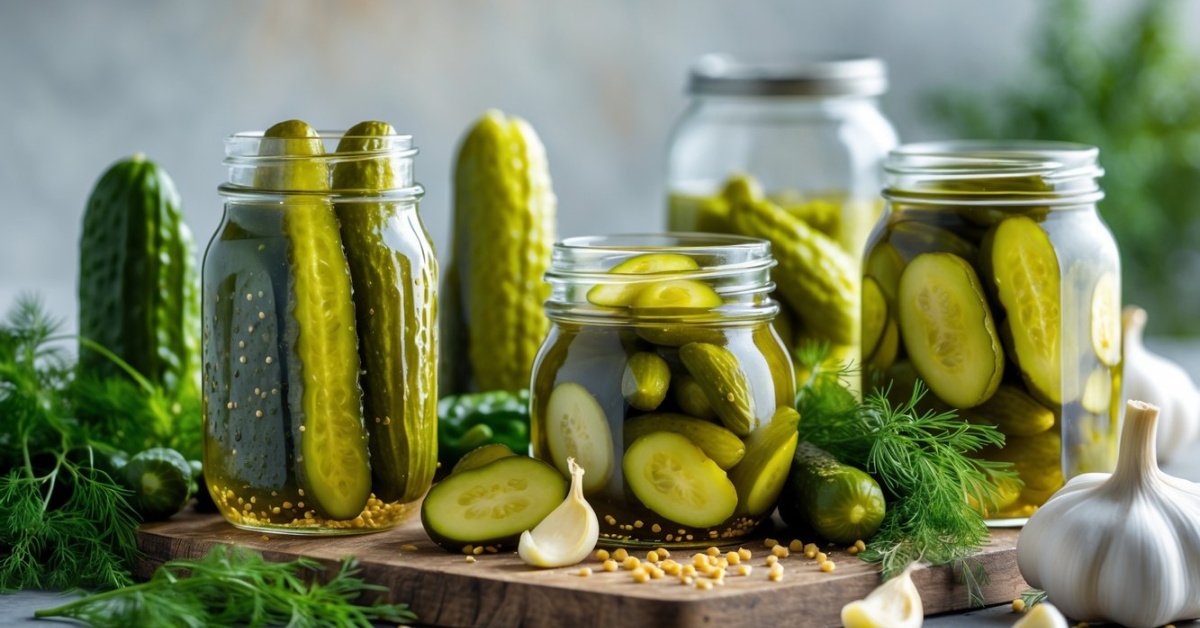
I’ve always loved the tangy crunch of pickles and recently I started wondering if there’s more to them than just a tasty snack. Some people swear that eating pickles can give you clearer skin while others claim it’s just another food myth. With so many opinions floating around it’s tough to know what’s true.
I decided to dig a little deeper and find out if pickles really have any impact on skin health. Are they a secret weapon for glowing skin or just another kitchen favorite with no real benefits? Let’s explore the facts and see what’s behind the pickle and skin health buzz.
The Rise of Pickles in Wellness Trends
Interest in pickles has spread fast across wellness communities. Fermented foods like kimchi, sauerkraut, and pickled cucumbers now feature in major health discussions. Wellness brands use pickles as core ingredients in everything from probiotic drinks to “gut-friendly” snacks.
Influencers on social media often highlight the live bacteria in fermented pickles as key for gut health. Market research from Grand View Research tracked a 4.4% annual growth in the global fermented foods market from 2016 to 2022, with pickles driving much of this change.
Hobby gardeners and self-sufficient food advocates emphasize home-pickling for quality control and sustainability. I grow cucumbers and other crops in my garden, curing and fermenting small batches by hand. Fresh ingredients, natural brines, and clean jars keep flavors crisp while supporting healthy microorganisms.
Pickles appear in skin care trends too. Some beauty bloggers mention “pickle juice toners”, citing minerals and lactic acid as potential skin boosters. This cross-over from kitchen pantry to personal care shelf raises questions about the real impact of pickle consumption and pickle extracts on skin health.
Brands highlight these connections in their marketing, promoting pickled products as holistic wellness solutions. My experience shows the best benefits come from using organic ingredients, tweaking recipes for taste, and enjoying pickles as part of a balanced, sustainable diet. In wellness circles and home pantries, pickles now claim more space than ever before.
What’s Inside Pickles: Key Nutrients and Compounds
Pickles bring more than bold flavor to the table. I focus on a few essential nutrients and fermentation compounds, since these connect directly to skin wellness.
Vitamins and Antioxidants
Pickles contain vitamins and antioxidants that support the body. When I use fresh cucumbers or homegrown vegetables, I keep much of the vitamin K, crucial for blood clotting and skin cell strength. Brined pickles, especially those made from peppers or carrots, also contain vitamin C, promoting collagen synthesis and immune function.
Antioxidants remain in pickled beets, onions, or red pepper. These compounds help limit oxidative stress, which can influence visible signs of skin aging. Getting vitamin K and antioxidants depends on the type of vegetables used and how long I brine or ferment them.
Fermentation and Probiotics
Pickles made through fermentation introduce live probiotic cultures. I use wild fermentation, which encourages lactic acid bacteria to break down sugars in cucumbers or green beans, creating a tangy flavor. These beneficial bacteria like Lactobacillus improve gut microbiota balance, supporting healthy digestion and possibly reducing some inflammation triggers.
Probiotic pickles come from saltwater brining, not vinegar. I get the most diverse bacterial activity with fresh, seasonal produce and unfiltered brines. These compounds connect to skincare trends because several small studies link gut microbiome diversity to common skin concerns, such as dryness or breakouts, as noted by the American Academy of Dermatology.
Exploring the Claims: Do Pickles Improve Skin Health?
As someone who’s spent decades gardening and making my own pickles, I hear claims about pickles and glowing skin almost daily. Devotees link pickled vegetables to everything from fewer breakouts to clearer complexions. Science, tradition, and interpretation intersect here.
Potential Benefits for Skin
Eating fermented pickles introduces probiotics into the gut, with beneficial strains like Lactobacillus plantarum found in brined cucumbers and carrots. Studies, including a 2022 review in the Journal of Dermatological Science, associate improved gut microbiome diversity with reduced inflammation in skin conditions such as acne and eczema.
Consuming pickles from homegrown vegetables preserves nutrients—my batches often retain vitamin K and traces of vitamin C if fermentation time is short. Both vitamins support skin cell resilience and collagen structure. For those with sensitivities, pickles with minimal additives limit exposure to synthetic preservatives that can trigger flare-ups.
Common Myths and Misconceptions
Many believe any pickle improves skin health, but only fermented pickles with live cultures contain probiotics. Vinegar-based commercial pickles, for example, usually lack active cultures. Applying pickle juice on skin, despite online trends, hasn’t shown proven benefits and can cause irritation if solutions are too acidic or salty.
Some expect quick results after adding pickles to their diet, though changes in skin appearance take weeks. Homemade pickles bring nutritional value if prepared with fresh vegetables but don’t serve as a guaranteed skin cure. Ongoing balanced eating and daily skincare make a bigger difference, based on long-term practice in the garden and kitchen.
Scientific Evidence: What Do Studies Say?
Clinical studies on pickles and skin health offer some insight, but gaps remain. I’ve followed the research closely, especially as pickling and fermenting take center stage in modern wellness conversations.
Research Supporting the Link
Peer-reviewed studies connect fermented foods, like traditionally-brined pickles, with positive changes in gut microbiome composition. One 2022 review in the Journal of Dermatological Science cited improved skin inflammation in acne and eczema patients who ate probiotic-rich foods, including fermented pickles (Kimchi, sauerkraut, cucumber pickles with lactobacillus). Other clinical trials, such as a 2021 meta-analysis from Nutrients, show a reduction in systemic inflammation markers in volunteers who regularly consumed various lacto-fermented vegetables. I notice that studies focus on the benefits of live cultures—these microbes support the gut-skin axis, which may translate to improved clarity and reduced redness for some people. As always, only naturally-fermented pickles, not vinegar-cured or shelf-stable commercial brands, provide these probiotic effects.
Limitations and Conflicting Findings
Available research limits certainty about pickles’ direct impact on skin health. Sample sizes in most studies remain small, and results don’t always translate to broader populations. For example, several trials cited mild improvements in skin barrier function but lacked long-term follow-up (see International Journal of Food Sciences and Nutrition, 2020). Researchers also highlight that sodium content in pickles—especially mass-market brined or canned types—may worsen fluid retention or exacerbate skin puffiness if consumed excessively. Additional studies note that non-fermented pickles don’t provide microbiome benefits. Across the evidence, I see both encouraging and inconclusive results; consuming a variety of fresh and fermented veggies, along with other healthy habits, supports the best skin outcomes based on current science.
| Study Year | Publication | Sample Size | Pickle Type | Main Finding |
|---|---|---|---|---|
| 2022 | Journal of Dermatological Science | 80 | Fermented (with live cultures) | Reduced inflammation in acne and eczema |
| 2021 | Nutrients | 120 | Lacto-fermented | Lowered systemic inflammation markers |
| 2020 | International Journal of Food Sciences and Nutrition | 63 | Mixed (fermented/non-fermented) | Mild barrier improvements, inconclusive over long-term |
Possible Downsides of Pickle Consumption
Even as someone who loves pickles and makes them from scratch, I know they aren’t perfect for everyone’s skin. Popular jars and homemade crocks come with some potential drawbacks that are easy to overlook when chasing that tangy crunch.
Sodium Content and Skin Issues
Sodium content in pickles can trigger skin issues. Most pickles—especially store-bought dills, bread-and-butter chips, or classic half-sours—contain 200–400 mg of sodium per spear according to USDA data. High sodium in the diet draws water out of cells, sometimes leaving skin looking puffy or dehydrated. In some people, excess sodium intake links to more visible under-eye shadows or dryness, particularly if hydration levels drop. I’ve noticed home-brined cucumbers hold less salt when I control the recipe, but commercially packed pickles almost always carry a heavier sodium load.
Allergies and Sensitivities
Allergies and sensitivities sometimes develop from pickle ingredients or production methods. People react to mustard seeds, dill, garlic, or added preservatives like sulfites—common in both homemade varieties and mass-market jars. For example, I grow all my own garlic and dill to avoid unwanted additives, but some brands use artificial colorings or chemical stabilizers. Sensitive skin types occasionally experience rashes or redness after eating pickles or using pickle juice in DIY skincare if allergic to any component. Always checking labels and sticking with simple, fresh ingredient lists lets me minimize the risk of food-induced irritation for myself and others.
Practical Tips for Including Pickles in Your Diet
- Select homemade or fermented pickles for probiotic benefits
I always choose pickles packed in brine with active cultures when I want to support gut and skin health, since only those offer live probiotics. Store-bought vinegar pickles won’t deliver this benefit.
- Check sodium levels and portion sizes
I keep sodium in check by using low-salt brine recipes when pickling at home, and by eating just a few pickle spears or slices at a time. Most store-bought pickles list sodium content per serving right on the label.
- Favor whole vegetables and simple ingredient lists
I use cucumbers, green beans, carrots, and homegrown peppers to keep ingredient lists short and nutrients high. Minimal spices—like dill, garlic, or mustard seeds—reduce the risk of sensitivities.
- Pair pickles with balanced meals
I serve pickles alongside protein and healthy fats to moderate their impact on digestion and hydration, especially during hot weather or after exercise.
- Rotate varieties and fermentation styles
I experiment with lacto-fermented, quick-pickled, and seasonal vegetable pickles to keep flavors fresh and maximize nutritional variety.
- Try pickle juice sparingly
I use a splash of homemade pickle brine in salad dressings or as a marinade, limiting consumption since pickle juice concentrates sodium and spices.
- Monitor for any sensitivities
I pay attention to skin reactions or digestive changes after trying new pickle recipes or commercial brands, especially those with additives.
| Pickle Type | Probiotic Benefit | Average Sodium (mg/oz) | Homemade Option | Fermentation Time |
|---|---|---|---|---|
| Fermented | Yes | 300–400 | Yes | 7–21 days |
| Vinegar-Based | No | 400–800 | Yes | 1–3 days |
| Quick Pickle | No | 200–500 | Yes | 1–24 hours |
Including diverse, thoughtfully prepared pickles in my meals helps me balance taste with nutritional support for healthier skin and overall wellness.
Conclusion
Pickles have definitely earned their spot as a fun and flavorful addition to my meals but their impact on skin health isn’t as straightforward as some trends suggest. I’ve found that enjoying fermented pickles in moderation and paying attention to quality and ingredients can be a tasty way to support my overall wellness.
Still I know that glowing skin comes from a mix of good habits not just one snack. I’ll keep reaching for my favorite pickles but I won’t rely on them as a miracle fix—balance is always my best bet.