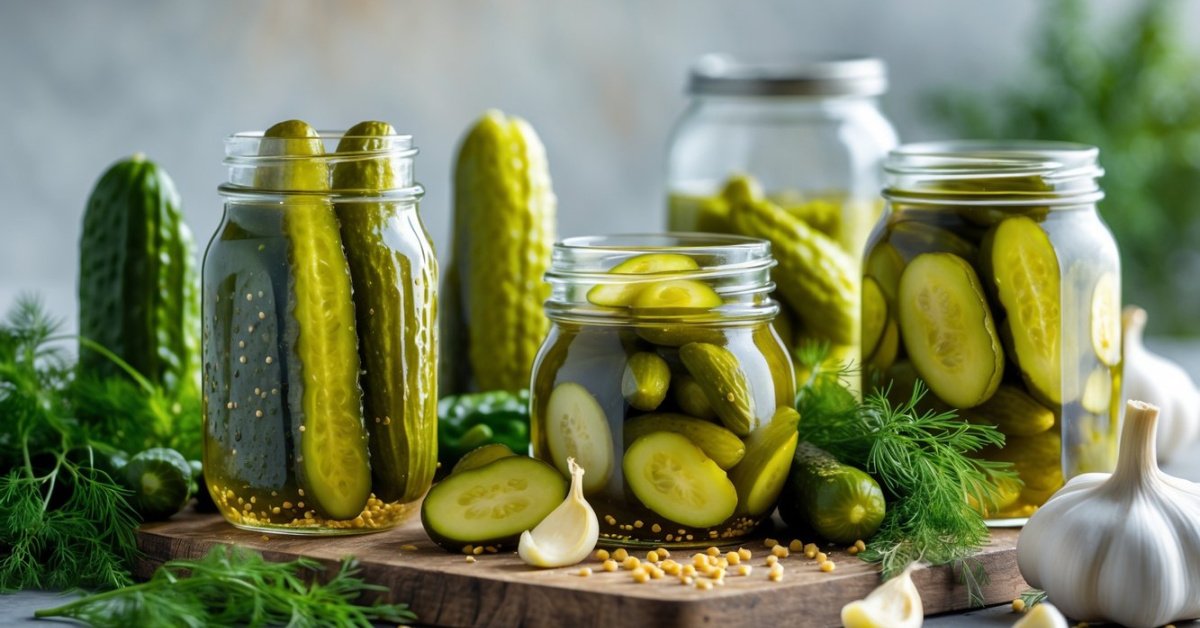
After a long night out, nothing feels worse than waking up to a pounding headache and that unmistakable hangover haze. I’ve tried all sorts of remedies over the years, from greasy breakfasts to endless cups of coffee, but one cure keeps popping up in conversations—pickle juice.
It might sound strange, but plenty of people swear by this briny drink as the ultimate hangover fix. I’ll admit I was skeptical at first, but curiosity got the better of me. Is there really something magical about that leftover liquid in the pickle jar, or is it just another hangover myth? Let’s dive in and see what the buzz is all about.
What Causes Hangovers?
Alcohol triggers hangovers by disrupting my body’s natural balance. Dehydration happens when alcohol increases urine output, leading to fluid loss—especially noticeable after enjoying drinks with friends. Electrolyte imbalances occur because drinking flushes out vital minerals like sodium and potassium that I always try to replenish with pickled foods. Acetaldehyde, a toxic byproduct of alcohol breakdown, accumulates faster than my liver can process, causing symptoms like headache and nausea. Sleep disturbances set in since alcohol interferes with my REM sleep cycles, leaving me tired even after a full night’s rest. Immune response changes, inflammation, and blood sugar drops also contribute to the rough feeling that follows overindulgence.
The Science Behind Pickle Juice
Pickle juice draws attention because it’s packed with electrolytes and vinegar that interact directly with the body’s systems impacted by alcohol. I’ve seen the way traditional pickle brine can address specific aftereffects of a night out, using garden-grown ingredients and classic preservation methods.
Key Ingredients in Pickle Juice
Sodium
Pickle juice derives its saltiness from sodium chloride. I always measure my salt carefully since sodium maintains fluid balance in the body, which supports hydration after dehydration from alcohol.
Potassium
Freshly harvested cucumbers and other vegetables contribute potassium to the brine. I monitor this electrolyte in my recipes because potassium works with sodium to restore lost minerals and help muscle function.
Vinegar
I use distilled white vinegar or apple cider vinegar for most batches. Acetic acid in vinegar prompts the stomach to empty slower, possibly calming nausea.
Antioxidants
Pickle brine, especially from pickles fermented with garlic, dill, and spices, contains antioxidants. I add garden herbs and spices to increase antioxidants, including flavonoids that might reduce inflammation.
How Pickle Juice May Help With Hangovers
Pickle juice supplies sodium and potassium, which directly replenish electrolytes commonly lost during alcohol consumption. My homemade pickles leach these minerals into their brine, making even a few ounces of juice potent in effect.
Vinegar in the brine may help regulate blood sugar, a benefit since alcohol can cause glucose drops. I find vinegar also supports stomach comfort, which many report helps with the nausea typical in hangovers.
Antioxidants within my spice blends, such as dill seed, garlic, or mustard seed, may help counteract the oxidative stress caused by alcohol metabolism. Combining plants from my garden with traditional fermentation, I enhance each batch’s supportive profile, using whole-food ingredients instead of artificial additives.
Reviewing the Evidence: Does Pickle Juice Work?
I’ve spent decades perfecting brines and fermenting pickles, so I always look closely at claims about pickle juice’s impact on hangovers. Many people swear by sipping brine after a night of drinking, but scientific evidence stays mixed.
Studies and Expert Opinions
Researchers haven’t confirmed a direct link between pickle juice and hangover relief. A 2010 study from the Journal of Athletic Training found pickle juice didn’t speed up electrolyte replacement any faster than water for athletes. Experts from the Mayo Clinic and Cleveland Clinic agree: most hangover symptoms come from dehydration, and while pickle juice offers sodium and potassium, water alone often provides similar effects. Nutritionists point to the placebo effect when brined remedies seem to work. Although research on post-alcohol recovery stays limited, Dr. Robert Swift of Brown University notes that remedies with electrolytes, like pickle juice, may support minor symptoms but don’t address alcohol’s toxic byproducts.
Potential Benefits and Limitations
Pickle juice contains sodium, potassium, and vinegar, all of which play roles in hydration and electrolyte replenishment. When I craft my brines, I create solutions high in sodium—often 800–1,200 mg per cup—and trace amounts of potassium from garlic, dill, and mustard seeds. These elements support fluid balance, but the concentrations in brine rarely match those in dedicated sports drinks. Pickle juice may calm nausea through vinegar’s acidic pH, but no studies confirm this in the context of hangovers. Limitations remain: excessive sodium content could worsen dehydration in some people, and high acidity might irritate sensitive stomachs. My experience and research show pickle juice may provide temporary relief for mild symptoms, but it’s not a replacement for proper hydration, rest, and nutrition.
How to Use Pickle Juice for a Hangover
Using pickle juice for hangover relief focuses on timing and moderation. I blend my experience as a pickler and gardener to maximize potential benefits without causing discomfort.
Dosage and Timing
I drink 2 to 3 ounces of pickle juice slowly, ideally right after waking with hangover symptoms. Splitting the intake into two smaller sips 10-15 minutes apart prevents overwhelming my stomach. If symptoms persist, I wait at least two hours before drinking another ounce. Cold pickle juice calms nausea faster for most people, so I always chill mine.
Precautions and Side Effects
I only use brine from natural, fermented pickles—never from products with added colors, preservatives, or artificial flavors. Most store-bought brine contains high sodium; people with hypertension or kidney issues should avoid excess intake. Acidic vinegar might trigger acid reflux or worsen existing heartburn in sensitive people. Rarely, too much pickle juice causes bloating or cramping. If symptoms intensify, I stop using pickle juice altogether and return to water, rest, and fresh produce from my garden.
Alternatives to Pickle Juice for Hangover Relief
Electrolyte drinks offer convenient hangover relief. Commercial options like Pedialyte, Gatorade, or homemade mixes (water, honey, a pinch of salt, and lemon) replenish both sodium and potassium. These drinks help restore fluid balance lost after alcohol intake.
Coconut water delivers natural electrolytes. With higher potassium than pickle juice and minimal sodium, coconut water (fresh or bottled) supports rehydration while also being gentler on sensitive stomachs.
Broths and soups, including homemade vegetable or bone broth, supply salt, water, and micronutrients. Sipping warm broth helps soothe queasy stomachs while replacing fluids and electrolytes.
Fruits rich in water and potassium—like bananas, watermelon, or oranges—support hydration and electrolyte replacement. Bananas work well for potassium and easy digestion, while watermelon provides hydration and natural sugars.
Ginger tea calms nausea linked to hangovers. Fresh ginger, steeped in hot water, can settle the gut and reduce upset stomach, making it a staple in many traditional remedies.
Water remains the most critical alternative. Consuming generous amounts of plain water between and after alcoholic drinks helps the body flush toxins, easing headaches and fatigue.
Below is a table comparing common hangover remedies for electrolytes and hydration:
| Remedy | Key Electrolytes | Advantages | Contraindications |
|---|---|---|---|
| Pickle Juice | Sodium, some potassium | Fast source, tang flavor | High sodium |
| Electrolyte Drink | Sodium, potassium | Widely available | Artificial additives |
| Coconut Water | Potassium, little sodium | Gentle, natural | Low sodium for some |
| Broth/Soup | Sodium, trace minerals | Soothes, replenishes | Varies by recipe |
| Fruits | Potassium, water | Nutrient-rich, hydrating | Sugar content |
| Ginger Tea | None | Nausea aid, calming | No electrolytes |
| Water | None | Essential hydration | None |
Experimenting with various remedies expands my understanding of what plants and pickles can nurture beyond flavor. Combining multiple hydrating foods and drinks often helps my body recover faster, especially after celebrating a bountiful garden harvest.
Conclusion
After trying pickle juice myself and digging into the science and advice from experts I’ve found it’s not a magic cure but it can be a handy tool for mild hangovers if you use it wisely. Everyone’s body responds differently so what works for one person might not work for another.
If you’re ever curious about trying pickle juice for your next hangover just remember to listen to your body and pair it with plenty of water and rest. Exploring different remedies can make recovery more manageable and maybe even a little more interesting.