
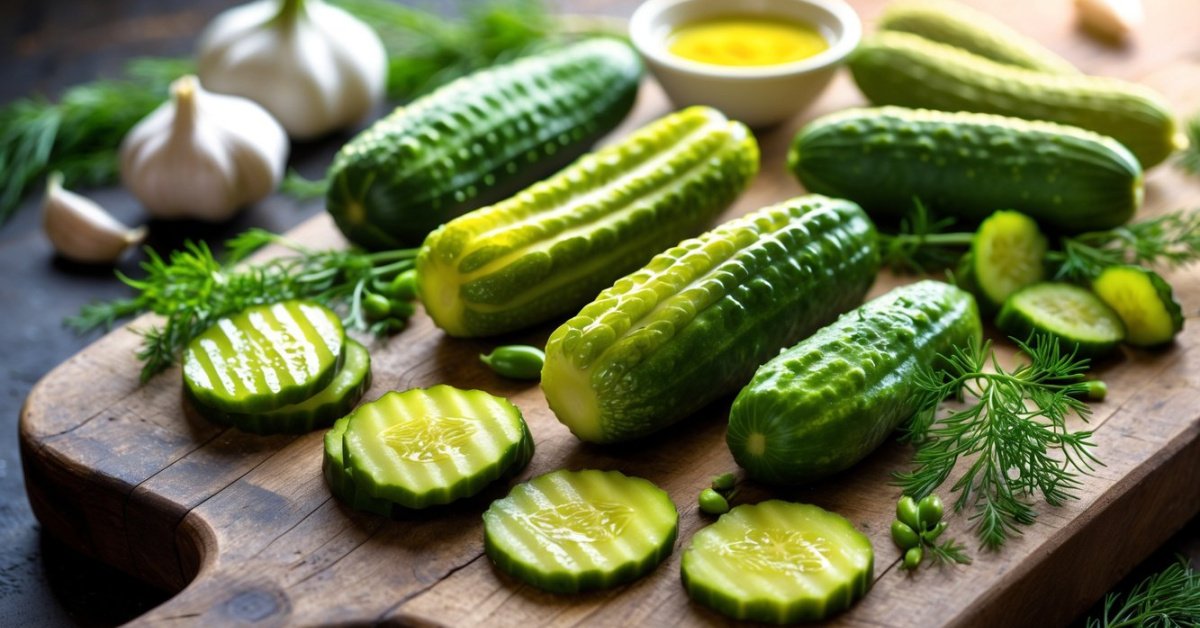
Pickles have always been a staple in my kitchen whether I’m craving something tangy or just want to jazz up a sandwich. Lately though I’ve noticed more people talking about pickles as a secret weapon for detoxing. Some swear by a daily pickle or a shot of pickle juice to flush out toxins and boost energy.
I can’t help but wonder if there’s any truth behind this trend or if it’s just another food fad. Before I start adding extra pickles to my plate in the name of health I want to dig into what science really says about their detox powers. Let’s find out if pickles are truly a detox hero or just a tasty myth.
Understanding Detox and Its Popularity
Interest in detox has surged in the last decade as more people search for ways to improve health with natural foods and home remedies. Detox typically refers to removing toxins from the body using specific foods or drinks. Most detox trends feature items like green juices, herbal teas, and fermented foods, including pickles. Claims often suggest these foods help flush out impurities from the liver and digestive tract.
Online searches for “detox” rose steadily since 2010, peaking every January, according to Google Trends. Most commercial detox products promise benefits like increased energy, clearer skin, and better digestion, though scientific consensus rarely supports their claims. I see many clients ask about detox diets, especially those that include pickles, after high-exposure times like the holidays.
People often link fermentation to detox because lactic acid bacteria, common in fermented pickles, support healthy gut microbes. Fermented foods like sauerkraut, kimchi, and traditional cucumber pickles contain these probiotics. Advocates believe a healthy gut assists the body’s natural detoxification by promoting regular digestion and reducing inflammation.
Most dietitians, however, point to the liver and kidneys as the body’s primary detox machines. According to the Academy of Nutrition and Dietetics, no specific food (including pickles) can speed up this system. This distinction matters for anyone considering pickles or pickle juice as a shortcut to detoxification.
The Science Behind Pickles
I always find that the more I learn about pickles, the more I see how tradition and science work together. Turning homegrown vegetables into pickles isn’t just about flavor—it’s packed with chemistry.
What Are Pickles?
Pickles refer to vegetables or fruits—like cucumbers, carrots, and green beans—that I preserve in a brine or vinegar solution. Fermented pickles use saltwater to promote lactic acid bacteria growth, while quick-pickled types soak in vinegar. These two main methods, fermentation and vinegar brining, change the vegetable’s texture, acidity, and nutritional value. My pickling process often combines garden harvests, salt, and natural spices, allowing beneficial microbes to thrive.
Nutritional Profile of Pickles
Pickles contain sodium, potassium, and small amounts of vitamins—as found in cucumbers, peppers, and other base veggies. Most store-bought pickles offer about 200-400 mg sodium per serving and little fat or protein. Fermented varieties add lactic acid, which supports gut bacteria populations, according to research from the American Journal of Clinical Nutrition (2017). Pickles also supply antioxidants from spices, such as dill and garlic, though the vitamin C content in cucumbers drops during processing. I always remind people that despite these nutrients, the salt content remains high compared to fresh produce.
| Pickle Type | Sodium (mg/oz) | Probiotics | Key Nutrients |
|---|---|---|---|
| Fermented Dill | 250 | Yes | Potassium, Vitamin K |
| Vinegar-Brined | 350 | No | Antioxidants, Sodium |
| Homemade Mixed | 200-400 | Can vary | Depends on base veggie |
Claims About Pickles for Detox
Claims about pickles for detox appear everywhere lately, especially thanks to growing interest in traditional foods. I see these opinions shared in gardening groups, food forums, and health social channels, with many people asking me if pickles really help cleanse the body.
Common Beliefs and Social Media Trends
People often claim pickles and their juices draw out toxins or flush out harmful substances. Social media channels fill up with viral challenges like “pickle juice detox” or “7-day pickle cleanse.” Trend followers share stories about feeling lighter, having clearer skin, or improved digestion after eating more pickles. Influencers usually highlight pickles’ ties to fermentation, a process valued by homesteaders and home gardeners for preserving garden produce and supporting gut bacteria.
Potential Health Benefits Cited
Supporters cite possible benefits from pickles, pointing to their probiotics—live cultures created during fermentation. They often connect these microbes with better digestion and regularity. Some blogs and wellness websites mention hydrating electrolytes in pickles, like sodium and potassium, as supporters of kidney function. Others say the vinegar and spices in certain recipes help balance blood sugar or aid metabolism. As an experienced pickler, I’ve also seen traditional uses, like drinking pickle brine to ease muscle cramps, mentioned in fitness and gardening communities alike.
Examining the Evidence: Do Pickles Really Detoxify?
Many claims suggest pickles or their brine can detoxify the body. I always dig deeper when a food trend crosses into the pickling world, especially when detox is involved.
Scientific Studies and Findings
Research on pickles and detoxification directly remains limited. Most studies focus on fermented foods, which include lacto-fermented pickles. I see that these contain probiotics—microorganisms like Lactobacillus plantarum—shown to support gut microbiome balance (Sanders et al., 2019). Balanced gut microbes link to better digestion and immune response. No published trials confirm that pickles or pickle juice remove toxins or speed up detoxification processes in humans. Studies on electrolytes in pickle brine, usually sodium and potassium, confirm benefits for muscle cramp relief but not for toxin excretion (Miller et al., 2010). Claims about vinegar improving metabolism rest on weak evidence drawn largely from short-term, small-scale studies.
Expert Opinions and Health Guidelines
Registered dietitians and health organizations agree that the human body naturally detoxifies through the liver, kidneys, and digestive tract (Academy of Nutrition and Dietetics, 2022). I’ve spoken with fellow fermentation specialists who note the value of pickles for supporting gut bacteria, not for detoxing the body. The Centers for Disease Control and Prevention (CDC) and Mayo Clinic highlight probiotic benefits from fermented foods but never list pickles or brine as detoxifying agents. Health guidelines recommend enjoying pickles for flavor, probiotics, and satisfaction but advise monitoring sodium, especially for those managing blood pressure.
Potential Risks and Drawbacks of Using Pickles for Detox
I’ve seen interest in detox diets surge among home gardeners and pickle lovers. When considering pickles as part of a detox routine, it’s essential to look at potential drawbacks before diving in.
Sodium Content and Health Concerns
I’ve always found that sodium concentration in pickles is significant. Store-bought dill pickles, for example, often contain 400 to 800 mg sodium per spear (USDA FoodData Central). High sodium intake increases the risk of high blood pressure, especially for individuals already managing hypertension or heart disease. Those aiming to reduce salt in their diet may notice water retention and elevated blood pressure after eating even a few slices of standard pickles.
Pickles and Gut Health
I’ve fermented countless batches and learned that not every pickle supports gut health. Fermented pickles—like lacto-fermented cucumbers—retain beneficial bacteria, while vinegar-brined varieties lack probiotics entirely. Commercial pickles are mostly pasteurized, which kills live cultures, reducing gut benefits. Overconsumption could even disrupt gut flora balance, particularly if most pickled items consumed are high in acid or lack fiber. For those seeking a healthy gut, focusing on raw, fermented pickles and pairing them with fiber-rich foods boosts effectiveness more than relying on brined snacks alone.
Healthier Alternatives for Natural Detox
Fresh fruits and vegetables offer reliable options for gentle and natural detox support. Leafy greens like kale, spinach, and arugula, plus cruciferous vegetables including broccoli and Brussels sprouts, naturally support liver function. Citrus fruits such as lemons and oranges help hydration and deliver vitamin C. I always include a wide range of colors from my garden—beets, carrots, and tomatoes—for diverse phytonutrient profiles.
Fermented foods provide sustained gut support if consistently included in daily meals. Sauerkraut, kimchi, miso, and plain yogurt retain naturally occurring probiotics when unpasteurized, unlike most commercial pickles. I keep a batch of homemade sauerkraut with garden cabbage and sea salt for year-round microbiome diversity.
Whole grains and fiber-rich foods help the body eliminate waste through regular digestion. Oats, brown rice, and legumes—lentils and chickpeas—combine well with garden veggies for nutrient-dense meals. Fiber binds certain toxins and cholesterol in the digestive tract, supporting natural elimination.
Hydrating beverages support kidney filtration and toxin removal throughout the day. Filtered water, unsweetened herbal teas, and even fruit-infused water make refreshing options. I keep a pitcher of cucumber-mint water with my summer garden harvest for hydration and variety.
Herbs and spices from the garden offer mild detoxification support through antioxidants and anti-inflammatory properties. Parsley, cilantro, turmeric, and ginger can be added to salads, ferments, and dressings to boost both flavor and plant compound intake.
I prioritize these whole foods and ferments in my kitchen for steady, gentle support while my body’s natural detox systems do their work. This approach keeps my pickling hobby a flavorful part of a balanced, garden-powered life.
Conclusion
After digging into the facts and myths surrounding pickles for detox I’ve realized that while pickles do offer some unique benefits they’re not the magic bullet for cleansing our bodies. I still love reaching for a crunchy spear or a splash of brine now and then but I know my liver and kidneys are doing the real detox work behind the scenes.
If you’re a fellow pickle fan like me it’s perfectly fine to enjoy them as part of a balanced diet. Just remember to keep an eye on the sodium and focus on a variety of whole foods to truly support your body’s natural processes.


