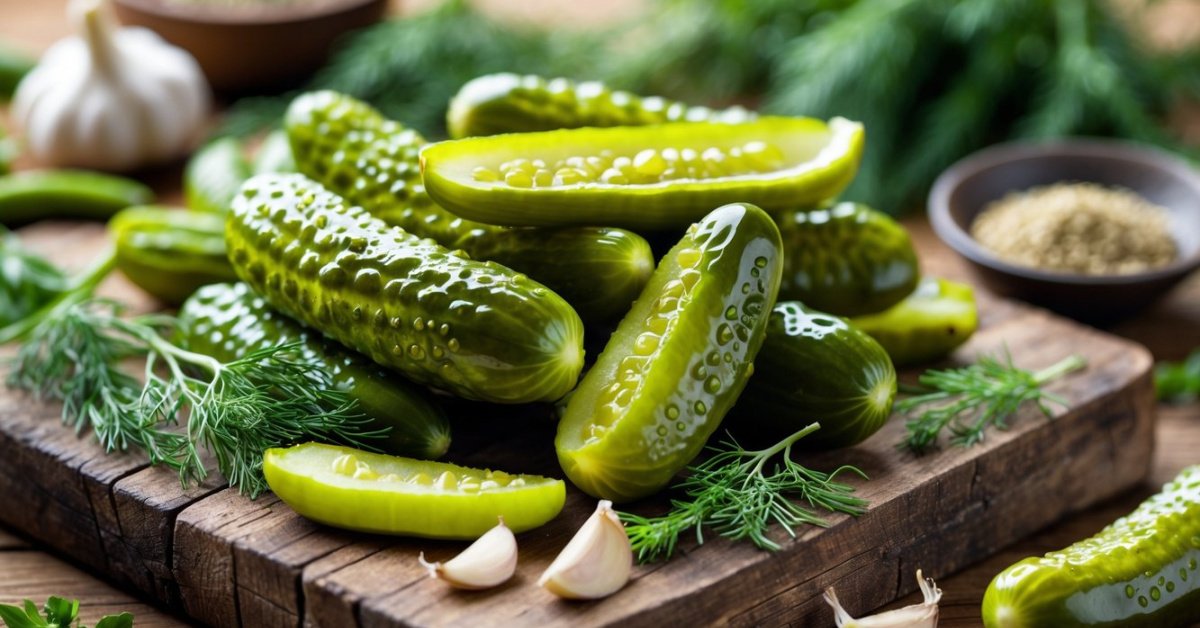
I’ve always been fascinated by how the simplest foods can leave a lasting mark on pop culture. Pickles might seem like an unlikely star but they’ve managed to pop up in some of the most memorable movie and TV moments. Whether it’s a quirky character’s favorite snack or the punchline in a hilarious scene pickles have a way of stealing the spotlight.
It’s funny how a crunchy green spear can spark laughter or even nostalgia. I can’t help but notice how often pickles find their way into iconic scenes shaping everything from character quirks to unforgettable jokes. Let’s take a closer look at the surprising ways pickles have made their mark on the big and small screen.
The Fascination With Pickles in Pop Culture
Pickles, as I’ve seen through decades of pickling and growing my own ingredients, gain attention across pop culture because they represent more than just a crunchy snack. Characters reach for jars of pickles in scenes that highlight comfort or quirkiness, such as when TV personalities from shows like “Friends” and “Bob’s Burgers” snack on them, showing their relatability and craving for something tangy. Film directors use pickles to highlight eccentric traits, like in “The Sandlot” where the famous pickle scene turns a backyard baseball game into a classic childhood dilemma.
Writers tap into pickles as symbols of nostalgia and tradition. When pickles appear in sitcom kitchens or family holiday scenes, they remind viewers of homemade foods, kitchen gardens, and the value of preserving. Fans connect with these references, sharing their own memories and building community online, such as in social media threads dedicated to “Rick and Morty”’s Pickle Rick episode or fans quoting famous pickle lines from movies.
I find that scenes featuring jars of homemade pickles, usually stored on shelves or served at the table, inspire many to try pickling for themselves. Pop culture’s fascination with pickles isn’t just comedic—it sparks curiosity about preserving vegetables, gardening, and the rewards of self-sufficiency.
Iconic Pickle Moments in Movies
Pickles often steal the spotlight in films, connecting audiences with humor, nostalgia, and genuine moments. My decades of pickling and gardening have shown me just how deeply these crunchy icons thread their way into pop culture memories.
Memorable Pickle Scenes
Films feature standout pickle scenes to capture family, awkwardness, and tradition. In “The Sandlot,” kids share a giant jar of pickles, cementing pickles as the center of childhood summertime legends. “Greenberg” uses a half-eaten pickle for comedic tension, highlighting how a simple food can diffuse or escalate drama. Animated movies like “Cloudy with a Chance of Meatballs” play with talking pickles, blending imagination with universal snack appeal. I notice each scene leans on pickles as more than just food—they’re social connectors.
Symbolism and Meaning of Pickles in Film
Directors use pickles to represent preservation, oddity, or lasting memories. The recurring jar in “Grandma’s Boy” links to generational knowledge, echoing my own passion for handing down recipes. In “The Pickle Recipe,” characters’ quests for an heirloom pickle recipe mirror real-world traditions of passing down methods for self-sufficiency. Scenes showing homemade pickles on shelves hint at security and comfort, especially during uncertain times. I find that pickles in film almost always symbolize a blend of resourcefulness and nostalgia, themes that resonate with anyone who values gardening and home-preserved foods.
Pickles on the Small Screen: TV Shows’ Obsession
Pickles capture writers’ attention with their quirky flair and deep roots in homemade foods. I see TV shows use pickle scenes to spark laughs, create nostalgia, and highlight the comforts of self-sufficiency.
Sitcoms and Pickle References
Sitcoms keep returning to pickles for quick jokes and family moments. In “Friends”, Monica’s love for sandwich pickles gives her character an endearing, relatable trait. “Seinfeld” leans on jars of pickles in deli scenes, using them for physical comedy and classic banter. “Brooklyn Nine-Nine” uses Gina’s passionate pickle speeches to poke fun at food trends. Every time a sitcom kitchen fridge swings open and a jar of homemade pickles appears, it nods to real-life home preserving and the familiar comfort of shared meals. Pickle jars in background shots, such as in “That ’70s Show”, set the tone of a lived-in, self-sustaining household.
Animated Series and Pickle Characters
Animated series create entire characters around pickles, amplifying their personality and appeal. In “SpongeBob SquarePants”, Bubble Bass’s obsession with pickles under his burger becomes a running joke, highlighting pickles as more than garnish. “Rick and Morty” pushes the envelope with its “Pickle Rick” episode, transforming Rick into a pickle and launching a cult favorite within the pickling community. “Bob’s Burgers” often references the Belchers’ homemade pickles, celebrating pickle jars as family projects and points of neighborhood pride. Animation lets pickles become characters capable of expressing the joy, creativity, and self-reliance that draw so many—including me—to the world of pickling and gardening.
Why Do Pickles Stand Out in Pop Culture?
Pickles capture attention in pop culture because they represent self-sufficiency, community, and a sense of individuality. Most movie and TV scenes use pickles not just as snacks but as signals of tradition and resourcefulness. I see this every time a character shares a homemade pickle or reaches for a jar at the dinner table—these moments reflect real-world values from preserving to gardening.
Writers select pickles for their humor and visual impact. Round jars, vibrant green color, and the crunch of a pickle-laden sandwich make them instantly recognizable. I notice how shows like “Seinfeld” and “Friends” lean on that comic relief, using pickles to break tension or launch memorable punchlines.
Pickles bring nostalgia. Many TV kitchens have a jar on the counter or in the fridge, echoing the homes I grew up in and the ones I build today with my own pickling projects. Pickles connect viewers to family bonds, old family recipes, and hands-on food traditions.
Pickles also symbolize creativity and adaptability. In pop culture, they often appear during moments of transformation or discovery. For example, animated shows turn jars of pickles into magical items or playful characters. This mirrors the innovative spirit of home pickling, where people experiment with flavors, spices, and local produce.
Pickles create bridges between generations. Whether it’s a grandmother sharing her secret dill recipe or a cartoon pickle teaching kids about food, these scenes spark curiosity. I’ve seen firsthand how homemade pickles encourage others to try gardening and preserving, fostering a cycle of curiosity and self-reliance that stretches far beyond a TV screen.
Pickles stand out in pop culture because they’re versatile, symbolically rich, and filled with layers of meaning that resonate with anyone who values food, memories, and creativity.
Modern Trends: Pickle-Themed Media and Merchandise
Streaming series, talk shows, and viral videos highlight pickle-themed media trends, especially in fan communities. I see “Rick and Morty’s” Pickle Rick merch, TikTok pickle tastings, and podcasts devoted to home fermentation popping up across platforms. Food channels on YouTube feature celebrity pickle challenges, with creators like Joshua Weissman and the Bon Appétit Test Kitchen team sharing detailed pickling experiments. Animated content showcases pickle mascots and in-jokes, inspiring memes and fan art that celebrate their popularity.
Retailers stock pickle merchandise, from plush toys to scented candles, attracting fans of cult TV. Online shops like Etsy and Redbubble offer pickle-themed apparel, pins, mugs, and even cross-stitch kits, often based on iconic sitcom scenes or viral references. Limited-edition snack foods, such as Lay’s Dill Pickle chips and Sonic’s Pickle Juice Slush, connect with consumers drawn to quirky flavors spotlighted in media moments. Restaurants feature pickle flights and festivals, connecting communities that celebrate DIY food culture.
Gardening brands and seed companies tap into the trend, with starter kits, heirloom cucumber seeds, and fermentation jars targeted at new picklers. Social media hashtags like #picklenation and #picklepower spark pickling challenges, encouraging home gardeners to experiment and showcase jarred creations. Influencers on Instagram and Threads share tips and recipes, linking the self-sufficiency of home pickling with social connection and nostalgia.
Streaming media, retail brands, and gardening suppliers continue to incorporate pickle references, bridging pop culture and sustainable food hobbies.
Conclusion
I’ve always loved how pickles pop up in the most unexpected places on screen. Whether they’re making us laugh or reminding us of family kitchens, pickles have a way of sticking with us long after the credits roll. They bring a quirky kind of comfort that feels both familiar and fresh.
It’s amazing to see how something so simple can inspire creativity and spark trends across generations. Every time I spot a pickle moment in a show or movie, I’m reminded of just how much joy and nostalgia this humble snack can bring.