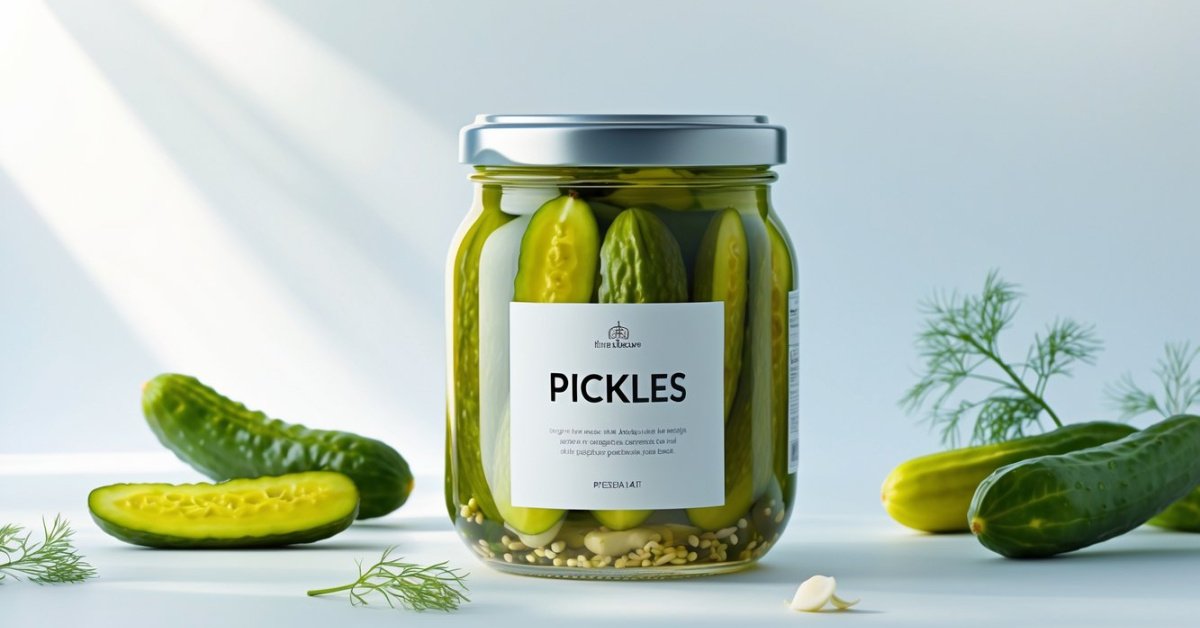
Whenever I think about ancient civilizations, I’m always amazed by how much they accomplished with so little technology. One of the most fascinating mysteries is how people from thousands of years ago used fermentation to transform simple ingredients into delicious foods and drinks. They might not have known the exact science behind it, but their experiments shaped the flavors and traditions we still love today.
I love imagining how early brewers and bakers discovered the magic of fermentation by accident, then slowly turned it into an art. From bubbling bread dough to tangy yogurt and rich wines, these ancient processes reveal just how curious and creative our ancestors really were. It’s incredible to see how their discoveries still influence what I eat and drink every day.
Understanding the Science of Fermentation in Ancient Times
Fermentation in ancient times relied on natural processes, harnessing wild microbes from garden environments and earthenware vessels. I find ancient picklers used whatever vegetables they grew—cucumbers, turnips, cabbages—as substrates for lactic acid bacteria, letting these microbes thrive in salty brine rather than sterile conditions. Wild yeast and bacterial cultures entered through air or unwashed hands, bringing each batch unique flavors and textures.
Microbial communities converted sugars in garden-harvested produce into acids, alcohols, and gases. Ancient picklers observed bubbling and souring during fermentation, signaling successful preservation for leaner seasons. This preservation not only kept food edible but also boosted its safety and nutrients. Archaeological finds from Mesopotamia, Egypt, and China show pickling vessels with remnants of lactic acid and ethanol, confirming these fermentation reactions predate modern science by millennia.
Natural brining processed vegetables for storage, enabling families to enjoy summer harvests year-round. I appreciate how surface molds and floating scum didn’t faze ancient picklers—they simply skimmed off unwanted growths and trusted the beneficial microbes. By controlling salt, vegetable type, and environmental temperature, these early practitioners mastered sustainable food storage without understanding microscopic life, laying the groundwork for modern pickling techniques.
Key Fermentation Processes Used by Ancient Civilizations
Every ancient civilization developed unique fermentation methods, often guided by local climate, available crops, and cultural traditions. These foundational techniques created the pickles and preserved foods I value today in my own self-sustaining kitchen.
Alcoholic Fermentation
Ancient societies used alcoholic fermentation to transform grains, fruits, and honey into beer, wine, and mead. Enzymes from wild yeasts—like Saccharomyces cerevisiae—converted plant sugars into ethanol and carbon dioxide. The Sumerians, for example, brewed barley beer as early as 4000 BCE. Egyptians recorded both grape wine and beer in hieroglyphs dating back to 3000 BCE. I find this same yeast-driven reaction in sourdough starters and when pickling fruits like pears or plums in brine, which can create a touch of natural effervescence.
Lactic Acid Fermentation
People pickling vegetables in brine harnessed wild lactic acid bacteria to preserve their harvests. Genera like Lactobacillus and Leuconostoc thrived in salted environments, outcompeting spoilage microbes and converting vegetable sugars—glucose and fructose—into lactic acid. Ancient Chinese texts reference pickled vegetables as early as the 3rd century BCE, while the Romans made brined gherkins and cabbages. With every batch of cucumber pickles I make, I follow these same lactic pathways first charted by my pickling ancestors.
Acetic Acid Fermentation
Ancient fermenters discovered that exposure to oxygen allowed Acetobacter and Gluconobacter bacteria to convert ethanol—leftover from alcoholic fermentation—into acetic acid, creating vinegar. Babylonians brewed date palm vinegar over 5000 years ago, and Greeks pickled onions, olives, and other vegetables in wine vinegar by the 5th century BCE. I rely on acetic fermentation when making quick pickles or preserving garden surplus in spiced vinegar, echoing these time-tested traditions.
Cultural Significance and Applications
Fermentation shaped the daily lives and traditions of ancient peoples. I’ve seen how its applications went well beyond food and reflected deep values of self-sufficiency, health, and community.
Food Preservation
Fermentation acted as the primary method for preserving cucumbers, cabbages, and other garden crops in the absence of refrigeration. Salt and lactic acid bacteria in traditional brines protected pickles from spoilage by creating acidic environments, a practice evident in ancient China and Egypt (Food and Agriculture Organization, 1998). Families often shared preserved vegetables during harsh seasons, passing down unique recipes for generations. Dried grape leaves and grape vines found in pickling jars at archaeological sites reinforce fermentation’s role in securing year-round nutrition.
Beverage Production
Fermented drinks provided both hydration and nutrition. Ancient Sumerians, Egyptians, and Greeks produced barley beer and date wine, relying on wild yeast present on plant surfaces. Herbal ales and honey mead, often processed in clay jars or animal-skin sacs, carried ritual and social meaning during feasts and ceremonies. I observe how ancient picklers frequently gathered leftover brine to flavor kvass and other low-alcohol ferments—a practice that celebrates resourcefulness and reduces waste.
Medicinal Uses
Fermented pickles and brines supported ancient health remedies. Records from Mesopotamia and India document the use of pickled garlic, onions, and turnips as digestive aids. High lactic acid and probiotic content in sour brines promoted gut health in societies that lacked modern medicine (National Center for Biotechnology Information, 2014). I value how these ancient medicinal applications persist today through heritage recipes and promote wellness alongside sustainable food systems.
Scientific Discoveries and Ancient Techniques
Ancient picklers discovered fermentation long before understanding microbes. My passion for pickles and gardening deepens as I explore how early fermenters harnessed invisible life forms and crafted ingenious techniques for preservation.
Microbial Agents in Early Fermentation
Ancient fermentation relied on wild microbes—mostly lactic acid bacteria and yeasts—present on vegetables, grains, and in the environment. Sour cabbage brines, for example, contained Lactobacillus species naturally found on cabbage leaves and in soil. Sumerians used open jars for beer, attracting airborne yeasts like Saccharomyces cerevisiae to ferment barley. Early picklers didn’t identify these “agents,” but noticed bubbling, acidic brines and consistent results when reusing starter juices. I collect wild brine from garden cucumbers for new batches, mirroring ancient methods that preserved microbial diversity and flavor.
Traditional Tools and Methods
Ancient picklers used pottery crocks, carved wood vats, and stone weights to submerge vegetables in brine, excluding oxygen with fabric covers or animal bladders. Egyptian mural painters depicted wide-mouthed stone jars for vegetable pickling, their shapes keeping cabbage and cucumbers pressed below brine. Roman picklers layered grape leaves or horseradish to control surface molds—an observation-based practice I still use with grape leaves from my backyard. Tools included mortars for crushing spices and strainers for removing surface yeast films. Each technique supported wild fermentation by protecting food, balancing salt, and encouraging healthy microbes—traditions I continue in my self-sustaining kitchen.
Influence on Modern Fermentation Science
Modern fermentation science incorporates principles and techniques rooted in ancient pickling. Early picklers used wild lactic acid bacteria and natural brine, informing today’s controlled starter cultures and precise salinity measurements. I see modern labs replicating time-tested brining ratios from historical recipes, whether using 5% salt for cucumber pickles or 2% for sauerkraut, to create optimal microbe environments.
Ancient pottery crocks and stone weights laid the foundation for today’s airtight fermenters and glass jars. I use traditional ceramic vessels in my kitchen alongside new food-grade containers, blending ancient and contemporary practices. Microbiologists now study surface molds and yeast blooms with microscopes, yet the same grape leaf layering I use still helps control film-forming yeasts and maintain crispness.
Preservation strategies developed by ancient fermenters, like lacto-fermentation and vinegar making, underpin commercial pickling processes. Acidification guidelines in modern canning draw on these methods, with regulatory bodies such as the USDA setting minimum pH standards below 4.6 due to insights from centuries of natural preservation. Data from archaeological remains informs shelf life testing and safety research, with publications like The Journal of Food Science referencing preserved foods found in archaeological digs.
Sustainable food systems and local eating, central to ancient picklers, now drive community gardens, fermentation workshops, and zero-waste initiatives. I source vegetables from my own garden, following the cycle of growing, harvesting, and fermenting as ancient kitchen gardens did. Community-supported agriculture and on-farm fermentation harken back to practices that built resilience in ancient societies.
Microbial studies and DNA sequencing have traced lineages of wild yeast and lactic acid bacteria from ancient times to strains used in today’s fermented foods. Commercial starter cultures for pickles and dairy ferments now feature species like Lactobacillus plantarum and Saccharomyces cerevisiae, originally harnessed by early brewers and picklers. This biological continuity connects every cucumber I pack in brine to a larger tapestry of fermentation history.
Conclusion
Reflecting on the science of fermentation in ancient times always leaves me in awe of human creativity. It’s amazing to think that the foods and flavors I enjoy today are rooted in the curiosity and resourcefulness of people who lived thousands of years ago.
Every time I pack vegetables in brine or bake with wild yeast I feel connected to those early innovators. Their legacy lives on in my kitchen and in kitchens around the world reminding me that even the simplest traditions can have a profound and lasting impact.