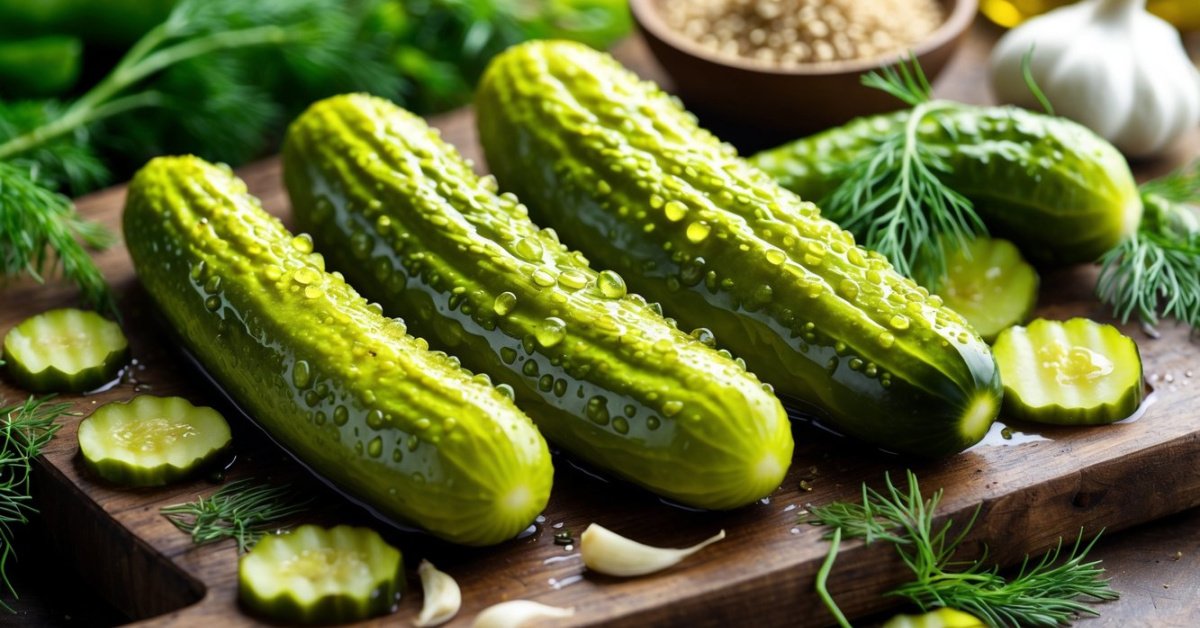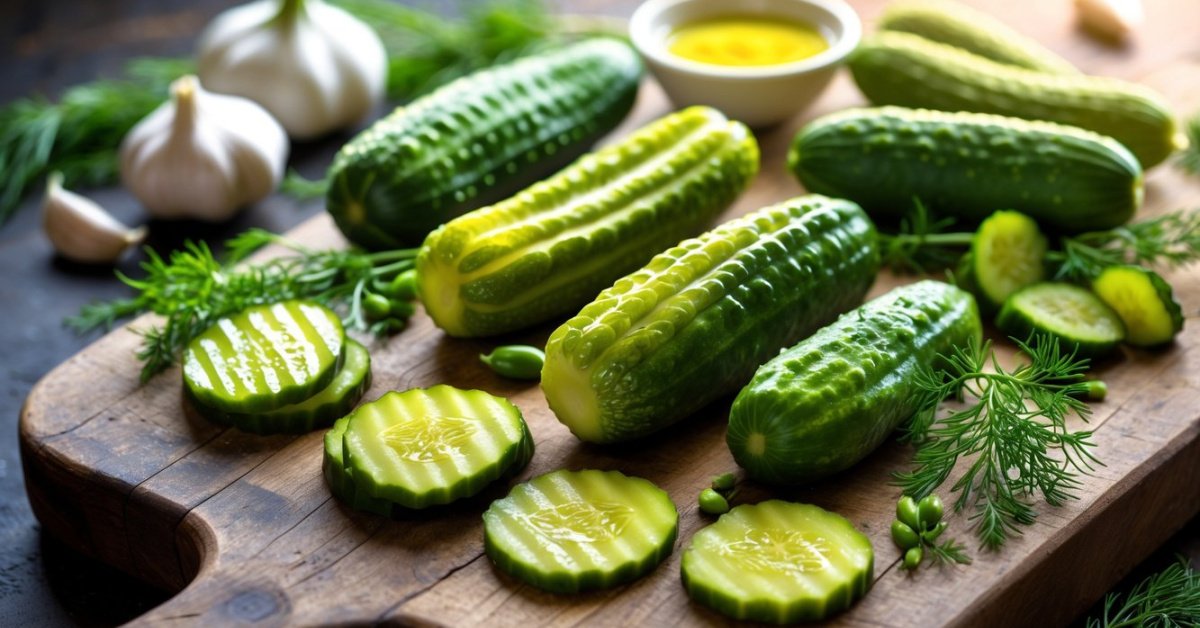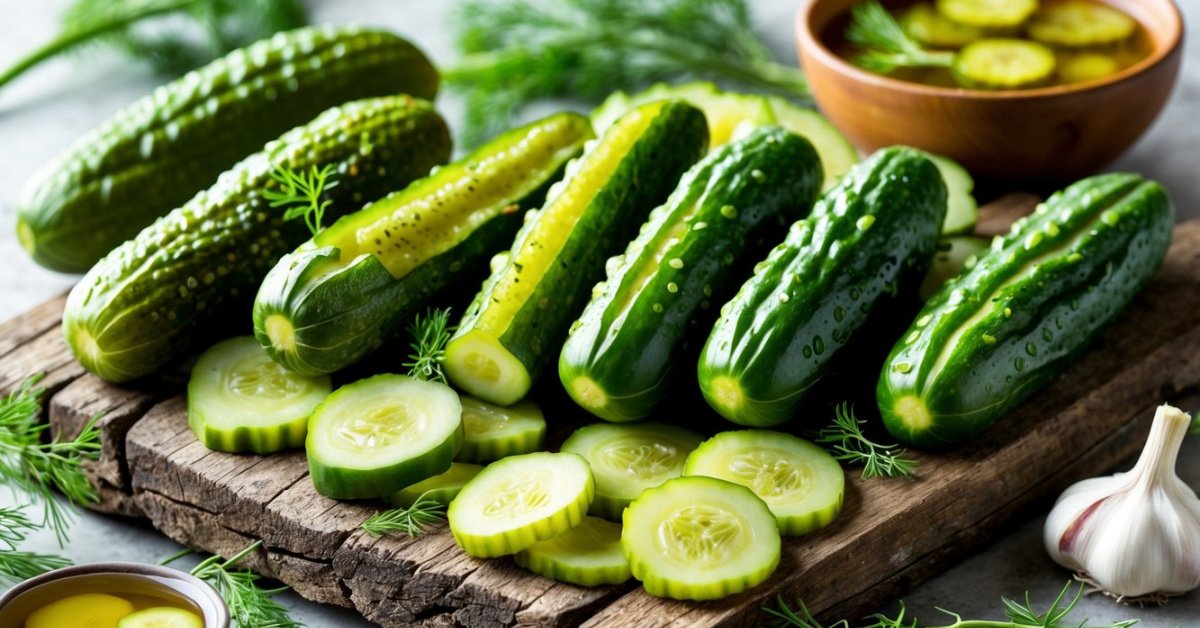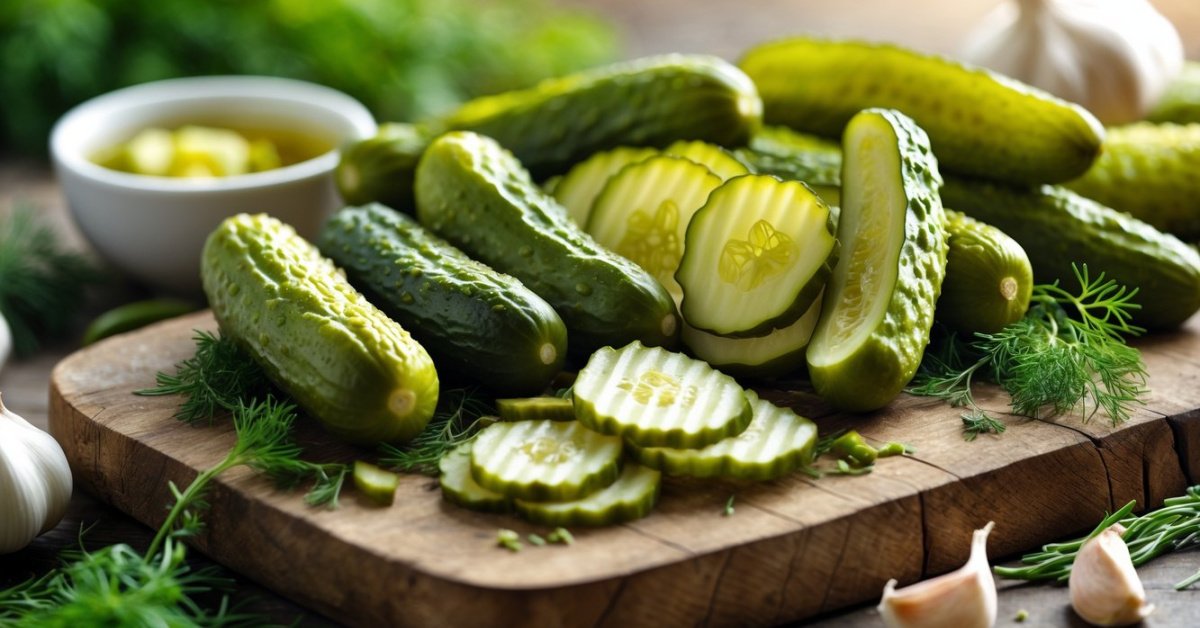
Whenever I reach for a crunchy pickle, I can’t help but wonder just how many calories I’m actually eating. Pickles seem like such a light snack, but their tangy flavor always leaves me curious about what’s really inside that jar.
If you’re like me and love adding pickles to sandwiches or enjoying them straight from the fridge, you might be surprised by their nutritional profile. It’s easy to assume these briny treats are calorie-free, but there’s a bit more to the story. Let’s take a closer look at the calories in pickles and what else they bring to the table.
Understanding Pickles: What Are They?
Pickles mean vegetables or fruits, usually cucumbers or carrots, preserved in a brine or vinegar solution. I create pickles by submerging fresh produce in a mixture of salt, water, and optional acid, like vinegar or lemon juice. This process draws out moisture, allowing beneficial bacteria or acids to preserve the food and develop flavor.
Fermented pickles use natural bacteria, such as Lactobacillus species, which thrive in brine and convert sugars into lactic acid. Shelf-stable, vinegar-based pickles skip fermentation and rely on acetic acid for preservation. Traditional dill cucumbers, garlic scapes, and pickled beans serve as common examples.
Pickling extends shelf life, creates new flavors, and keeps produce edible through different seasons. My harvest-to-jar methods let me control sodium, sugar, and add-ins, so each batch of homemade pickles matches my flavor preferences and nutritional goals.
Calories in Pickles: A Nutritional Breakdown
Most pickles offer minimal calories per serving, but differences in ingredients and pickling methods create distinct nutritional profiles. I focus on specific ingredients and variety types to estimate how pickles fit into my self-sustainable garden diet.
Comparing Pickle Varieties: Dill, Sweet, and Bread & Butter
Different pickle varieties contain different calorie amounts based on their recipes and ingredients:
- Dill Pickles
Dill pickles use cucumbers, vinegar, dill seed, and garlic. A medium dill pickle spear (about 35g) contains 4 calories according to USDA data. My homemade batches with no added sugar match this low range.
- Sweet Pickles
Sweet pickles add sugar and spices to the brine. A 35g sweet pickle spear usually contains 15–20 calories. My taste tests confirm that extra sweetness increases energy content.
- Bread & Butter Pickles
Bread & Butter pickles blend cucumbers, onions, sugar, and spices. A 35g spear holds about 20 calories. Every batch I’ve made shows that added sugar, not the vegetable itself, drives the increase.
| Pickle Variety | Calories per 35g spear | Key Ingredients |
|---|---|---|
| Dill | 4 | Cucumber, vinegar, dill |
| Sweet | 15–20 | Cucumber, vinegar, sugar |
| Bread & Butter | 20 | Cucumber, onion, sugar |
How Pickling Ingredients Affect Calorie Content
Recipe components drive the calorie count in pickles. Vinegar and brine alone add zero calories. In my kitchen, I see sugar and some starchy vegetables (like carrots or beets) increase calories. Pickles from store brands often list high-fructose corn syrup or extra sweeteners that quickly increase energy densities. When I pickle cucumbers from my garden with no added sugar, the result stays virtually calorie-free. If I want more robust flavor without raising calorie counts, I add herbs, garlic, dry spices, and hot peppers instead of sweet or starchy additions.
Nutritional Benefits Beyond Calories
Pickles offer more than just low calories—these preserved vegetables provide several micronutrients and unique benefits. I rely on pickling in my self-sufficient kitchen to boost the nutrient density of staple meals year-round.
Vitamins and Minerals in Pickles
Pickles retain many vitamins and minerals from their original vegetables. For example, cucumber pickles usually contain small amounts of vitamin K, which supports blood clotting and bone health. When I pickle carrots or green beans from my garden, they keep a portion of their vitamin A, along with traces of potassium and manganese. Fermented pickles supply gut-friendly probiotics if raw and unpasteurized, though commercial options often lack this benefit due to heat processing. I notice that homemade pickles typically give higher levels of nutrients, since I start with fresh, high-quality produce.
Sodium and Preservatives in Pickled Foods
Sodium content in pickles runs high due to the brining process, with a single medium spear commonly offering between 250 and 400 mg sodium. I always advise folks to watch total salt intake, especially for those managing hypertension. Commercial pickles sometimes add preservatives like calcium chloride for crispness or sodium benzoate for shelf stability. I prefer using simple brine and vinegar in my home canning to keep additives minimal, letting the crisp textures and flavors shine through natural methods.
Are Pickles a Good Choice for Diets?
Pickles often fit well into regulated eating plans due to their low energy value and flavor punch. I frequently recommend them as a quick snack or savory addition when I’m tracking calories or carbohydrates.
Pickles in Low-Calorie and Low-Carb Diets
Pickles in low-calorie and low-carb diets supply crunch and satisfaction without adding significant calories or sugar. Dill pickle spears, for example, contain just 4 calories and under 1g carbohydrate per medium spear. Bread & butter or sweet pickles increase in carbs because sugar’s usually part of the brine—one spear can contain 4–5g sugar.
I include unsweetened fermented or vinegar pickles in my own garden-to-jar routine when I aim to support weight management or a ketogenic lifestyle. These varieties let me enjoy homegrown flavors year-round without exceeding my daily calorie or carb goals. Fresh cucumber, carrot, or green bean pickles prepared with only brine, garlic, and spice give me vibrant taste and texture while keeping energy and sugar intake minimal.
Potential Health Drawbacks to Consider
Pickles present sodium as their main nutritional drawback. One store-bought spear usually contains 250–400mg sodium, which can nudge total daily salt intake upward, especially when I enjoy several servings. People with salt sensitivity or high blood pressure benefit from limiting portions.
Commercial pickles sometimes include preservatives and dyes, but my home-pickled jars skip unnecessary additives in favor of natural brine. Fermented types promote gut health by delivering probiotic bacteria only when unpasteurized and refrigerated—processing at high heat, common with shelf-stable brands, removes this benefit. When using vinegar-based canning or raw fermentation from my garden produce, I maximize nutrition and control unwanted ingredients.
Tips for Incorporating Pickles into a Healthy Diet
Balancing pickle intake can support overall health, given their low calories and high sodium. I add a few dill pickle spears (about 30g each) to salads or grain bowls for crunch and tang without significantly increasing calories. I opt for unsweetened or homemade pickles to limit added sugar—homemade recipes using cucumbers, carrots, or green beans offer crisp textures and micronutrients, such as vitamin K or A.
Pairing pickles with protein makes snacks more filling—slices of pickled cucumber or carrot go well with hard-boiled eggs, roast chicken, or cheese, creating balanced servings without processed sauces. I use chopped pickles in homemade salsa, hummus, or tuna salad to enhance flavor and reduce the need for extra salt.
I recommend rinsing pickles briefly under cold water before serving, if sodium is a concern. This step removes some brine and lowers sodium content per serving. If I crave variety, I pickle different garden harvests, like radishes or cauliflower, experimenting with herbs and spices—dill seeds, garlic, and mustard—in each batch for diverse flavors.
I choose fermented pickles, like naturally brined whole cucumbers, to add beneficial bacteria to meals, supporting gut health when I don’t heat or pasteurize the jars. Including a tablespoon of fermented pickle brine in salad dressings or marinades delivers a probiotic boost and robust taste to everyday dishes.
When planning meals, I track pickle portions to ensure sodium doesn’t exceed recommended intake and select low-sodium or no-salt-added pickles for daily use. Gardening and pickling in small batches lets me fine-tune every ingredient, ensuring each jar aligns with my healthy eating goals.
Conclusion
Exploring the calorie content of pickles has definitely changed the way I look at this classic snack. It’s clear that pickles can fit into a healthy eating plan with a little attention to ingredients and portions.
I love how easy it is to tweak homemade recipes to suit my taste and nutrition goals. If you’re as passionate about pickles as I am, experimenting with different veggies and brines can be both fun and rewarding.
Pickles bring more than just a tangy crunch to the table—they offer a unique blend of flavor, nutrition, and versatility.