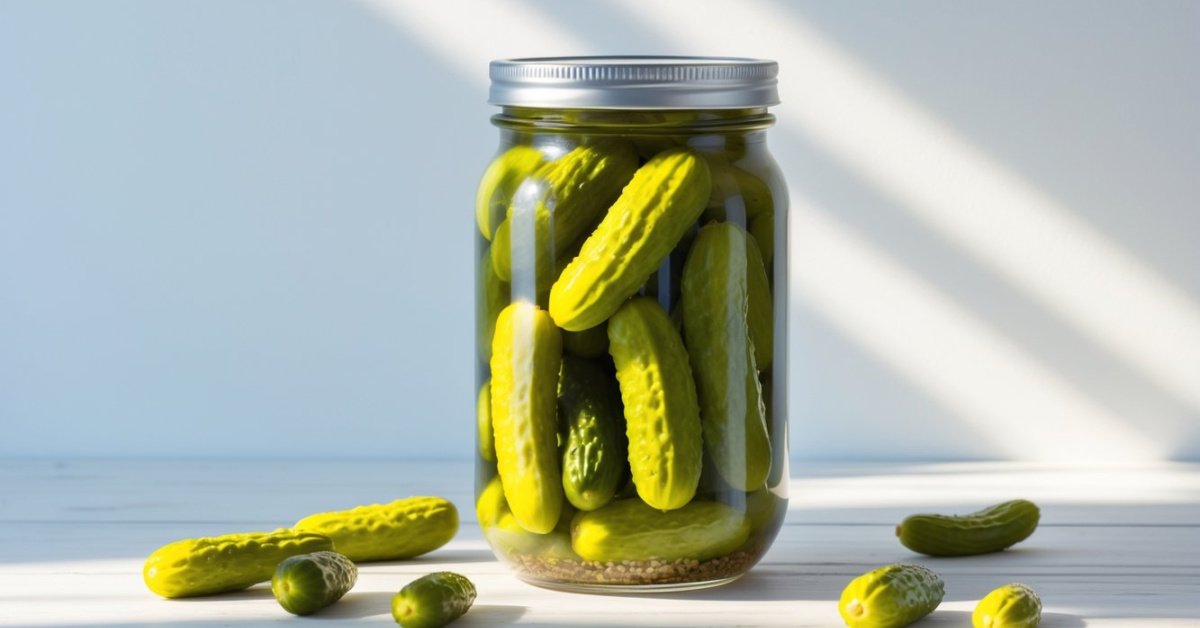
Whenever I wander through a bustling street market, the sharp tang of pickles always grabs my attention. There’s something about that salty crunch tucked into a sandwich or served alongside spicy snacks that makes every bite unforgettable. Pickles aren’t just a side dish—they’re a global street food superstar.
From the zesty achar in South Asia to crunchy pickled cucumbers in New York hot dogs, I’ve noticed pickles bring their own bold personality to every corner of the world. They add a burst of flavor and a dash of tradition, turning ordinary street food into something truly special. I can’t help but love how pickles connect cultures, one bite at a time.
The Global Appeal of Pickles in Street Food Culture
Pickles elevate street food by delivering bold flavors and textures unique to each region. I see pickles used worldwide—vendors in India spoon spicy lemon achar over samosas, sellers in Mexico top tacos with pickled jalapeños, and carts in Thailand pile pickled vegetables onto grilled meats. Local gardens or small farms often supply these vegetables, making street food pickles fresher and boosting sustainability for many communities.
Fermentation and vinegar pickling preserve harvests, letting me enjoy seasonal produce throughout the year. Vendors rely on similar methods, choosing ingredients grown nearby to craft distinct flavor profiles. For example, kimchi brings heat and crunch to Korean rice cakes, while German currywurst stands feature tart gherkins as a palate-cleansing side.
Texture matters almost as much as flavor in street food. I always look for crispness in a New York deli-style pickle or the soft tang of Middle Eastern torshi. Texture helps balance fried or rich foods, which shows why so many cultures include pickles as a necessary element on every plate.
Local tastes and climate shape pickling techniques and seasonings. Indian picklers favor mustard oil and fenugreek, while Japanese tsukemono makers use rice vinegar and salt. This local adaptation accounts for the vibrant variety of pickles found at street markets worldwide.
I share this love for pickling through my ongoing gardening practice, encouraging others to embrace home-grown food and simple preservation techniques. Pickles in street food champion local agriculture, flavor creativity, and self-sufficient traditions, making them an essential piece of global food culture.
Regional Variations of Pickles in Street Food
Pickles in street food culture highlight how preservation, local produce, and bold flavors blend across regions. I notice the impact of pickling techniques not just in taste but in the vibrant identity of every street food scene.
Asia: Tangy Accompaniments and Flavor Boosters
Vendors across Asia serve pickles as more than condiments, using them to elevate classic street foods. In India, citrusy lime achar, shredded mango pickles, and spicy green chili pickles accompany samosas and chaats. Thailand’s vendors layer tart pickled papaya and radishes on noodles, while Korean street stalls feature tangy kimchi and danmuji (pickled radish) beside savory pancakes and rice rolls. I see local gardens and markets supplying ingredients like ginger, garlic, and chilies, further shaping flavor and reinforcing sustainability in every bite.
Europe: Pickled Delights on the Go
European street vendors offer distinct pickled specialties shaped by centuries of tradition. Eastern European countries such as Poland and Russia pair brined cucumbers, sauerkraut, and vinegared cabbage with sausages or pierogi. Across Germany, I find pickled onions and gherkins accompanying bratwurst and fish sandwiches. In the Mediterranean, Greek vendors serve pickled pepperoncini and olives in wraps and meze platters, always using regional herbs for unique freshness.
Americas: Zesty Additions to Street Eats
Street food in the Americas bursts with bold and spicy pickles. Mexico’s elotes and tacos come loaded with pickled jalapeños, carrots, and onions, adding crunch and heat. In the US, I spot classic dill pickles on New York hot dogs and bread-and-butter chips nestled in Southern fried chicken sandwiches. Caribbean food carts use pickled Scotch bonnet peppers and local fruits such as mango, blending vinegar and island spices for tropical snap.
Africa and the Middle East: Spiced and Sour Street Flavors
I taste vibrant pickling traditions in African and Middle Eastern street foods. Egypt’s torshi features turnips and carrots in garlic brine, essential next to falafel or koshari. Across Morocco and Tunisia, preserved lemons and pickled turnips lend deep flavor to street wraps and couscous. Vendors in Turkey and Lebanon favor spiced cucumber or cauliflower pickles with shawarma, using local herbs and aromatic spices to balance the richness of grilled meats.
The Role of Pickles in Enhancing Street Food Experience
Pickles elevate the street food experience by introducing bold flavors and crisp textures with every bite. I find pickles transform familiar dishes into memorable flavors, making them irresistible across diverse street food scenes.
Flavor Enhancement and Texture
Pickles create powerful contrasts that intensify a street food’s taste profile. I work with brined cucumbers, fermented chilies, and spicy achars to sharpen savory dishes, from Indian samosas to American burgers. Tanginess from lacto-fermentation cuts through the heaviness of fried favorites, like falafel or tempura. Crunchy textures from fresh pickled carrots, daikon, or cabbage balance soft breads, wraps, or noodles. Vivid colors from pickled onions or beets attract customers and hint at the vibrant flavors inside. By layering pickles into street food, I build complexity and provide an appealing sensory experience.
Preservation and Accessibility
Pickles preserve surplus harvest, making seasonal produce available year-round even in fast-paced street food environments. I rely on vinegar, salt, and time-tested fermentation methods to protect and store vegetables from my own garden. Pickling ensures I can offer local tomatoes or cucumbers in the off-season, when fresh varieties aren’t possible. Lightweight jars or buckets of pickles also make transport and serving efficient on crowded city streets. Since pickling unlocks food longevity, street vendors can keep costs low and menus stable by reducing spoilage, especially in places without reliable refrigeration. These practical benefits allow me and other picklers worldwide to deliver consistent, affordable, and creative options to street food lovers everywhere.
Iconic Street Foods Featuring Pickles
Pickles create bold, memorable contrasts in famous street foods worldwide. I always notice how regional specialties get their signature tang or crunch from traditional pickling methods, reflecting the creativity and resourcefulness of local vendors.
Famous Dishes and Local Specialties
- Indian Vada Pav with Green Chili Pickle: I love the bright heat that tangy green chili achaar adds to Mumbai’s vada pav—a fried potato dumpling sandwich—with every bite.
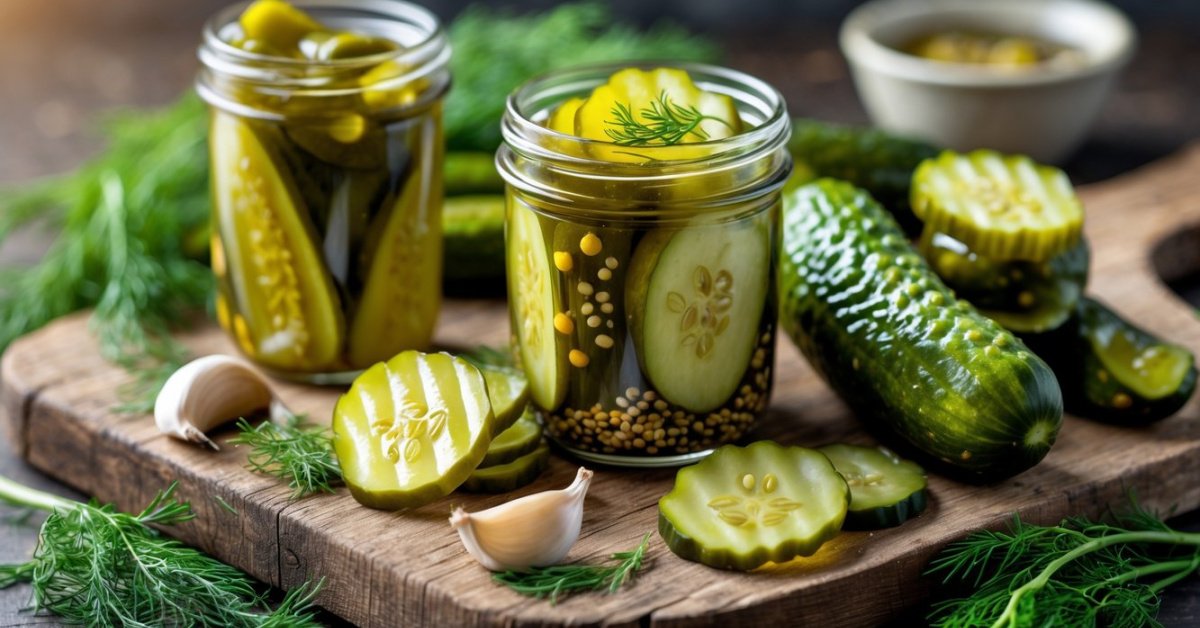
- New York Hot Dogs with Dill Pickles: I’ve tasted street hot dogs in New York topped with crisp, vinegared cucumber spears, which offer a refreshing snap against the smoky sausage.
- Mexican Tacos with Pickled Jalapeños: I relish the spicy acidity of pickled jalapeños in Mexican tacos, where they cut through rich meats like carnitas and barbacoa.
- Vietnamese Banh Mi with Đồ Chua: I appreciate the sweet-sour crunch of carrot-daikon pickle in banh mi, with its balance of flavor and texture that brightens pork or tofu fillings.
- German Bratwurst with Sauerkraut: I’ve enjoyed street bratwursts crowned with sauerkraut, where fermented cabbage delivers a punchy sourness and satisfying chew.
- Egyptian Ta’ameya with Torshi: I admire how brightly colored, sour torshi (mixed pickled vegetables) lifts the flavor of ta’ameya—Egypt’s take on falafel—at scooter stands in Cairo.
Unique Pickling Techniques in Street Food
- Fermentation for Depth: I use wild fermentation in recipes like Korean kimchi or German sauerkraut, which appear on street carts in Seoul or Berlin, to layer deep umami and probiotic benefits.
- Quick Vinegar Pickling for Speed: I prepare quick-pickled onions or chilies directly in vinegar, as seen in Mexican and Thai street stalls, when vendors want immediate punchy results for garnishes.
- Salt-Curing for Intensity: I craft salt-cured Moroccan preserved lemons and Indian achar, which release bold flavors over time and complement heavy or fried snacks found in food markets from Casablanca to Jaipur.
- Sweetened Brines for Balance: I blend sugar with vinegar to make Thai carrot-daikon pickles (đồ chua), adding sweetness that rounds out spice-forward dishes on Southeast Asian streets.
- Oil Pickling for Richness: I preserve garlic, chilies, or mangoes in mustard oil, a method popular among Indian and Middle Eastern street cooks, because it deepens flavor and extends shelf life in warm climates.
I apply these diverse pickling styles in both home gardens and professional kitchens, proof that the world’s best street food owes much of its magic to the humble art of pickling.
The Evolution and Future Trends of Pickles in Street Food Culture Worldwide
Historic roots anchor pickles firmly in street food traditions across the globe. I trace pickling practices in my research to methods used in ancient Mesopotamia, China, and India as far back as 2000 BCE. Vendors adopted pickled vegetables and fruits for their resilience, flavor, and ability to transform local ingredients into street-ready delicacies. Generations have carried these recipes forward, adjusting to available produce and shifting tastes while preserving traditional techniques.
Modern street food adapts to health and environmental demands, with pickles leading innovation. Today, I see vendors experimenting with fermentation to boost probiotics or reduce sugar in brines, responding to health-conscious eaters. Many offer seasonal, hyper-local picks—like radishes, turnips, or wild greens—harvested from urban gardens or micro-farms, supporting self-sustainability and strengthening community food systems. These changes increase nutrition and keep historic pickling traditions alive.
Future pickle trends in street food reflect global connectivity and rapid flavor innovation. I observe fusion dishes using Korean kimchi in Mexican tacos or Japanese tsukemono with Middle Eastern wraps. Picklers worldwide trade ideas online, introducing new spices, vinegars, and fermenting microbes into local stalls. Vegan and raw street foods use inventive pickles as toppings or filling, appealing to new dietary preferences. Eco-friendly practices grow, with zero-waste fermentation, reusable jars, and biodegradable packaging becoming common in leading street food cities.
Table: Key Pickle Trends in Street Food
| Trend | Example | Resulting Benefit |
|---|---|---|
| Probiotic Ferments | Sauerkraut, kimchi stalls | Gut health appeal |
| Local/Hyper-Local Ingredients | Garden-grown radishes, foraged greens | Fresher, eco-friendly flavors |
| Culinary Fusion | Kimchi tacos, tsukemono wraps | Bold new tastes, diverse appeal |
| Sustainable Packaging | Reusable jars, compostable cups | Reduced street food waste |
| Vegan/Raw Innovations | Cashew cheese pickles, jicama “ceviche” | Inclusive, trend-forward menus |
New influences, access to global products, and sustainability spark rapid shifts in pickling styles. I find opportunities everywhere to advance pickling—from supporting urban agriculture to creatively blending cross-cultural flavors—ensuring that pickles stay central in evolving street food worldwide.
Conclusion
Pickles have always captured my imagination with their ability to turn simple street food into something unforgettable. Every time I bite into a tangy or spicy pickle alongside a favorite snack I feel connected to a much bigger story—one that spans continents and generations.
Whether I’m exploring a new city or recreating street food at home I love discovering how pickles bring freshness and excitement to every dish. They remind me that street food is more than just a meal—it’s a celebration of creativity tradition and community with pickles right at the heart of it all.