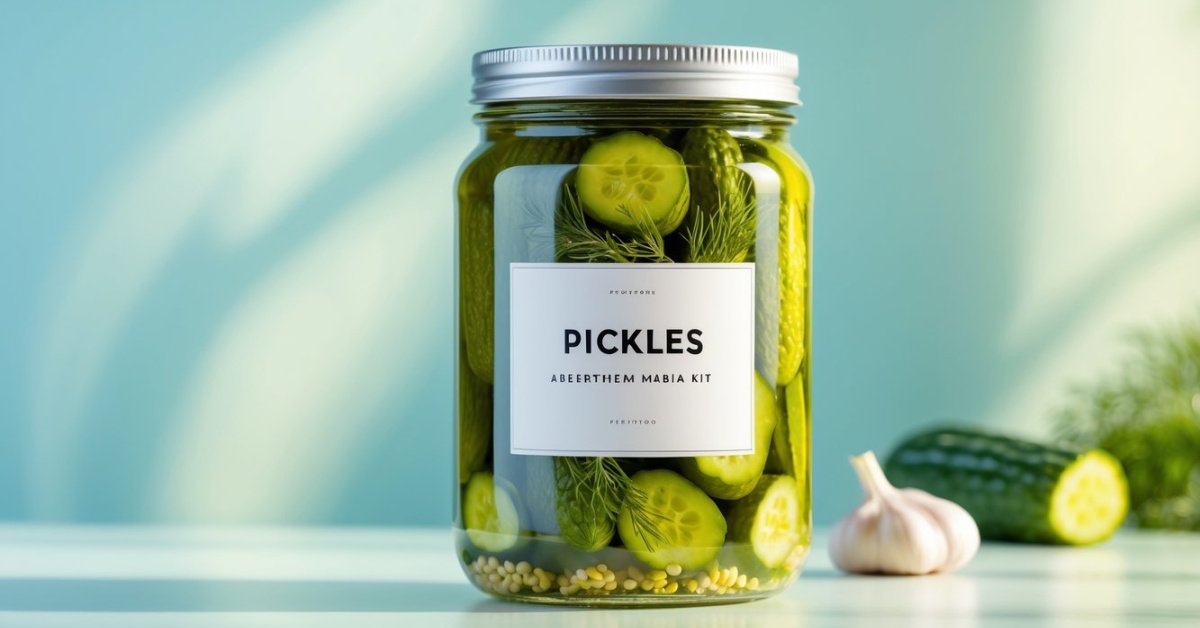
I’ve always loved the crunch and tang of a good pickle, but I started wondering if there’s a real difference between the ones I grab off the grocery shelf and the ones I make in my own kitchen. With so many options out there, it’s easy to assume all pickles are pretty much the same. But are they really?
When I dug a little deeper, I realized that homemade and store-bought pickles can vary quite a bit in terms of nutrition. From sodium levels to the types of ingredients used, there’s more going on in that jar than meets the eye. If you’re curious about what you’re really eating with each bite, let’s explore how these two pickle choices stack up.
Overview Of Pickles And Their Popularity
Pickles keep fruits or vegetables preserved using solutions like vinegar, brine, or both. I see cucumbers, carrots, beans, and peppers as common ingredients in pickling, but nearly any vegetable from the garden works. Pickling adds crunchy texture and tangy, salty, or spicy flavors.
People eat pickles worldwide, but North America, South Asia, and Eastern Europe rank as regions with the highest consumption. In the US, about 245 million people consumed pickles in 2023 according to Statista.
Pickled products appear at farmer’s markets, in home pantries, and on grocery store shelves. I notice that many choose pickles for their bold taste, longevity, and health benefits, including probiotics in fermented varieties. Homemade and store-bought pickles both anchor holiday tables, BBQs, and snack plates, supporting the continued popularity of pickling today.
Key Nutrients Found In Pickles
Sodium
Sodium content defines most pickles, whether fermented or vinegar-based. Store-bought dill varieties contain about 500-1100 mg sodium per 28g spear, while homemade batches measure between 600-900 mg, depending on brine recipe, based on USDA and FoodData Central values. I always check sodium because high intake affects hydration and blood pressure, especially for those limiting salt.
Vitamins
Pickles retain vitamins from their original vegetables, though levels vary. Cucumbers, carrots, and peppers provide vitamin K, supporting blood clotting. Heat-processed store pickles lose some B vitamins and vitamin C, while my “cold-pack” homemade jars keep more vitamin C and folate due to gentler processing.
Minerals
Minerals in pickles depend on ingredients. Cucumbers supply potassium, magnesium, and calcium in small doses. Addition of garlic or mustard seeds increases manganese and selenium. My garden-grown veggies enhance trace mineral profiles, so using diverse produce broadens nutritional benefits.
Fiber
All pickles contain fiber from vegetable skins and flesh. One spear averages 0.3-0.5g fiber. Fermented varieties I make (like sour pickles and kimchi) keep more natural fiber than many heat-processed store brands.
Probiotics
Fermented pickles, not those cured only with vinegar, provide live probiotic bacteria. Lactic acid bacteria—such as Lactobacillus plantarum and Leuconostoc mesenteroides—promote gut health, shown in my crunchy, brine-fermented batches. Unrefrigerated store pickles rarely offer probiotics due to pasteurization, while “raw” homemade or chilled versions do.
Sugar
Sugar content varies with pickle type. Bread-and-butter or sweet pickles include 4-8g added sugar per serving in both homemade and commercial jars. My savory, low-sugar pickles keep sugars below 1g for those seeking less sweet options.
Table: Nutrient Content in Pickles (per 28g spear, averages)
| Nutrient | Store-Bought | Homemade | Fermented (Homemade) |
|---|---|---|---|
| Sodium (mg) | 500-1100 | 600-900 | 600-900 |
| Vitamin C (mg) | 0.5-2 | 1.5-4 | 1.5-4 |
| Fiber (g) | 0.3-0.5 | 0.3-0.5 | 0.3-0.5 |
| Sugar (g) | 0-8 | 0-8 | 0-1 |
| Probiotics | Rare | Depends on type | Present |
Store-Bought Pickles: Nutritional Profile
Store-bought pickles deliver convenience but introduce a different nutritional mix than jarred, homemade varieties. I find that ingredients, additives, and sodium levels set these options apart in both taste and health impact.
Common Ingredients And Additives
Most commercial pickles combine cucumbers, vinegar, salt, and water. I often spot added preservatives—like sodium benzoate or potassium sorbate—to extend shelf life and prevent spoilage. Stabilizers such as calcium chloride help keep pickles crisp. Colors and flavors, including turmeric or artificial dyes, create uniform appearance and taste across batches. Multiple brands—Vlasic, Mt. Olive, and Heinz, for example—use high-fructose corn syrup or sugar in bread-and-butter and sweet gherkin styles, boosting both sweetness and calories. Very few store-bought jars contain only real spices, herbs, and produce.
Sodium Content And Preservatives
Store-bought pickles almost always contain high sodium to maintain flavor, texture, and shelf stability. One 28g dill spear supplies 500–1100 mg sodium. These levels meet commercial food safety standards, but regular consumption pushes many diets beyond the daily sodium recommendation set by the American Heart Association—1500–2300 mg. Preservatives, especially sodium benzoate, help guarantee those characteristic long expiration dates. Pickles in retail coolers sometimes skip pasteurization for “fresh” crunch, but shelf-stable selections almost always undergo thermal processing, destroying any live probiotic bacteria. My experience shows that while pickled flavor remains strong, store-bought versions lose some nutritional nuances—especially probiotics and select vitamins—during such processing.
Homemade Pickles: Nutritional Profile
Homemade pickles give me complete control over ingredients, nutrient content, and the preservation process. My experience shows that handmade batches often contain more natural flavors and unique nutrients than commercial jars.
Customization Of Ingredients
I select every ingredient when I make my own pickles. I skip artificial preservatives and high-fructose corn syrup, which are common in store-bought versions like national brands. I prefer sea salt or kosher salt, avoiding anti-caking agents and dyes. Spices, fresh garlic, dill from my garden, and filtered water all enhance the flavor and nutrition. For those wanting low-sodium options, I simply reduce the salt or use potassium chloride blends. My sweet pickles rarely include more than 1g of added sugar per serving, unlike commercial sweet brands that average 4-8g. I choose organic cucumbers or homegrown produce, so the risk of pesticide residues drops.
Impact On Nutrient Retention
I use raw, unpasteurized methods whenever I ferment pickles at home. This keeps beneficial probiotics, which thermal processing destroys in most store-bought jars. Raw fermentation maintains more vitamin C and preservation of B-vitamins like folate because I avoid the high heat steps found in commercial processing (USDA, NCHFP guidelines). My brine recipes help cucumbers retain fiber, potassium, calcium, and magnesium naturally found in homegrown vegetables. Small batch processing also gives me fresher pickles, which limits oxidative vitamin loss. If I do use vinegar brines, I process jars only as long as food safety requires to lock in as many micronutrients as possible.
Nutritional Comparison Of Store-Bought Vs Homemade Pickles
Nutritional profiles of pickles differ sharply between store-bought and homemade batches. When I prepare pickles using vegetables from my own garden, I control everything from salt choice to the type of brine, which directly impacts micronutrient content and health benefits.
Differences In Vitamins And Minerals
Vitamin content in homemade pickles remains higher, especially for heat-sensitive vitamins like vitamin C and folate, since I skip pasteurization. For example, a homemade cucumber pickle can retain up to 80% of its original vitamin C, while commercial shelf-stable jars often lose 40-60% to heat processing according to the USDA. I use mineral-rich add-ins such as mustard seed or garlic, which naturally increase potassium, calcium, and magnesium levels. Store-bought options, in contrast, focus on shelf stability, often resulting in lower vitamin retention and a narrow mineral profile.
| Type | Vitamin C (mg/28g) | Folate (µg/28g) | Calcium (mg/28g) | Potassium (mg/28g) |
|---|---|---|---|---|
| Homemade | 5–7 | 5–13 | 14–20 | 50–70 |
| Store-bought | 2–4 | 2–7 | 13–17 | 30–50 |
Health Considerations: Probiotics And Additives
Probiotic content distinguishes homemade pickles from most commercial options. When I ferment small batches in brine, live cultures develop during the process. These lactic acid bacteria support digestion and immunity, as noted by Harvard Health Publishing. Store-bought pickles often lack live probiotics due to pasteurization, with very few exceptions marked “fermented” or “raw”. Food additives make a significant difference as well. I exclude artificial preservatives and high-fructose corn syrup, both common in mass-produced pickles, which can affect gut health and increase sugar content. Homemade pickles let me favor sea salt, pure spices, and clean ingredients, strengthening the nutritional integrity and taste of every jar.
Making An Informed Choice: Which Is Healthier?
Analyzing health factors in pickles, I always compare nutrient density, additives, and fermentation.
- Nutrient Density
Homemade pickles usually keep more vitamins, especially vitamin C and folate, since I skip heat processing. For example, my quick-ferment pickles often contain 70-80% of their original vitamin C, compared to only 40-60% in most store-bought jars. Essential minerals like potassium and magnesium stay more intact when I use garden-fresh produce and limit processing.
- Sodium and Additives
Store-bought pickles, such as the major US brands, can pack more than 1100 mg sodium per spear. My recipes range from 600-900 mg, since I prefer sea salt or kosher salt and use less brine. Nearly every commercial pickle adds preservatives, like sodium benzoate, or sweeteners, such as high-fructose corn syrup. I never use these in my pantry.
- Probiotic Content
Fermentation produces live cultures in homemade pickles, contributing to digestive and immune health. These probiotics rarely survive in store-bought pickles, since most are pasteurized for shelf life. For example, my lacto-fermented cucumber pickles develop visible clouding in the brine, a sign of beneficial bacteria that pasteurized pickles can’t provide.
- Sugar Content
Sweet commercial pickles often contain 4-8g added sugar per serving—sometimes more. My garden-fresh sweet pickles use under 1g, since I focus on the produce’s natural flavors.
- Control and Transparency
I control every aspect in my homemade batches, from seed to spice mix. Store-bought pickles leave me guessing about sourcing, storage, and subtle ingredient changes. Homemade always means ingredient transparency.
| Nutritional Aspect | Homemade Pickles | Store-Bought Pickles |
|---|---|---|
| Vitamin C Retention | 70-80% | 40-60% |
| Sodium (mg/spear) | 600-900 | 500-1100 |
| Probiotics | Present (fermented) | Absent (most are pasteurized) |
| Added Sugar (g) | <1 | 4-8 |
| Preservatives | None | Common (e.g., sodium benzoate) |
When prioritizing nutrients, probiotics, fewer additives, and transparency, I always pick homemade pickles for their vibrant health profile and unmatched taste. If convenience or consistency ranks higher for someone, store-bought still provides tangible benefits, though usually with more processing.
Conclusion
After exploring both sides I find myself reaching for homemade pickles whenever I can. The ability to tweak flavors and control every ingredient just feels rewarding and the nutritional perks are a huge bonus.
That said I totally get the appeal of grabbing a jar off the shelf—sometimes convenience wins. No matter which option you choose there’s plenty of room for pickles in a balanced diet. I hope you’ll feel inspired to try making your own or at least take a fresh look at the labels next time you’re in the store.