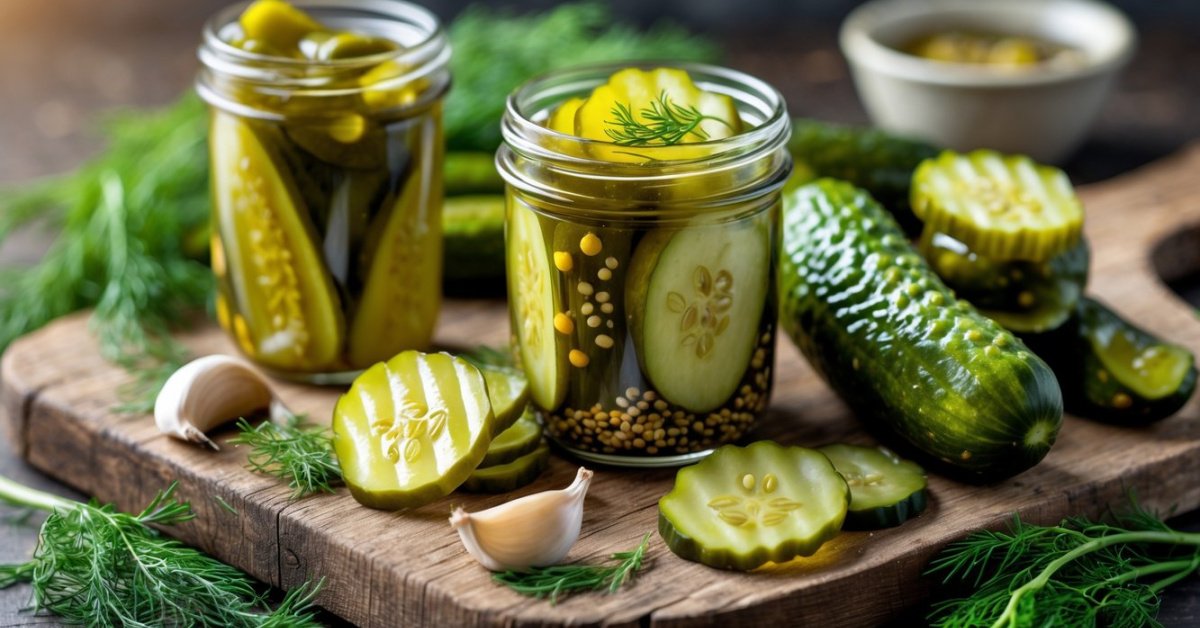
Whenever I think about pickles I can’t help but smile at how a simple jar of preserved veggies holds so much more than just flavor. Pickles pop up at family dinners picnics and street markets all over the world—each with its own story and meaning. It’s fascinating how something so humble can carry deep symbolism across cultures.
From representing luck and prosperity to symbolizing resilience and transformation pickles have found their place in traditions and rituals everywhere. I love discovering how these tangy treats connect people to their history and to one another. Let’s take a bite into the world of pickles and see what secrets they reveal about the cultures that cherish them.
Historical Origins of Pickles and Their Significance
Pickles trace their roots back over 4,000 years to Mesopotamia, where gardeners and cooks preserved cucumbers in brine to prolong shelf life. Ancient texts discovered in the Tigris-Euphrates Valley mention pickling processes, highlighting how essential pickles became for self-sustainability and year-round nutrition. My pickle garden heritage mirrors the same goals: keeping food edible during lean times.
Egyptians gave pickled cucumbers to workers who built the pyramids, believing pickles boosted strength and vitality. In this context, pickles represented resilience and practical resourcefulness, both values I appreciate every season as I harvest and store my crops.
Romans valued pickles for their health benefits, too, with writers like Pliny the Elder recording vegetable pickling as an everyday practice. When I prepare my own batch, I think about centuries of gardeners and cooks striving for the same preservation and flavor transformation—honoring ancient wisdom in every jar.
Across Asia, pickling tangled with tradition. In India, spicy pickled vegetables became linked with health and protection, mentioned in Ayurvedic texts as early as 2,000 BCE. Chinese kitchens used fermentation and vinegar, crossing boundaries between medicine and cuisine. Each time I experiment with new spices or techniques, I build on these global practices that created local identities.
Religious symbolism emerged around pickles. Jewish communities pickled vegetables for kosher meals, with pickles becoming a symbol of continuity and hope during times of hardship, as noted in Jewish food history sources. Preserving cucumbers in Eastern Europe turned pickling into a communal act during harvest cycles. When I make large batches with friends or neighbors, that sense of community echoes traditions thousands of years old.
Pickles, from their earliest origins, served both functional and symbolic purposes, providing food security, comfort, and meaning—values still central to home gardeners and enthusiastic picklers like me.
Pickles in Eastern Cultures
Pickles anchor daily meals in East Asia and South Asia, reflecting deep-rooted cultural symbols. Symbolism runs through how and why people preserve vegetables in each tradition.
Symbolism in Chinese Traditions
Chinese pickles, or “pao cai”, encapsulate balance and harmony. Preservation connects households to agricultural cycles, especially since winter pickling in Sichuan ensures nutrients during cold months. Households often display large clay pickling jars, representing continuity and family unity. In traditional Lunar New Year meals, pickles symbolize fortune and adaptability, expressing wishes for thriving futures. Ancient texts, such as Qi Min Yao Shu, reference pickling for health preservation and community sharing.
Pickles in Japanese Culture
Japanese pickles, called “tsukemono”, express respect for seasonality and fleeting beauty, echoing cultural concepts like “wabi-sabi”. When I serve nukazuke or umeboshi, their presence at the table highlights humility and transformation. Buddhist monasteries use pickles for cleansing and renewal, with pickled plums symbolizing resilience and protection. Tsukemono appear in everyday meals and celebratory feasts, acting as palate cleansers and bringing balance to the dishes. Methods like lacto-fermentation reinforce the close connection between Japanese cuisine and nature’s rhythms.
Indian Perspectives on Pickling
Indian pickles, known as “achar” in Hindi, bring powerful associations with abundance, sustenance, and maternal care. Farmers’ and gardeners’ surpluses find longevity through spices and sun-based preservation, keeping families well-stocked between harvests. In South India, pickles symbolize hospitality, appearing in every festive thali, while, in North India, mango and lemon pickles signal life’s tangy unpredictability. Diverse regional recipes—like Andhra’s fiery avakaya or Gujarati sweet chunda—demonstrate India’s agricultural and cultural diversity. I see pickling in India as an act of resilience, sustainability, and legacy, uniting communities through generations.
Pickles in Western Cultures
Pickles in Western cultures carry deep symbolic threads woven through folklore, seasonal traditions, and everyday rituals. I find these connections highlight how preservation crafts, gardening, and food security blend with cultural meaning across Europe and North America.
European Symbolic Interpretations
- German Christmas Pickle Tradition
I see the German Weihnachtsgurke, or Christmas pickle ornament, hanging hidden in festive trees. The first child to spot the pickle gets an extra gift and a year of good luck. Though some debate its origins, this tradition fosters playful anticipation and symbolizes prosperity.
- Eastern European Resilience
Polish and Russian households often serve pickled cucumbers at seasonal gatherings. These pickles, preserved against harsh winters, embody resilience and self-sufficiency. Sharing them during important feasts signals prosperity and hospitality.
- French and British Balance
French cornichons and British pickled onions express balance and culinary refinement. On charcuterie boards or with hearty meals, these pickles symbolize the harmony between preservation and taste, a nod to careful resource management and culinary heritage.
Pickles in North American Folklore
- American Prosperity and Good Luck
I frequently encounter the belief that eating pickles during the New Year brings luck. In southern US states, pickled foods like okra, watermelon rind, or cucumbers appear on festive tables, representing prosperity and new beginnings.
- Homesteading and Resourcefulness
Pickling formed a cornerstone of homesteading life in the US and Canada. I see jars of preserved cucumbers, beans, and peppers embodying creativity and resourcefulness, core to self-sustaining households. The practice turns harvest gluts into preserved abundance, symbolizing thrift and security.
- Cultural Identity in Jewish-American Communities
Jewish delis in cities like New York and Chicago keep the ritual alive by serving half-sour or full-sour pickles alongside classic fare. For many, these pickles express community, continuity, and comfort rooted in Eastern European immigrant traditions.
Pickles as Symbols of Preservation and Transformation
Centuries of pickling reflect how communities preserve more than just harvests. I see pickles as tangible proof that food, flavor, and tradition can survive the changing of seasons. When I pack a jar with cucumbers or green beans from my garden, I’m continuing the same preservation ritual that safeguarded ancient crops and carried communities through harsh winters. Across cultures, pickling process—salt, acid, time—signals more than practical storage; it captures life’s cycles of change and endurance.
Preservation through pickling echoes the human need to hold onto abundance in times of uncertainty. In India, families turn surplus mangoes and limes into savory achar, keeping the taste of summer alive through long monsoons. In Korea, making kimchi before winter ensures fermented vegetables feed the household until fields thaw. My own pantry jars hold not just food but reassurance, reminiscent of how homemakers worldwide create a safety net against scarcity.
Transformation is just as central. Each pickle begins as a fresh vegetable but emerges with new flavors, textures, and colors—radishes taking on fuchsia hues or cabbage developing tang in sauerkraut. This change embodies the idea that strength shows in adaptation. In Japan, transformation finds expression in tsukemono making, where vegetables shift with the seasons and resemble the evolving self, honored in Buddhist monastic meals. Every culture that pickles celebrates this dynamic: through fermentation or vinegar, ordinary produce becomes enduring, complex, and cherished.
I draw inspiration from how pickling marks major life events and yearly cycles. Pickle jars opened at festivals in Eastern Europe or during New Year celebrations in China become symbols of both what’s been saved and how communities adapt. The act of pickling binds families and creates a legacy, one I feel each time I share my own jars, passing down both sustenance and the knowledge of patient transformation.
Contemporary Interpretations of Pickle Symbolism
Modern conversations about pickle symbolism focus on identity, creativity, and self-sufficiency. I see pickles now standing for the pride many take in homemade food, gardening, and the movement toward local, sustainable eating. People recognize pickling as an act of reclaiming food knowledge, especially in urban environments where community gardens and farmers’ markets thrive.
Pop culture references connect pickles to humor, nostalgia, and uniqueness. For example, pickle festivals in the US—like the annual New York City Pickle Day—celebrate pickling as both craft and quirk. Social media users post about their latest pickling experiments, transforming jars of home-fermented cucumbers or radishes into symbols of heritage and personal flair.
Gift-giving customs also illustrate contemporary symbolism. I notice that jars of pickles handed at holidays or housewarmings now signify thoughtfulness, resourcefulness, and the spirit of sharing. Pickles forged from a summer harvest reflect not just preservation but also a gift of time and effort, rooted in homegrown abundance.
Art and literature use pickles as metaphors for adaptation, diversity, and enduring connection to ancestry. Children’s books set in multicultural households often feature pickling as a way families bond over food and stories—connecting the timeless nature of transformation to today’s quest for belonging.
Within self-sufficiency and homesteading communities, pickles are emblems of resilience. Home picklers like me see each batch as a small safeguard, a celebration of the garden, and an act of ensuring no harvest goes to waste. Pickled jars lining pantry shelves become quiet statements about stewardship, creativity, and the freedom found in self-reliance.
Conclusion
Exploring the world of pickles has shown me just how much meaning can be packed into a simple jar. Every culture adds its own unique flavor and story, transforming humble vegetables into symbols that connect us to tradition, family, and even our sense of self.
I find it inspiring that something as everyday as a pickle bridges generations and continents, carrying with it hope, resilience, and creativity. The next time I bite into a tangy pickle, I’ll remember the rich tapestry of heritage and community that each crunchy bite represents.