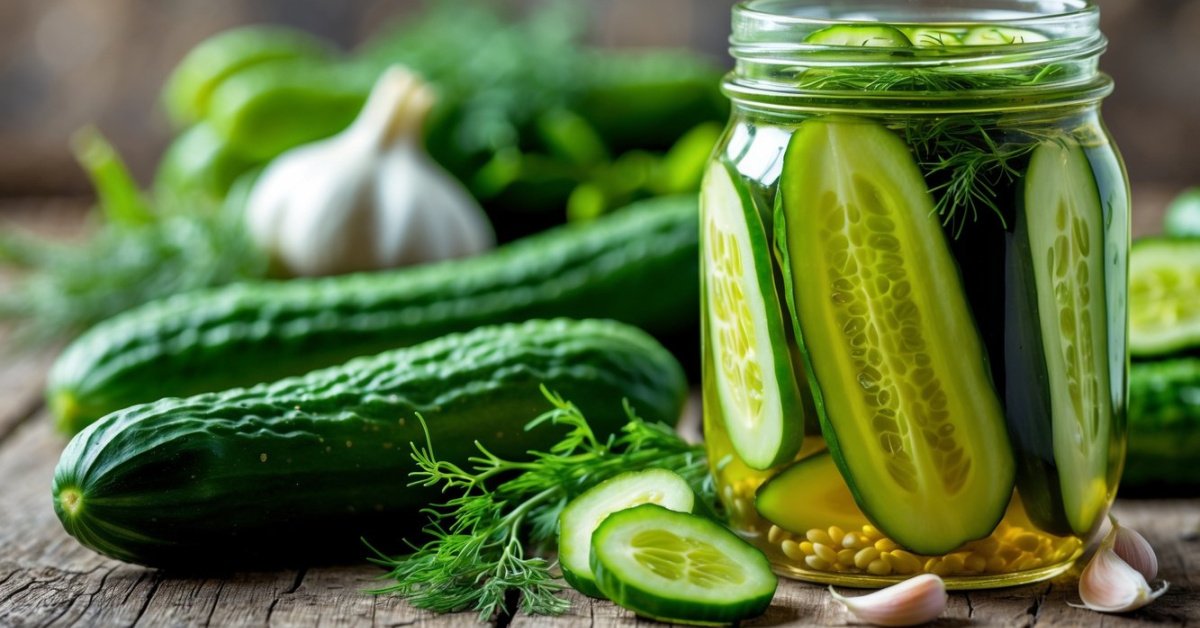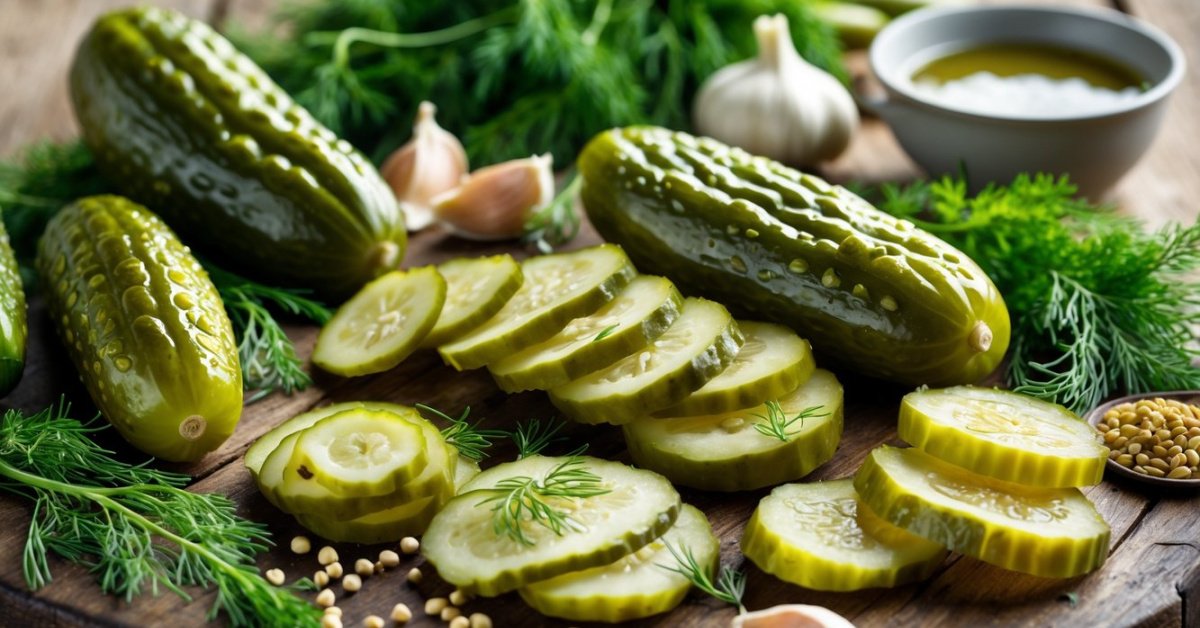
Whenever I reach for a crunchy pickle, I’m usually thinking about the burst of flavor, not what it might do for my bones. But lately, I’ve started wondering if that tangy snack could actually offer more than just a tasty bite—maybe even a boost of calcium.
Bone health is something I know I shouldn’t take for granted, especially as I get older. Calcium is key for keeping bones strong, and I’m always on the lookout for new ways to get more of it into my diet. Could pickles be a surprising source of this essential mineral? Let’s take a closer look at what’s really in that jar and whether pickles deserve a spot on my bone-friendly menu.
Understanding the Link Between Pickles and Bone Health
Pickles hold a long-standing place in self-sustainable diets, so people sometimes ask me if they help with bone health. Bones use minerals like calcium as building blocks. Calcium supports bone structure, and diets rich in calcium-containing foods, like dairy, leafy greens, and fortified products, help retain bone mass and reduce fracture risk (NIH, 2022).
Pickles made with calcium-rich vegetables, including cucumbers, okra, and green beans, carry some of that mineral into the finished product. The actual calcium content varies. Most common cucumber pickles, for example, provide about 15–25 mg calcium per 1-ounce serving (USDA FoodData Central). That’s noticeably less than a single cup of milk, which supplies over 300 mg.
Traditional pickling methods, such as lime pickling, use calcium salts like calcium chloride or calcium hydroxide to firm vegetables. This process enables the finished pickles to retain slightly more calcium compared to other methods. Calcium chloride, often labeled as “pickle crisp,” appears in many of my recipes for maintaining that signature crunch. Any extra calcium from these additives, though, only offers a modest increase.
A balanced, bone-healthy diet comes from combining calcium sources. I choose pickles as a flavorful supplement, not a primary calcium source, alongside greens, dairy, seeds, or tofu. When gardening, I also look for calcium-rich vegetables to pickle, helping boost variety and nutrition in every jar.
Calcium Content in Pickles
Calcium appears in pickles at much lower levels than in dairy, but every bit adds up for anyone focused on self-sustainable nutrition. I always check the vegetables and pickling methods since both shape the final calcium profile of my jars.
Types of Pickles and Their Calcium Levels
Vegetable choice affects the calcium found in pickled foods. Cucumber pickles usually contain about 15–25 mg calcium per ounce, while pickled okra and green bean pickles reach 30–50 mg per ounce, based on USDA data. Leafy greens like kale or mustard hold even more, sometimes up to 70 mg per ounce after pickling. Most fruit pickles, like pickled watermelon rind, have less than 10 mg per ounce. When I make mixed vegetable pickles from my summer gardens, calcium values vary but rarely hit even 10% of the daily recommended intake per serving.
| Pickle Type | Calcium per Ounce (mg) |
|---|---|
| Cucumber Pickles | 15–25 |
| Okra Pickles | 30–50 |
| Green Bean Pickles | 30–50 |
| Pickled Greens | 40–70 |
| Fruit Pickles | <10 |
How Pickling Methods Affect Calcium Retention
Pickling methods influence the calcium content that ends up in the final product. Vinegar brines pull out minimal minerals, so most of the calcium remains in the vegetable itself. Fermentation locks in calcium, yielding little loss compared to fresh produce. When I use calcium chloride or pickling lime, these can slightly boost the total calcium per serving, but the difference never matches the naturally high-calcium vegetables. Gentle canning preserves keep soils’ minerals best, while heavy boiling starts to leach nutrients into the brine. For the richest calcium pickles, I prefer quick fermentation or low-boil recipes with robust vegetables straight from my own garden.
Comparing Pickles to Other Calcium Sources
Pickles offer a unique twist for calcium intake, but when I compare them to classic calcium-rich foods, numbers tell the story. Dairy products, leafy greens, tofu, and seeds top most calcium charts. The calcium content in pickles stands out mostly when the right vegetables and pickling methods come into play.
Calcium Content Comparison Table
| Food Item | Serving Size | Calcium (mg) |
|---|---|---|
| Cucumber pickles | 1 oz (28 g) | 15–25 |
| Pickled okra/green beans | 1 oz (28 g) | 30–50 |
| Pickled kale/mustard greens | 1 oz (28 g) | 60–70 |
| Milk (whole/skim) | 1 cup (244 g) | 300–325 |
| Yogurt (plain, low-fat) | 1 cup (245 g) | 415 |
| Cheddar cheese | 1 oz (28 g) | 200 |
| Firm tofu (with calcium) | 3.5 oz (100 g) | 350–400 |
| Sesame seeds | 1 oz (28 g) | 280 |
| Spinach (cooked, non-pickled) | 1 cup (180 g) | 245 |
| Almonds | 1 oz (28 g) | 75 |
Contribution of Pickles in a Calcium-Focused Diet
Pickled vegetables increase dietary variety for calcium but contribute modest amounts next to dairy and soy products. For example, pickled kale can rival almonds in calcium density by the ounce, but my favorite homemade cucumber pickles add only about 20 mg per serving. Only if someone pickles greens or calcium-rich beans does the value get close to nut or seed levels.
Context for Calcium Absorption
Absorption factors matter in comparing pickles and traditional calcium foods. Fermented pickles sometimes provide more bioavailable calcium than non-fermented vegetables because fermentation can break down oxalates that limit calcium uptake (source: Advances in Nutrition, 2023).
Strategy for Maximizing Calcium from Pickles
Variety in my pickling—using garden kale, collards, or calcium-treated brine—lets me boost the calcium footprint. Pairing pickles with higher-calcium dishes, like a slice of cheese or tofu, raises the overall daily intake without sacrificing flavors unique to home pickling.
Pickle fans get a flavorful nutrient bonus, but other foods like milk or tofu supply most of the calcium my bones rely on.
Potential Benefits of Pickles for Bone Health
Pickles bring more to the table than just flavor—they add small, steady calcium boosts and deliver extra nutrients that support bones. My years of pickling and gardening have shown me that thoughtfully chosen and prepared pickles can play a modest but helpful role in a bone-healthy lifestyle.
Role of Calcium in Bone Strength
Calcium stands at the center of bone structure, forming the primary mineral that gives bones density and power. Consistent calcium intake helps counter natural bone loss that comes with age. When I pickle vegetables like okra, green beans, or leafy greens, each jar locks in a portion of their natural calcium. Though homemade pickles rarely match the calcium punch of dairy, they supplement daily intake, especially for those who already eat greens or tofu. I always select vegetables with higher calcium—like kale or mustard—for pickling, knowing that even small amounts from each serving contribute to the mineral pool my bones depend on.
Other Nutrients in Pickles That Impact Bones
Pickles carry more than calcium. Fermented pickles, my favorite kind, supply vitamin K2, a compound critical for directing calcium into bones instead of arteries. Leafy greens in brine often bring magnesium, which supports calcium absorption and bone metabolism. Garlic, onions, and herbs—common add-ins—contain trace minerals and antioxidants that benefit bone tissue. Some pickles, especially those using sea salt or mineral salt, bump up the trace mineral range, including manganese, another key bone nutrient. My garden harvests let me cycle different, nutrient-rich vegetables through my pickling jars, which helps me share a diversity of bone-supportive nutrients each season with my family and friends.
Considerations and Limitations
Pickles offer small calcium boosts, but several factors affect their role in bone health. I always assess nutrient balance and preservation methods to get the most from my pickling efforts.
Sodium Content and Its Effects
Most pickles contain high sodium levels due to brining. Typical store-bought dills reach 250–350 mg sodium per ounce, per USDA data. Excess sodium raises blood pressure and can increase calcium excretion through urine, reducing bone mineral density over time, according to the National Institutes of Health. When I prepare my jars, I use lower-sodium salts or blend herbs to enhance flavor, keeping sodium content manageable. Homemade batches using lighter brines can lower sodium exposure without sacrificing taste.
Best Practices for Including Pickles in Your Diet
Optimal results come from viewing pickles as one component in a diverse diet. I pair my calcium-rich pickled greens or okra with staple calcium sources, such as yogurt, seeds, or tofu, to support daily targets. I rotate vegetables to keep nutrient profiles broad and use fermentation to maximize mineral absorption. For those monitoring sodium, small servings of homemade pickles pair well with fresh produce and unprocessed foods. Regularly rotating pickled selections keeps meals interesting and supports a sustainable, homegrown approach to bone health.
Conclusion
Pickles have earned a regular spot on my table for their tangy crunch and now I appreciate them even more for the little boost they can give my bones. While they can’t replace classic calcium-rich foods they do bring extra nutrients and a delicious way to mix up my routine.
I love getting creative with pickling different veggies from my garden and finding new ways to make every bite count for my health. With a mindful approach to ingredients and balance I can enjoy pickles as part of a bone-supporting lifestyle—one tasty jar at a time.