I can’t resist the tangy crunch of a good dill pickle. Whether I’m reaching for a spear at a summer barbecue or adding slices to my favorite sandwich, pickles always seem to make everything a little brighter. There’s just something about that bold, zesty flavor that keeps me coming back for more.
What I love most is how many different types of dill pickles there are to try. From classic whole pickles to spicy chips and even garlic-packed versions, each variety brings its own twist to the table. It’s amazing how versatile these little cucumbers can be, fitting into so many snacks and meals with ease.
What Makes Dill Pickles Unique
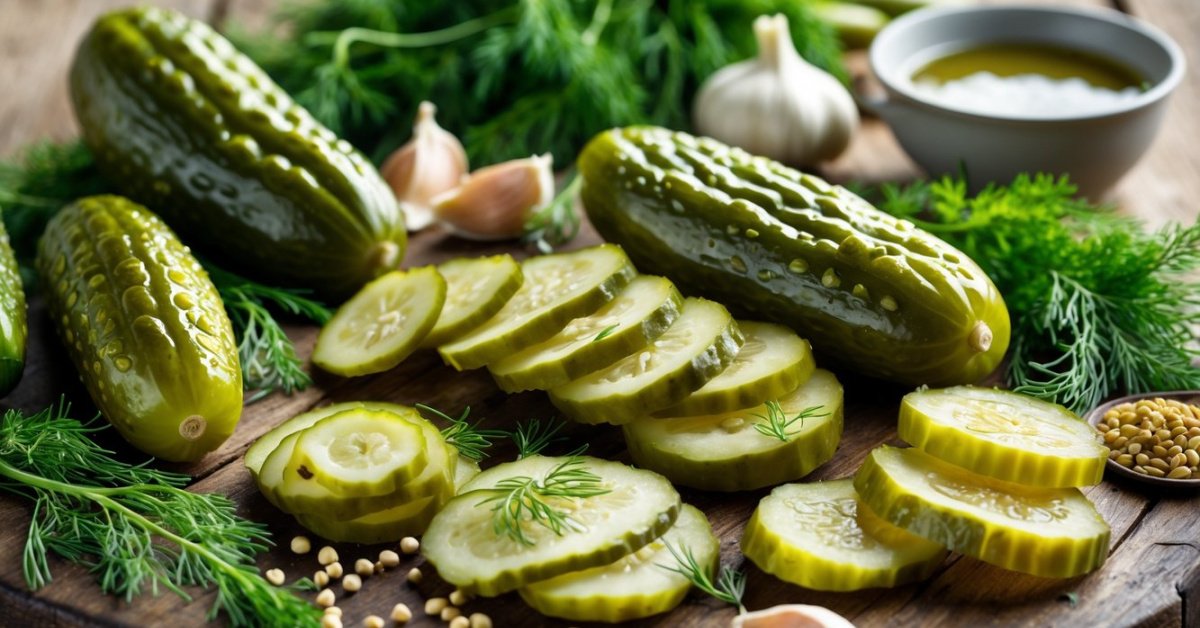
Recipe balance defines dill pickles. I use a specific mix of vinegar, water, salt, fresh dill weed, garlic, and sometimes spices like mustard seed or peppercorns. This combination creates the sour snap and bold aroma unique to dill pickles compared to sweet or bread-and-butter styles.
Fermentation or vinegar-brining sets dill pickles apart. I choose lactic acid fermentation for that deep, complex, slightly effervescent bite. For quick pickling, I pour a seasoned vinegar brine over cucumbers if I want a sharper, cleaner tang.
Flavor infusion comes from dill and garlic. Fresh dill fronds or flower heads, when added before brining, give pickles their grassy, herbal essence. I add whole garlic cloves or sliced onions to intensify savory notes.
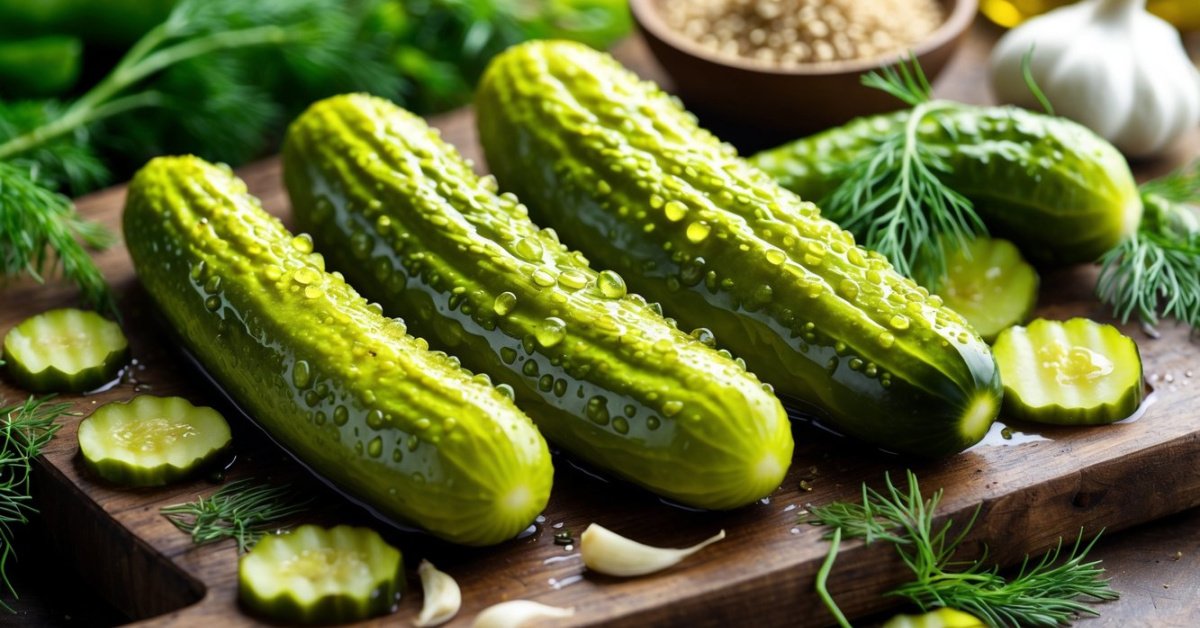
Texture retention makes dill pickles stand out. I pick crisp, garden-fresh cucumbers for crunch—smaller Kirby cucumbers, for example. Chilling cucumbers before processing, using grape leaves, or adding calcium chloride strengthens the skin, keeping spears or chips snappy.
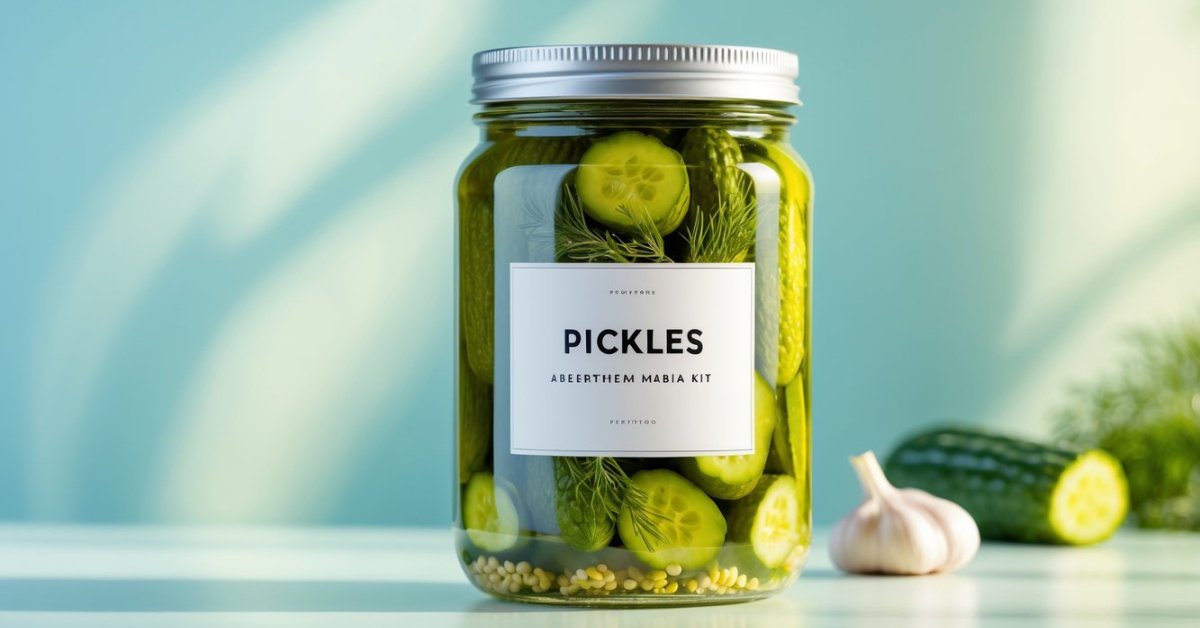
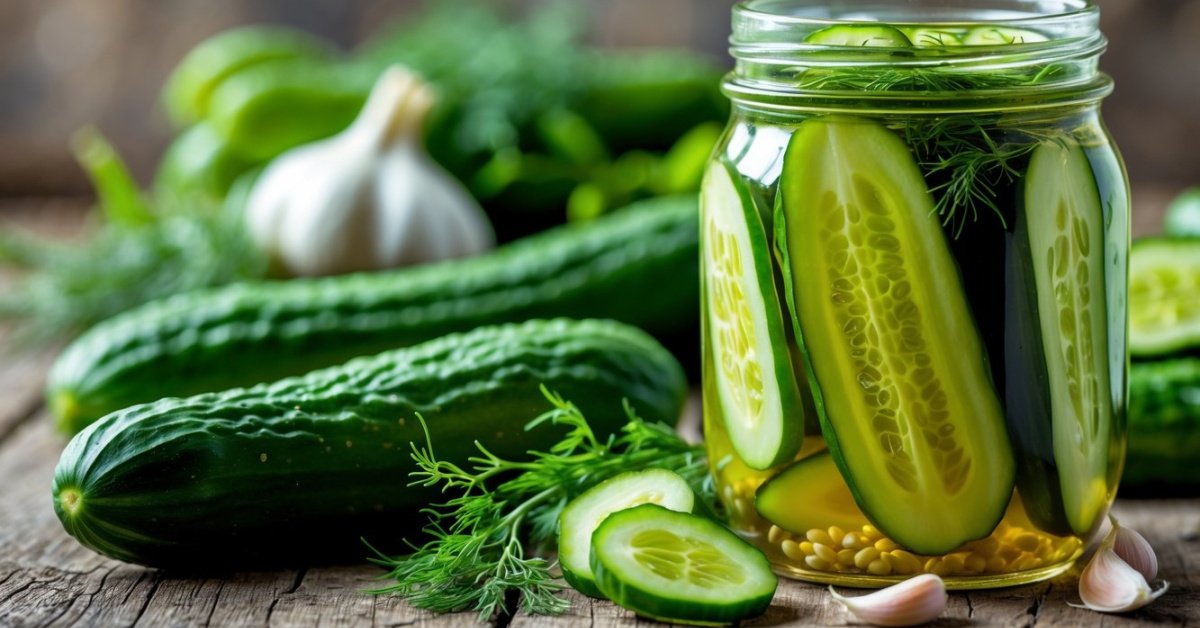
Color and aroma distinguish dill pickles. My jars always show vibrant greens and a scent that combines vinegar brightness and earthy dill. This sensory blend signals freshness and quality.
Versatility characterizes dill pickles in the kitchen. I add chopped pickles to potato salad, garnish sandwiches, or serve spears alongside grilled meats if I want food with extra flavor and crunch. Their bold taste enhances dishes and preserves the harvest, connecting my pickling with my gardening and self-sustainable approach.
Popular Varieties of Dill Pickles
I find dill pickles in many styles, each offering unique flavors, textures, and traditions. Different pickling techniques and ingredients create distinct types, letting me match the right pickle to each meal or occasion.
Kosher Dill Pickles
Kosher dill pickles pair garlic and plenty of fresh dill weed for a zesty, savory flavor. I use whole cucumbers or spears in a brine of water, kosher salt, and vinegar, adding lots of peeled garlic cloves. Jewish deli traditions make these pickles crisp and aromatic. The “kosher” label refers to the style, not religious certification, unless the brand indicates otherwise.
Polish and German Dill Pickles
Polish and German dill pickles use a fermentation process that skips vinegar, relying on lactic acid for tang. I ferment pickling cucumbers with flowering dill, garlic, and sometimes horseradish root. Polish recipes often add bread for yeast, while German styles might include mustard seeds or bay leaves for more aroma. These pickles have milky brine and a deep, layered sourness.
Spicy Dill Pickles
Spicy dill pickles offer heat with every bite. I add sliced jalapeños, dried chiles, or crushed red pepper to the classic dill brine. Sometimes I use black peppercorns and extra garlic for intensity. Spicy chips, spears, and sandwiches benefit from this variety, especially when paired with grilled or smoked foods.
Refrigerator Dill Pickles
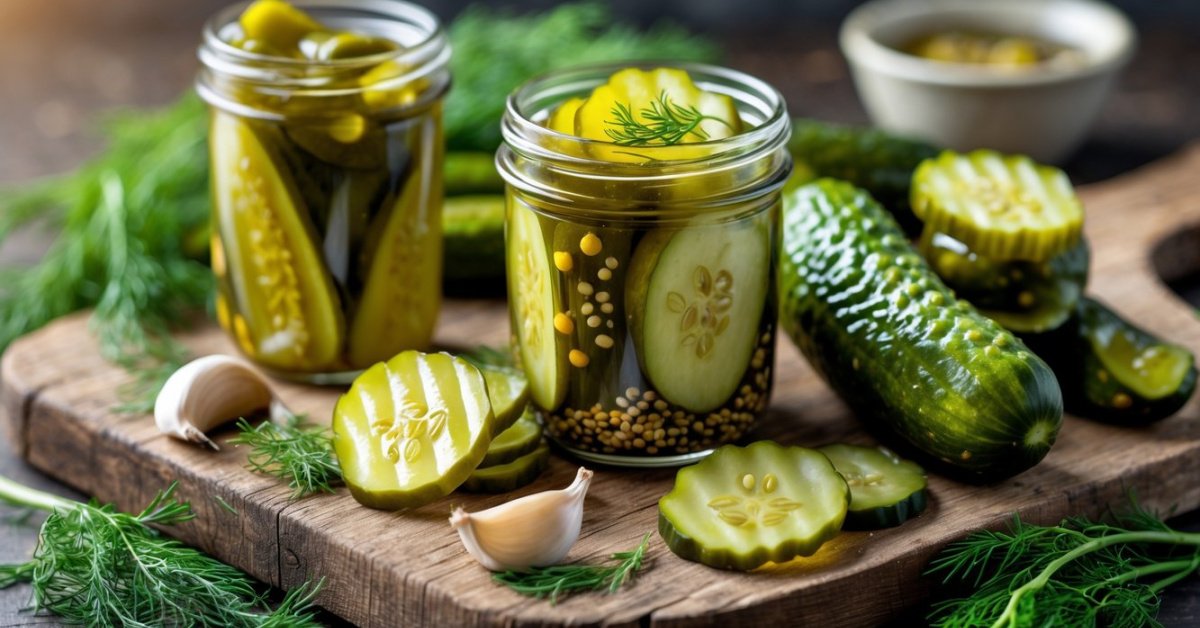
Refrigerator dill pickles deliver quick, crisp results without fermenting or canning. I pack raw cucumber slices or spears in jars with dill, garlic, vinegar, salt, and sugar, then let them chill at least 24 hours. These pickles keep their bright vegetable crunch and work well for small batches or seasonal garden cucumbers.
How Dill Pickles Are Made
Every batch of dill pickles starts with quality cucumbers and a precise blend of brine and seasonings. My process uses fresh garden produce, combining technique and tradition for consistent crunch and bright flavor.
Key Ingredients and Process
I use firm cucumbers, fresh dill weed, peeled garlic cloves, water, distilled white vinegar, and canning salt for a basic dill pickle brine. Sometimes, I add mustard seeds, peppercorns, or chili flakes for variety.
After thoroughly washing my cucumbers, I trim the blossom ends to maintain crispness. For fermented dill pickles, I submerge the cucumbers in a saltwater brine, using a fermentation crock or glass jar. After adding fresh dill and garlic, I weigh the cucumbers down with a fermentation weight, keeping them beneath the brine. In about 7 to 10 days at 68°F to 72°F, lactic acid bacteria naturally sour the cucumbers and develop complex flavor.
For quick or refrigerator dill pickles, I pack sliced or whole cucumbers with dill and garlic in sterilized jars. I bring vinegar, water, and salt to a boil, then pour the hot brine over the vegetables. After sealing the jars, I chill them for at least 48 hours before eating. This method produces crisp, tangy pickles without fermentation or canning.
Every step, from ingredient selection to timing, shapes the texture and taste of my finished dill pickles.
Creative Uses for Dill Pickles
Dill pickles add brightness and zest to everyday foods, letting me use the garden’s bounty in new ways. I often find that a single jar inspires both traditional recipes and unexpected flavor combinations.
Classic Dishes Featuring Dill Pickles
- Deviled eggs Gain depth when I finely chop dill pickles for the yolk mixture.
- Potato salads Get tangy crunch from diced dills, balancing creamy dressings and starchy potatoes.
- Sandwiches Like Reubens, Cubans, or club sandwiches become more dimensional with sliced dill pickles layered in.
- Tartar sauce Incorporates minced dill pickles, which brighten any fried fish or seafood cakes.
- Burger toppings Are improved by laying crinkle-cut pickle chips over a hot patty, creating a sharper bite and color.
Innovative Culinary Ideas
- Pickle-brined fried chicken Soaks chicken pieces in leftover pickle juice, drawing in tang and spices before dredging and frying.
- Relish trays Showcase pickled spears, spicy dills, and sweet gherkins for tasting flights at garden parties.
- Dill pickle soup Combines broth, potatoes, shredded pickles, and sour cream into a warming, briny dish inspired by Eastern European kitchens.
- Dips and spreads Gain complexity by mixing cream cheese with chopped pickles, scallions, and dill for a quick bread spread.
- Bloody Mary garnish Uses whole mini dills as skewers to complement the drink’s peppery profile.
- Pizza topping Features thin-sliced dill chips, bacon, and a drizzle of garlic oil for a bold twist on flatbread.
- Chicken salad Gets a flavor boost from diced pickles folded into the mixture with mayonnaise and fresh herbs.
- Bread dough Incorporates brine or chopped dills, yielding tangy sandwich loaves that pair with grilled tomatoes or sharp cheeses.
Each of these uses draws out the savory, bright character of dill pickles while reflecting my goal of maximizing every harvest and jar in the kitchen.
Tips for Storing and Serving Dill Pickles
Pickling experience helps me keep dill pickles crisp and flavorful long after harvest. Proper storage and thoughtful serving preserve the vibrant taste and texture that homegrown, homemade pickles offer.
Best Ways to Store Dill Pickles
- Cool, dark location: Store sealed jars of canned dill pickles in a pantry or cellar, away from sunlight and heat, with temperatures between 50°F and 70°F. Heat or light softens pickles and fades color.
- Refrigeration: Keep open jars or quick refrigerator dill pickles in the fridge, maintaining a tight seal on lids. Cold slows spoilage and guards crunch.
- Submersion in brine: Ensure cucumbers stay fully submerged in brine, whether in jars or fermentation crocks. Exposure to air encourages spoilage and mold.
- Check for quality: Examine jars periodically for bulges, cloudy brine, or off odors. Discard any pickles that show spoilage signs.
- Fermentation pickles: For half-sour or full-sour fermented dill pickles, transfer to the fridge when the desired tang develops to halt further fermentation.
Serving Suggestions for Maximum Enjoyment
- Chilled before serving: Serve dill pickles cold straight from the fridge for crisp texture and bright flavor. Cold pickles provide the best snap.
- Sliced or speared: Cut pickles into rounds or spears just before plating. Pre-cutting accelerates softening and brine loss.
- Accompaniment ideas: Pair thick wedges with grilled sausages, burgers, or charcuterie boards. Fan slices over potato salad or scatter diced pickles in tuna salad.
- Pickle brine: Reserve leftover brine for salad dressings, quick-marinated onions, or to brine meats. Brine adds depth to savory dishes.
- Garnish inspiration: Skewer baby dills with cheese cubes or olives for easy party snacks, or float pickle chips atop deviled eggs for visual appeal.
Pickle storage and serving choices shape the eating experience, so I always treat my homemade dill pickles with the same care I bring to my garden and kitchen.
Conclusion
Dill pickles never fail to bring a burst of flavor and excitement to my kitchen. Every jar feels like a celebration of creativity and tradition whether I’m reaching for a classic kosher spear or experimenting with bold spicy chips.
I’ve found that exploring different varieties and uses keeps things fun and delicious. There’s always a new way to enjoy dill pickles and I love sharing that joy with friends and family. If you haven’t tried making your own or adding them to unexpected dishes give it a go—it’s a simple pleasure that never gets old.