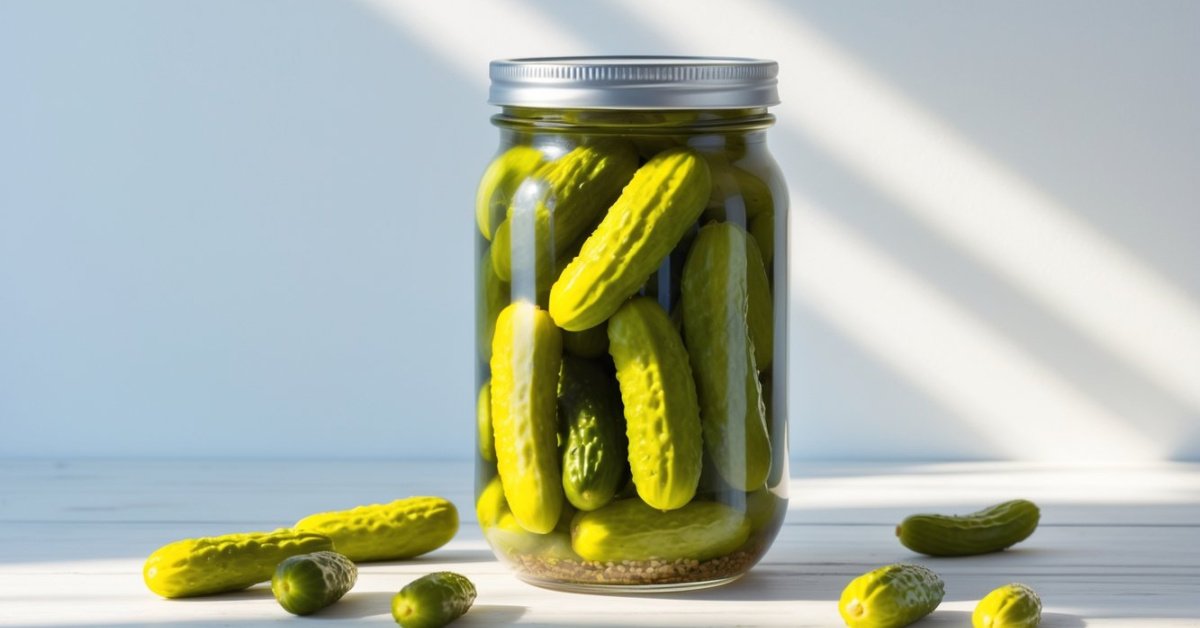
Whenever I think about adding a burst of flavor to my meals, gherkins always come to mind. These tiny pickles might look unassuming but they pack a punch that can wake up any dish. Whether I’m snacking straight from the jar or layering them onto a sandwich, their zesty crunch never disappoints.
I’ve always been fascinated by how such a small pickle delivers so much taste. Gherkins bring a unique tangy-sweet bite that’s hard to resist. They’re more than just a sidekick to burgers and salads—they’re a star in their own right. If you’re curious about what makes these little pickles so special, you’re in for a treat.
What Are Gherkins?
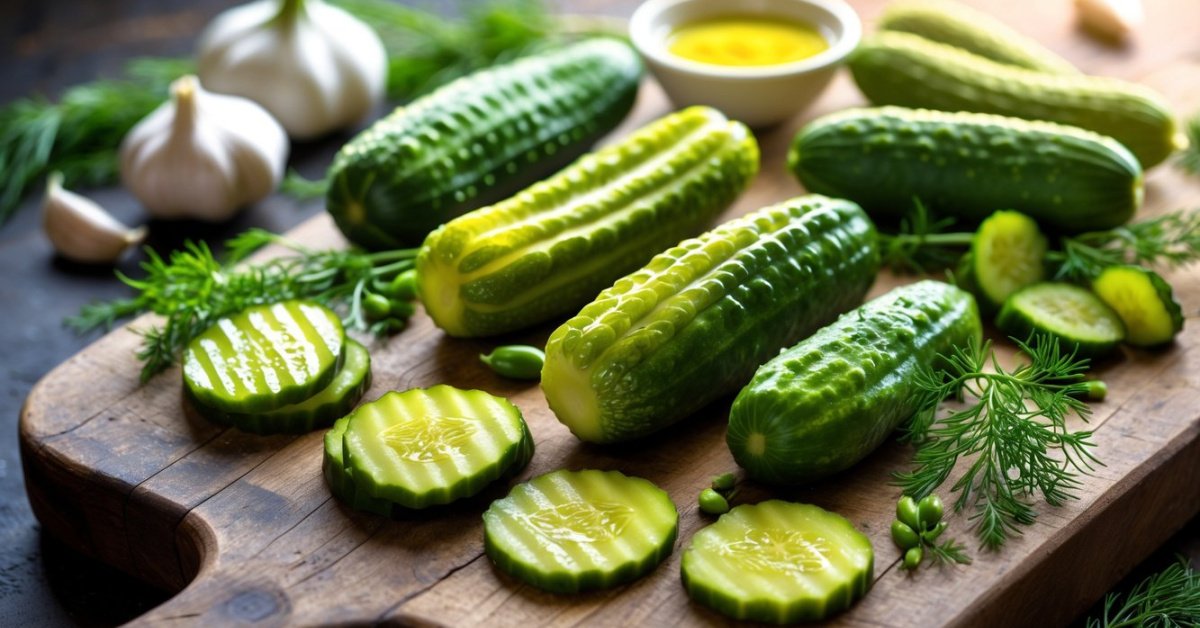
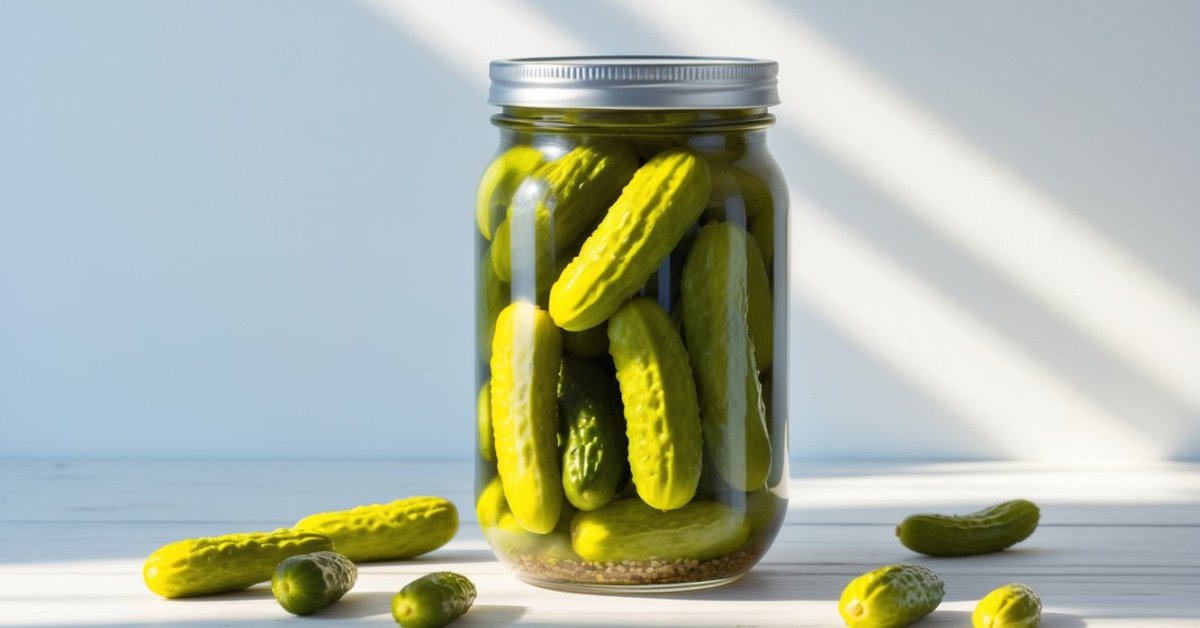
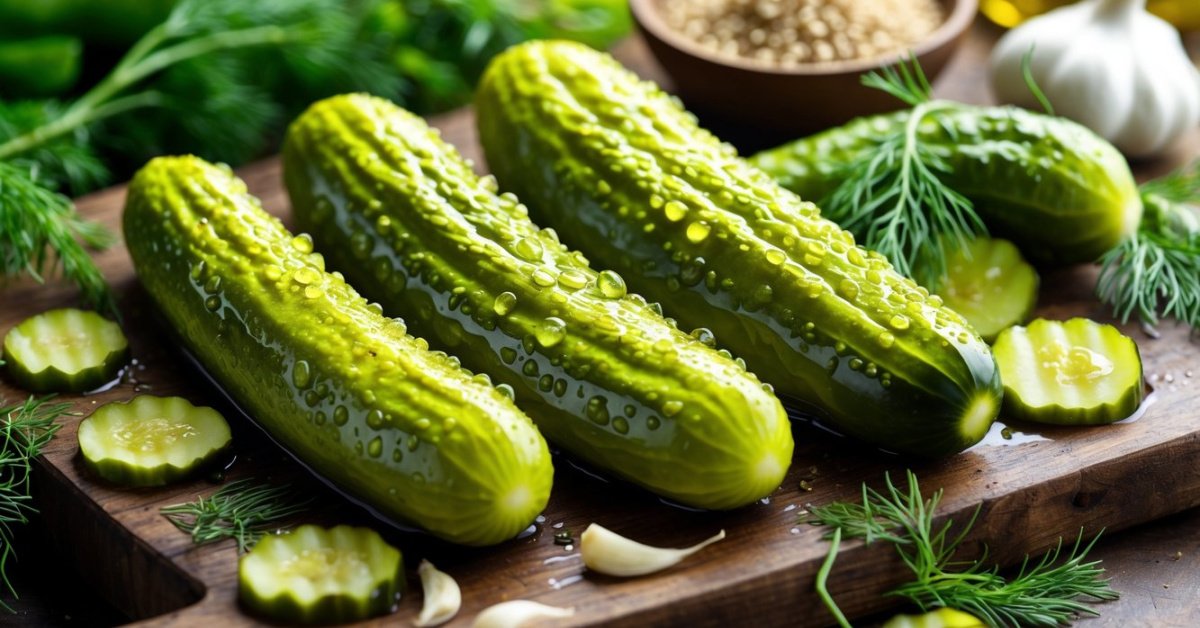
Gherkins are small cucumbers, usually 1 to 3 inches long, that I pick when they’re tender for pickling. I use specific cultivars like ‘Parisian Cornichon’ or ‘Vert Petit de Paris’ since these varieties produce crisp, bumpy skins ideal for brining. I harvest them young because their flesh stays firm, preventing mushiness during fermentation or vinegar pickling.
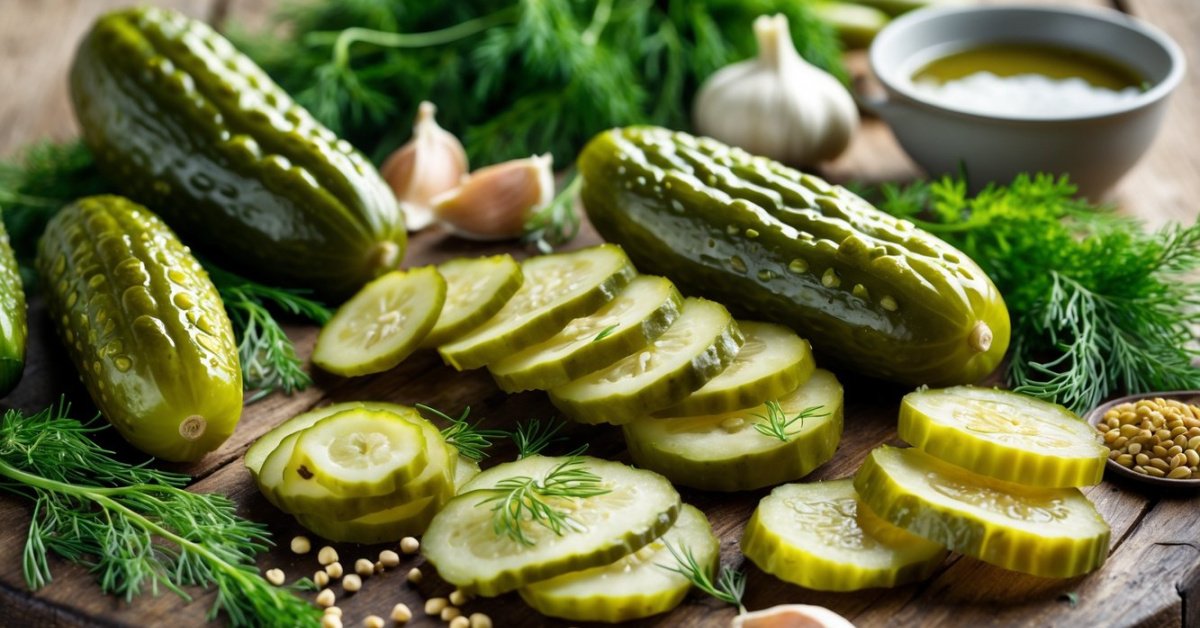
I submerge gherkins in brines containing vinegar, water, salt, and spices such as dill, mustard seed, or peppercorns. I watch for size, shape, and skin texture when choosing gherkins for pickling, since these factors impact both appearance and bite. I often produce cornichons, a French-style gherkin, by adding tarragon or pearl onions to the brine, layering flavor and complexity.
Gherkins create a distinct taste profile—tangy, slightly sweet, and crisp. I rely on these qualities for serving with charcuterie, folding into salads, or elevating sandwiches. My approach keeps their flavor bold and their texture unmistakably snappy, which sets true gherkin pickles apart from larger cucumber pickles.
The Unique Flavor Profile of Gherkins: Small Pickles with Big Taste
Gherkins give every bite a vivid mix of tang, mild sweetness, and crisp texture. I notice that each harvest delivers layers of flavor that set these small pickles apart in both quality and intensity.
How Gherkins Differ from Other Pickles
Gherkins stand out from pickles like kosher dills or bread-and-butter pickles because of their size, cultivar, and preparation. I pick gherkins when they measure just 1–3 inches, while standard pickles often use cucumbers up to 6 inches long. Specific cultivars, such as Parisian Cornichon or Fin de Meaux, contain fewer seeds and denser flesh, influencing both texture and taste. I prepare gherkins using a quick vinegar brine, not a fermented brine like many large cucumber pickles, so they feature a sharper, brighter acidity. The skin of gherkins stays thin and bumpy after pickling, adding snap and visual interest.
Key Ingredients and Preparation Methods
Gherkin pickles use simple, high-quality ingredients for big impact. My recipes begin with white or apple cider vinegar for acidity, pure water for clarity, and non-iodized salt for balanced curing. Sugar adds faint sweetness—usually no more than 2–4% of the brine. Spices like mustard seeds, tarragon, black pepper, and garlic create depth. I always start with fresh gherkins that are firm, blemish-free, and small. After washing, I soak them in ice water for two hours, then pack them tightly into jars before pouring hot brine on top. Quick pickling locks in freshness, while aging for at least seven days melds flavors, producing the distinctive crisp, zesty profile that defines a true gherkin.
Health Benefits and Nutritional Value
Eating gherkins gives me a low-calorie, flavorful snack. Each 28-gram serving contains about 4 calories, less than 1 gram of carbohydrates, and barely any fat or protein (USDA FoodData Central). These small pickles pack a punch because of their brine, not their calories.
Adding gherkins to my meals boosts my sodium intake—one serving delivers roughly 300 milligrams, about 13% of the recommended daily value. When I need to limit salt, I watch my portion sizes to balance taste and health.
Getting fiber from gherkins supports digestive health. A single serving usually provides around 0.2 grams of fiber. When I use them in salads or as garnishes, they complement other fiber-rich foods for a more balanced plate.
Sourcing the right vinegar and spices during the pickling process sometimes lets gherkins retain traces of vitamins K and A, though the amounts stay minimal compared to fresh cucumbers. Vitamin K contributes to blood clotting, and vitamin A supports vision and immunity.
Pairing gherkins with probiotic-rich ferments—like adding sauerkraut to my plate—enhances gut health, since quick-pickled gherkins themselves contain only trace probiotics due to their brining method. When I grow my own cucumbers for pickling, I sometimes leave the skins on, capturing even more trace micronutrients.
| Nutrient | Amount (per 28g) | % Daily Value (Approx.) |
|---|---|---|
| Calories | 4 | 0% |
| Sodium | 300 mg | 13% |
| Carbohydrates | 0.8 g | 0% |
| Fiber | 0.2 g | 1% |
| Vitamin K | 2.1 mcg | 2% |
| Vitamin A | 18 IU | <1% |
Popular Ways to Enjoy Gherkins
Gherkins offer bold flavor in a compact form, making them one of my favorite pickles to include across meals. I experiment with both classic and creative ways to highlight their crispness and tang.
Classic Pairings and Recipes
- Charcuterie and Cheese Boards: I layer sliced gherkins among cured meats, pâtés, and aged cheeses like Manchego or Gruyère. Their acidity balances the richness and provides a palate-cleansing bite.
- Sandwich Enhancements: I tuck gherkin slices into roast beef sandwiches, smoked turkey clubs, or vegan chickpea salads. The pickled snap brings out savory fillings without overwhelming.
- Potato and Egg Salads: I dice gherkins into potato or egg salads for brightness. French-style potato salad with fresh herbs and mustard vinaigrette shines with their tang.
- Tartare and Rémoulade: I mince gherkins for beef tartare or stir them into homemade rémoulade sauce, lending crunch and complexity.
- Pickle Plates: I serve whole gherkins alongside olives, pickled onions, and peppers for a varied pickle platter at gatherings.
Creative Culinary Uses
- Chopped Relishes: I create gherkin relishes for hot dogs or fish cakes by blending chopped gherkins with dill, capers, and shallots.
- Sushi and Rice Bowls: I julienne gherkins for rice bowls or sushi rolls, particularly with smoked salmon or tofu, where their acidity pops against seasoned rice.
- Savory Baked Goods: I fold chopped gherkins into savory muffins or biscuits with sharp cheddar and chives for a surprise zing in every bite.
- Bloody Mary Garnishes: I spear whole gherkins for Bloody Marys, pairing them with pickled okra, pearl onions, and cherry tomatoes to finish the cocktail.
- Fermented Slaws: I shred gherkins with cabbage and carrots for probiotic-rich slaw, adding brightness and crunch.
Each method preserves my harvest and stretches the impact of every gherkin crop, bringing garden-fresh taste to snacks, sides, and main dishes.
Pros and Cons of Gherkins
Pros
- Distinct Crunch and Flavor: I find gherkins give a pronounced snap and sharp tang—qualities home picklers seek for cheese boards, snack platters, and sandwiches.
- Low Calorie Snack: Every 28-gram gherkin portion provides only 4 calories, making these pickles ideal for low-calorie and carb-conscious diets.
- Quick Pickling Process: Quick-pickled gherkins let me preserve harvests in hours using simple vinegar, salt, and spices, unlike multi-week fermentations.
- Gardening Flexibility: Compact gherkin cultivars like ‘Parisian Cornichon’ thrive in small gardens or containers, so I harvest them even in urban spaces.
- Culinary Versatility: I use them to elevate relishes, salads, savory baked goods, sushi, and cocktails, making them one of my most adaptable pickles.
- Good Source of Sodium and Trace Vitamins: One serving supplies 300 mg sodium and minor amounts of vitamins K and A, which assist with hydration and wellness during gardening seasons.
- High Sodium Content: Each serving brings 13% of the daily sodium intake, so I stay mindful when serving gherkins to anyone on low-sodium diets.
- Minimal Fiber and Protein: Gherkins contain under 1 gram of fiber or protein per serving, so I complement them with beans, grains, or whole vegetables for nutrition.
- Limited Fermentation Potential: Their small size and short fermentation time mean gherkins lack the deep probiotic complexity of long-aged fermented pickles.
- Seasonal Availability: True gherkins demand specific cultivars and harvest windows, making year-round access challenging outside my own garden or specialty markets.
- Cost and Quality Variation: Specialty gherkins fetch higher prices at markets, and I’ve noticed jarred versions often lack the texture and subtlety I achieve at home.
Where to Buy the Best Gherkins
Specialty grocers carry the highest quality gherkins, with examples like Whole Foods, The Fresh Market, and local gourmet shops offering imported French cornichons and small-batch American brands. Supermarkets stock familiar brands, but I find the best texture and flavor in jars marked “cornichons” or “Petits Gherkins”—these usually come from European producers using authentic brines.
Farmers’ markets provide gherkins harvested at peak tenderness, especially from vendors who specialize in heirloom or pickling cucumbers. These markets often let me chat directly with growers about their cultivation and harvesting schedules, ensuring I get the freshest pickling cucumbers possible. In some seasons, I pick up tiny, unpickled gherkins for my own brining experiments.
Online retailers expand options, with sites like igourmet, Amazon, and specialty pickle shops shipping fresh-packed and shelf-stable gherkin varieties. I always check ingredient lists for high-quality vinegar and natural spices—these give gherkins their signature snap and flavor.
Bulk food stores sometimes carry loose pickled gherkins, which I purchase by the pound for canning or entertaining. Bulk bins let me examine size and firmness, and I can select the snappiest pickles for my favorite appetizer boards.
Garden centers and seed suppliers support self-sufficiency, with ‘Parisian Cornichon’ and ‘Fin de Meaux’ seeds available in spring. I find that growing my own gherkins offers unmatched control over harvest size and ripeness, letting me tailor brine recipes and pickling methods to my exact preferences.
Conclusion
Gherkins have a way of surprising me every time I use them—whether I’m slicing them onto a sandwich or popping one straight from the jar. Their bold flavor and crisp bite always seem to brighten up whatever I’m eating.
If you haven’t tried making your own or exploring new ways to enjoy them it’s worth giving gherkins a place in your kitchen. They might be small but their taste is anything but.