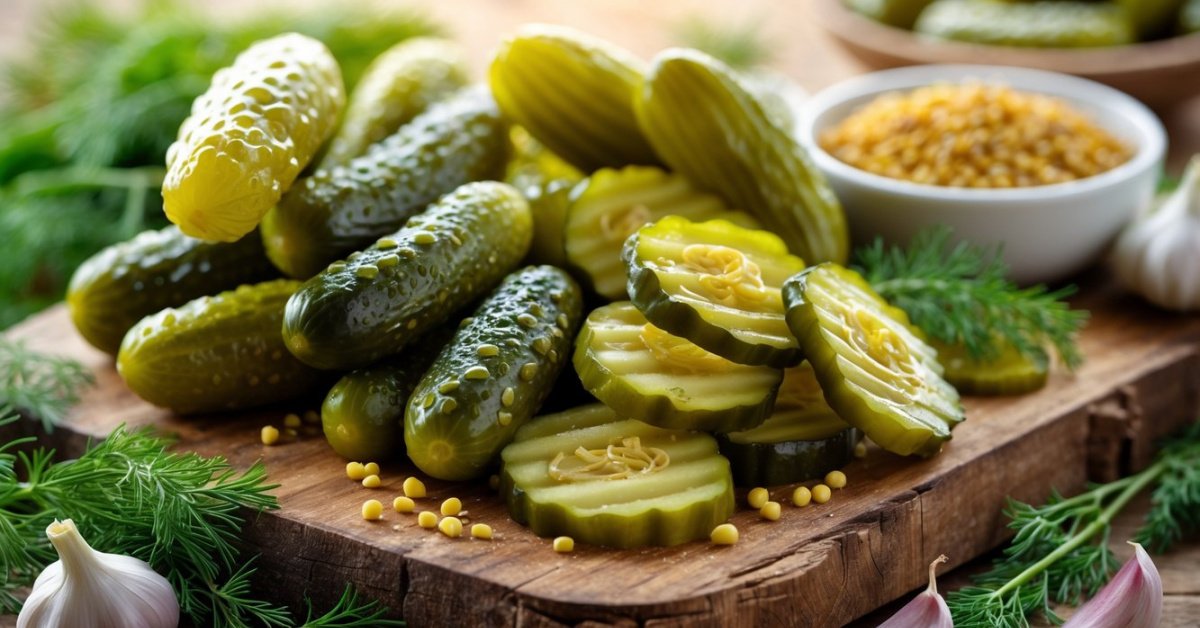
There’s something irresistible about the snap of a perfectly crunchy pickle. I’ve always loved the way half-sour pickles bring together a burst of fresh flavor and just the right amount of tang. They’re the kind of snack that keeps me coming back for more—refreshing crisp and never too sour.
When I first discovered half-sour pickles I was surprised by how different they tasted from the classic dills I grew up with. These pickles are all about balance. They’re light and bright with a hint of garlic and spices but still let the natural flavor of the cucumber shine through. If you’re looking for a pickle that’s both crunchy and fresh you’re in for a treat.
What Makes Half-Sour Pickles Unique?
Half-sour pickles keep their signature crunch because I use a quick ferment process, not heat-based canning. Brining fresh cucumbers in a simple saltwater solution for 1–4 days lets them stay crisp and vibrant green. Low acidity in half-sours means the flavor remains mild, with only a gentle tartness.
Fermentation for half-sour pickles relies on naturally occurring lactobacillus bacteria. I never add vinegar, so the brine lets garlic, dill, and spice notes come through while preserving the cucumber’s original taste. Short fermentation produces less lactic acid than full-sour pickles, so half-sours taste fresher and lighter but retain enough tang to set them apart from just eating raw cucumbers.
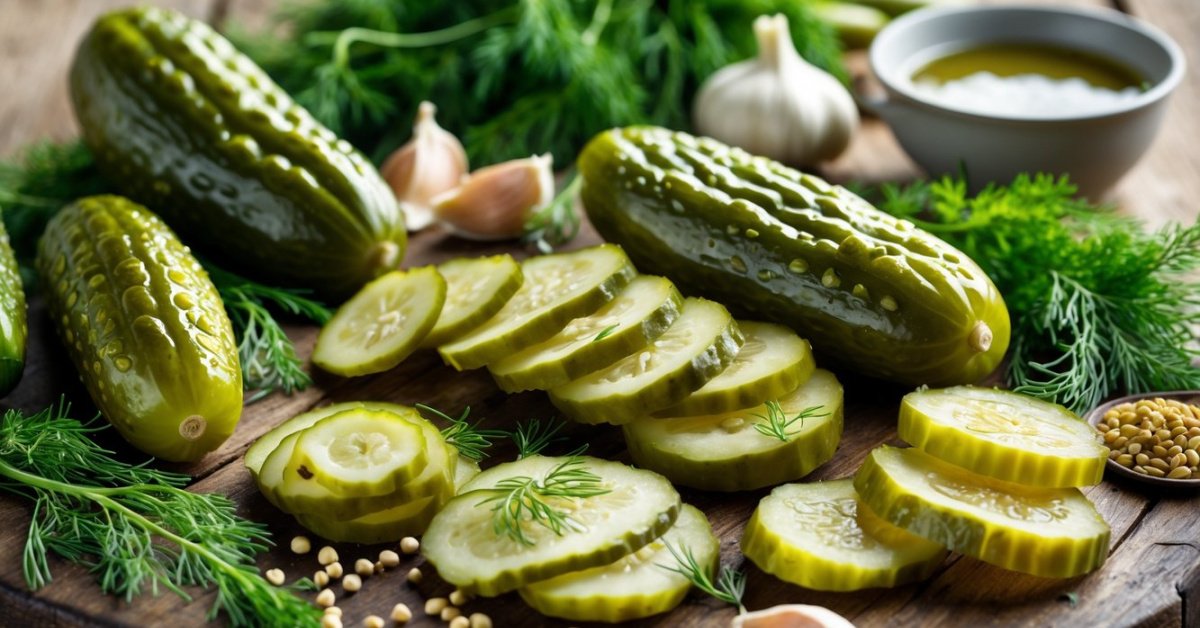
Texture difference stands out right away. When you bite into a half-sour, you get a snap and juiciness that more sour or store-bought varieties often lose. That’s why half-sour pickles work so well for noshing straight out of the jar or adding to a spread—they highlight homegrown cucumbers’ natural qualities.
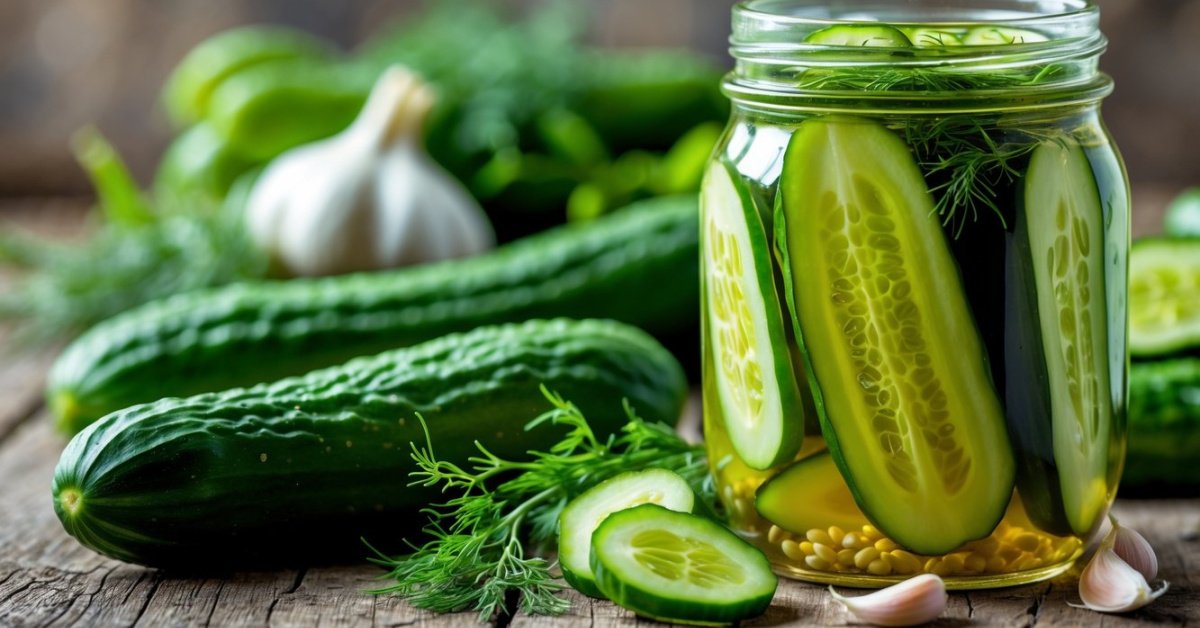
Fresh herbs and whole spices are essential for authentic half-sour pickles. I always add plenty of garlic cloves, dill heads, coriander seeds, and peppercorns for layered flavors without overpowering the vegetable. This delicate balance is what makes half-sours a staple in many pickling traditions and a favorite among those who want the taste of the garden in every bite.
The Taste and Texture Experience
I enjoy half-sour pickles most for their bright, clean flavor and satisfying snap. Each bite showcases both the freshness of the cucumber and the subtle layers of garlic and spices.
Crunch Factor: What Sets Them Apart
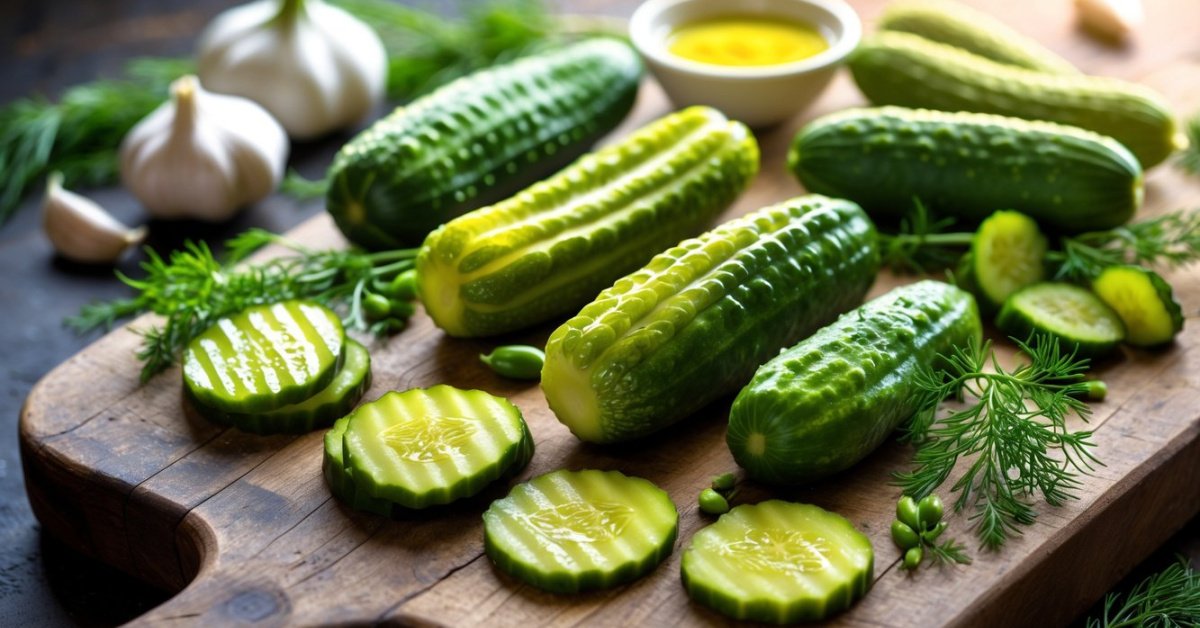
Half-sour pickles impress with their intense crunch. I notice this texture comes from using just-picked garden cucumbers and fermenting them cold. Unlike fully fermented or canned pickles, half-sours stay extra firm because they’re brined only a few days and never heated. When I eat a batch picked at peak ripeness, that first bite offers a distinct resistance before yielding to a juicy center—a result I don’t find in most store-bought or vinegar-pickled varieties.
Freshness in Every Bite
Freshness defines every aspect of half-sour pickles. My process starts with unwaxed cucumbers harvested from the garden within hours of pickling. The short brining window—usually just 48 to 96 hours—keeps the flavor crisp and lets garden-grown herbs like dill and garlic stand out. Lactic acid fermentation brightens the taste by allowing the cucumbers’ natural sweetness to balance the mild tartness. With every pickle, I taste the garden’s soil, sun, and care, making half-sours the freshest-tasting pickles in my pantry.
How Half-Sour Pickles Are Made
Half-sour pickles get their signature crunch and fresh flavor through a simple, time-tested process. By combining fresh-picked ingredients with a mild brine and short fermentation, I create pickles that truly capture the bright taste of my garden.
Key Ingredients Used
- Cucumbers: I always use small, firm, just-harvested cucumbers for half-sours. These garden cucumbers deliver the crisp bite and juicy texture essential for an excellent half-sour pickle.
- Salt: I add pure, non-iodized kosher salt to draw out moisture and create the right environment for beneficial lactobacillus bacteria.
- Water: I use filtered water to avoid chemicals that could inhibit fermentation and to keep flavors clean.
- Garlic: I add several whole garlic cloves, as their pungency infuses each jar with a gentle kick and enhances the natural vegetable flavor.
- Fresh Dill: I pack big sprigs of dill to ensure a strong herbal aroma and classic pickle taste.
- Spices: I include black peppercorns, coriander seeds, and sometimes mustard seeds for subtle layers of warmth and zest.
The Fermentation Process
To ferment half-sour pickles, I start by washing and trimming my cucumbers before arranging them upright in clean glass jars. I add the garlic, dill, and spices around the cucumbers, then pour in a cold saltwater brine until everything’s fully submerged. I keep the jars at room temperature, between 68–72°F, for 2–4 days, making sure any floating cucumbers stay under the brine by weighting them if needed.
During fermentation, lactobacillus bacteria naturally present on the cucumber skins convert sugars into lactic acid, which preserves the pickles without adding vinegar. After about 48 hours, I taste for that ideal balance: a gentle sourness, lots of crunch, and the green color still bright. Once the flavor’s right, I refrigerate the pickles to stall any further fermentation and lock in their signature texture. This method results in a vibrant, garden-fresh pickle I reach for every time.
Pros and Cons of Half-Sour Pickles
Pros
- Maximum Crunch: I get unmatched crunch from half-sour pickles thanks to the cold fermentation process. Using cucumbers just hours from the garden gives a snap that vinegar-cured pickles never match.
- Fresh, Clean Flavor: My half-sours keep the natural cucumber taste front and center. The subtle salinity and garlic-dill undertones never overpower, letting me experience that just-picked flavor in every bite.
- Quick Fermentation: I enjoy pickles in as little as 2 days with half-sours, unlike full sour methods that take several weeks. This fast turnaround means I can enjoy garden produce soon after harvest.
- Minimal Preservatives: My recipe uses only salt, water, and spices—no vinegar or artificial stabilizers. The pickles rely on lacto-fermentation, which supports gut health and maintains a clean ingredient list.
- Versatile Snack: I reach for half-sours with sandwiches, chopped in salads, or straight from the jar. Their balanced flavor profile works across meals, picnics, and charcuterie spreads.
Cons
- Shorter Shelf Life: My half-sours hold their best crunch and flavor for 2–4 weeks when refrigerated. If left longer, the pickles lose crispness and develop stronger sour notes.
- Limited Tartness: Anyone seeking robust acidity might find half-sours too mild. The gentle lactic tang never delivers the punch of a full-sour or vinegar pickle.
- Time Sensitive Ingredients: I always need very fresh cucumbers for successful half-sours. Overripe or stored cucumbers become mushy after brining, so timing with garden harvest is crucial.
- Active Fermentation Monitoring: I check my jars daily during the brining period. Over-fermentation or warm temperatures cause unwanted softness or off flavors if left unchecked.
- Batch Size Constraints: My small-batch approach is ideal for garden surplus, but scaling up can challenge consistency. Half-sours require precise salt ratios and even cucumber size for reliable crunch.
| Pros | Cons |
|---|---|
| Maximum Crunch | Shorter Shelf Life |
| Fresh, Clean Flavor | Limited Tartness |
| Quick Fermentation | Time Sensitive Ingredients |
| Minimal Preservatives | Active Fermentation Monitoring |
| Versatile Snack | Batch Size Constraints |
Serving Suggestions and Pairings
Pickle lovers often ask me how I enjoy half-sour pickles beyond snacking straight from the jar. My favorite methods spotlight their crunchy texture and garden-fresh flavor as vibrant highlights for meals and gatherings.
- Charcuterie and Cheese Boards
I always add half-sours to charcuterie platters featuring hard cheeses like aged gouda, soft cheeses like brie, and cured meats like salami. Their mild tartness and herbal crunch balance rich and fatty bites.
- Sandwiches and Burgers
I layer thick half-sour slices on turkey clubs, roast beef sandwiches, and grilled burgers. The pickles’ tang adds freshness and complements smoky, meaty flavors.
- Salads and Grain Bowls
I chop half-sours into tossed salads with garden greens or grain bowls with farro, chickpeas, and feta. Pickles provide bright contrast to earthy grains and creamy dressings.
- Seafood and Smoked Fish
I serve half-sours alongside smoked salmon, whitefish salad, or poached shrimp. Their clean acidity cuts through the richness of seafood, especially when matched with fresh dill sprigs.
- Picnic and Grilled Dishes
I pack half-sours as a crunchy side with grilled chicken, bratwurst, or potato salad at picnics. Their cold snap stands up to hearty, outdoor fare.
Pairings for half-sour pickles work best when I focus on dishes that highlight freshness and keep flavors in balance. I avoid heavily acidic foods or overly spicy entrees to preserve the cucumbers’ subtle taste. When serving for a crowd, I offer whole pickles, thick spears, or crisp slices so each guest can enjoy their signature crunch.
Where to Find the Best Half-Sour Pickles
Farmers markets top my list for finding the freshest, crunchiest half-sour pickles. Locally grown cucumbers used in small-batch brines deliver the garden flavor I crave in every bite. I always ask vendors about their pickling process and look for cloudy brine, flecks of fresh dill, and vibrant green skins—the hallmarks of a true half-sour.
Specialty delis, especially those with Eastern European or Jewish roots, offer half-sour barrels brimming with tradition. Katz’s Delicatessen in New York, Manny’s Cafeteria & Delicatessen in Chicago, and Zingerman’s Deli in Ann Arbor specialize in classic recipes. I favor these spots because pickles here undergo natural fermentation with no shortcuts.
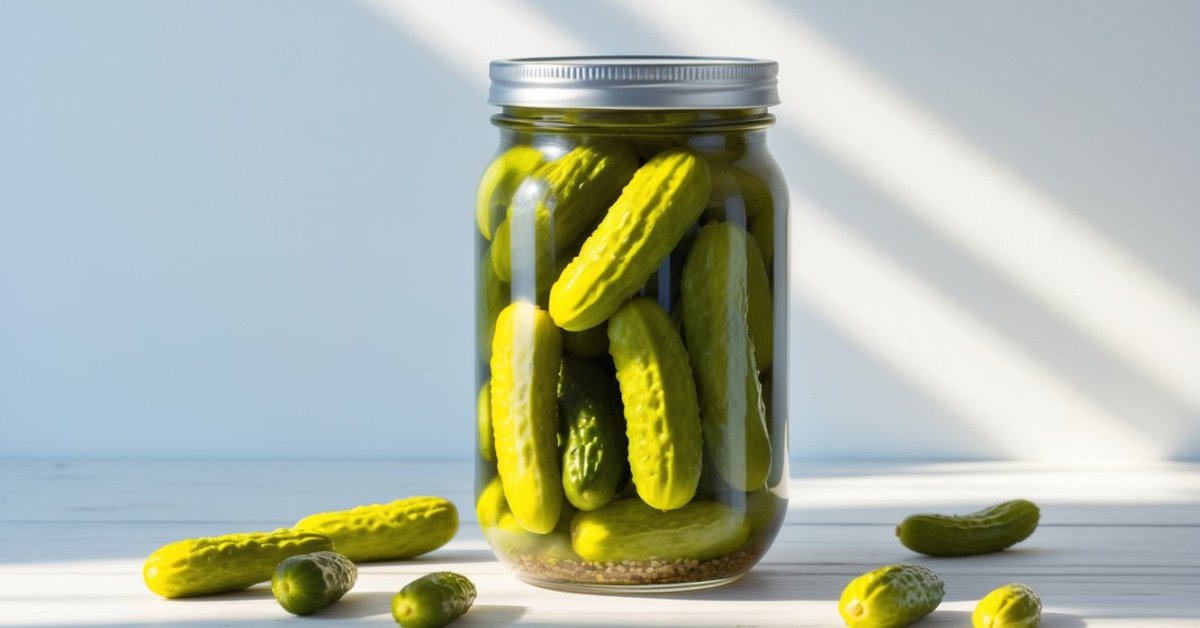
Natural food co-ops and independent grocery stores sometimes stock refrigerated half-sours from local producers. I check the refrigerated section for glass jars with live cultures, avoiding heat-canned options. Fresh, crunchy pickles rarely sit more than a few days before selling out.
Pickle festivals and food fairs introduce me to regional producers with unique spice blends and brine techniques. Brooklyn’s Pickle Festival and Cleveland’s Pickle Fest feature top small-batch fermenters who take pride in their craft, using just-picked cucumbers and old-world methods.
For those who want home-fermented flavor, I recommend sourcing organic cucumbers from your backyard or a trusted farmers market, then following a cold-brine recipe at home. I share my favorite pickling techniques in workshops and online guides for fellow enthusiasts seeking the ultimate fresh crunch.
Places to Find Half-Sour Pickles
| Location Type | Notable Examples | Features |
|---|---|---|
| Farmers markets | Union Square Greenmarket NYC, Ferry Plaza San Francisco | Local cucumbers, small-batch brines |
| Specialty delis | Katz’s NYC, Manny’s Chicago, Zingerman’s Ann Arbor | Traditional barrels, classic fermentation |
| Food co-ops/grocers | Park Slope Food Coop, Rainbow Grocery | Glass jars, live cultures, quick turnover |
| Pickle festivals/fairs | Brooklyn Pickle Festival, Cleveland Pickle Fest | Variety of producers, garden-fresh samples |
| Home fermentation | Backyard, local gardens | Full control, peak flavor and crunch |
Conclusion
Half-sour pickles have become one of my favorite ways to capture the garden’s freshness all year long. Their crisp snap and mild tang always brighten up my meals and snacks.
Whether I’m picking up a batch from the farmers market or fermenting my own at home there’s something special about that first juicy bite. If you love a pickle that lets the cucumber’s natural flavor shine half-sours might just win you over too.
I hope you’ll give them a try and discover the simple joy of a truly crunchy and fresh pickle.