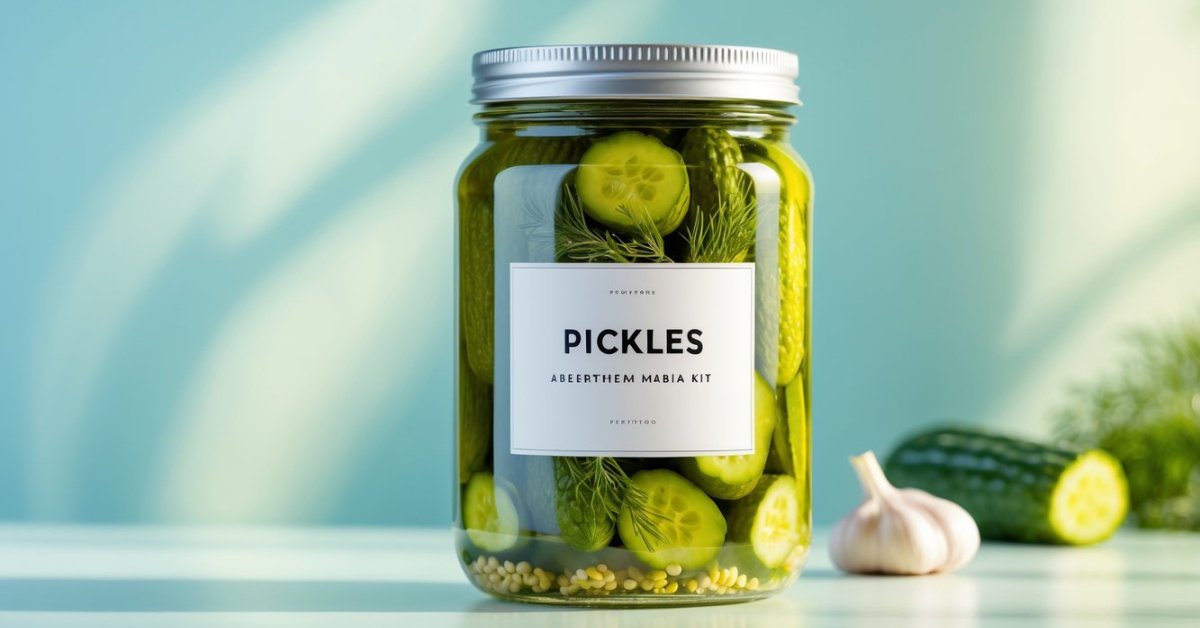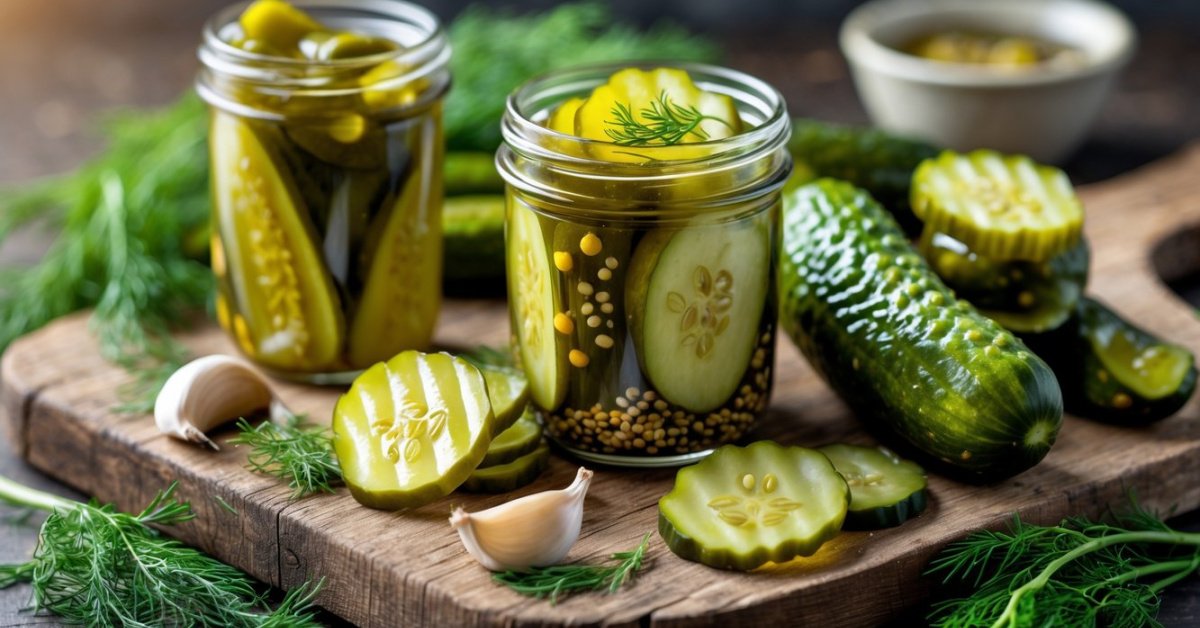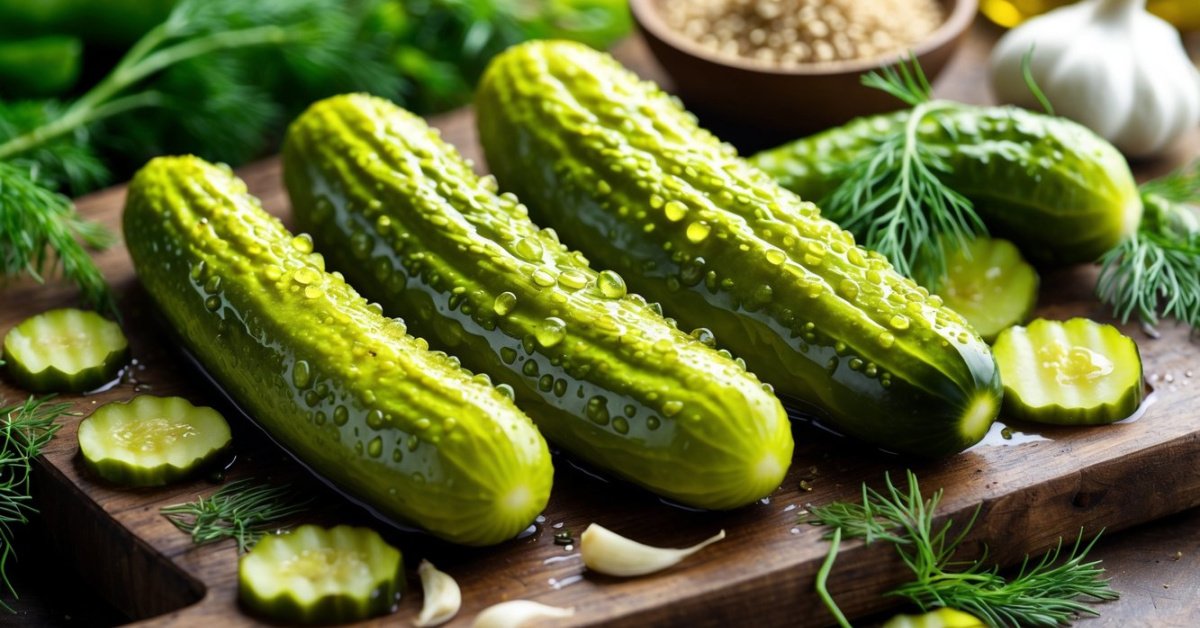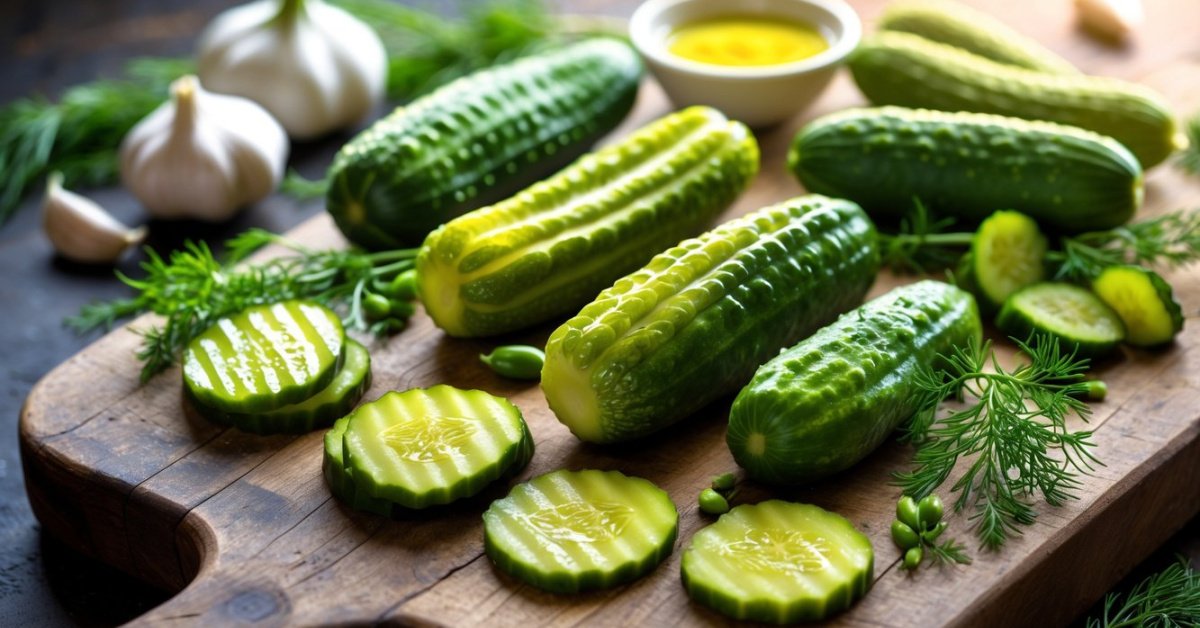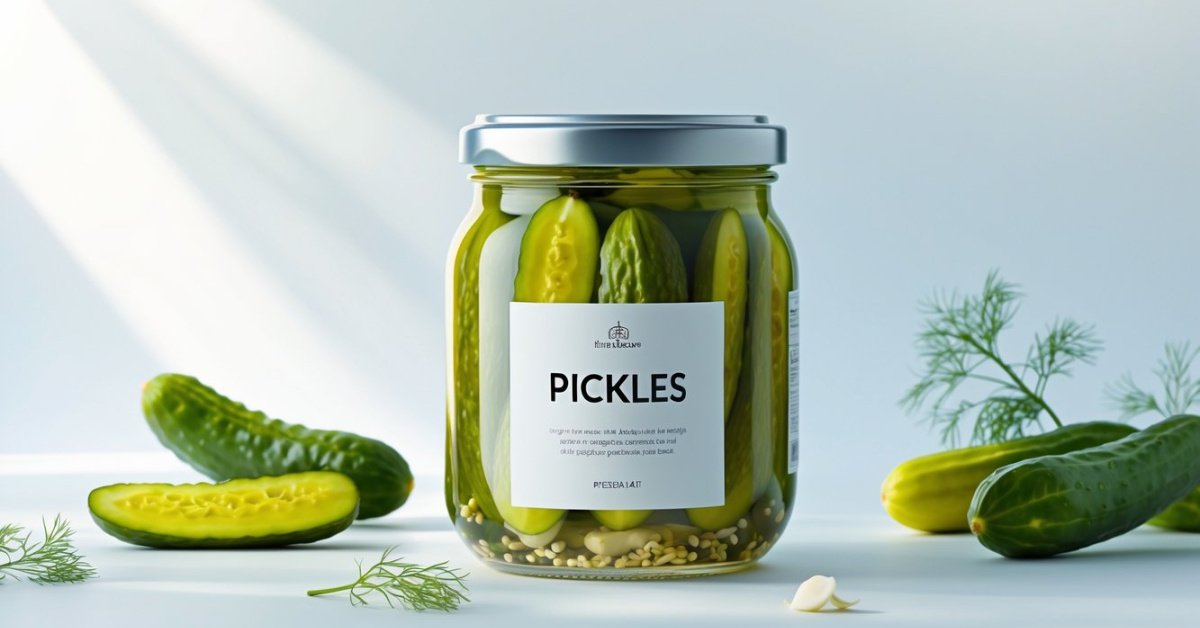
There’s something irresistible about the tangy crunch of a sweet pickle. Whenever I bite into one I’m instantly reminded of backyard picnics and family gatherings where a jar of these delights never lasted long. Sweet pickles bring a playful twist to any meal with their unique blend of sugar and spice.
I’ve always loved exploring the world of pickles but sweet varieties hold a special place in my heart. Whether you’re new to pickling or just looking to add a little sweetness to your plate I’m excited to share what makes sweet pickles so memorable. Let’s dive into the flavors and find your new favorite bite.
What Are Sweet Pickles?
Sweet pickles offer a signature balance of tart vinegar, sugar, and spices. I create sweet pickles by brining cucumbers—usually thin-sliced or chunked—with a measured sweetener like cane sugar or honey. Jars feature a robust spice infusion, often using cinnamon, cloves, and mustard seed.
Pickle batches gain sweetness through the right sugar-to-brine ratio. Classic sweet pickle types include bread and butter pickles, sweet gherkins, and candied varieties. I notice bread and butter pickles deliver a mellow sweetness and crisp texture, while candied pickles show a deeper flavor with extra syrup.
These pickles use common vegetables like cucumbers and sometimes include okra, onions, or green tomatoes. Sweet pickling methods also help me extend shelf life and reduce food waste from my garden harvest. My sweet pickles add flavor complexity as snacks or condiments for sandwiches and cheese boards.
Types of Sweet Pickles
Sweet pickles appear in several classic forms, each shaped by specific ingredients and pickling methods. I find that the subtle differences in flavor and texture set each variety apart for any homegrown harvest.
Bread and Butter Pickles
Bread and butter pickles combine thin-sliced cucumbers, onions, and a sweet brine of vinegar with sugar, mustard seed, and celery seed. I notice their hallmark taste comes from the balance of tartness and mellow sweetness, often with a slight crunch. These pickles pair well with burgers, sandwiches, and cheese boards.
Candied Pickles
Candied pickles feature cucumber slices soaked in a heavy syrup of sugar and vinegar, sometimes with cinnamon or cloves. I prepare these when I want a dense sweetness and rich flavor. They often work as a dessert pickle or a flavorful relish in salads.
Gherkin Pickles
Gherkin pickles use small, immature cucumbers that stay crisp after pickling. My batches include a sweet-tart brine, often flavored with dill, garlic, or allspice. These petite pickles frequently serve as garnishes or snacks, and their size makes them perfect for appetizers or picnic baskets.
The Flavor Profile of Sweet Pickles
Sweet pickles deliver vibrant flavor through a delicate interplay of sugar, vinegar, and spices. I craft each batch with intention so every jar offers a satisfying balance of tang, sweetness, and aroma.
Common Ingredients That Create Sweetness
Sweet pickles feature specific ingredients I select to build sweetness and complexity:
- Sugar: Granulated white sugar lends direct sweetness and clarity in bread and butter and candied pickles.
- Honey: Local honey adds floral notes and depth, used in some small-batch gherkins.
- Maple Syrup: Pure maple syrup introduces earthy undertones in experimental recipes or heritage styles.
- Cinnamon & Cloves: Warm whole spices give candied pickles a layered, dessert-like quality.
- Mustard Seed & Celery Seed: These spices counterbalance sweetness and round out the flavor in classic bread and butter brines.
Balancing Sweetness with Acidity and Spice
I rely on acidity and heat to enhance and sharpen sweet pickles, preventing cloying or overpowering sugar:
- Vinegar: I use distilled white vinegar or apple cider vinegar in a ratio of at least 1:1 with sugar, which provides safe preservation and tartness.
- Salt: Kosher or pickling salt amplifies both sweet and sour elements, intensifying the finish.
- Chili Pepper Flakes: A pinch brings mild heat to offset sweetness in gherkin recipes or relishes.
- Fresh Garlic: Sliced or smashed cloves pierce through sugary brines, yielding a savory backbone that complements sweet pickles as a snack or condiment.
Through careful ingredient choice and methodical brining, I balance each sweet pickle for crisp texture and multidimensional flavor that appeals to both new and experienced pickle lovers.
How Sweet Pickles Are Made
Every batch of sweet pickles starts with fresh, crisp cucumbers straight from the garden. I use layering, soaking, and careful monitoring to bring out intense flavor and perfect texture.
Traditional Methods
I follow classic sweet pickle recipes that rely on small-batch brining. I start by washing whole or sliced cucumbers, then soak them in a saltwater brine for about 24 hours to draw out excess moisture and keep them snappy. I mix vinegar and granulated sugar, usually at a 1:1 ratio, and add warming spices like mustard seed, cinnamon stick, and cloves for aroma. I heat the brine until the sugar dissolves, pour it over the cucumbers, and let them cure for several days. I finish by sealing the pickles in sterilized jars using a hot-water bath, which gives them a shelf life well over 12 months if stored in a cool pantry.
Modern Variations
I experiment with quick-pickle techniques and creative ingredients to build new sweet pickle options. I swap cane sugar with local honey or maple syrup to craft distinct undertones, using apple cider vinegar for nuanced acidity. I make refrigerator pickles by pouring hot brine over cucumbers in jars, sealing them, and then refrigerating immediately; these batches are crisp in under 48 hours but keep for up to 2 months. I often add unique ingredients like ginger, lemon zest, or jalapeño slices for depth and complexity, personalizing each small batch while keeping that signature sweet-sour-spicy balance.
Serving Suggestions and Pairings
Sweet pickles bring vibrant flavors and crisp textures to dishes, adding brightness to meals or snacks. I often look for ways to showcase their tangy-sweet character both on the table and in recipes.
Best Foods to Enjoy with Sweet Pickles
- Sandwiches and burgers
I layer bread and butter pickles on turkey sandwiches, grilled cheese, or hamburgers to cut through rich meats or cheeses.
- Charcuterie boards
I add sweet gherkins or candied pickle slices next to sharp cheddar, peppered salami, or smoked nuts for contrast on appetizer platters.
- Salads and slaws
I toss chopped bread and butter pickles into potato salad, chicken salad, or coleslaw, amplifying crunch and subtle zest.
- Barbecue plates
I serve pickled spears alongside pulled pork, brisket, or grilled sausages, as the sweet-sour notes balance smoky, savory flavors.
- Simple snacks
I eat sweet pickles straight from the jar or serve them with crackers and cream cheese for quick, satisfying nibbles.
Creative Uses in Recipes
- Relish blends
I dice candied pickles with red bell pepper, celery, and onion, then combine with mayonnaise for a homemade relish to top grilled fish, sausages, or chicken.
- Deviled eggs
I fold chopped sweet pickles and a spoonful of pickle brine into mashed yolks for deviled eggs with punchy depth and texture.
- Bread and butter pickle vinaigrette
I whisk pickle brine with olive oil, Dijon mustard, and a little honey to create a bright vinaigrette for greens, roasted root vegetables, or bean salads.
- Sweet pickle chicken salad
I stir diced sweet pickles into shredded chicken with Greek yogurt, fresh herbs, and toasted pecans, offering a tangy, wholesome lunch filling.
- Glazed ham or pork
I add finely chopped sweet pickles to baked ham glaze or pour over roasted pork loin, letting the pickles’ sugar and vinegar enhance caramelization and balance savoriness.
Health Benefits and Considerations
Sweet pickles contain nutrients and antioxidants from fresh cucumbers, onions, and spices. I pack my jars with homegrown cucumbers, which offer vitamin K, potassium, and fiber. I often add onions for more flavor and quercetin, an antioxidant found in alliums. Spices like mustard seed and celery seed contribute trace minerals and polyphenols, supporting overall wellness.
Small servings of sweet pickles add probiotics and enzymes if I ferment rather than heat-process the jars. These living cultures can help with gut balance, though most commercial sweet pickles use high-heat canning, which removes probiotics. Brining at home with traditional methods preserves more of these benefits compared to store-bought jars.
Sugar content remains a primary consideration with sweet varieties. Most recipes call for 12 to 18 grams of added sugar per 1-ounce serving, based on USDA data for sweet pickles and bread-and-butter varieties.
| Type | Sugar (g/oz) | Sodium (mg/oz) |
|---|---|---|
| Bread & butter | 14 | 260 |
| Candied pickles | 16–18 | 240 |
| Sweet gherkins | 12 | 250 |
High sugar content can contribute to blood glucose spikes, so I use honey or maple syrup in small-batch pickles for milder sweetness. Sodium helps preserve crispness, but I recommend watching the amount—commercial pickles average 240 to 260 mg sodium per ounce. If you monitor sugar or sodium intake, homemade batches let you control both.
Allergies and sensitivities sometimes occur with ingredients like mustard seed, celery seed, or spices containing sulfites. I recommend checking labels or recipes if sensitivity is a concern.
Sweet pickles make a practical, shelf-stable way to enjoy garden harvests year-round. When I put up my own batches, I find they’re a valuable source of preserved produce outside the growing season, offering flavor, variety, and a taste of summer even in midwinter.
Conclusion
Sweet pickles have brought so much joy and creativity to my kitchen and table. I love how they invite experimentation with flavors and ingredients while always delivering that familiar tangy sweetness.
Whether you’re reaching for a classic bread and butter pickle or trying your hand at a new recipe with honey or maple syrup these little jars hold endless possibilities. There’s always something new to discover and share with friends and family.