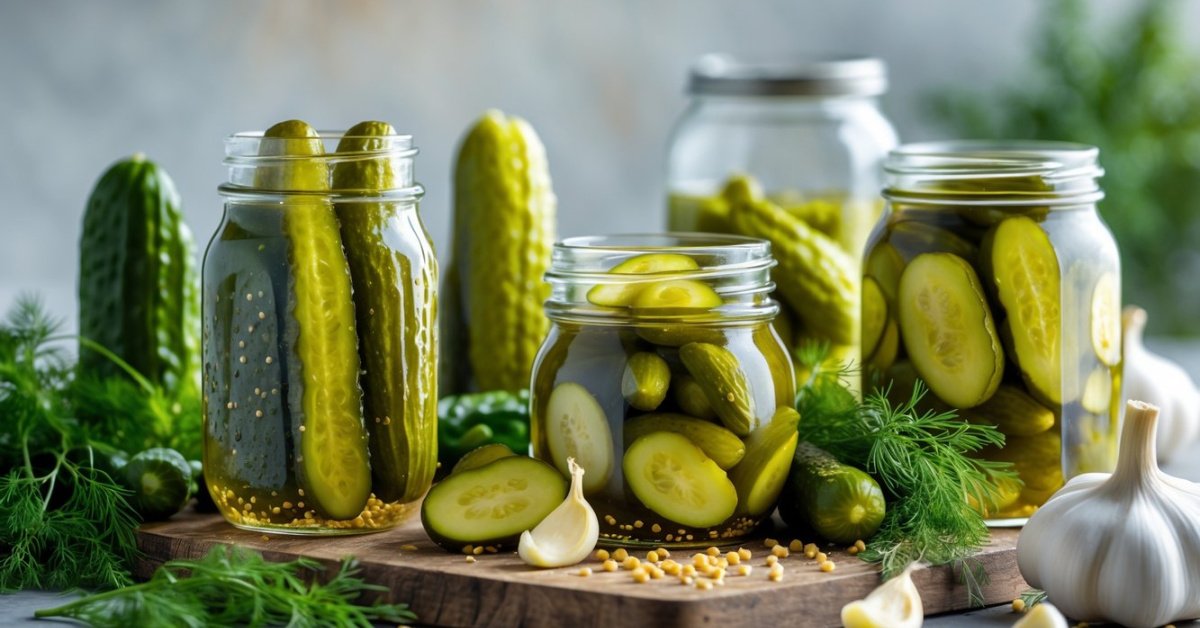
Whenever I start a new diet I always find myself questioning which snacks are actually allowed. If you’re following keto you know how tough it can be to find tasty treats that fit within those strict carb limits. That’s where pickles come in—they’re crunchy tangy and totally addictive.
But are pickles really keto-friendly or could they be hiding sneaky carbs that’ll mess with your progress? I’ve wondered the same thing so I decided to dig into the facts. Let’s explore whether you can enjoy pickles guilt-free on a low-carb lifestyle.
What Makes Pickles Keto-Friendly?
Pickles fit into a keto lifestyle mainly because of their low carb content. I rely on cucumbers, vinegar, water, and salt as the base for pickling. Most pickled cucumbers—like dill and sour varieties—contain less than 2g net carbs per ounce (data: USDA, 2023).
Carb counts stay low when I skip sweeteners in the brine. Sugar-free versions avoid extra glucose or fructose, which spike carb totals. Sweet pickles or bread-and-butter types often pack over 4g net carbs per ounce because of added cane sugar or syrup.
Fermented pickles—produced using brine and naturally occurring lactobacillus—bring in probiotics and usually have zero sugar left post-fermentation. Shelf-stable commercial pickles sometimes include hidden sugars or stabilizers, so I always check nutrition labels for carb quantity and ingredient sources.
Selecting fresh cucumbers from my own garden helps control both flavor and nutrition. Smaller cukes or pickling varieties absorb less brine and hold firmer texture, resulting in consistently low-carb pickles.
The simple, whole-food ingredient list ensures that, when prepared traditionally and without sugary additives, pickles maintain keto compatibility.
Types of Pickles and Their Carb Content
Pickle varieties differ greatly in carb content, mostly because of their ingredients and how they’re made. I’ll break down the most common pickles so you can easily see which fit into a low-carb or keto plan.
Dill Pickles
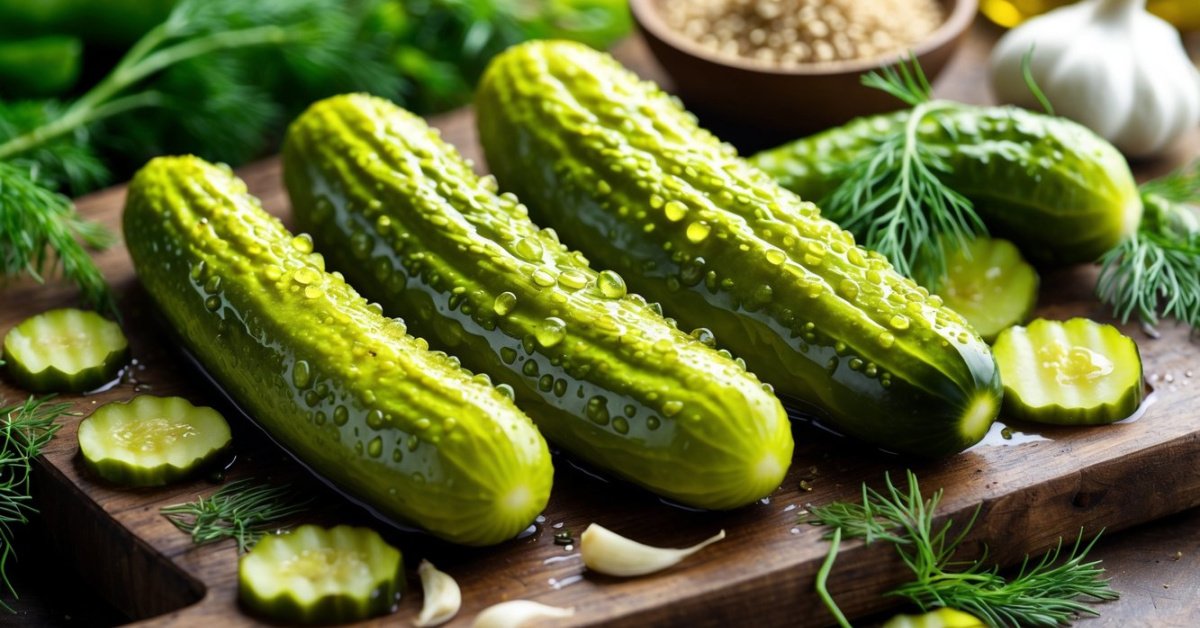
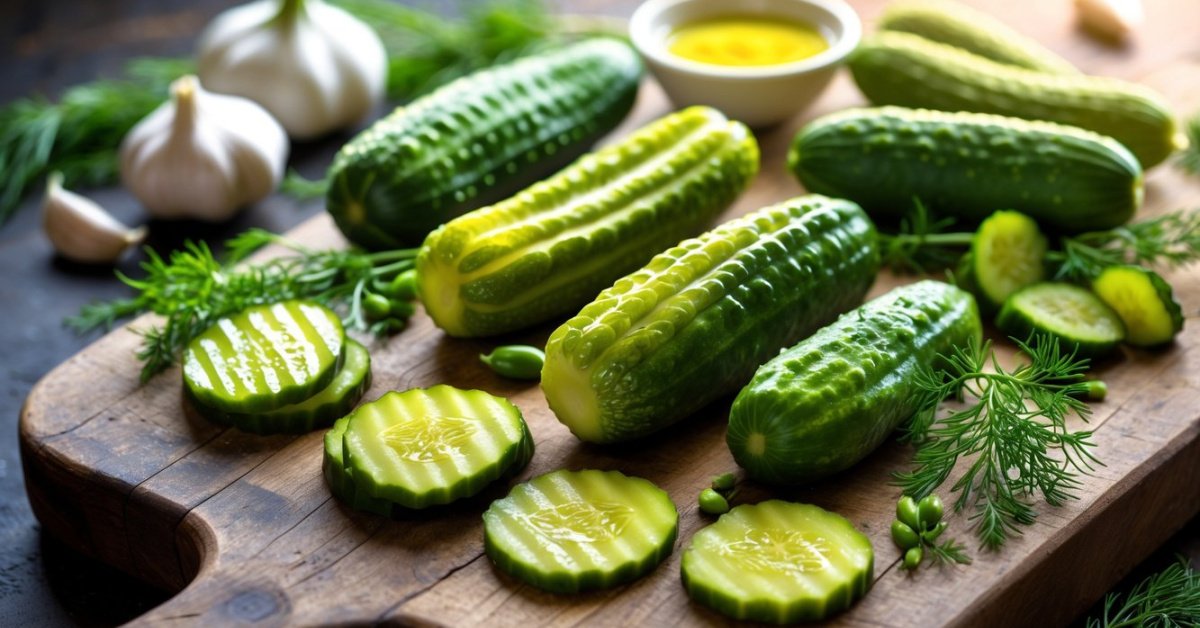
Dill pickles, like the classic fermented whole cucumbers I make from my garden haul, typically contain 1–2g net carbs per ounce. I never add sugar to my brine, and that keeps the carb count low. You’ll usually find fresh dill, garlic, and vinegar in ingredient lists for commercial dill pickles. Always check for sweeteners in store-bought varieties since these can edge up the carb content. My favorite batches use only salt brine and spices, which means zero hidden carbs.
Sweet Pickles
Sweet pickles include relishes and candied varieties that use sugar or corn syrup in the brine. I rarely make these in my kitchen since their carb content climbs fast—some brands list 5–6g net carbs per ounce, mostly from added sugars. Even small sandwich slices or relishes can quickly knock you out of ketosis if you’re not tracking carefully. For any sweet pickles, I recommend scrutinizing every label or making your own with sugar alternatives.
Bread and Butter Pickles
Bread and butter pickles, a popular semi-sweet variety, sit between dill and sweet types in both flavor and carbs. These are the ones many friends ask about, and they often register 3–6g net carbs per ounce because of the sugar in their tangy-sweet brine. I like using monk fruit or stevia when I make my own, which cuts net carbs dramatically while keeping the classic flavor. Store-bought versions nearly always contain sugar—read your labels before adding them to a low-carb plate.
| Pickle Type | Typical Net Carbs (per oz) | Key Ingredients | Sugar Usually Added? |
|---|---|---|---|
| Dill Pickles | 1–2g | Cucumber, dill, salt, vinegar | No |
| Sweet Pickles | 5–6g | Cucumber, sugar, vinegar | Yes |
| Bread & Butter Pickles | 3–6g | Cucumber, onion, sugar, spices | Yes |
How to Choose Keto-Friendly Pickles
Pickles fit a keto lifestyle when I choose varieties with minimal carbs and pay close attention to what goes into the jar. I rely on years of gardening and pickling to spot low-carb, high-quality options every time.
Reading Nutrition Labels
I check every nutrition label before picking up a new jar. I look for net carbs per serving—true keto pickles list 1–2g net carbs per ounce. I scan the ingredient list for cucumbers, vinegar, water, salt, spices and avoid anything with sugar, corn syrup, or dextrose. If the label lists fewer than five whole-food ingredients, like in many classic dill pickles, I know I’m likely choosing a cleaner option.
Avoiding Hidden Sugars
I avoid pickles with sweeteners if I want to stay in ketosis. Commercial brands often add sugar, honey or high-fructose corn syrup even to products marketed as “savory” or “crunchy.” I always check for names like “bread and butter” or “sweet relish”—these often signal extra carbs. When I make my own pickles at home using cucumbers from my garden, I skip all sugars and stick to vinegar, garlic and dill for flavor, guaranteeing they’re truly keto-friendly every time.
Tips for Including Pickles in a Keto Diet
Pick keto-friendly pickles using these strategies:
- Choose Savory Varieties: I select dill, garlic, or spicy pickles since these options rarely contain added sugars or sweeteners.
- Check the Nutrition Label: I look for pickles with net carbs under 2g per ounce and scan ingredients for sugar, corn syrup, or honey.
- Avoid Sweet and Bread & Butter Types: I skip sweet and bread & butter pickles because they almost always contain added sugars.
- Make Homemade Pickles: I make my own using fresh garden cucumbers, apple cider vinegar, garlic, and dill to maintain full control over carb content.
- Use Sugar Alternatives: I sweeten brine with stevia, erythritol, or monk fruit when experimenting with sweeter profiles.
- portion Control: I measure servings with a digital scale, limiting intake to one or two ounces if carbs approach my daily limit.
- Ferment for Added Benefits: I ferment cucumbers for 7–10 days for tangy, probiotic-rich pickles using only saltwater brine, which keeps carbs minimal.
- Snack Pairing: I enjoy pickles alongside boiled eggs, cheese, or keto cold cuts to balance flavors and meet macro targets.
Following these tips, I keep pickles as a tasty, low-carb staple in my own keto journey.
Potential Health Benefits and Drawbacks
Pickles offer health benefits that suit keto and self-sustaining lifestyles. Fermented pickles contain probiotics like Lactobacillus species, which support gut health, as shown in studies reviewed by the National Institutes of Health. These probiotics help maintain digestive balance, especially when homemade with garden-fresh cucumbers. Pickles also provide electrolytes, mainly sodium and potassium, which support hydration—a vital aspect of keto diets where electrolyte loss can occur with reduced carbs.
Vinegar-based pickles supply acetic acid, which, according to several clinical trials (Journal of Functional Foods, 2020), may help blood sugar control. For those growing their own vegetables, pickling extends shelf life and preserves vitamins and antioxidants from harvest, making pickled produce a staple in my self-sufficient approach.
Despite benefits, drawbacks exist. High sodium content—often 250–900mg per ounce in commercial brands—can exacerbate hypertension, based on American Heart Association guidelines. Some pickles labeled as “keto” contain added sugars or artificial sweeteners, which may raise carb intake or cause digestive upset in sensitive individuals. Overconsumption, especially of sweet or bread & butter varieties, risks exceeding daily net carb targets for ketosis. Homemade pickling avoids most additives but still results in high sodium unless brine recipes are carefully balanced.
Long-term, mindful consumption—especially savoring savory, probiotic-rich varieties—delivers the benefits of pickles without the common pitfalls.
Conclusion
Pickles have definitely earned their spot in my keto pantry as long as I stay mindful of the type and serving size. I always double-check labels for hidden sugars and stick to savory varieties to keep my carb count on track. With a little attention to ingredients and portion control I can enjoy the crunch and flavor of pickles without worry. For me they’re a satisfying way to add variety to my low-carb meals and snacks.