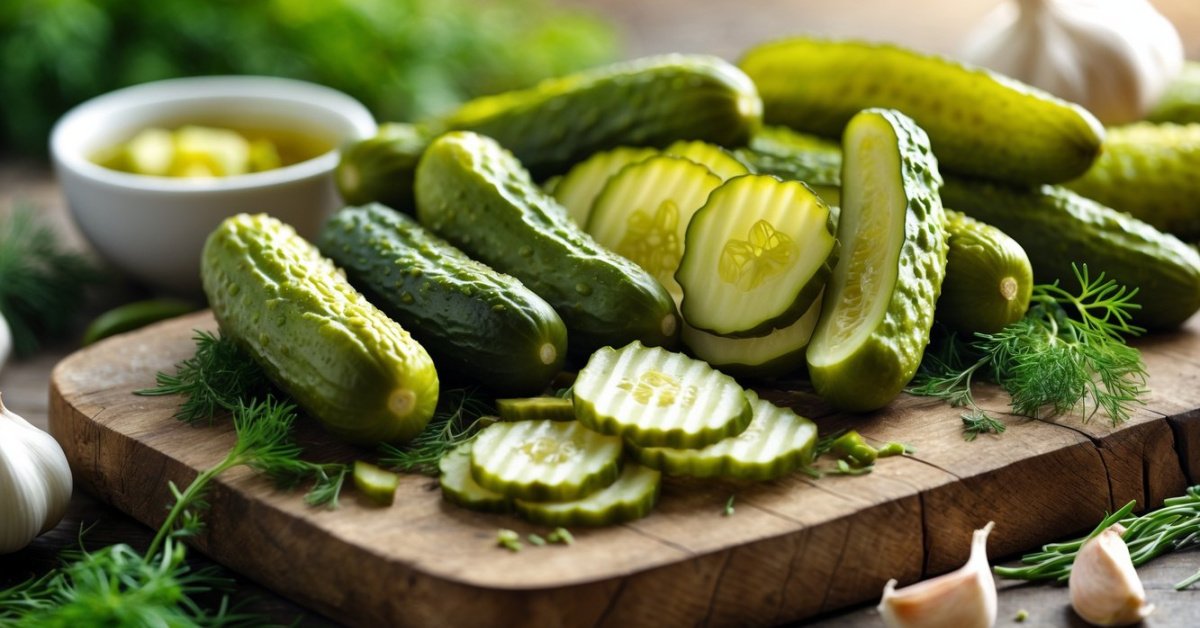
I’ve always loved the tangy crunch of a good pickle but I never realized just how much they could do for my gut. Fermented pickles aren’t just a tasty snack—they’re packed with probiotics that can help support a healthy digestive system. It’s amazing how something so simple can make a real difference in how I feel every day.
Lately I’ve noticed more people talking about gut health and the benefits of adding fermented foods to their diets. Probiotics in pickles are a natural way to boost the good bacteria in my gut and I find it fascinating how these tiny microbes can have such a big impact. If you’re curious about what makes fermented pickles so special for your gut you’re in the right place.
What Are Probiotics and Fermented Pickles?
Probiotics are beneficial bacteria that support the digestive system. I find strains like Lactobacillus and Bifidobacterium most common in traditional fermentation. These microbes naturally occur on vegetables from my garden and multiply during pickling.
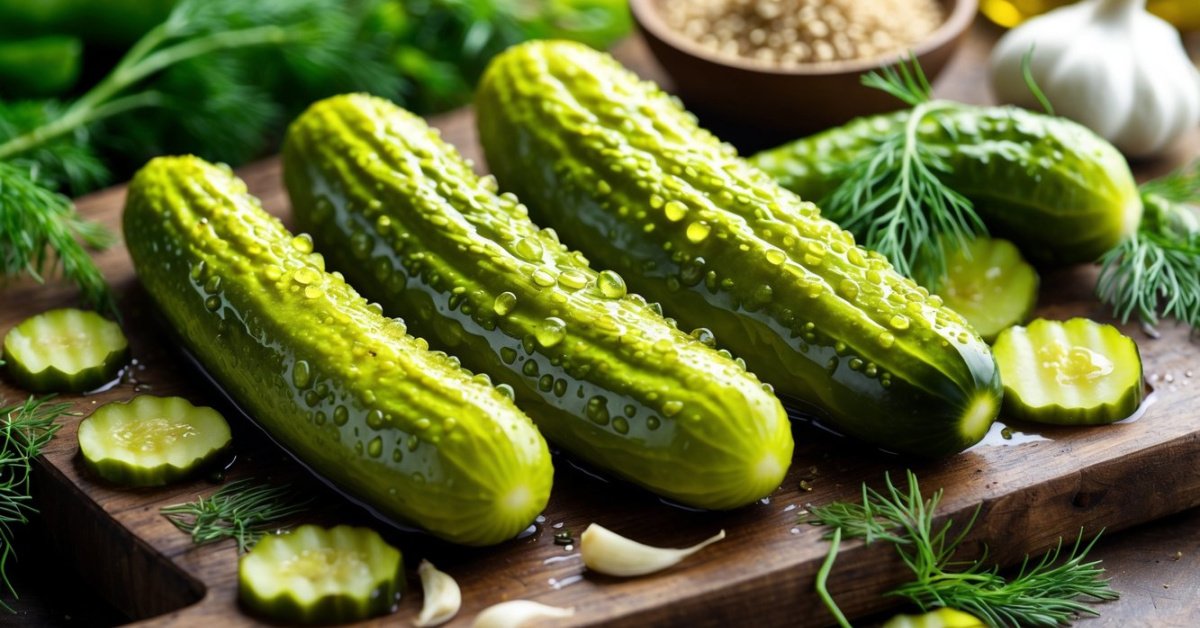
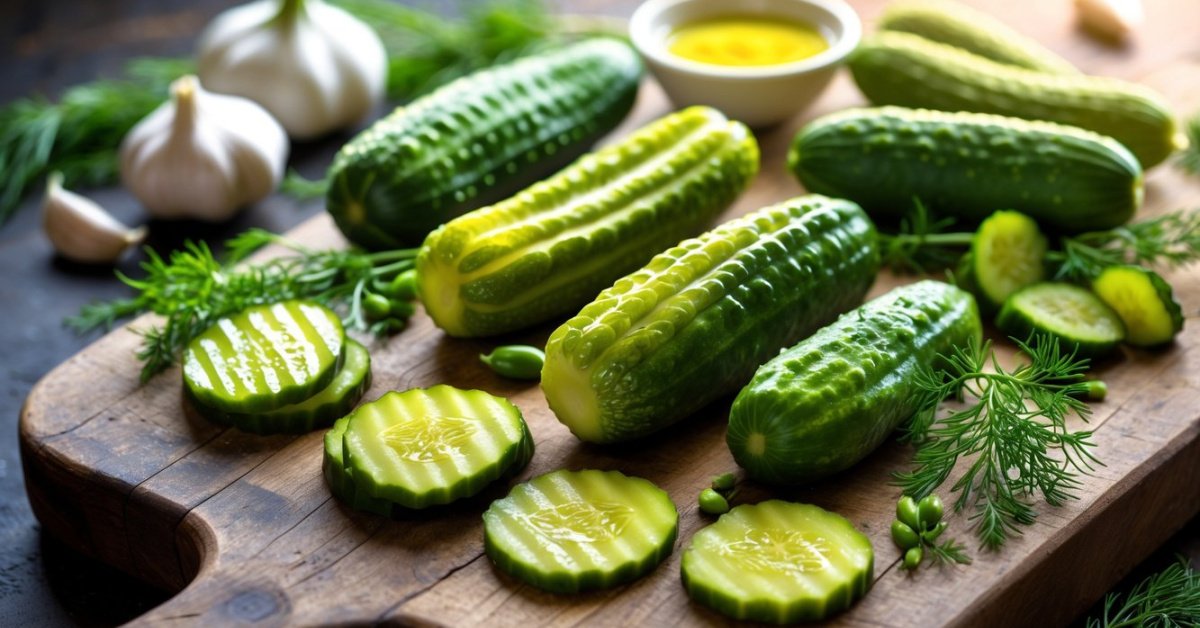
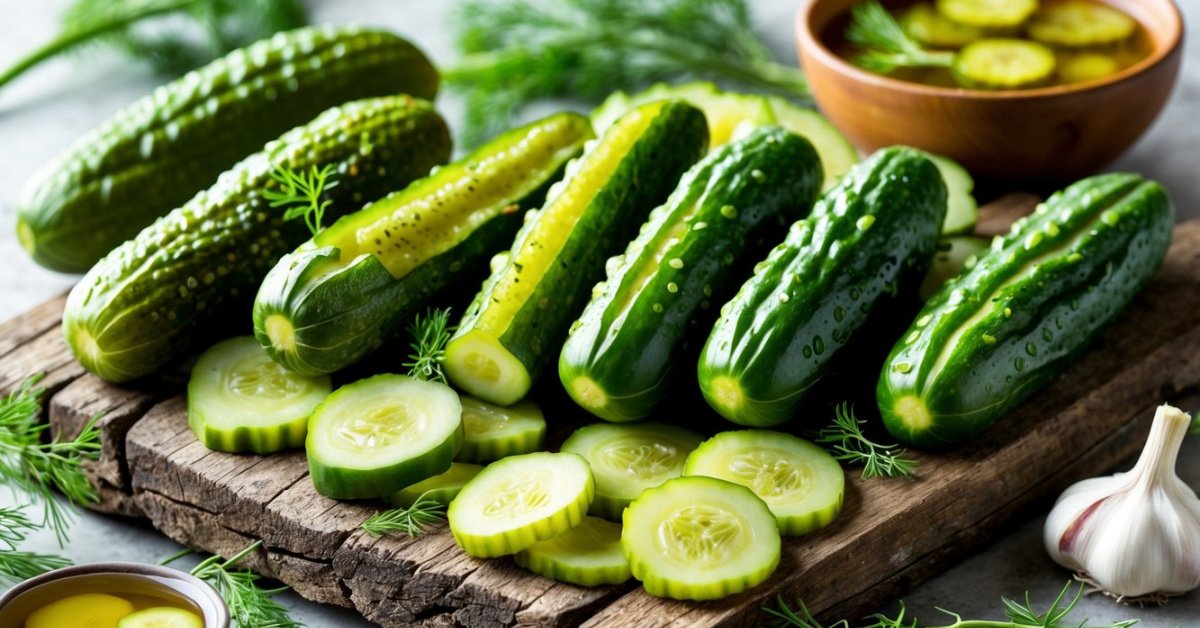
Fermented pickles result from preserving vegetables in a saltwater brine. I combine cucumbers, dill, and garlic with saltwater, then let natural bacteria ferment sugars into lactic acid. Fermented pickles taste tangy, not vinegary, and keep their probiotics live and active.
Unlike vinegar-pickled varieties, fermented pickles rely on wild fermentation. I prefer this method because it maximizes the growth of probiotic cultures. The cloudy brine and bubbles show that live microbes thrive, making these pickles a potent way to add probiotics to daily meals.
My process always starts with fresh harvests, ensuring the vegetables carry natural bacteria. Salt limits harmful microbes, so only friendly strains multiply. This self-sustaining approach lets me enjoy garden produce and beneficial probiotics year-round.
How Probiotics Work in the Gut
Probiotics in fermented pickles interact with the gut by helping maintain a balanced community of microbes. I find that Lactobacillus species from homemade brined cucumbers support this microbial balance, enhancing digestion and nutrient absorption. These beneficial bacteria thrive on fibers and plant compounds in pickles, breaking them down into simpler substances the body uses.
Probiotic bacteria contribute to gut barrier strength, producing substances like lactic acid that create an environment unfavorable for harmful microbes. I consistently see fewer instances of bloating and discomfort among individuals who eat live-fermented pickles along with a vegetable-rich diet.
Probiotics communicate with the immune system through the gut wall, reinforcing defenses against pathogens. I notice that people who eat fermented foods often report fewer colds and better overall well-being, aligning with published evidence from peer-reviewed studies such as those in the journal Nutrients (2019, 11(8), 1802).
Through their metabolic activity, live cultures in pickles help the gut produce vitamins like B12 and vitamin K, which the body can’t synthesize alone. I value how each batch of my pickles not only preserves garden flavors but also cultivates strains of bacteria that contribute to gut and whole-body health.
Types of Probiotics Found in Fermented Pickles
Every jar of fermented pickles brings a living collection of bacteria from the garden to the table. I focus on the strains that flourish best during home fermentation and how the process builds probiotic richness.
Common Probiotic Strains in Pickling
- Lactobacillus plantarum: I see this species dominate cucumber brines, especially when I use organic cucumbers and fresh dill. Its high salt tolerance makes for strong fermentation, leading to tangy flavor and crisp texture.
- Lactobacillus brevis: I notice this strain appears early in fermentation, producing lactic acid that drops pH for shelf stability. Its metabolic activity also contributes signature sourness found in classic deli-style pickles.
- Leuconostoc mesenteroides: I find this bacteria emerges at the first stage, especially when garden garlic and fresh herbs are present. It helps kick off the fermentation, producing carbon dioxide and flavor compounds.
- Pediococcus pentosaceus: I rely on this strain to aid in further acidification and enhance the shelf stability of long-brined batches. It thrives alongside other lactic acid bacteria through the fermentation process.
How Fermentation Enhances Probiotic Content
Fermentation boosts pickle probiotic content by transforming naturally present bacteria into dominant strains. I control salinity and temperature to give lactobacilli the advantage, allowing them to multiply rapidly and suppress undesirable microbes. Cucumbers and other vegetables from my garden introduce native bacteria into the brine, with biodiversity increasing through each batch I make. Brine clouds and effervescence show high microbial activity, confirming that live cultures thrive as fermentation progresses. The garden-to-jar connection means each batch hosts a unique blend of beneficial bacteria, maximizing gut health benefits with every bite.
Gut Health Benefits of Probiotics in Fermented Pickles
Fermented pickles from my garden create more than just tangy crunch—they deliver a unique blend of living probiotics that actively support gut wellness. I’ve found their probiotic diversity brings real, noticeable benefits every season I pop a jar open.
Improved Digestive Function
Eating fermented pickles improves digestive function because live cultures increase healthy bacterial diversity. I often see strains like Lactobacillus plantarum and Leuconostoc mesenteroides from my brined cucumbers breaking down plant fibers, turning tough cellulose into simpler compounds that my body absorbs more efficiently. More diversity means less bloating, smoother digestion, and regularity, especially when I enjoy pickles alongside beans or whole grains.
Strengthening the Immune System
Adding fermented pickles to my daily meals strengthens my immune system by crowding out harmful microbes and enhancing barrier integrity. When I pickle fresh cucumbers with dill and garlic, the lactic acid bacteria create acids and antimicrobial substances that protect my gut lining from invaders. With a more resilient gut barrier, I notice fewer seasonal sniffles and recover faster from minor illnesses. Published research links a diet rich in live cultures—including my homemade pickles—to improved antibody response and less inflammation (Source: Harvard T.H. Chan School of Public Health).
Potential Role in Mental Health
Eating fermented pickles plays a supporting role in mental health by influencing the gut-brain connection. I’ve read compelling studies that show gut microbes in foods like lacto-fermented pickles can signal the brain through the vagus nerve, helping regulate mood and stress response. Many gardeners I know, myself included, report feeling more balanced and less anxious during seasons when fermented pickles are on the table. While research in this area continues, I trust what my own experience and the evolving science reveal about the mood-lifting effects of garden-fresh, probiotic-packed pickles.
Choosing and Consuming Fermented Pickles for Gut Health
Fermented pickles offer a potent blend of live probiotics and vibrant garden flavor. I always focus on quality and proper handling to get the most gut health benefits from every batch.
What to Look for on Labels
Selecting fermented pickles at the store means checking for clear and accurate labeling:
- Live Cultures: I look for words like “naturally fermented,” “raw,” or “contains live cultures” on the jar since these indicate unpasteurized pickles with living probiotics.
- No Vinegar: Ingredients lists matter. True fermented pickles list water, salt, cucumbers, and spices (examples: dill, garlic), not vinegar as the main pickling agent.
- Refrigeration: Fermented pickles sit in the refrigerated section because cold storage preserves probiotic activity. Shelf-stable jars usually mean pasteurization, which destroys live cultures.
- Minimal Processing: I avoid artificial preservatives and colors. Fermented pickles need only brine and vegetables to support probiotic growth.
Best Ways to Include Them in Your Diet
Incorporating fermented pickles into daily routines boosts gut health through variety and regular intake:
- Snacking: I eat whole pickles straight from the jar for a crisp, flavorful probiotic boost.
- Sandwiches and Salads: I slice pickles onto sandwiches, burgers, or fresh salads, which adds tang and live cultures to any meal.
- Charcuterie Platters: I serve them alongside cheese, cured meats, and roasted nuts for both flavor and digestive benefits.
- Sides and Garnishes: I chop pickles as garnishes for grain bowls or sprinkle diced pieces over avocado toast, bringing garden-fresh taste and probiotics in every bite.
For full probiotic benefit, I always keep fermented pickles cold and never heat them, since high temperatures kill beneficial bacteria. I choose only unpasteurized products from trusted sources or make them in my kitchen using produce from my garden. Every bite lets me connect sustainability, gut health, and the joy of homemade food.
Conclusion
Fermented pickles have truly changed the way I think about both flavor and wellness. Every crunchy bite feels like a small step toward better gut health and a stronger immune system.
Making or choosing the right pickles is a simple way to add more probiotics to my daily routine. I love knowing that each jar connects me to my garden and supports my well-being in such a natural way.
Exploring fermented foods has been a delicious adventure and I’m excited to keep sharing and learning more about the benefits they bring.