There’s something irresistible about biting into a classic Reuben sandwich—the crunch of toasted rye the tang of sauerkraut and that perfect melt of Swiss cheese. Every time I make one I’m reminded why this deli favorite has stood the test of time. It’s comfort food that never goes out of style.
But what really takes my Reuben to the next level is adding homemade pickles. They bring a fresh crisp bite that you just can’t get from a jar. If you’ve never tried making your own pickles you’re in for a treat. Let’s dive into what makes this sandwich so special and how a few homemade touches can make all the difference.
History of the Classic Reuben Sandwich
People first reported eating the classic Reuben sandwich in early 20th-century American delis. Menus in New York and Omaha listed this sandwich in the 1920s, each city claiming the creation as its own. New York delis, such as Reuben’s Delicatessen, attributed the name to owner Arnold Reuben, who served it with corned beef, Swiss cheese, sauerkraut, and Russian dressing on rye. Omaha legends point to Reuben Kulakofsky, a local grocer and poker fan, whose combination of beef and cabbage on rye pleased fellow card players.
Recipes for the Reuben sandwich always include tangy sauerkraut and crisp pickled vegetables, ingredients cherished by picklers like me for their preservation value and bold flavor. Home-fermented cabbage and garden-grown cucumbers found their way into these sandwiches in delis that prized housemade ingredients. That same tradition inspires me today—homemade pickles bring a fresh element, supporting both flavor and self-sufficiency.
Related sandwich versions appeared by the mid-1900s, often substituting pastrami, turkey, or coleslaw, but my favorite always returns to the original’s balance—meaty, tangy, and toasty with a bright bite from authentic pickled foods. Recognizing the Reuben as a platform for home pickling connects current-day food sustainability to classic deli fare, keeping the spirit of resourceful, delicious preservation alive.
Essential Ingredients for a Classic Reuben Sandwich
Every classic Reuben sandwich starts with a foundation of flavors that balance and complement my favorite homemade pickles. I always look for ingredients that showcase freshness, quality, and a connection to the traditions of deli fare.
Choosing the Right Bread
I use hearty rye bread with a firm crust for every Reuben sandwich. Thick slices hold sauerkraut and pickles without getting soggy. Authentic rye bread with caraway seeds provides the ideal tang—local bakeries or homemade loaves from rye grown in my garden work best.
Selecting the Best Corned Beef and Swiss Cheese
I select corned beef brisket that’s sliced thick, moist, and deeply marbled. Well-marbled brisket holds up to the acidity of my pickles and the sharpness of sauerkraut—award-winning delis or home-cured corned beef ensures optimal texture. I pair this with natural Swiss cheese, sliced from wheels aged at least four months, because pronounced nuttiness highlights the briny pickles.
Crafting Perfect Sauerkraut
I ferment shredded cabbage with sea salt from my garden beds to create kraut that’s full of probiotics, tang, and crunch. Freshly fermented kraut, finished after 7–14 days, offers the bright flavor and crisp bite needed for an authentic Reuben. Small-batch kraut, made with mustard seeds or dill, boosts both texture and flavor, forging a connection between savory sandwich fillings and the bright pop of homemade pickles.
Crafting Homemade Pickles
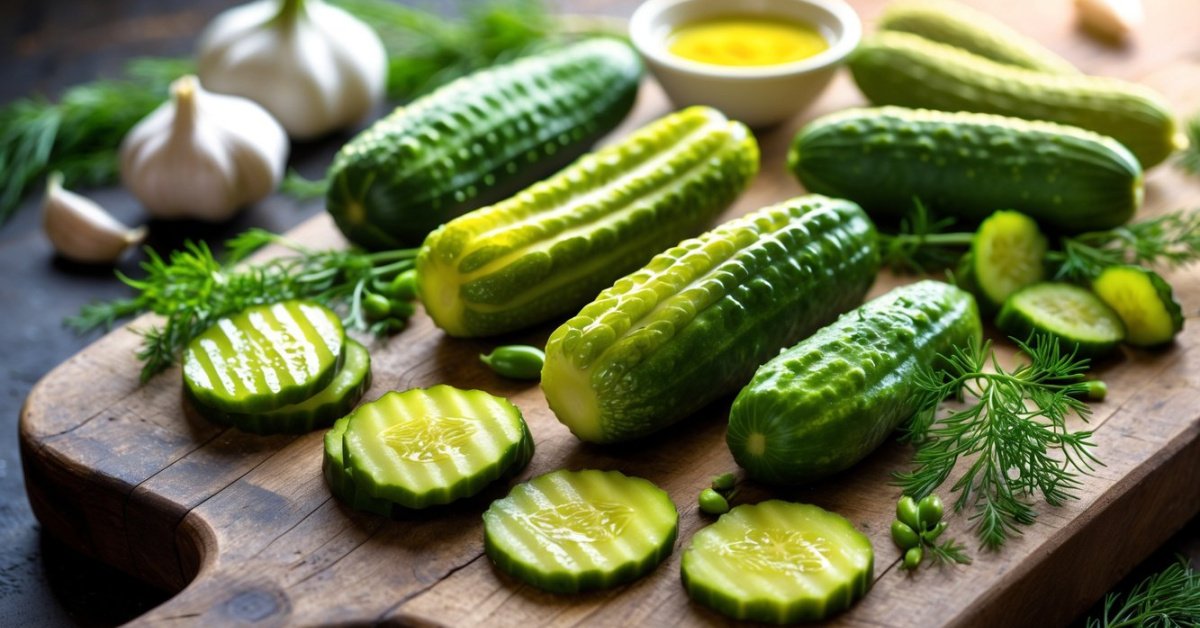
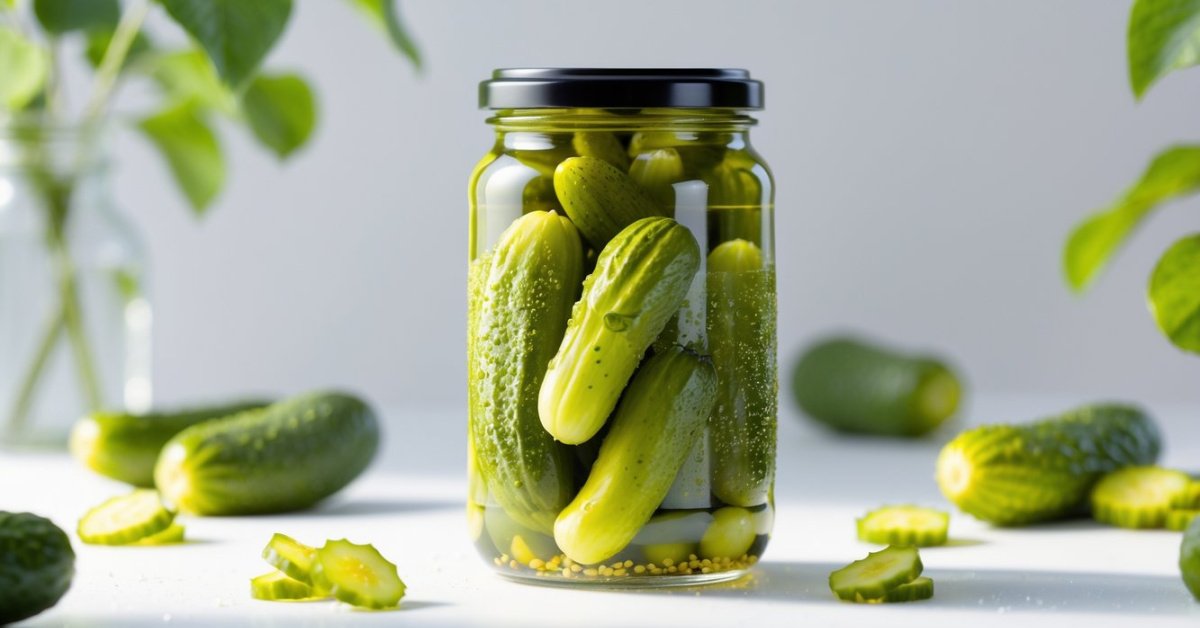
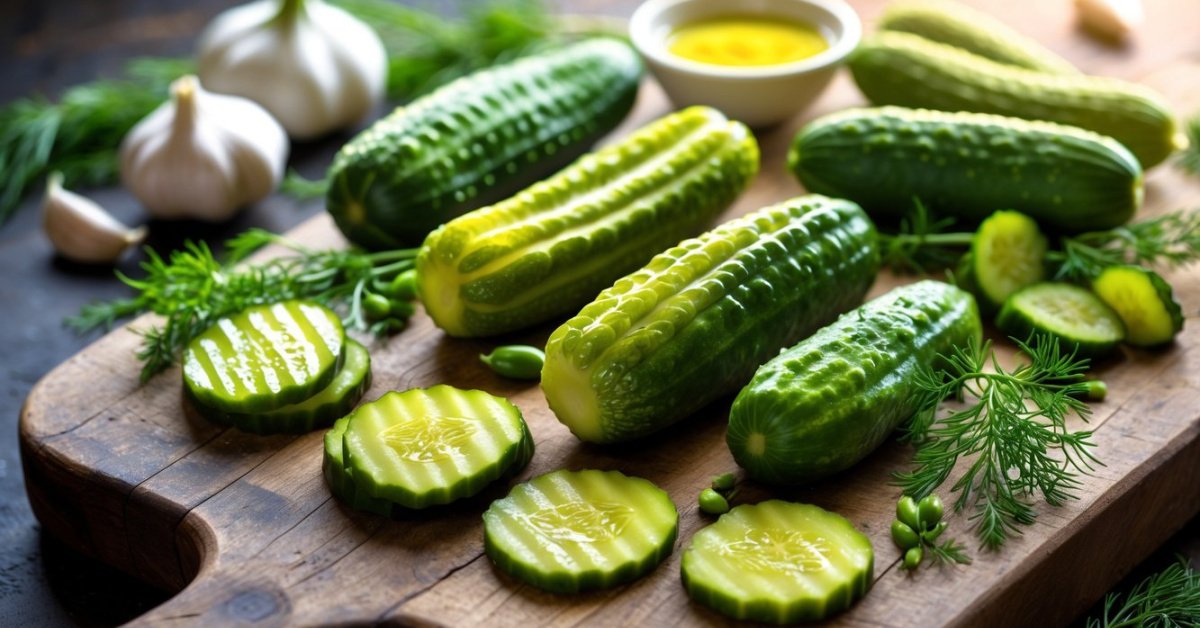
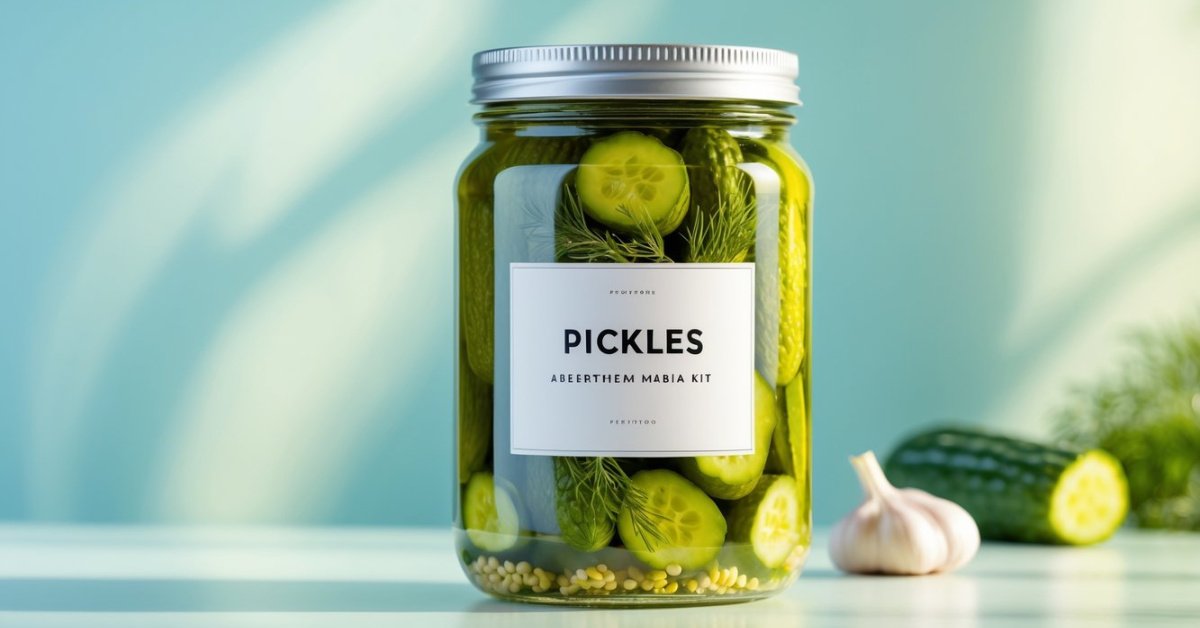
Homemade pickles give the classic Reuben sandwich a tangy snap that’s impossible to replicate with store-bought versions. My years of pickling and gardening have shown me that using fresh, homegrown cucumbers and the right process delivers unbeatable crunch and flavor.
Ingredients and Preparation
Fresh ingredients define homemade pickles. I use Kirby cucumbers from my garden, harvested when they’re under 3 inches long for maximum firmness. For each batch, I bring together:
- 1 pound Kirby cucumbers (whole or speared)
- 2 cups filtered water
- 1 cup distilled white vinegar (5% acidity)
- 2 tablespoons kosher salt (non-iodized)
- 5 cloves garlic, smashed
- 1 teaspoon black peppercorns
- 1 teaspoon yellow mustard seeds
- 1 teaspoon dill seeds or 4 sprigs fresh dill
- 1 bay leaf
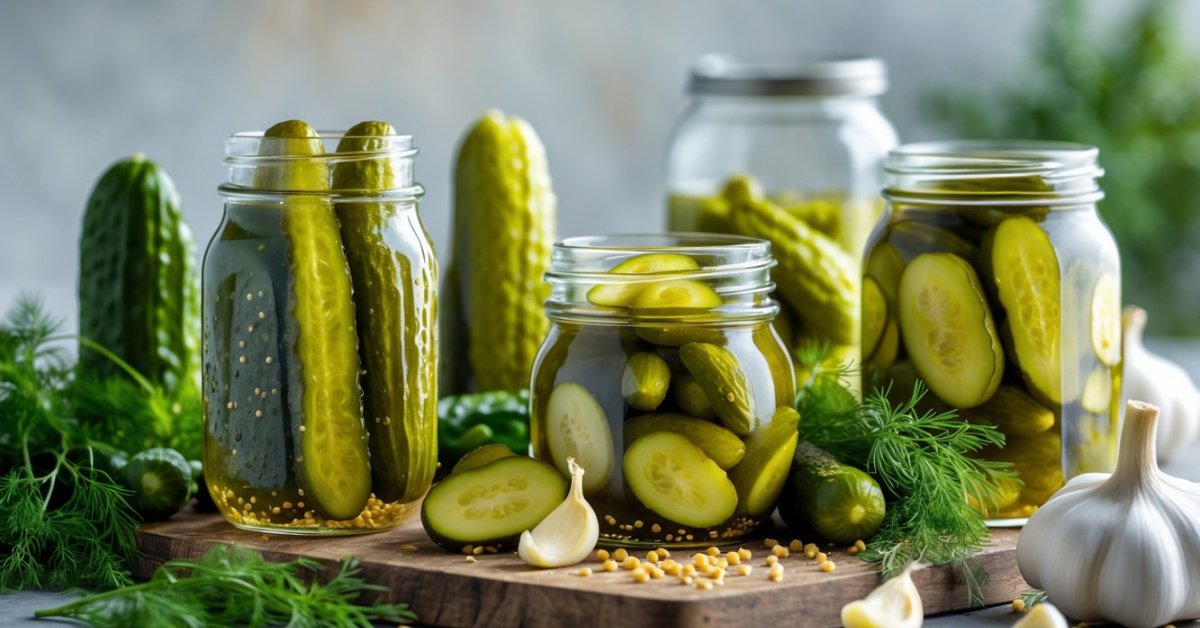
I sterilize wide-mouth glass jars in boiling water, then layer cucumbers, garlic, dill, and spices inside. In a saucepan, I dissolve salt in the vinegar-water mix, then pour the hot brine over the cucumbers, covering them completely. Sealing jars while brine’s hot helps develop better flavor during the 48-hour refrigerator cure.
Tips for Crunchy and Flavorful Pickles
Crisp texture relies on three factors: fresh cucumbers, quick brining, and proper storage. I use homegrown cucumbers within 24 hours of picking; longer waits lead to limp pickles. For extra snap, I add a few grape or oak leaves in the jar, which contain tannins that reinforce firmness. Keeping pickles refrigerated prevents softness and preserves flavor.
For bold taste, I double the garlic and mustard seeds in summer batches. I experiment with chili flakes or horseradish when I want a spicy profile. Homemade pickles always outshine shelf-stable ones because they’re customizable, fresher, and packed with garden-driven flavors.
Step-by-Step Guide: Making the Classic Reuben Sandwich
Homemade pickles always deserve center stage, but a classic Reuben sandwich turns everyday deli components into a warm, balanced experience. I’ll show how layering handpicked ingredients and grilling just right brings out every flavor nuance.
Assembling the Sandwich
Building a Reuben sandwich means capturing harmony between rye, corned beef, Swiss cheese, sauerkraut, homemade pickles, and Russian dressing. I always lay out two slices of marble rye brushed with a thin layer of softened butter on one side for crisp grilling. I stack thick, even slices of freshly brined corned beef—usually about 4 ounces per sandwich. Slices of aged Swiss cheese go next, cut from the block for maximum melt and tang. My small-batch sauerkraut, packed with subtle dill or mustard notes, follows. I use about 2 ounces to avoid sogginess. Hand-cut homemade pickles get sliced lengthwise and layered over the kraut to inject a bright, crunchy snap. A generous tablespoon of smooth, tangy Russian dressing finishes the stack before the second slice of bread closes up the sandwich, butter side out.
Grilling to Perfection
Grilling draws together each element of the Reuben sandwich while keeping the homemade pickles crisp. I preheat a heavy skillet or griddle over medium heat. Once hot, I transfer the assembled sandwich, grilling one side for about 3-4 minutes. With a firm spatula, I press lightly to encourage even browning and melting. I flip once the bread goes golden and the aroma turns nutty, grilling the second side another 3 minutes—until the cheese bubbles and oozes at the edges. I pull the sandwich off onto a cutting board, let it rest 1 minute, then cut in half. Each bite reveals sharp, homemade pickle crunch and tender beef, surrounded by melted cheese and tangy kraut, always layered to highlight every handmade element.
Flavor Profile and Texture Experience
Layers of rye, corned beef, Swiss, sauerkraut, and homemade pickles create a classic Reuben sandwich bursting with complexity. Each bite delivers savory, tangy, and creamy notes, anchored by the earthy aroma of toasted rye.
Pickled cucumbers, especially when crisp and tangy from my garden, introduce a fresh acidity and crunch that balance the richness of Swiss cheese and corned beef. Sauerkraut, fermented with sea salt and garden herbs like dill, adds subtle tartness while providing fiber and a pleasing, resilient texture.
Swiss cheese, always from a young, nutty wheel, melts evenly, lending a creamy and slightly sweet finish. Corned beef, sliced thick and marbled, brings umami depth and a tender chew. Toasted rye bread, whose hearty structure comes from homegrown rye flour, holds everything together and offers crackle with every bite.
If using fresh, homemade pickles, I can tailor sourness and spice—examples like garlic, chili flakes, or extra dill—to accentuate the sandwich’s boldness. Fermented vegetables add lactic sharpness, and the brine contributes an herbal, refreshing undertone.
Building a Reuben with garden-raised ingredients and small-batch pickles maximizes flavor vibrancy and texture precision, supporting a sandwich experience that’s never muddled or flat. Each component connects, resulting in more than a sum of the parts—each sensory detail speaks of craftsmanship and homegrown quality.
Pairing Suggestions for the Classic Reuben Sandwich
- Homemade Pickle Varieties
Sliced garlic dills, spicy fermented carrots, and tart pickled beans pair seamlessly with the classic Reuben. These pickled vegetables each enhance the sandwich by adding layers of acidity and crunch. My favorite pairing features a crunchy Kirby spear cured in a brine of garlic, mustard seed, and peppercorns.
- Fermented Sauerkraut Beverages
Fermented sauerkraut juice complements the Reuben’s tangy notes perfectly. Drinking a small glass alongside the sandwich provides a palate-cleansing effect that balances the richness of the meat and cheese.
- Seasonal Slaws
Fresh kohlrabi slaw, apple-celery slaw, and red cabbage slaw each contrast the Reuben’s savory profile while echoing the garden-fresh flavors of homemade pickles. I savor a kohlrabi-dill slaw during early fall when kohlrabi ripens in my garden.
- Root Vegetable Chips
Crispy beet, parsnip, or sweet potato chips add sweetness and texture, balancing the sandwich’s robust flavors. Chips made from garden-grown roots create a sustainable, flavor-rich addition.
- Local Fermented Beverages
Small-batch kombucha, homemade kvass, or lacto-fermented lemonade each refresh the palate and support gut health, synergizing with the probiotic benefits already present in the homemade pickles and kraut.
My pairings always revolve around vegetables I grew and preserved, connecting the robust tang of classic Reuben sandwiches to the bounty and diversity that pickling and gardening bring to the table.
Conclusion
Making a classic Reuben sandwich with homemade pickles always feels like a celebration of comfort and creativity in my kitchen. The process lets me slow down and enjoy the rewarding ritual of working with fresh ingredients.
Every bite reminds me why I love this timeless deli favorite—especially when I get to add my own twist with crisp pickles and garden-grown flavors. There’s just something special about sharing a Reuben that’s crafted with care and a little bit of homemade magic.