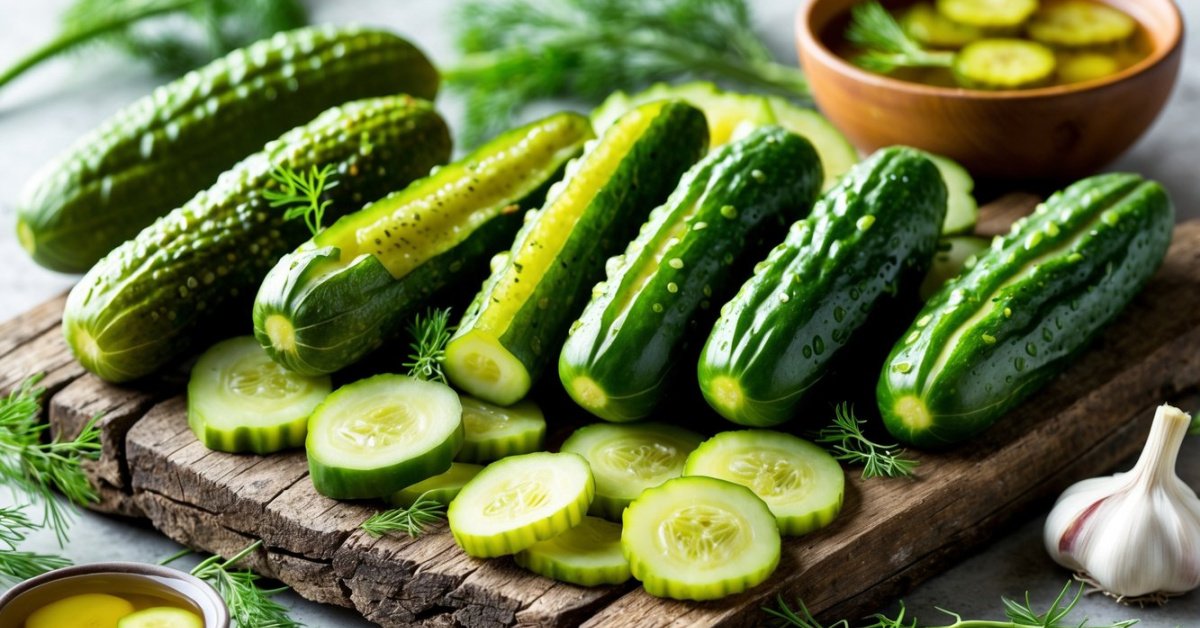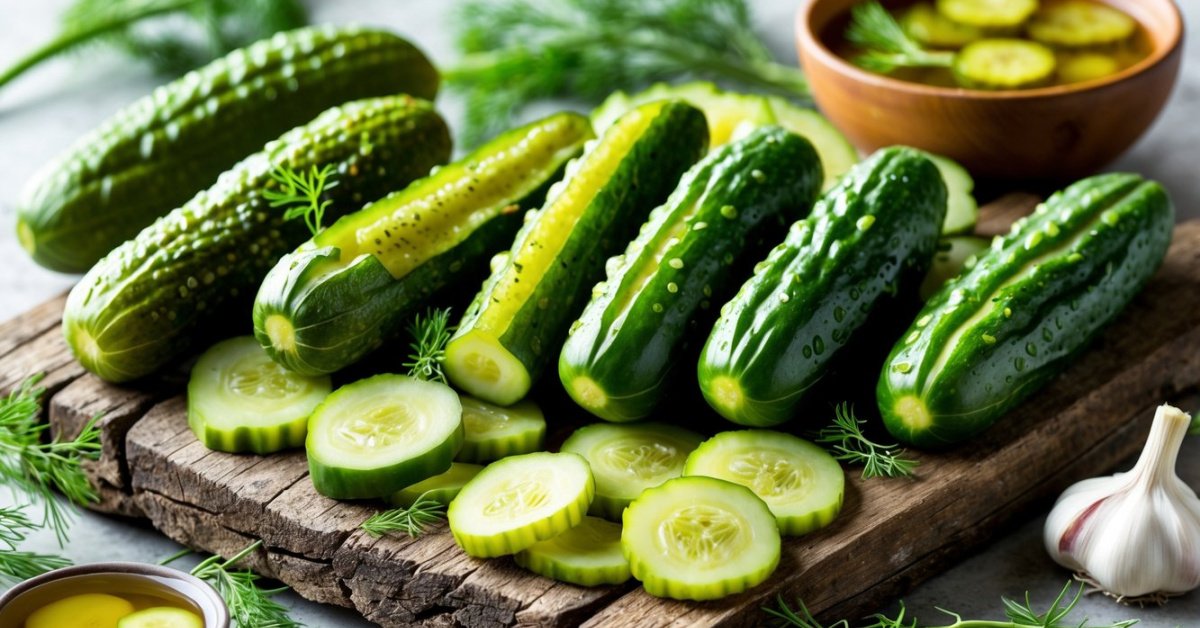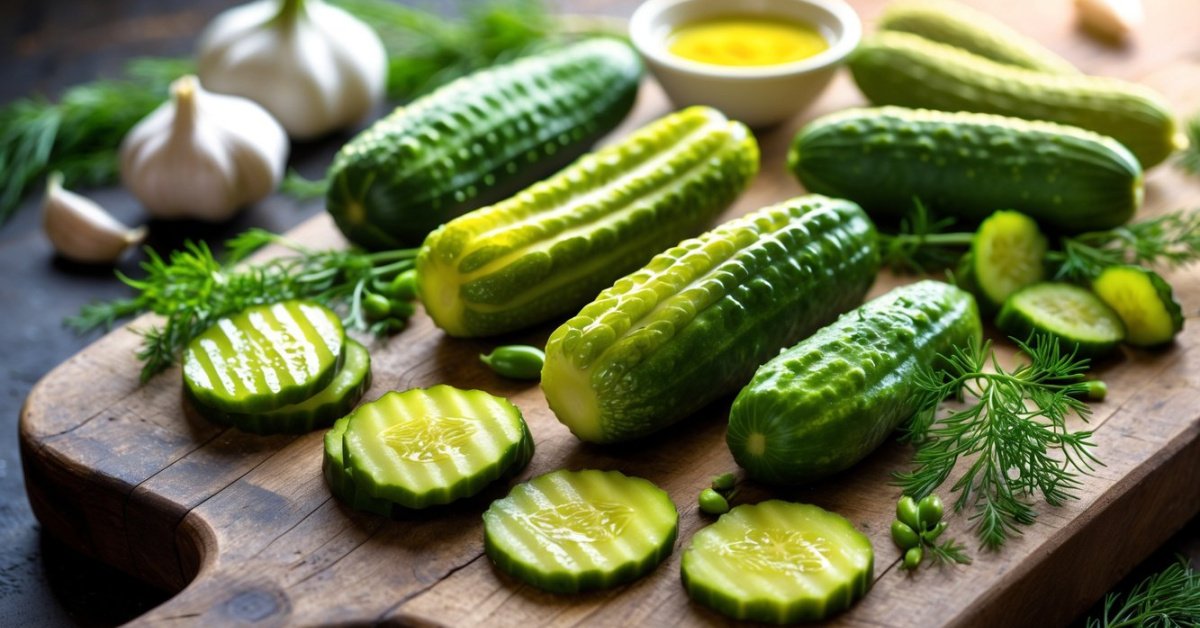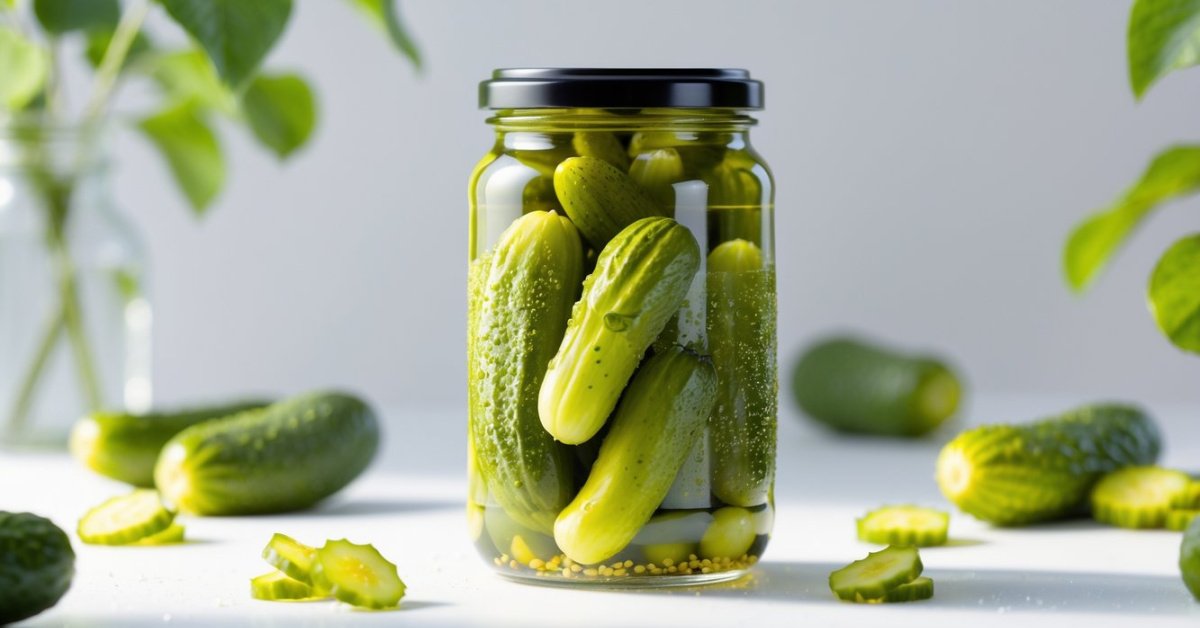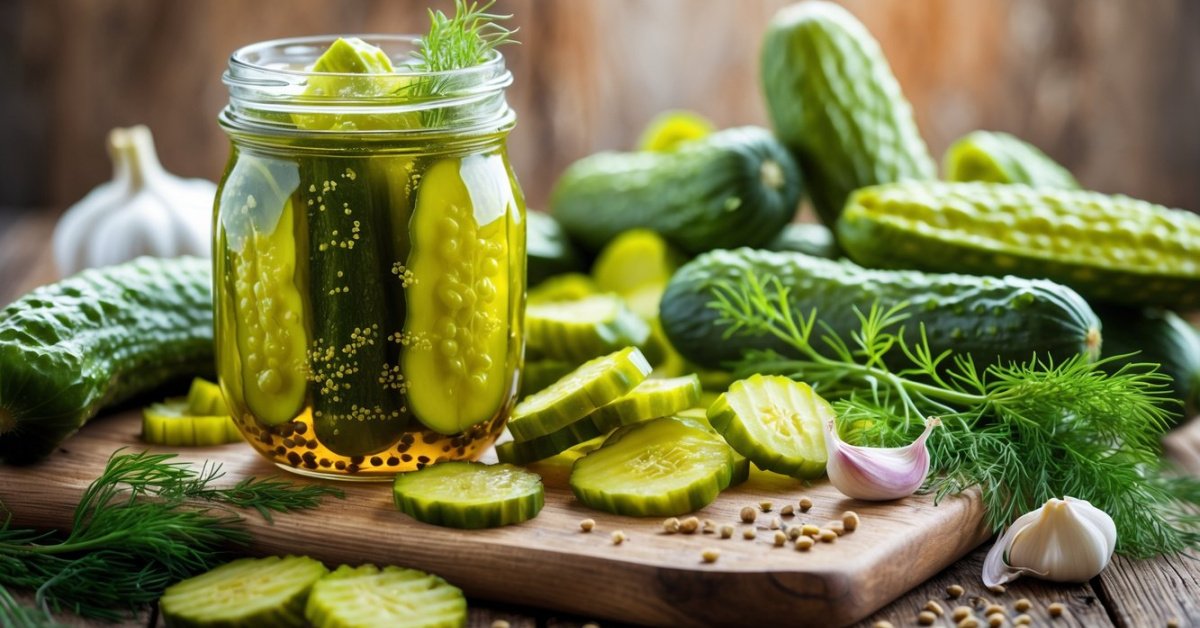
I’ve always found it amazing how something as simple as a pickle can carry so much flavor and history. Every country seems to have its own way of transforming humble vegetables or fruits into tangy treats that add a punch to any meal. From crunchy sides to spicy condiments pickles have a way of brightening up the table and sparking curiosity.
Whenever I travel or try new cuisines I’m drawn to these bold little bites. There’s just something special about tasting the world through its pickled creations. Join me as I explore some of the most famous pickle dishes from around the globe and discover what makes each one unique.
The Global Appeal of Pickled Foods
Pickled foods capture diverse flavors and preserve seasonal harvests. All continents feature traditional methods that transform vegetables, fruits, fish, and even eggs through pickling processes. For instance, Korean kimchi relies on salted cabbage, while German sauerkraut uses shredded fermented cabbage. These pickled staples add complexity to daily meals and offer year-round access to nutrients from the garden or market.
Every culture approaches pickling differently, yet the results share common benefits. Preservation locks in vitamins, extends shelf life, and harnesses beneficial microbes. Pickling enables me to enjoy garden produce all year and experiment with new spice blends and curing techniques.
Home pickling offers creative control and a sustainable food source. I use brines, vinegars, and spice mixes tailored to each vegetable’s texture and flavor. This customizable preservation method connects me to traditions across continents, from Japanese tsukemono to Indian achar. Cooking with pickled foods adds unique zest and upholds centuries-old sustainability practices that continue inspiring cooks and gardeners globally.
Iconic Pickle Dishes From Asia
Asian pickling traditions produce intense flavors and preserve seasonal harvests in unique ways. I find these famous dishes offer crisp textures and bold tastes, each reflecting centuries of local expertise.
Kimchi From Korea
Kimchi stands as Korea’s most renowned pickle dish, with napa cabbage and Korean radish as core ingredients. I ferment these vegetables with gochugaru (red chili flakes), garlic, ginger, and fish sauce. Kimchi’s taste develops layers of spice and tang after one to three weeks of fermentation. Over 200 regional kimchi variations exist, including baechu kimchi and kkakdugi. Kimchi delivers probiotics and vitamins while anchoring Korean meals from stews to pancakes (Source: Korean Food Foundation).
Japanese Tsukemono
Tsukemono refers to assorted Japanese pickles, such as takuan (daikon radish), umeboshi (pickled plums), and shiozuke (salt-brined cucumbers). I use rice bran, salt, sake lees, or soy sauce for distinctive flavors and preservation. Tsukemono provides contrasting tastes and textures to rice and miso soup in Japanese cuisine. Centuries-old tsukemono styles rely on lacto-fermentation, supporting gut health and extending food life (Source: Japanese Ministry of Agriculture).
Indian Achar Varieties
Indian achar includes dozens of pickles crafted from mangos, limes, green chilies, and gooseberries. I combine sliced produce with mustard oil, fenugreek, turmeric, chili powder, and salt, then cure everything in sunlight for weeks. Every region features signature recipes, such as North India’s spicy mango achar or South India’s lemon pickle with curry leaves. Fermentation and spices yield complex, pungent flavors, making achar an essential side at India’s diverse meals (Source: Indian Council of Agricultural Research).
Pickled Delicacies in Europe
European pickled foods showcase centuries-old methods passed down in farmhouse kitchens and city homes alike. I find that each region has crafted its own distinctive flavors, with classic vegetables elevated through careful fermentation and spicing.
German Sauerkraut
German sauerkraut combines shredded cabbage and salt to yield a crisp, sour relish. I pack fresh homegrown cabbage into crocks to ferment for several weeks, infusing it with earthy, tangy notes as lactic acid bacteria preserve and flavor the shreds. Dishes like Bavarian bratwurst and pork knuckle feature sauerkraut as a staple element, highlighting its traditional place in Central European cuisine. Sauerkraut preserves vitamins C and K, making it a nutritious winter food across generations of German households.
Polish Ogórki Kiszone
Polish ogórki kiszone, or naturally fermented cucumbers, blend salt, garlic, horseradish, dill, and sometimes cherry leaves. I submerge small, firm cucumbers in brine to draw out their crispness and sharp, garlicky finish, creating a distinctive Polish profile. Polish markets and family tables serve ogórki kiszone with cured meats, sandwiches, or as zesty palate cleansers at communal gatherings. The slow fermentation supports gut health and brings out complex, layered flavors I value in traditional Eastern European pickling.
British Branston Pickle
British Branston pickle brings together diced vegetables—often rutabaga, carrots, onions, and cauliflower—in a spiced, sweet vinegar sauce. I appreciate Branston pickle for its bold, malty tang, which balances sharp cheddar or cold roast beef in the classic ploughman’s lunch. British pickling traditions use molasses, vinegar, and signature spices, giving this chunky, dark spread its signature punch. Branston pickle highlights the diversity of vegetables a home gardener can preserve, turning gluts into richly flavored pantry staples.
North and South American Pickle Favorites
North and South America feature distinctive pickle traditions shaped by local produce and bold seasoning. I always find new inspiration for my own brines when tasting these regional classics.
Classic American Dill Pickles
Classic American dill pickles deliver bright vinegar, crisp cucumbers, and aromatic dill. I prefer using freshly harvested pickling cucumbers from my own garden for the best texture. These pickles often include garlic, mustard seeds, and sometimes a hint of chili—adding complexity while preserving crunch. Most deli-style pickles in the US, like kosher dills, are lacto-fermented, developing a slightly sour tang that pairs perfectly with sandwiches, burgers, or as a snappy side.
Mexican Escabeche
Mexican escabeche transforms garden vegetables into a zesty, vibrant pickle. I commonly pickle jalapeños, carrots, onions, and cauliflower in vinegar, bay leaves, and oregano, infusing each bite with gentle heat and herbaceous notes. Escabeche adds color and acidity to tacos, grilled meats, or rice dishes. Regional variations use different chilies or aromatic spices—a benefit anyone can enjoy when experimenting at home.
Brazilian Conserva de Legumes
Brazilian conserva de legumes highlights quick-pickled medleys of crisp vegetables. I love assembling jars of sliced peppers, carrots, onions, and green beans in a simple vinegar, oil, and bay leaf brine. These pickles, served as appetizers or accompaniments, bring brightness to any meal. Brazilians often enjoy conserva alongside roasted meats or feijoada. Using peak-season produce straight from my garden, I create endless flavor combinations while enjoying this versatile preservation method.
Unique Pickle Traditions From the Middle East and Africa
Pickling runs deep in Middle Eastern and African food cultures. I’ve found these regions showcase bold techniques and ingredients that transform everyday produce into key flavor elements at every meal.
Middle Eastern Torshi
Torshi defines pickles across Iran, Iraq, Lebanon, and the Levant. I use cauliflower, carrots, eggplant, and turnips, stacking jars with garlic, coriander, and enough vinegar for a sharp tang. I’ve seen torshi on every family table, paired with rice and roasted meats. Each region adds signature spices: turmeric in Persian torshi liteh, or chiles in Lebanese makdous. My favorite batches age for months, drawing earthy aromas and vibrant color layered from the vegetables and spices.
Moroccan Preserved Lemons
Moroccan preserved lemons bring salty, citrus brightness unique to North African cuisine. I pack unwaxed lemons with kosher salt and let them ferment in their own juices. These pickles take about four weeks to soften and mellow, infusing both tangy and aromatic notes. I rely on them when making tagines or dressings, mincing the peel for an intense burst of flavor. Preservation in lemon brine ensures these pickles last for months in my pantry, even through the hottest seasons.
How Pickle Dishes Unite Cultures
Pickle dishes unite cultures by blending histories, traditions, and local harvests in a single jar. I find that every region creates distinct flavors using available produce—examples like cabbage for kimchi in Korea, cucumbers for ogórki kiszone in Poland, and lemons for Moroccan preserved lemons. Each method reflects climate, trade, and cultural preferences, but all share the goal of making crops last beyond their harvest.
Sharing pickles creates connections beyond borders. When I trade homemade pickles at markets or exchange recipes with gardening friends, I’m tasting centuries of innovation. Techniques like brining, fermenting, or quick-pickling carry both flavor and stories of resilience. Preserving food during abundance—like cucumbers in summer or carrots in winter—links families and generations, whether in a bustling city or a rural community garden.
Celebrations around the world often include pickles. In my experience, weddings in India almost always serve tangy achar while German holiday spreads feature sauerkraut. Culinary traditions get richer when these preserved condiments appear at the table, often inspiring guests to recreate memories from home. Through pickling, I bridge generational gaps and learn about others’ roots by tasting their traditions.
Gardening and pickling encourage me to honor self-sufficiency, but exchanging pickles invites collaboration. When I share spiced carrot pickles from my backyard or sample someone’s homemade dill chips, cultural boundaries dissolve. Pickle dishes don’t just preserve food; they preserve relationships, heritage, and the spirit of generosity across the continents.
Conclusion
Exploring the world of pickles always reminds me how food can connect us in the most unexpected ways. Every jar tells a story of culture creativity and the joy of sharing something homemade.
Whenever I try a new pickle recipe or swap jars with friends I feel like I’m part of a global community that values tradition and innovation. Whether you’re a fan of spicy kimchi or sweet Branston pickle there’s always a new flavor to discover and a memory to create.